Driving a VW T-Roc 1.5 TSI and wondering what needs changing, when to change it and which parts and fluids to use? I get asked this all the time. And I'm sure you've seen people in owners' groups saying, "It's a new car. Just change the oil when the service light comes on and you're done." I wish it were that simple. So I've put together this VW T-Roc 1.5 TSI service schedule, combining the factory maintenance plan with what we've learnt from working on these cars at Das Auto Service. I want you to know how to look after your T-Roc before problems start costing you money.
Here's exactly which models we're talking about:
- First-generation VW T-Roc (2017–2025), including the 2022 facelift onwards
- T-Roc Cabriolet with the 1.5 TSI engine
- 1.5 TSI evo engine producing 150 hp (110 kW), from the EA211 evo family, most commonly with engine codes DADA and DPCA, featuring ACT – a system that switches off two cylinders when the engine isn't under much load
- 6-speed manual gearbox or 7-speed DSG DQ200 with dry clutches
- Front-wheel drive, plus the small number of 1.5 TSI DSG models with 4MOTION produced between late 2018 and mid-2019
You'll find your engine code on the sticker in the boot or in your service book. Check it before buying oil or parts. It's not a minor detail – that code determines exactly what's right for your engine.
What engine oil does the VW T-Roc 1.5 TSI need?
This is where a lot of owners get confused. There are two oil specifications for the 1.5 TSI: VW 504 00 (5W-30, LongLife III) and VW 508 00 (0W-20, LongLife IV). Which one your engine needs depends on its code and year of manufacture. You'll find the specification in your service book and on the oil filler cap. At Das Auto Service, we check the engine code before choosing the oil. We don't just pour in whatever happens to be on the shelf, swap one specification for another because we think it'll be fine, or mix the two. Your engine deserves the right oil.
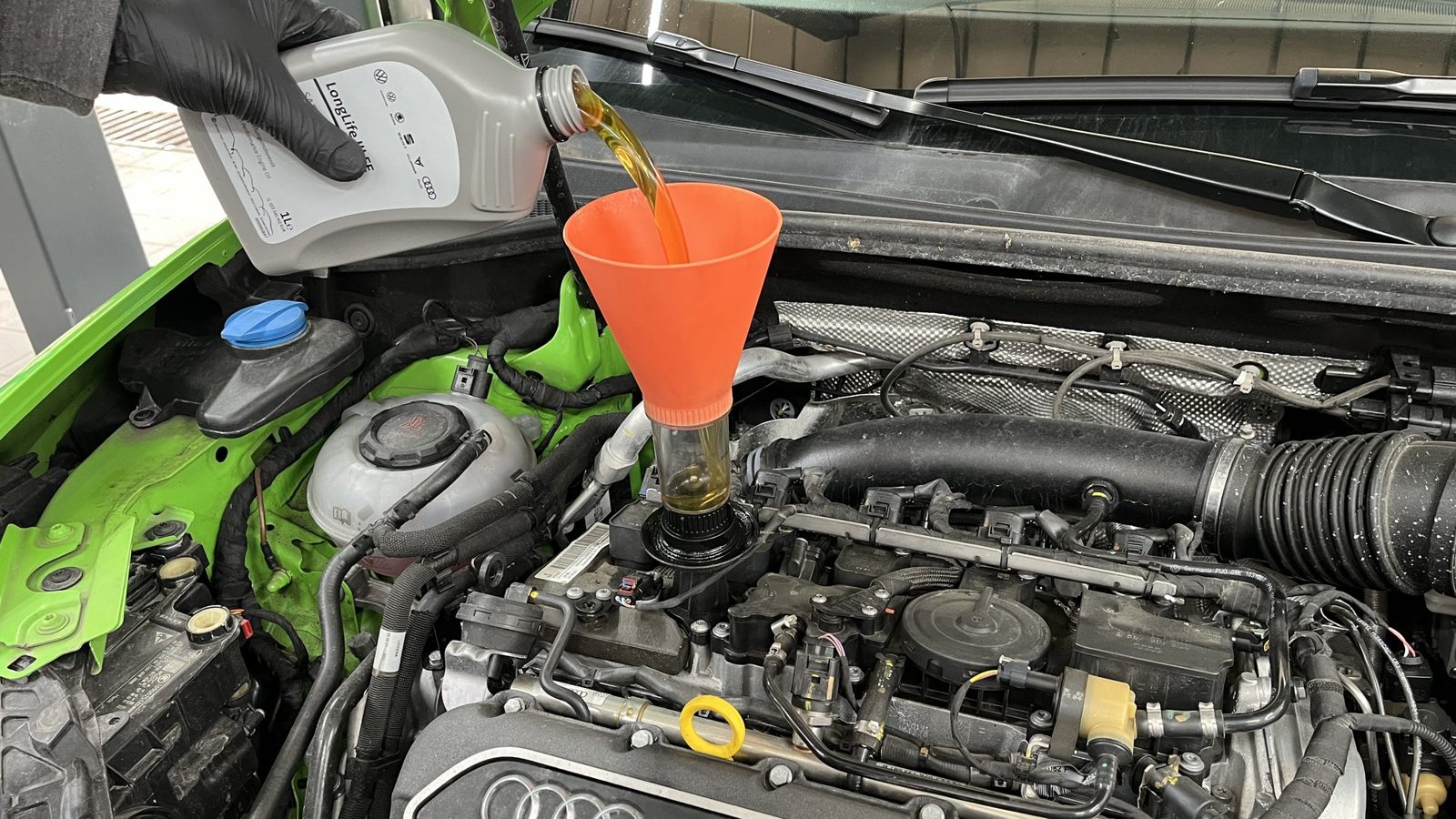
The factory LongLife service schedule allows you to drive up to 30,000 km or 2 years between oil changes. But I recommend something different. Not 15,000 km, certainly not 30,000 km – change the engine oil and oil filter every 10,000 km or once a year, whichever comes first, regardless of the oil used! Think about how you drive your T-Roc in Bulgaria. Town driving, short journeys, cold starts, traffic jams and dusty roads. Sometimes the engine barely gets properly warm. And oil ages even when the car spends more time parked than moving. All of that takes its toll. And eventually, you're the one paying the bill.
Which filters need changing, and when?
- Oil filter – change it every time you change the engine oil. Always.
- Crankcase ventilation filter – every 60,000 km.
- Engine air filter – we replace it alongside the engine oil every 10,000 km or once a year. The factory interval is 90,000 km or 6 years. We also inspect it at every check-up because you know how dusty our roads can be. It often gets dirty much sooner.
- Cabin filter – we change it together with the engine oil every 10,000 km or once a year.
- Fuel filter – it's inside the fuel tank, and the factory doesn't specify a replacement interval. So be careful where you fill up.
When should you change the spark plugs on the 1.5 TSI?
Every 60,000 km or 4 years, whichever comes first. Now you're probably thinking, "But the car runs perfectly well. Why touch them?" I'll tell you why. As a spark plug wears out, it needs a higher voltage to produce a spark, which puts extra strain on the ignition coil. The coil keeps working, keeps working, and eventually gives up. Then the engine starts shaking, the check engine light comes on or flashes, and instead of paying for spark plugs alone, you're paying for ignition coils too. And if that check engine light starts flashing, stop driving. Every extra kilometre could end up costing you a catalytic converter as well.
Why does the T-Roc 1.5 TSI hesitate when cold?
This is one of the questions I hear most often about this engine. Owners tell me, "First thing in the morning, when it's cold, it hesitates and jerks. Once it's warmed up, it's absolutely fine." It's most common on cars with a manual gearbox. On early models, the problem is usually the software controlling the engine during warm-up, rather than a broken mechanical component. That's why the manufacturer released a software update. If your T-Roc is from those early years and behaves like this, we first check the software version using our VAS diagnostic tester. We're not going to start replacing injectors and spark plugs blindly. I've explained the whole issue in my article about why the 1.5 TSI jerks when pulling away from cold.
Does the DSG DQ200 need servicing?
You've probably heard people say the DQ200 "doesn't need servicing". I hear it constantly. But as far as I'm concerned, there's no such thing as oil that lasts forever. This gearbox uses two separate fluids – one lubricates the gears in the mechanical part of the gearbox, while the other is the hydraulic fluid inside the mechatronic unit, the gearbox's brain. We change the oil in the mechanical part every 60,000 km, always using genuine oil. We also check the mechatronic unit and carry out clutch adaptation after the service. We don't wait for the DSG to start kicking or jerking. We perform the adaptation every time.
If your DSG kicks or judders when pulling away, especially in traffic, the first thing we do is connect the diagnostic tester and look at the live data. We don't immediately order a new clutch or mechatronic unit. First, we need to understand what's causing the problem. Only then do we consider taking anything apart. I've explained more in my article about the DSG DQ200 with dry clutches.
WARNING! Don't let anyone replace your clutch or mechatronic unit without a proper diagnosis. First, read the fault codes, check the live data and carry out the adaptation. Only then can you decide whether anything actually needs replacing. I'm telling you this because if the diagnosis is wrong, you're the one paying out of your own pocket. Not the garage.
With the 6-speed manual gearbox, the factory considers the oil filled for life. We still check for leaks at every inspection and recommend changing it every 60,000 km using genuine oil. Quite often, the gears shift more smoothly afterwards, especially on cold mornings.
What if your T-Roc has 4MOTION?
The 1.5 TSI T-Roc with 4MOTION is rare, but it does exist. Its rear wheels are driven through the Haldex coupling – a clutch system that sends torque to the back wheels. We change the Haldex oil every 40,000 km, and we always remove the pump and clean its strainer. We don't simply drain the old oil and pour in fresh oil. Leave that strainer blocked and the pump starts overheating. Eventually, you're left with front-wheel drive only and warning lights all over the dashboard. I've explained why I insist on 40,000 km rather than 60,000 km in my article about Haldex Gen5.
Does the 1.5 TSI have a timing belt or chain?
It has a timing belt. The factory service schedule calls for inspections but doesn't give a fixed replacement interval. My advice is to replace it every 180,000 km or 5 years, whichever comes first. And use a genuine timing belt kit – belt, rollers, tensioner and water pump. Rubber ages whether you drive every day or leave your T-Roc sitting in the garage. And if the timing belt snaps, the valves hit the pistons. That's no longer routine maintenance. That's a major engine repair. And you're the one paying for it.
When should you change the brake fluid and coolant?
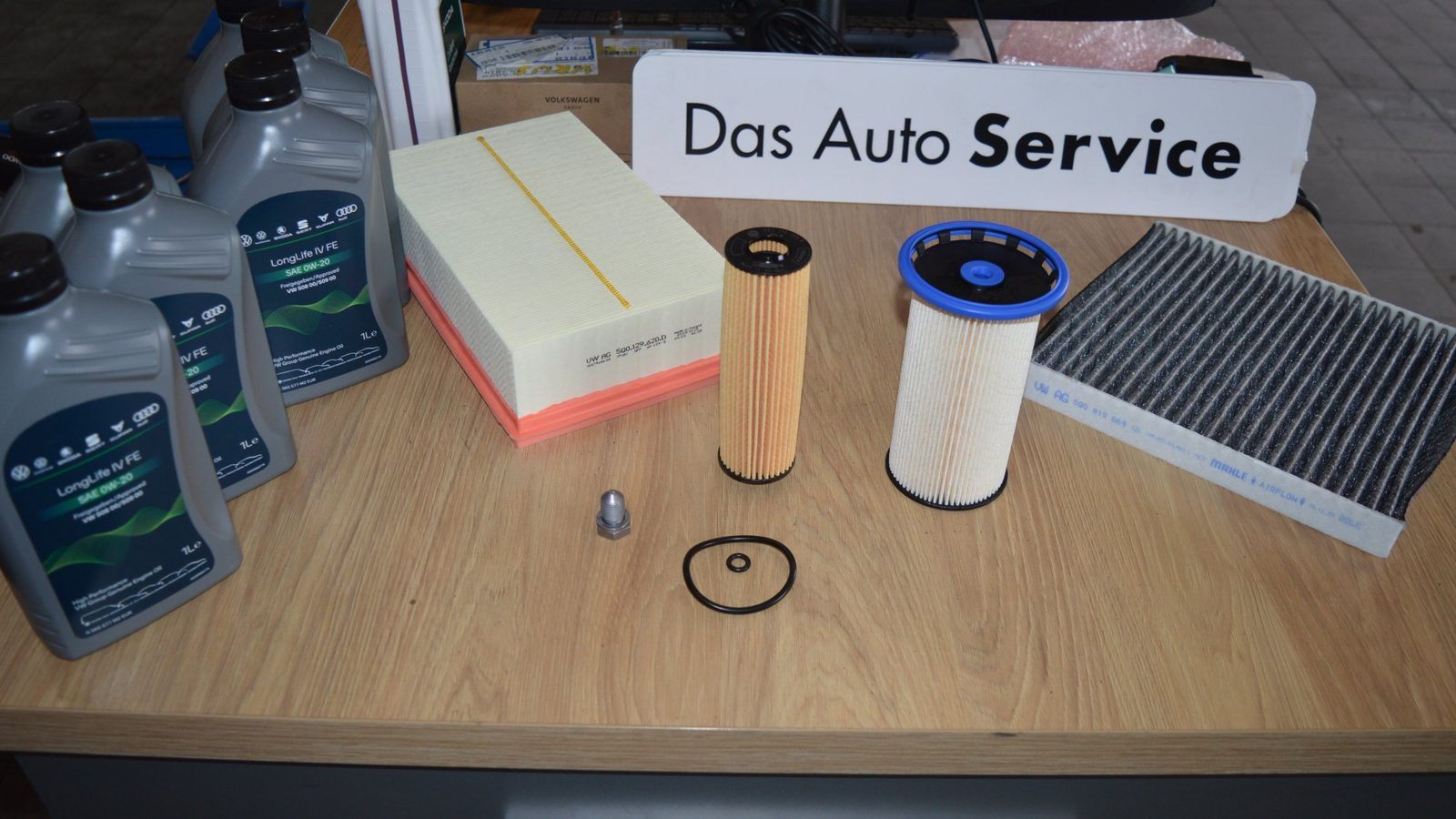
According to the factory schedule, cars built up to 2020 have their first brake fluid change after 3 years, then every 2 years. On newer cars, it's every 2 years from the start. My advice? Don't wait until the third year. Change it every 2 years. Brake fluid absorbs moisture, which lowers its boiling point. Under heavy braking, the pedal can start feeling spongy. Exactly when you need your brakes the most. That's why we measure the fluid's boiling point with a specialist tester at our workshop. We don't guess by looking at its colour. I've explained more in my article about brake fluid in VAG cars.
We change the coolant every third heating season, and every autumn we check how well it protects against freezing. Over time, the protective additives become depleted, and tiny pits can start forming in the aluminium engine block. Often, you won't even know there's a problem until something starts leaking. And please, don't top it up with just any universal coolant from a petrol station. Only use coolant that meets your car's specification.
What about the air conditioning and tyre repair kit?
Every spring, I recommend having your air conditioning checked and fitting a new cabin filter. Checked, mind you – not simply "regassed" without knowing whether it actually needs it. And there's something else you shouldn't forget. Most T-Rocs don't have a spare wheel. Instead, they come with a compressor and a bottle of tyre sealant. That sealant has an expiry date. Check it once a year, so you don't discover it's expired just when you need it.
Why do I recommend a check-up every 6 months?
At Das Auto Service, we want our customers to get into one very simple habit – bringing their car in for a check-up every 6 months. We check the fluids, look for leaks, inspect the brake pads, discs, tyres and suspension, and scan every control module for fault codes. Do you know why I care so much about this? Because so many of the expensive repairs I see started with a small problem that nobody spotted in time. And then you're paying for a repair that could have been prevented much earlier.
What should you remember about servicing your T-Roc 1.5 TSI?
- Correct engine oil according to the service book, plus a new oil filter – every 10,000 km or once a year, whichever comes first, regardless of the oil used.
- Oil filter, engine air filter and cabin filter – change them together with the engine oil every 10,000 km or once a year.
- Spark plugs – every 60,000 km or 4 years.
- DSG DQ200 – change the oil in the mechanical part every 60,000 km, always followed by adaptation.
- Haldex on 4MOTION models – every 40,000 km, always cleaning the strainer.
- Timing belt, rollers, tensioner and water pump – every 180,000 km or 5 years.
- Brake fluid – every 2 years. Coolant – every third heating season.
- Full vehicle check-up – every 6 months.
One last piece of advice from me, Kris Mladenov. If you drive a T-Roc 1.5 TSI, remember two things. First, don't choose a garage based on price alone. Choose people who can explain what they're doing to your car and why. Second, always use genuine parts and consumables. Yes, it costs around 20% more, but what you get in return is peace of mind. If you'd like us to look after your T-Roc, you can book an appointment for routine servicing or for gearbox servicing. You can also have a look at the Karoq 1.5 TSI service schedule – it uses the same engine.
I'm Kris Mladenov, and I have one simple mission – I want more people to know the things I've learnt over the years. I hope I've helped you understand how to look after your car a little better. If you've found this article useful, send it to a friend who drives a T-Roc. You might save them quite a few headaches.
The solution from our shop
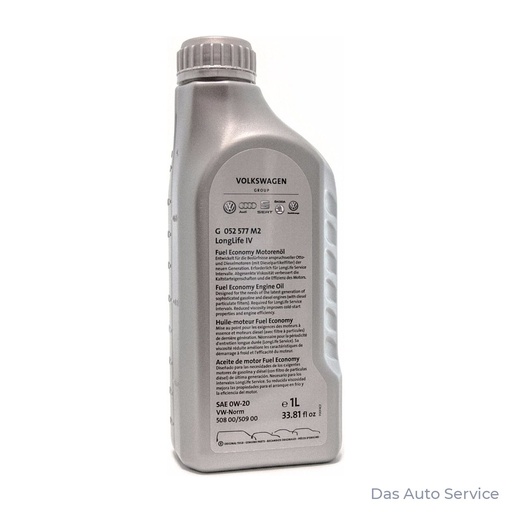
Genuine LongLife IV 0W20 engine oil G S60577M2 1l
Genuine LongLife IV 0W-20 engine oil meeting VW 508 00 – only for engines where this specification is listed in the service book.
View in our shop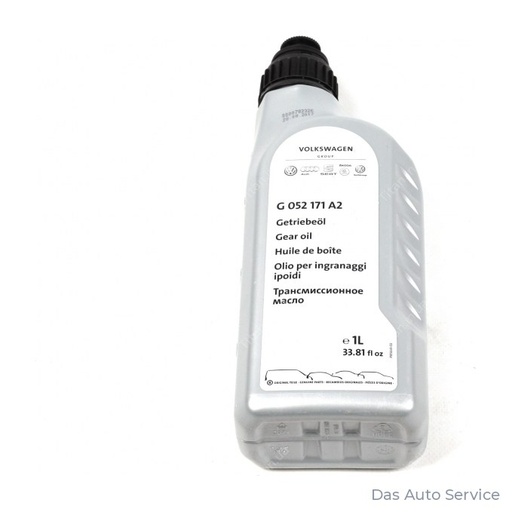
Genuine manual gearbox oil G052171A2 1l
Genuine G 052 171 gearbox oil – for the mechanical part of the DQ200 on DSG-equipped models.
View in our shop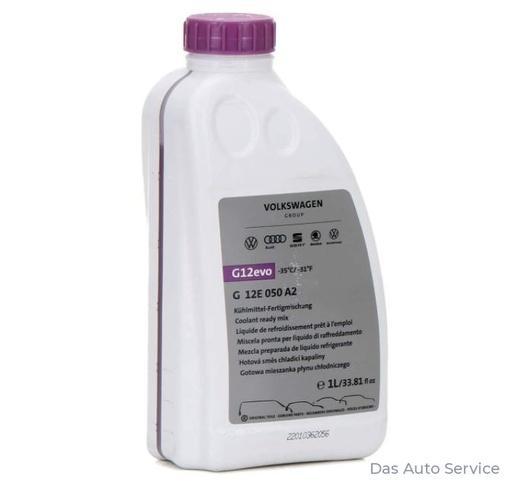
Genuine VAG G12Evo coolant G12E050A2 1.0l
Genuine G12evo coolant – change it every third heating season.
View in our shop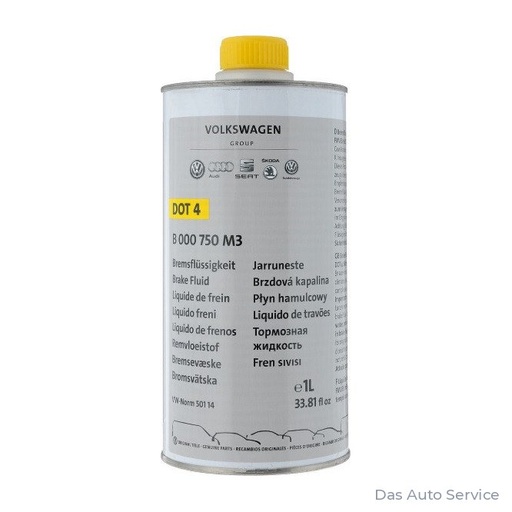
Genuine VAG DOT 4 brake fluid B000750M3 1l
Genuine DOT 4 brake fluid – change it every 2 years.
View in our shopRead more
- Routine servicing
- Gearbox servicing
- 1.5 TSI (EA211 evo): why does it jerk when pulling away from cold?
- DSG DQ200 with dry clutches: why does the gearbox kick and judder?
- Škoda Karoq 1.5 TSI service schedule
- What should I know if my car has Haldex Gen5?!
- Brake fluid in VAG cars – does it need changing, and when?!
Frequently asked questions
What engine oil does the VW T-Roc 1.5 TSI need?
VW 504 00 (5W-30) or VW 508 00 (0W-20), depending on the engine code and year. You'll find the correct specification in your service book. My advice is to change the engine oil and oil filter every 10,000 km or once a year, whichever comes first, regardless of the oil used.
Does the T-Roc 1.5 TSI have a timing belt or chain?
A timing belt. I recommend replacing it every 180,000 km or 5 years, whichever comes first, using a genuine timing belt kit with rollers, tensioner and water pump.
Why does the T-Roc 1.5 TSI hesitate when cold?
On early cars, the most common cause is the software controlling the engine while it warms up. That's why we check the software version with a diagnostic tester first, rather than replacing parts blindly.
When should you change the spark plugs on the T-Roc 1.5 TSI?
Every 60,000 km or 4 years, whichever comes first. Don't wait until the engine starts misfiring or the check engine light comes on.