Electrical Fault Diagnosis and Module Repairs
Electrical problems are the kind of thing that can drive you mad – something works today, stops working tomorrow, and the cause isn't always obvious. For us, however, locating and repairing electrical faults and modules is child's play. Just tell us what your car is doing and what's concerning you. We'll solve the problem.
Why isn't reading fault codes enough to fix electrical problems?
Modern Audi, Volkswagen, Škoda, SEAT, Porsche, Bentley and Lamborghini vehicles rely on numerous electronic control modules that constantly exchange information. Sometimes a module works but doesn't communicate properly with the others. In other cases, the problem lies in the software, missing parameters or incorrect coding. That's why reading fault codes is only the starting point. We need to understand what's causing them before deciding whether a component needs replacing at all.
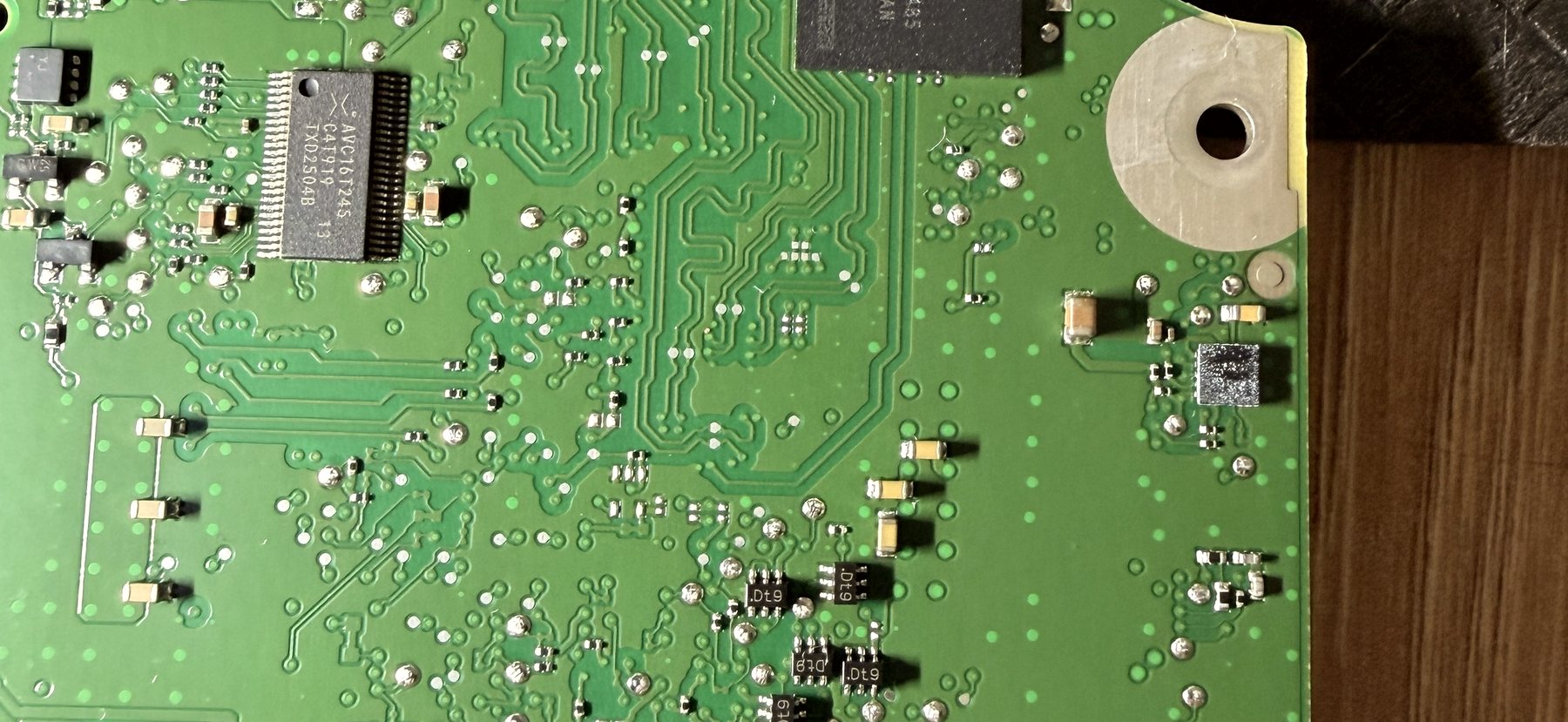
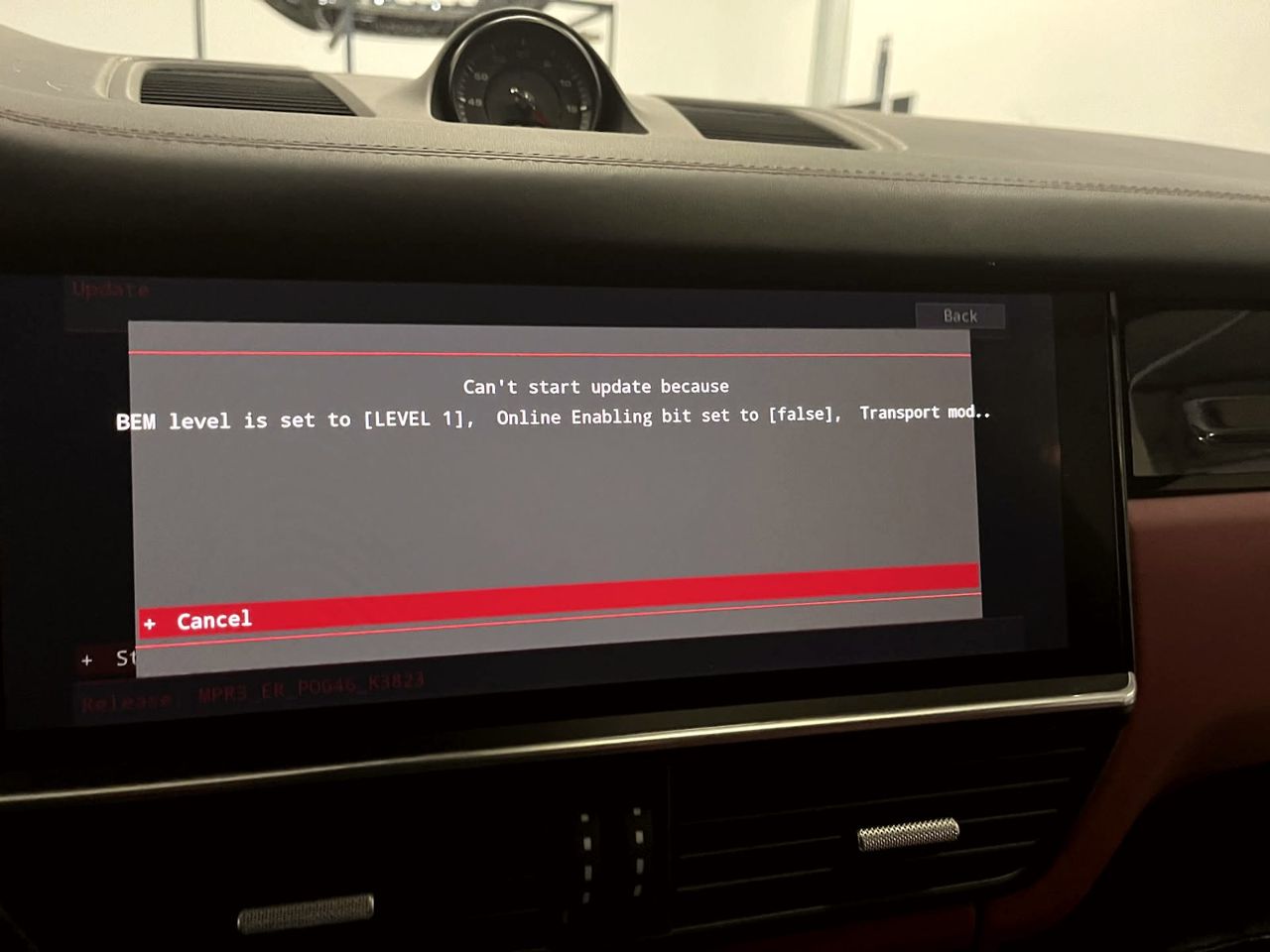
At Das Auto Service, we use genuine diagnostic tools, manufacturer online services and specialist software. This is particularly important on newer vehicle platforms. Even after replacing a single module, programming, parameterisation, Component Protection removal and calibration may be necessary. Without these procedures, a perfectly good replacement component may still fail to operate.
Getting an SOS warning? Don't rush to replace the module
Newer Volkswagen models built on the MQB platform frequently display the warning “SOS: Emergency call function faulty”. The button lights up red, warning messages appear, and communication with the OCU module may be lost. Possible causes include a faulty module, a conflict with the infotainment system, an incorrect checksum (a value used to verify software data) or even interference from 5G networks.
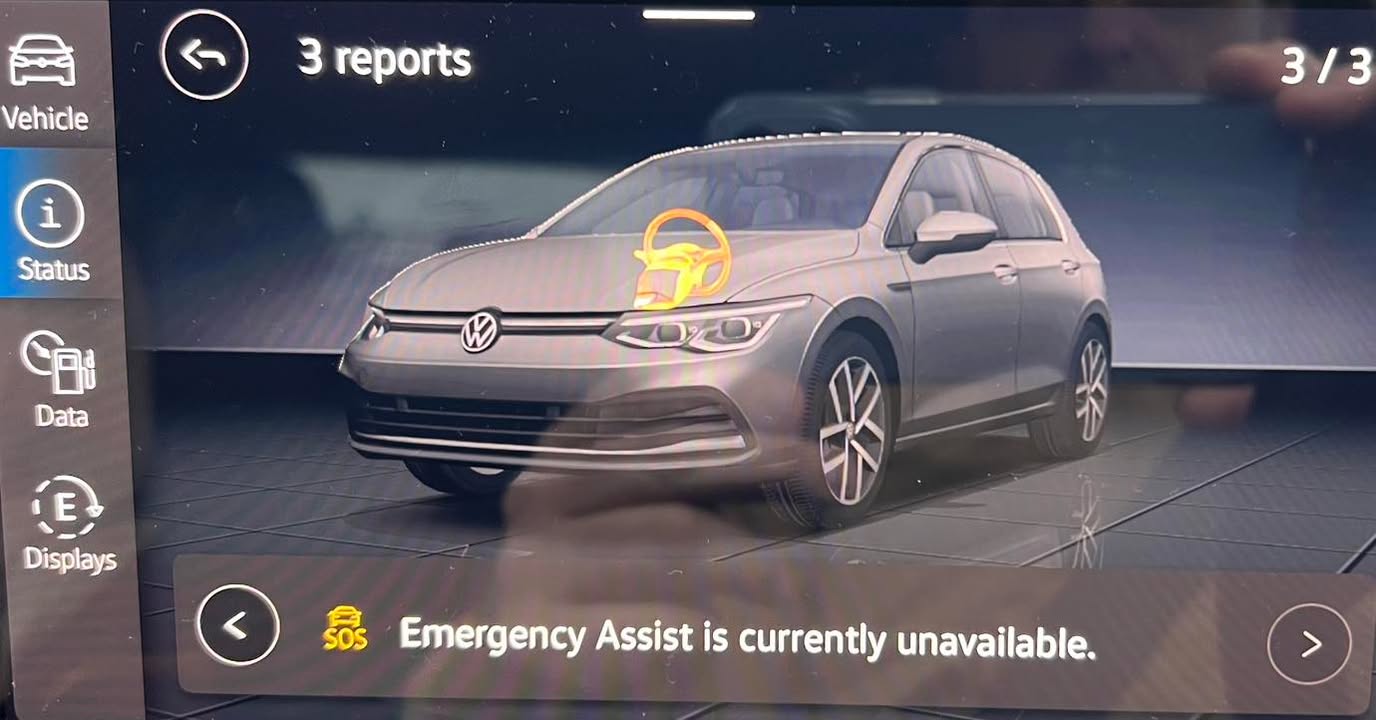
We've resolved this type of fault by recalculating the checksum, updating the firmware and synchronising the infotainment system with the SOS module. SOS system problems also occur on the Audi A4, A5, A6, A7, A8, Q7 and Q8. In these vehicles, the solution is often to reflash the firmware using specialist equipment, with the module removed from the car. Not every SOS warning means you need a new module.
What happens after an electronic module is replaced?
Take the Lane Change Assist system on a Porsche. After replacing its control module, Component Protection may remain active, restricting its operation. The protection then needs to be removed online, followed by programming, coding and calibration. Only then is the replacement procedure properly completed.
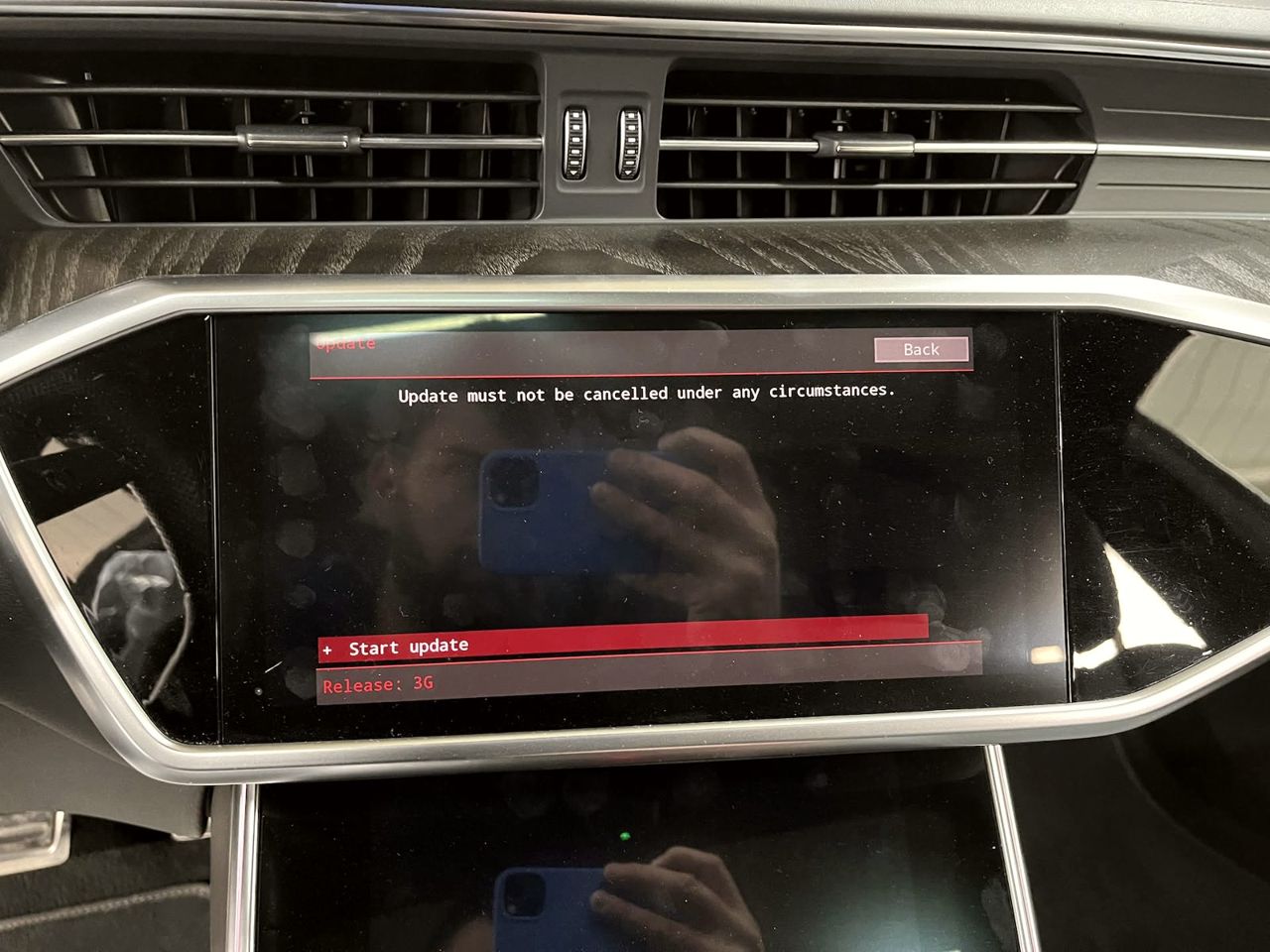
It's a similar story with Head-up displays on newer platforms. If the display itself fails, it cannot be repaired and must be replaced. The new unit needs online coding and parameterisation. If its software version isn't compatible with the central infotainment system, a central software update involving more than 25 modules may be required.
Can we recover a module instead of replacing it?
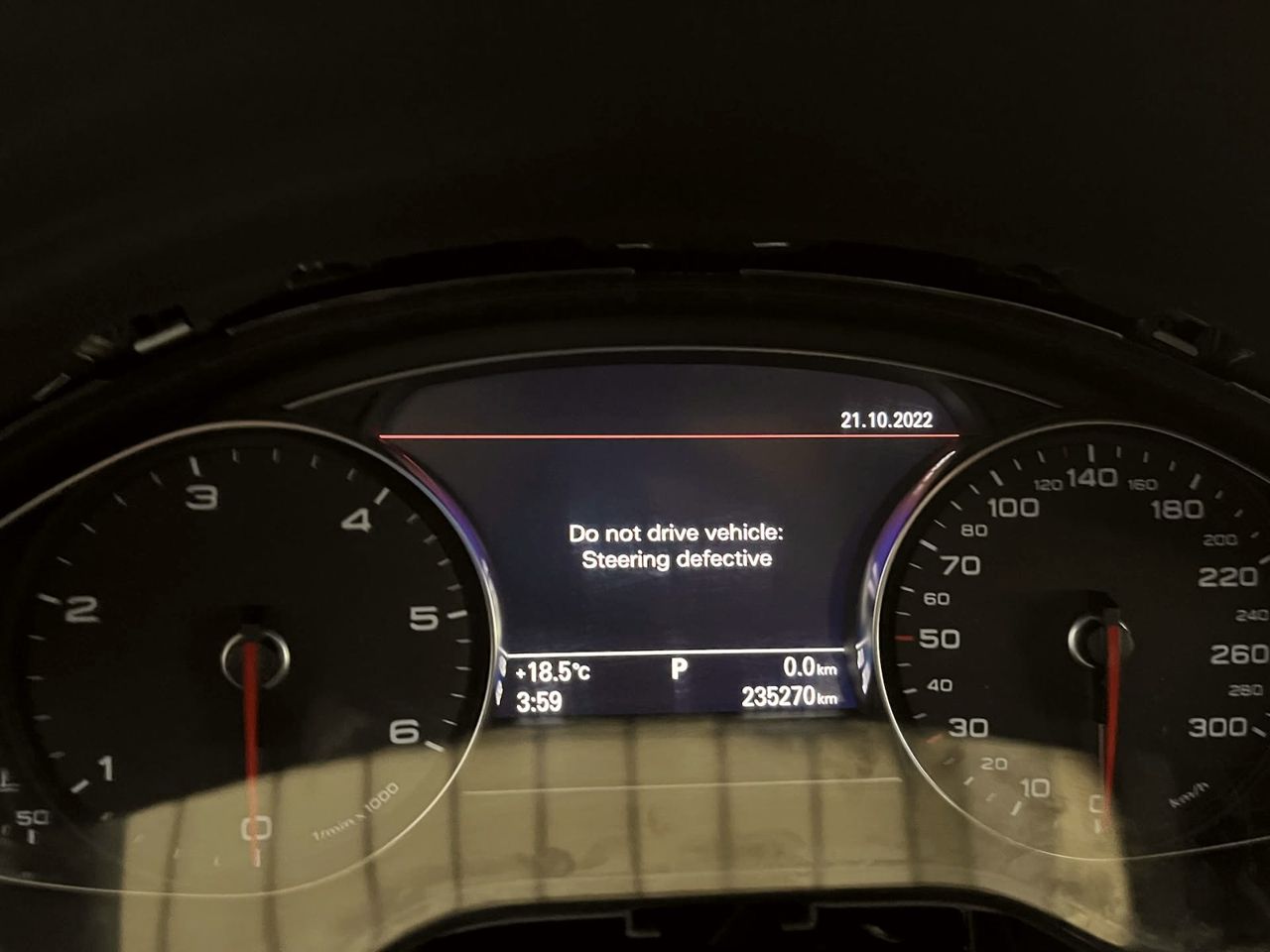
Sometimes, yes. On the VW Polo and related Audi, Škoda and SEAT models, the electric steering rack can become locked after an accident because crash data has been stored. The adaptive cruise control may also stop working, while parameter data may be missing from the ABS module. We've dealt with a case like this and restored the systems without replacing the steering rack.
Another example is the Audi SDIS1 rear-seat tablet, also used in Porsche, Bentley and Lamborghini vehicles. Its battery is sensitive to drops in the vehicle's electrical system voltage. Simply replacing the battery isn't enough because the BMS (Battery Management System) may remain locked. After replacement, the new battery pack must be adapted using ODIS. That's why we first establish exactly what's failed and which procedure is needed.
Advice from Kris Mladenov: If your car displays an SOS warning or a replacement module doesn't work, don't immediately buy another one. Check the software, coding and required online procedures first.
Gallery: Electrical Faults and Modules
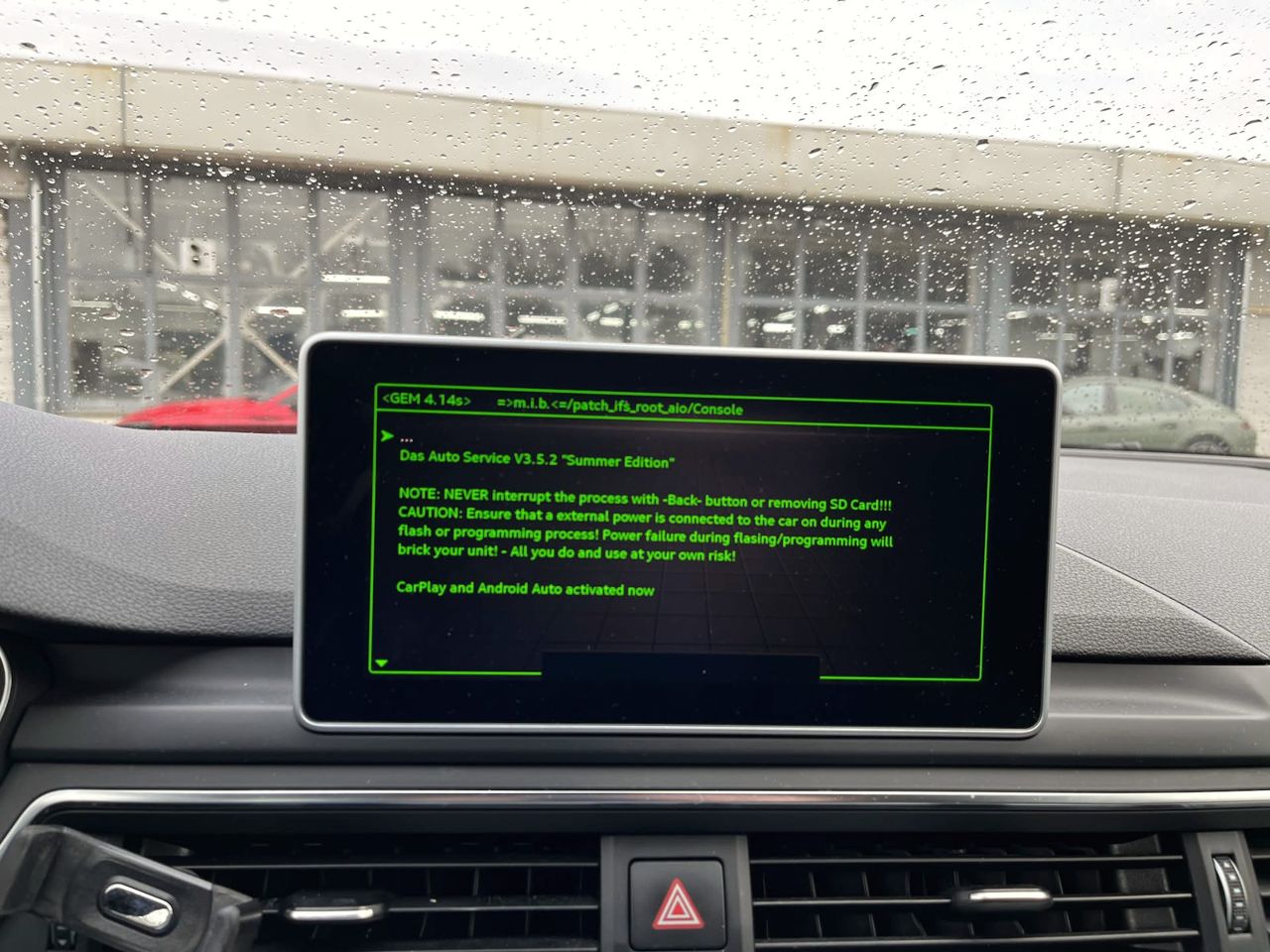
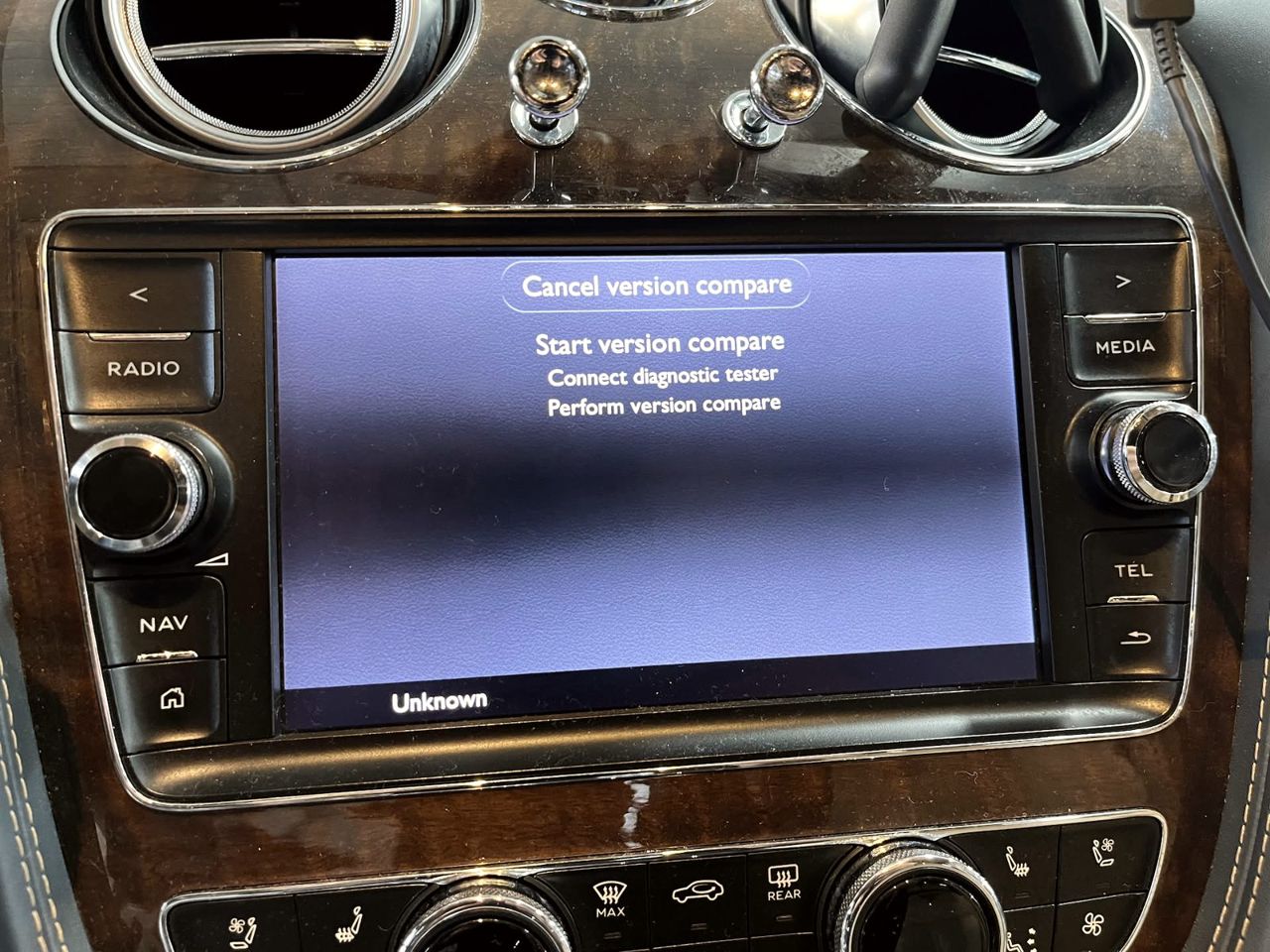
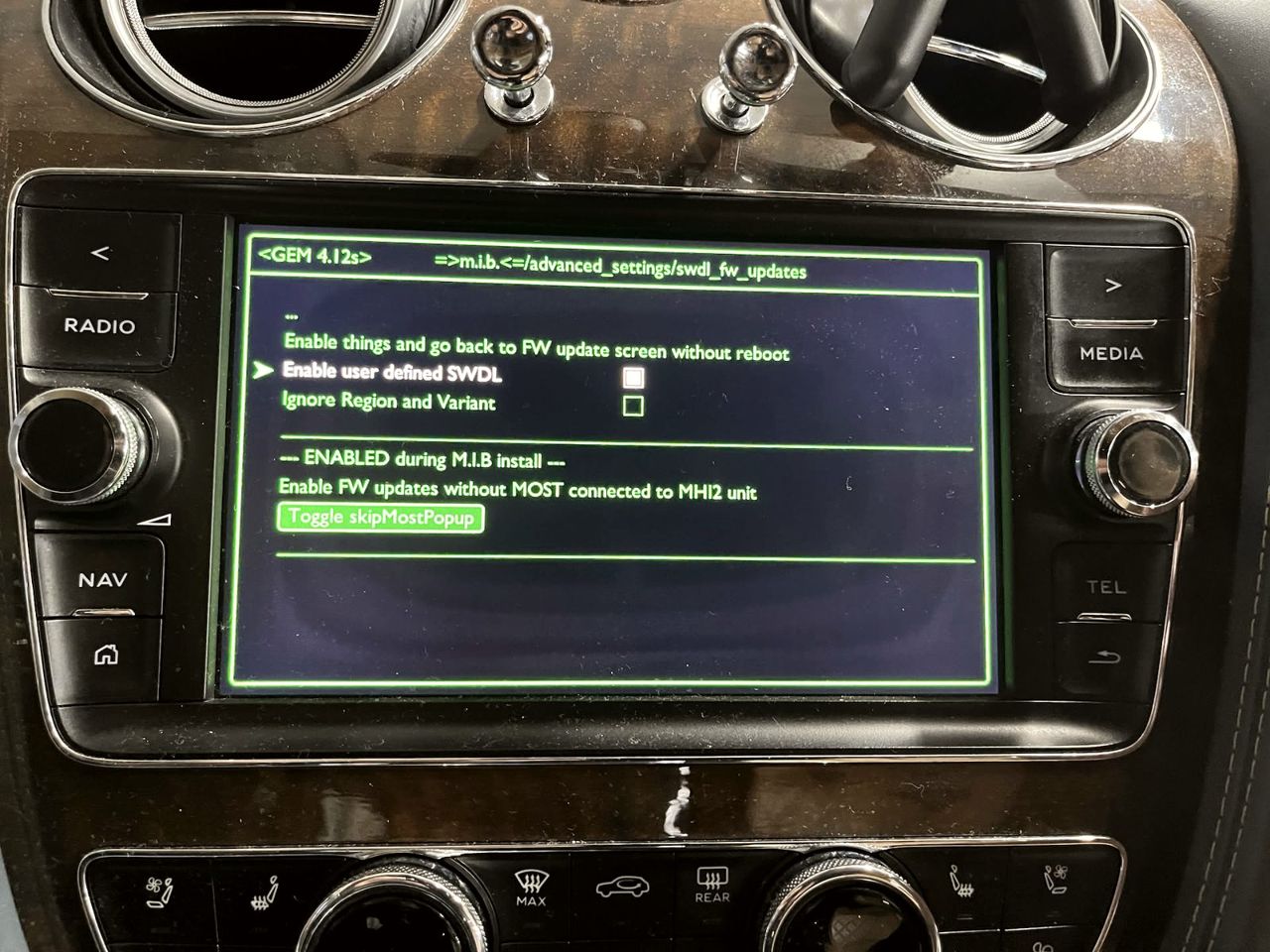
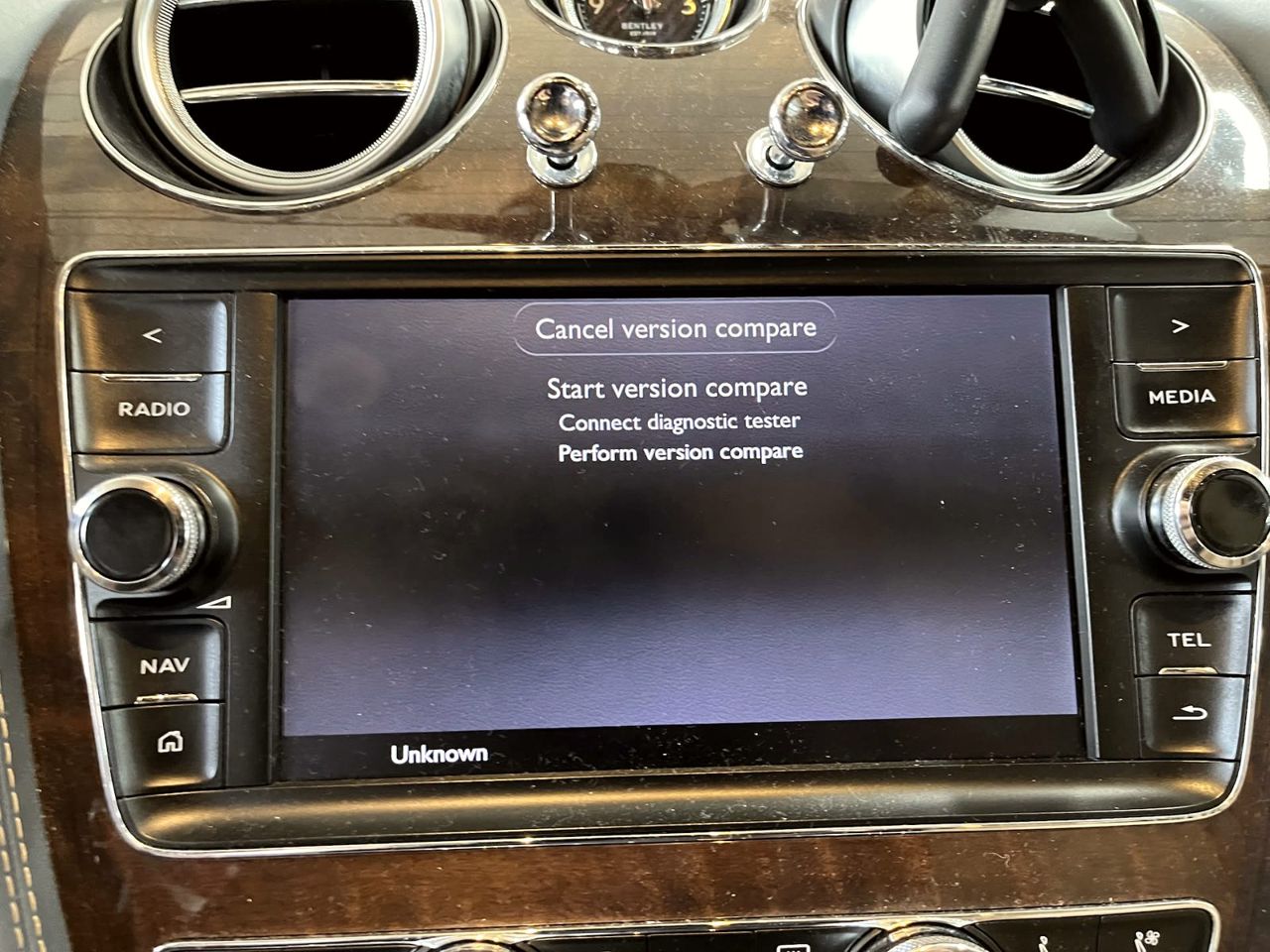
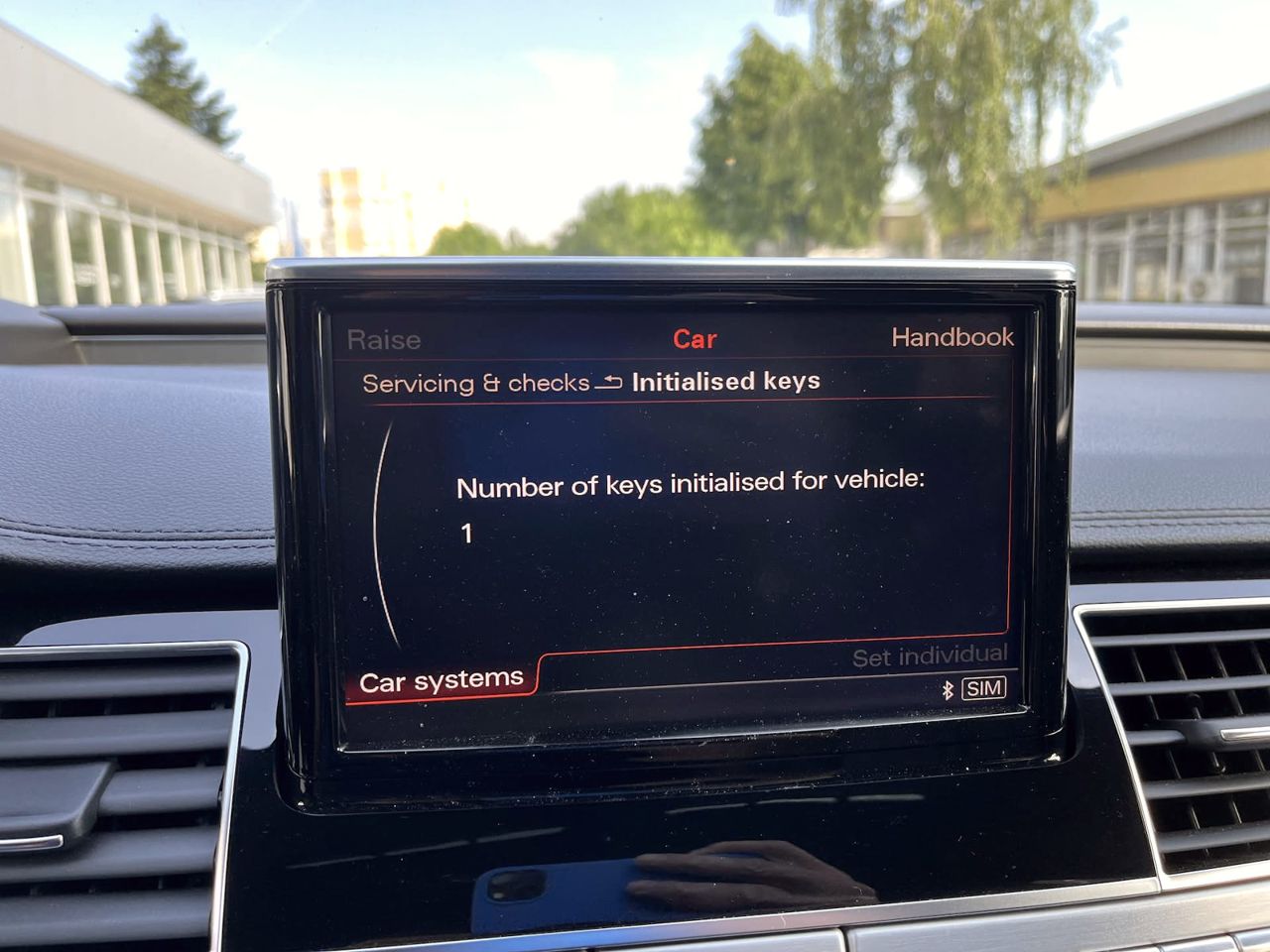
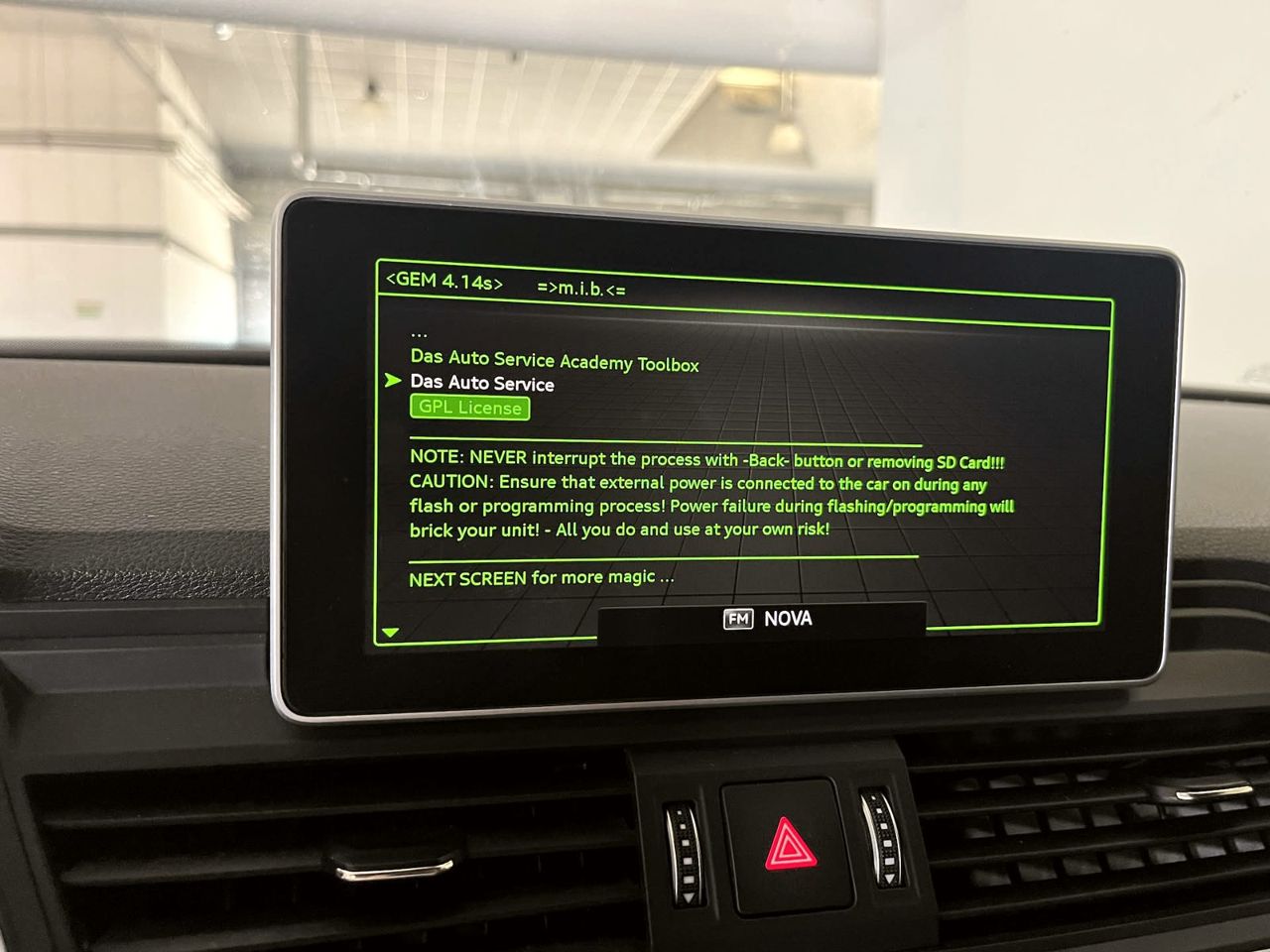
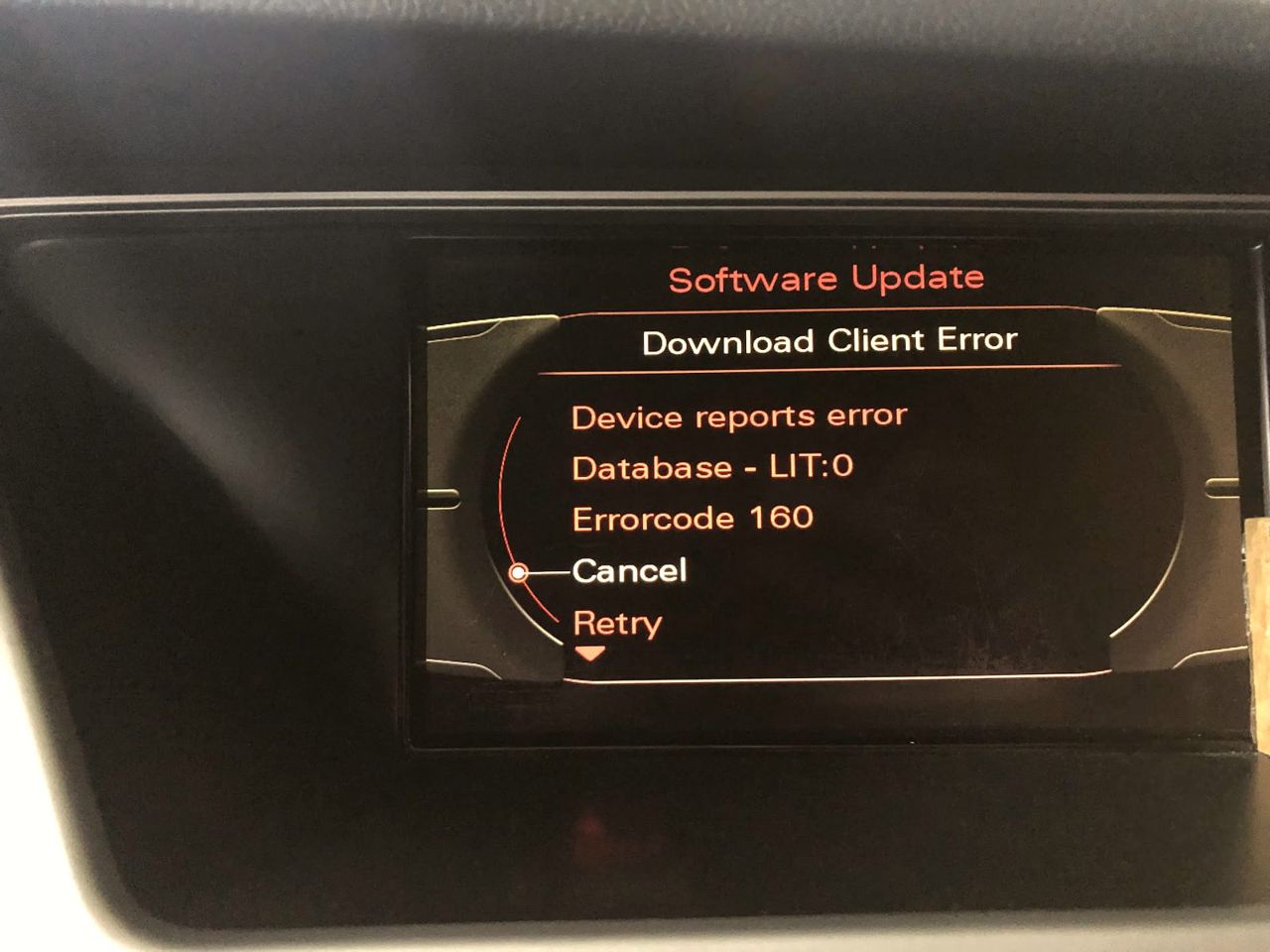
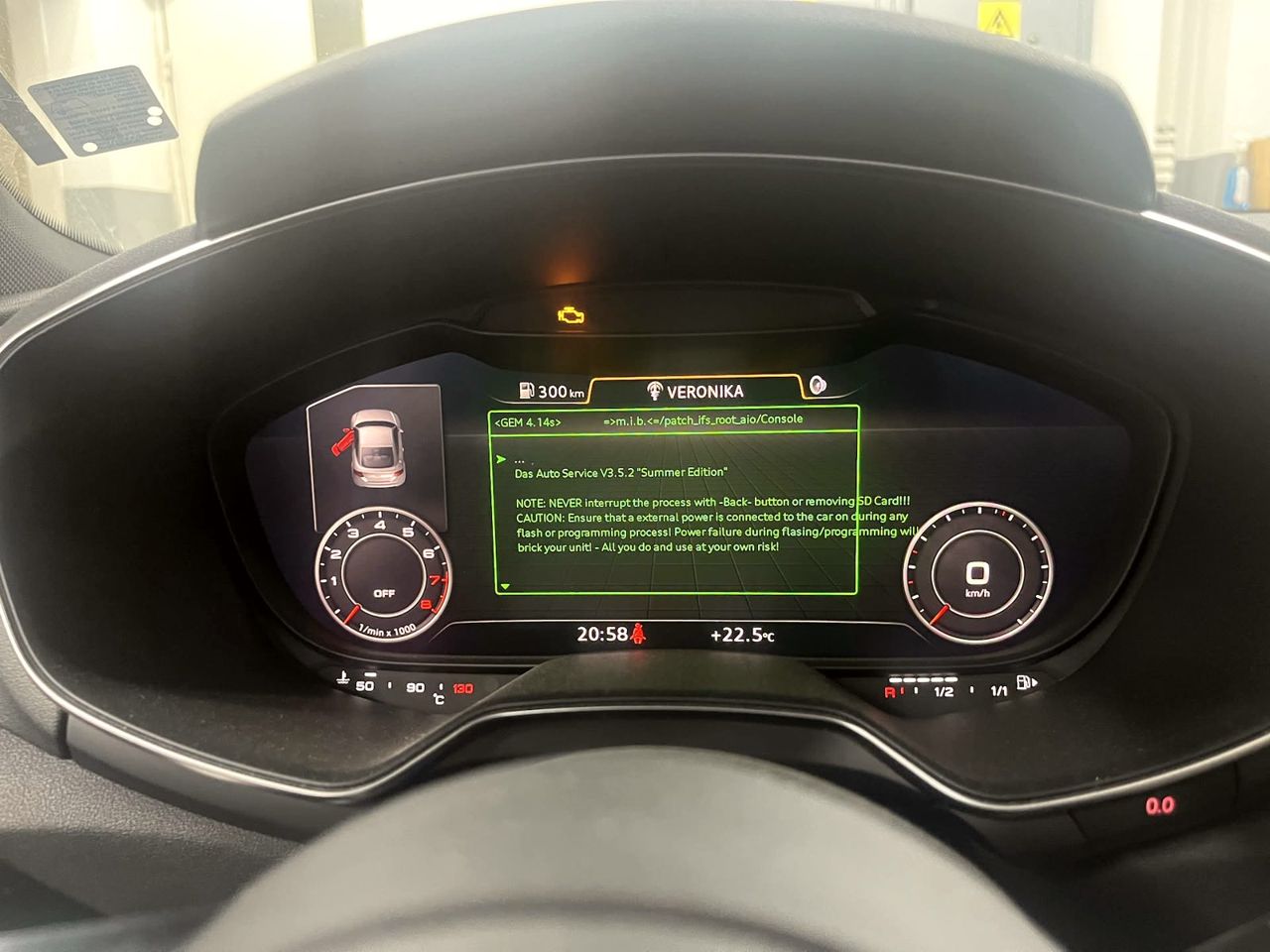
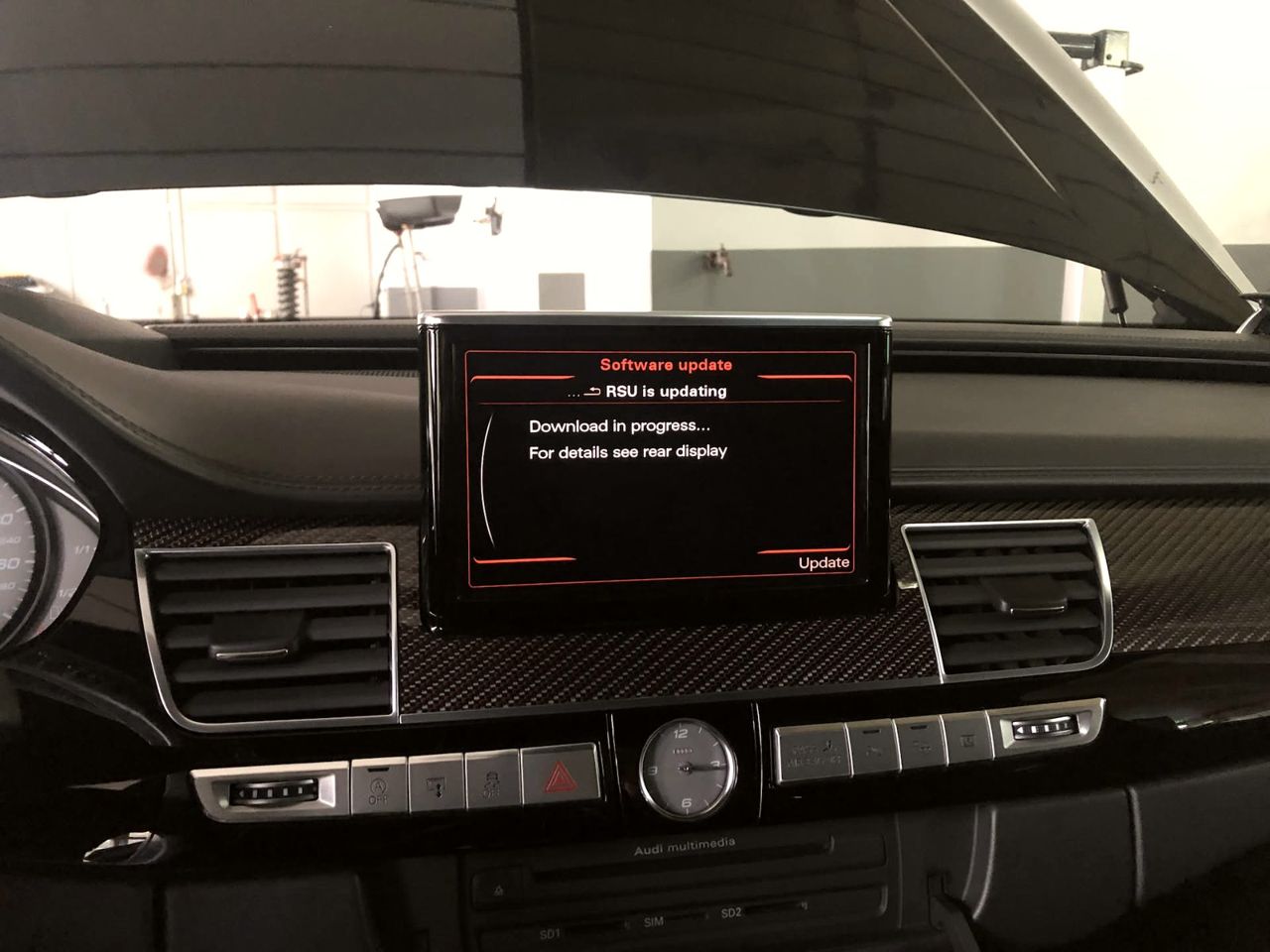
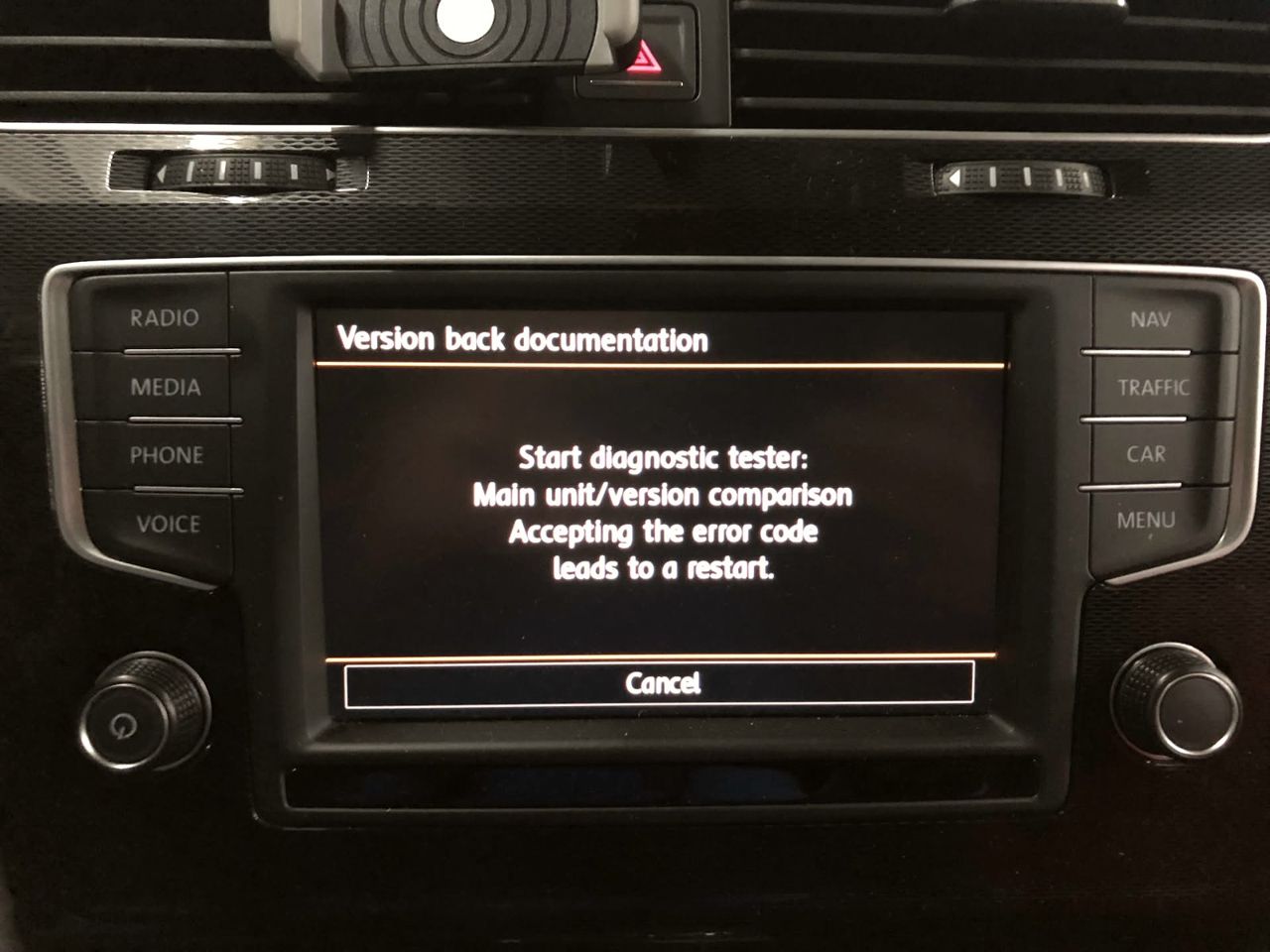
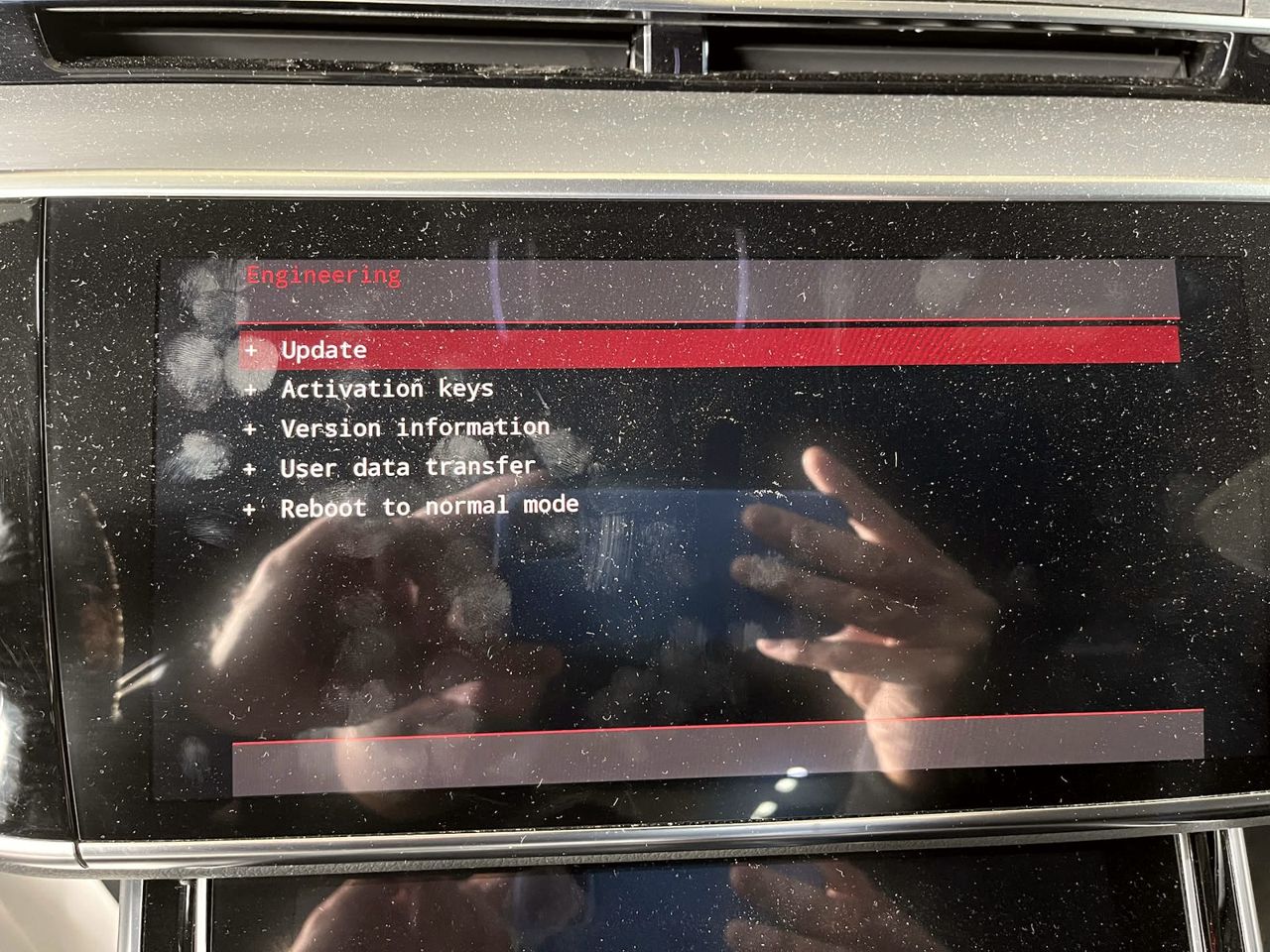
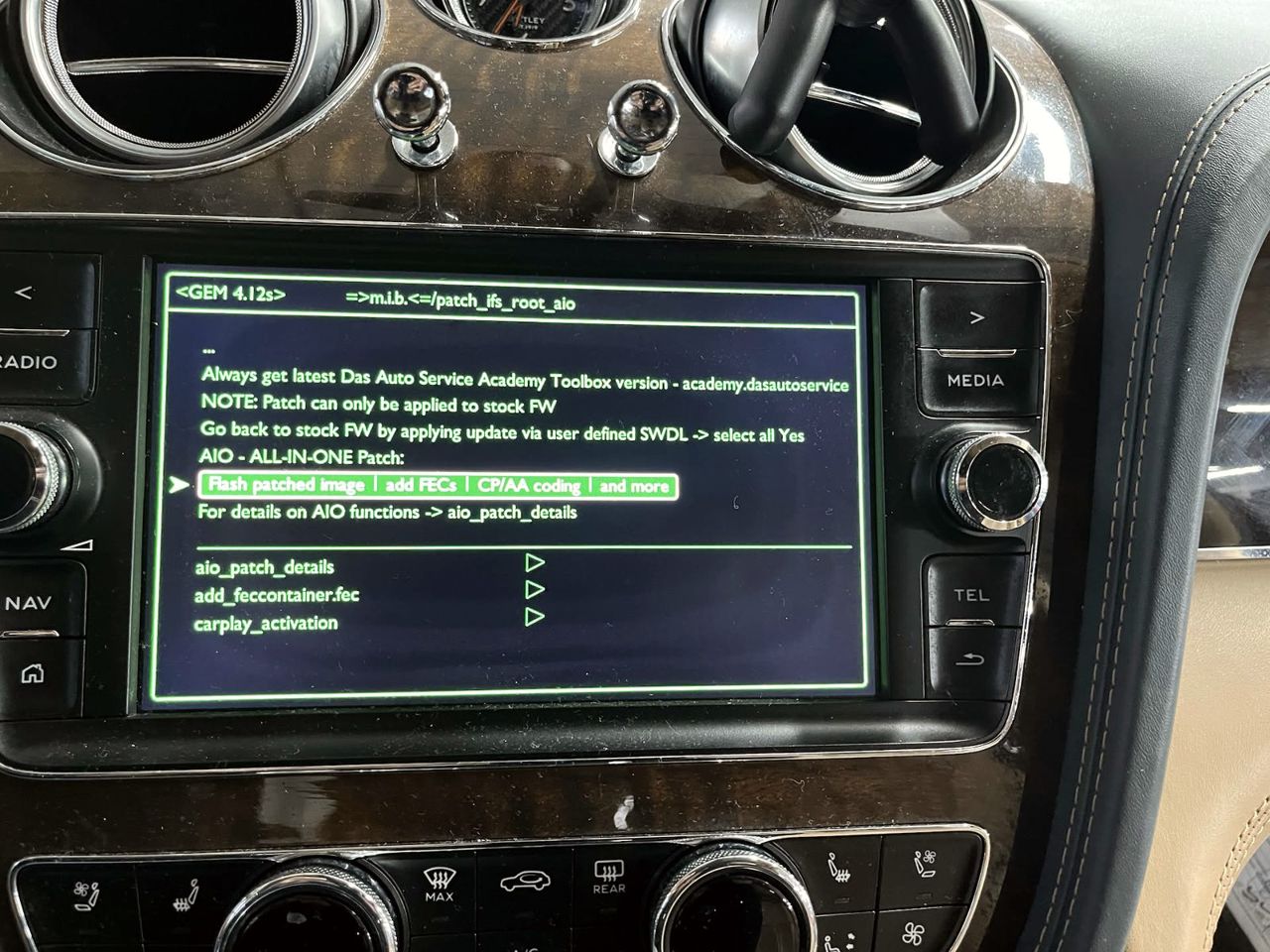
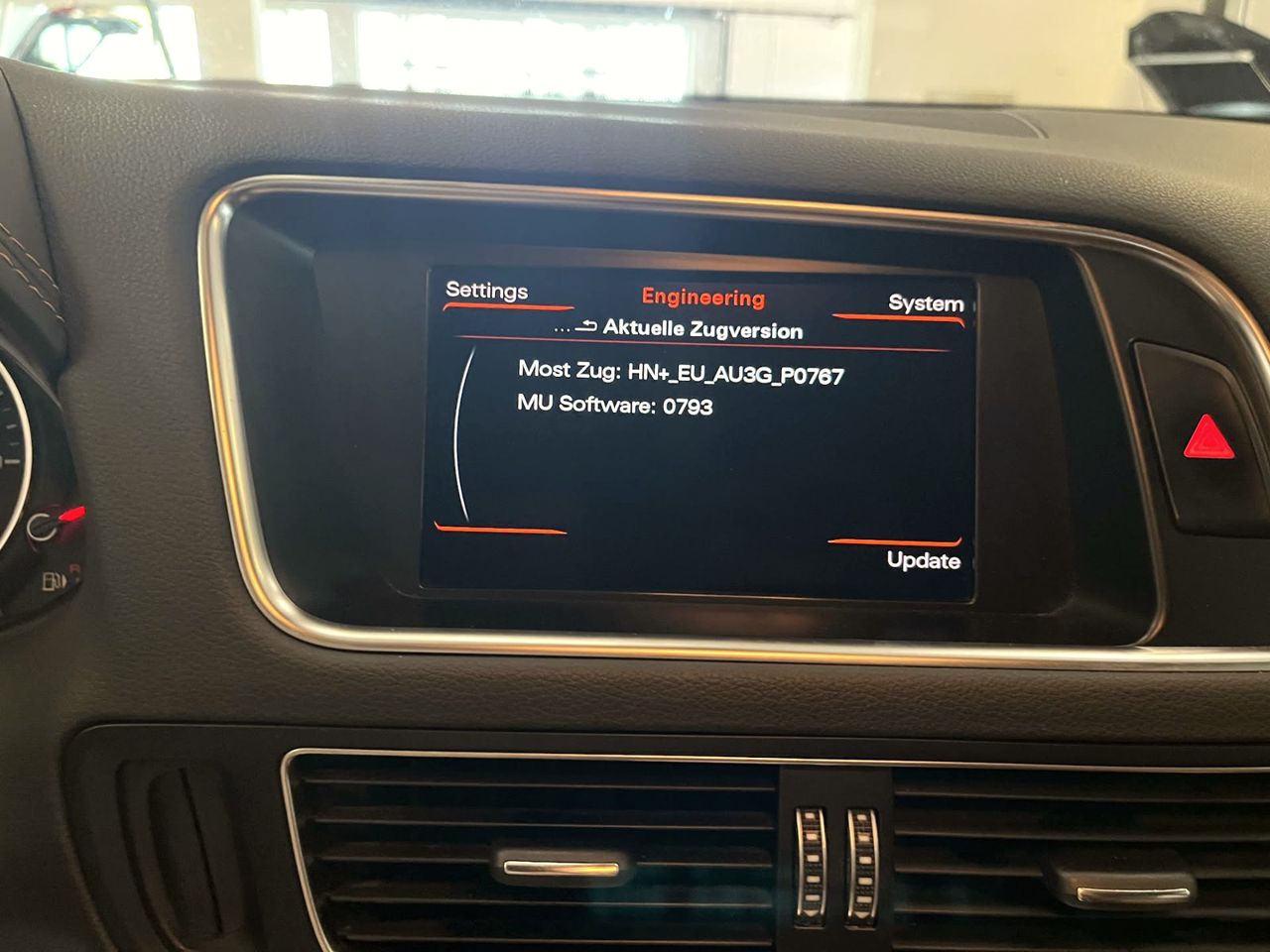
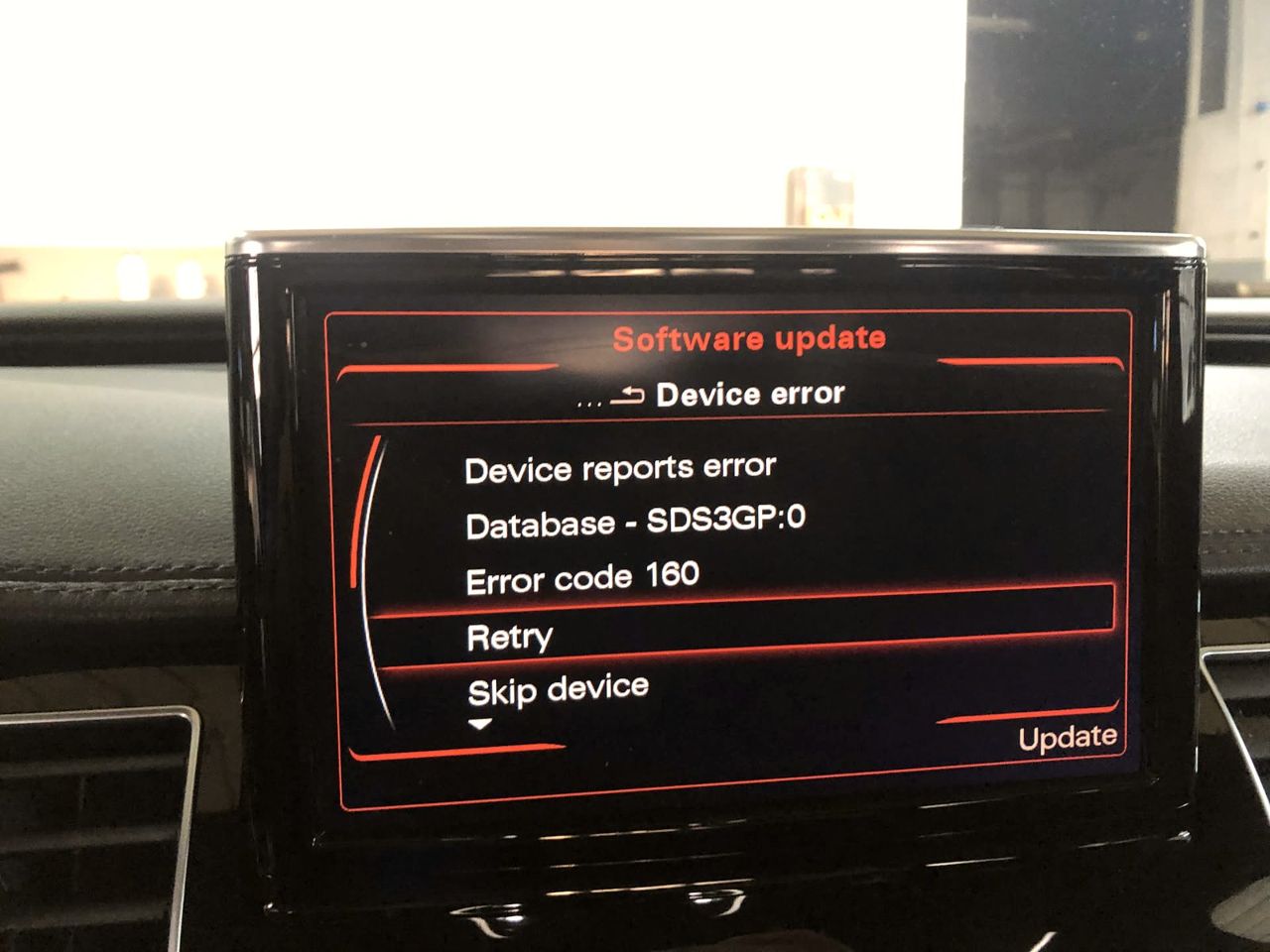
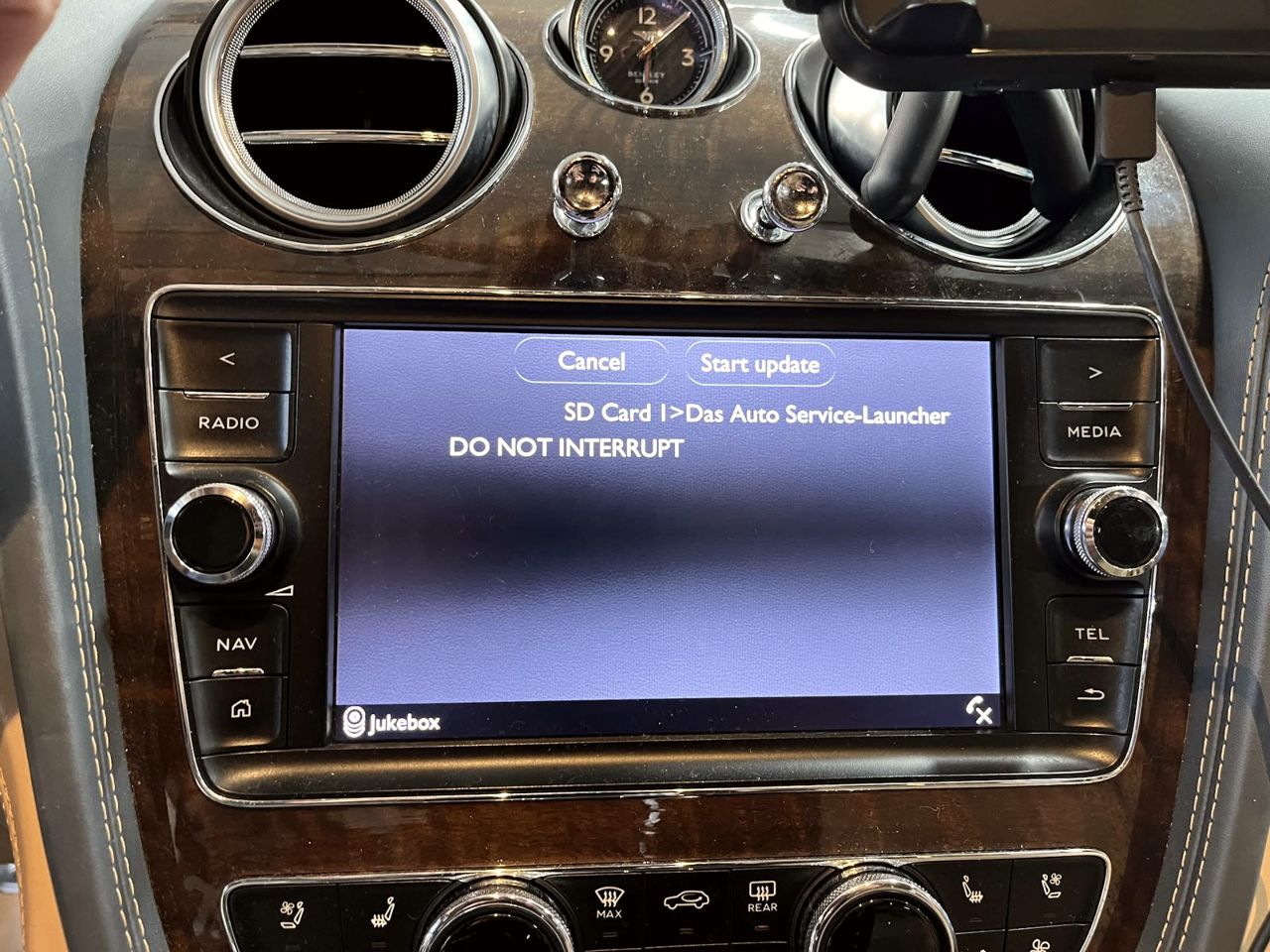
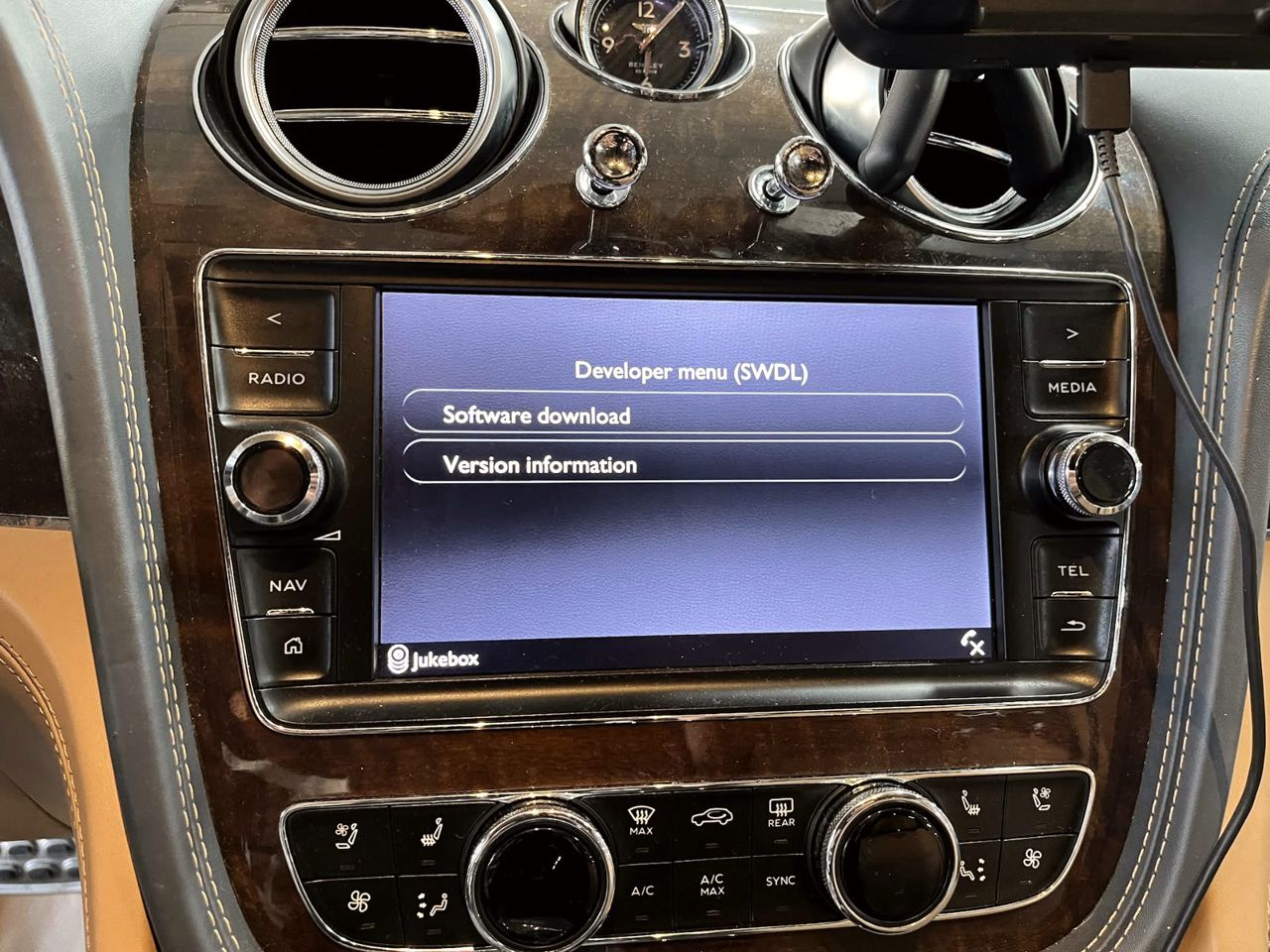
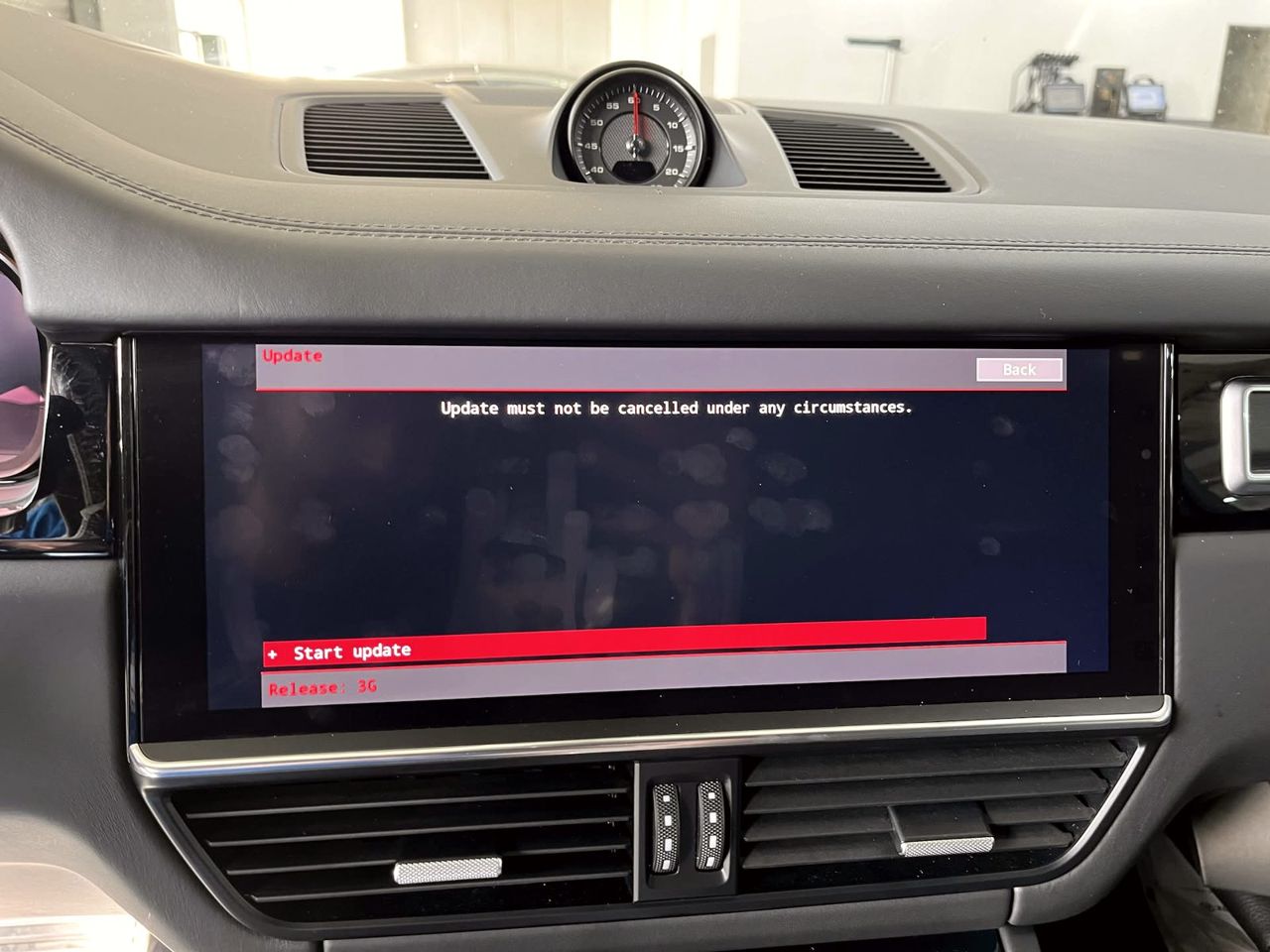
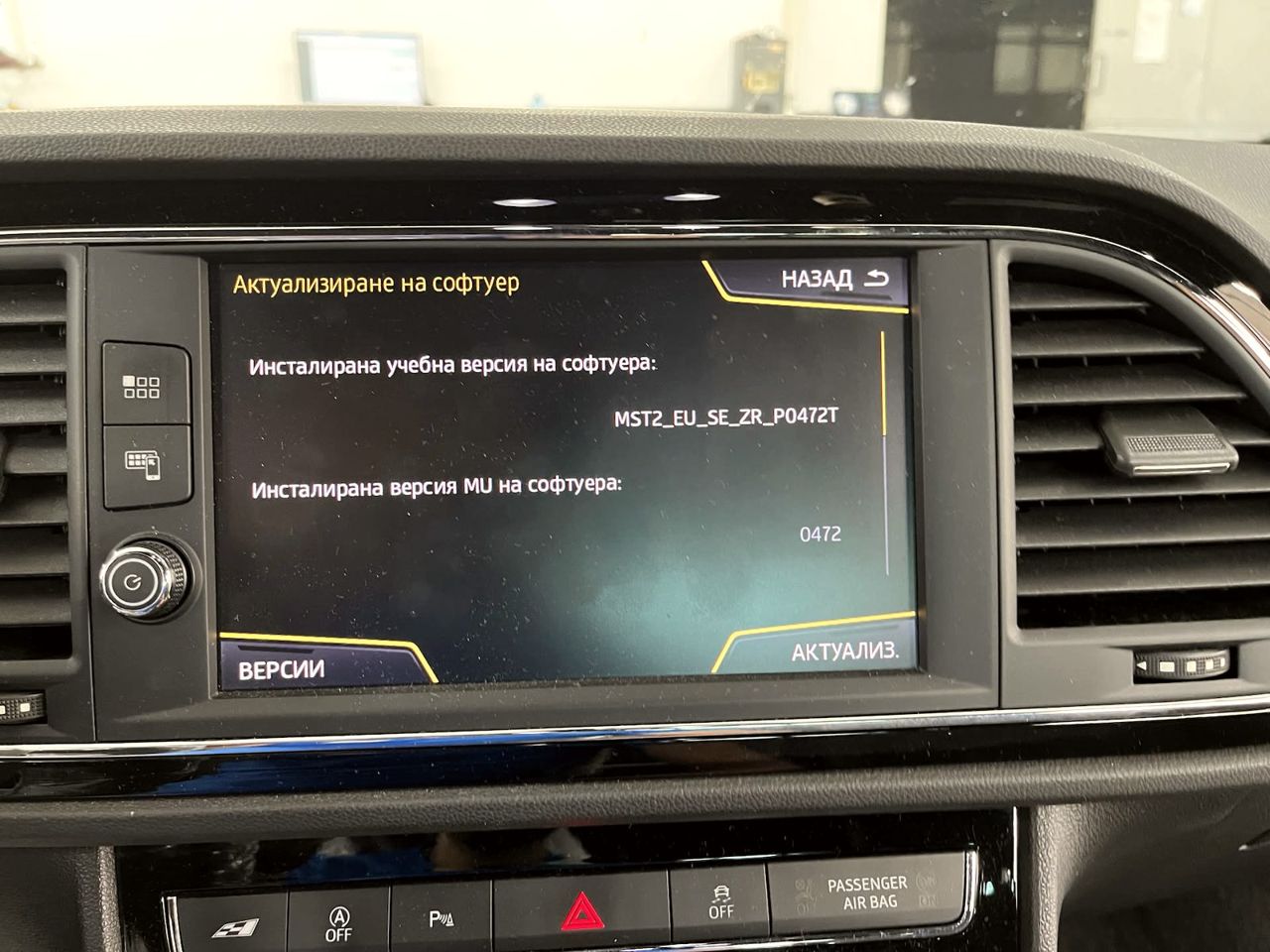
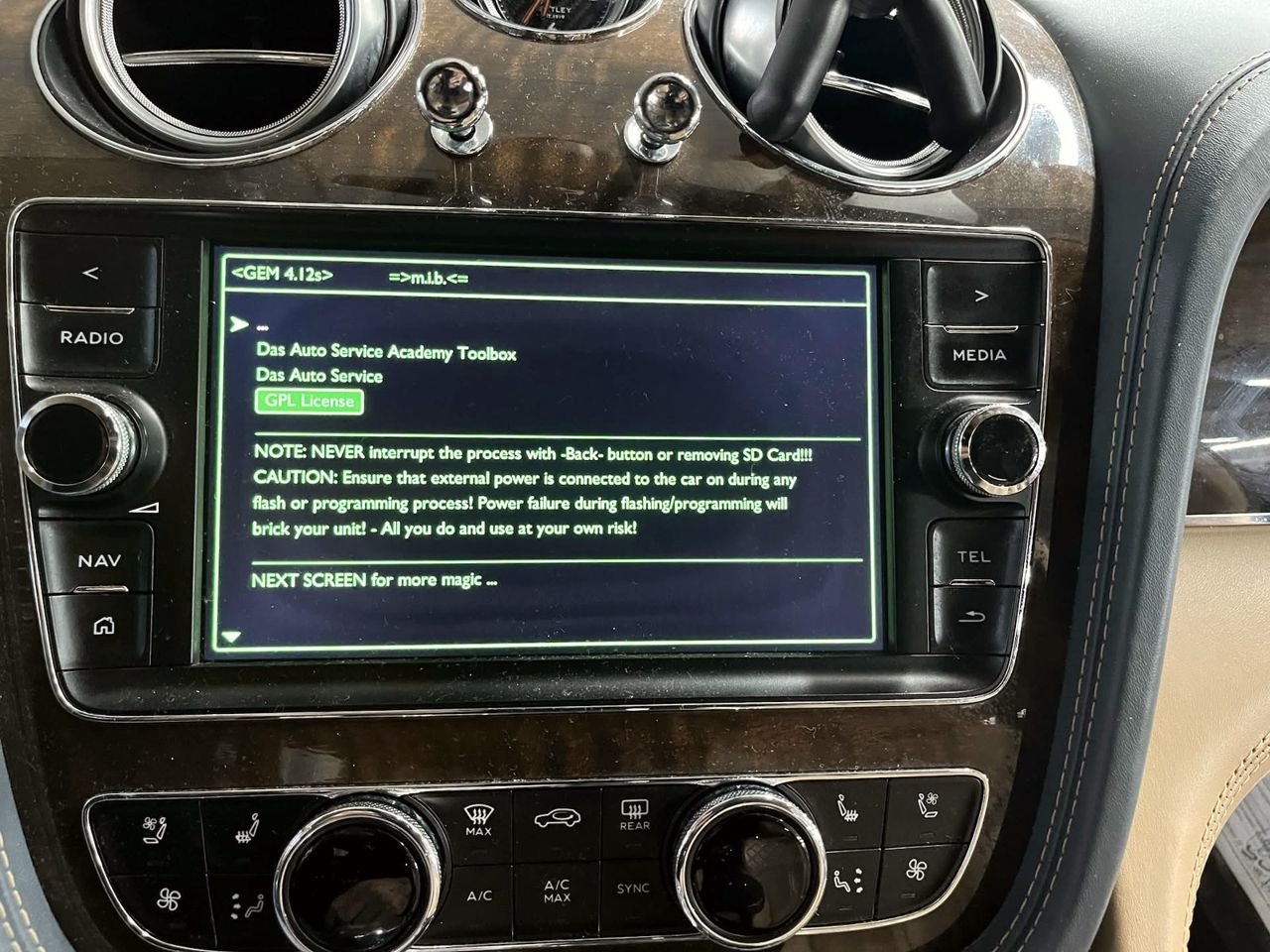
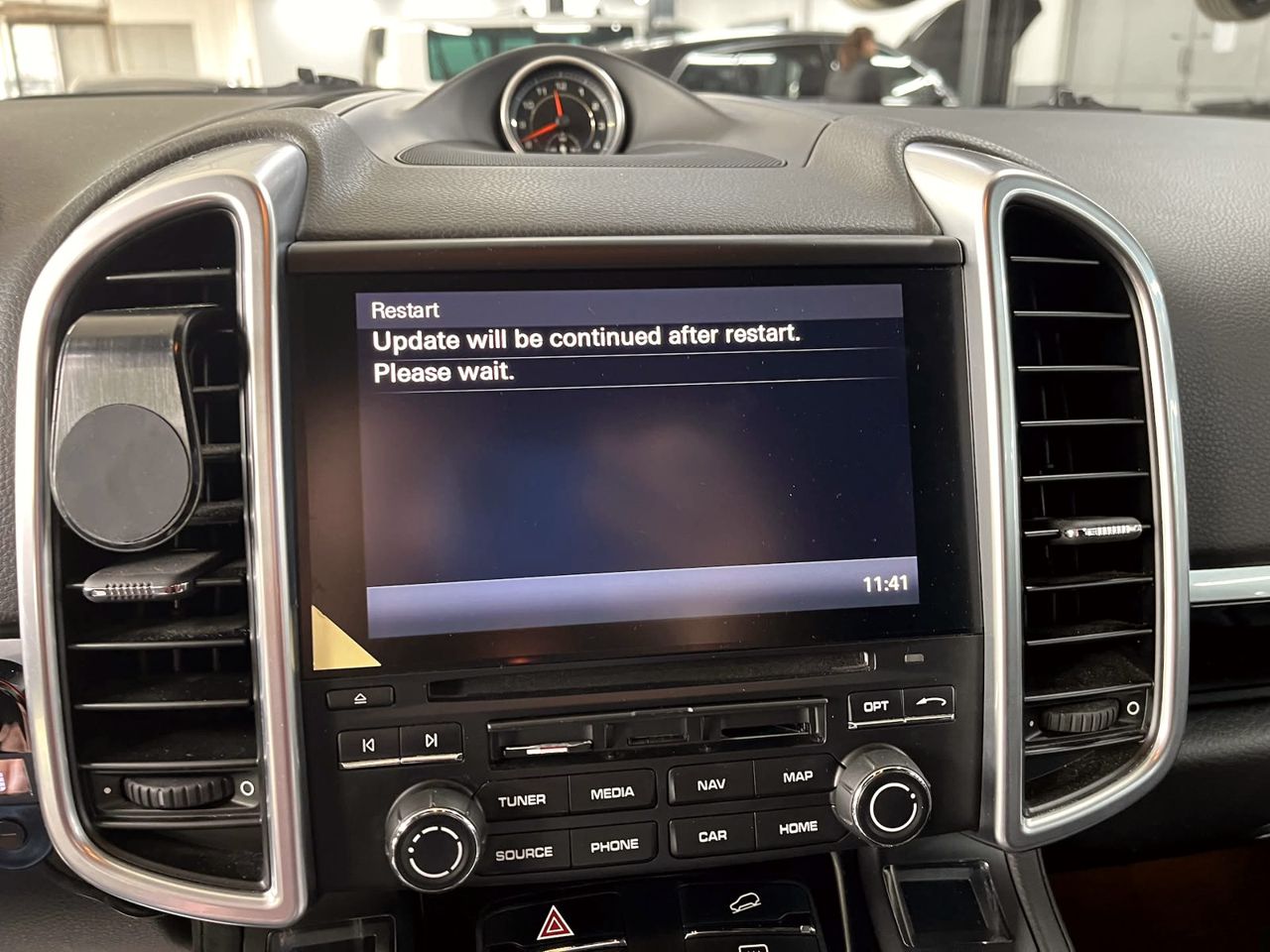
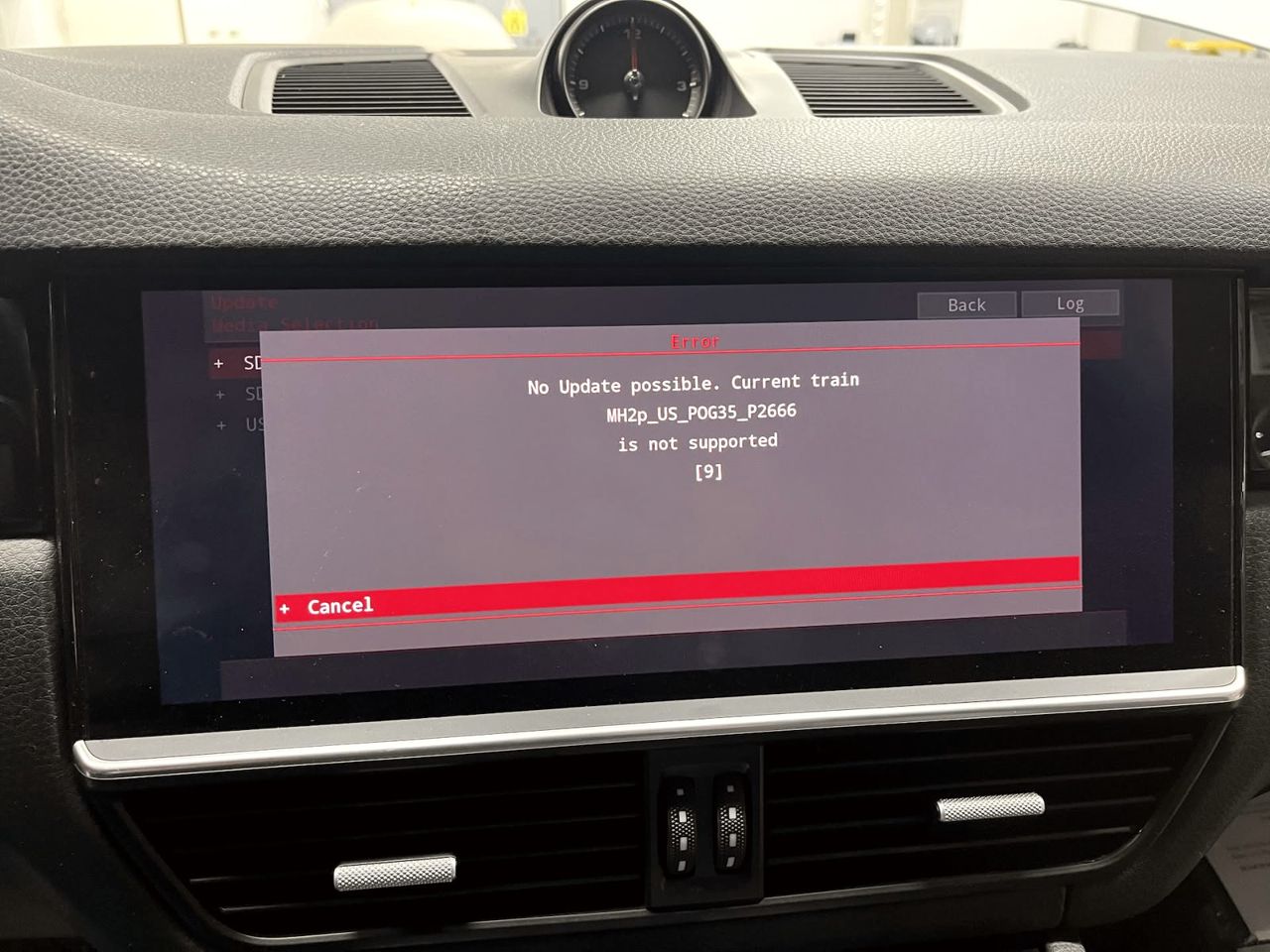
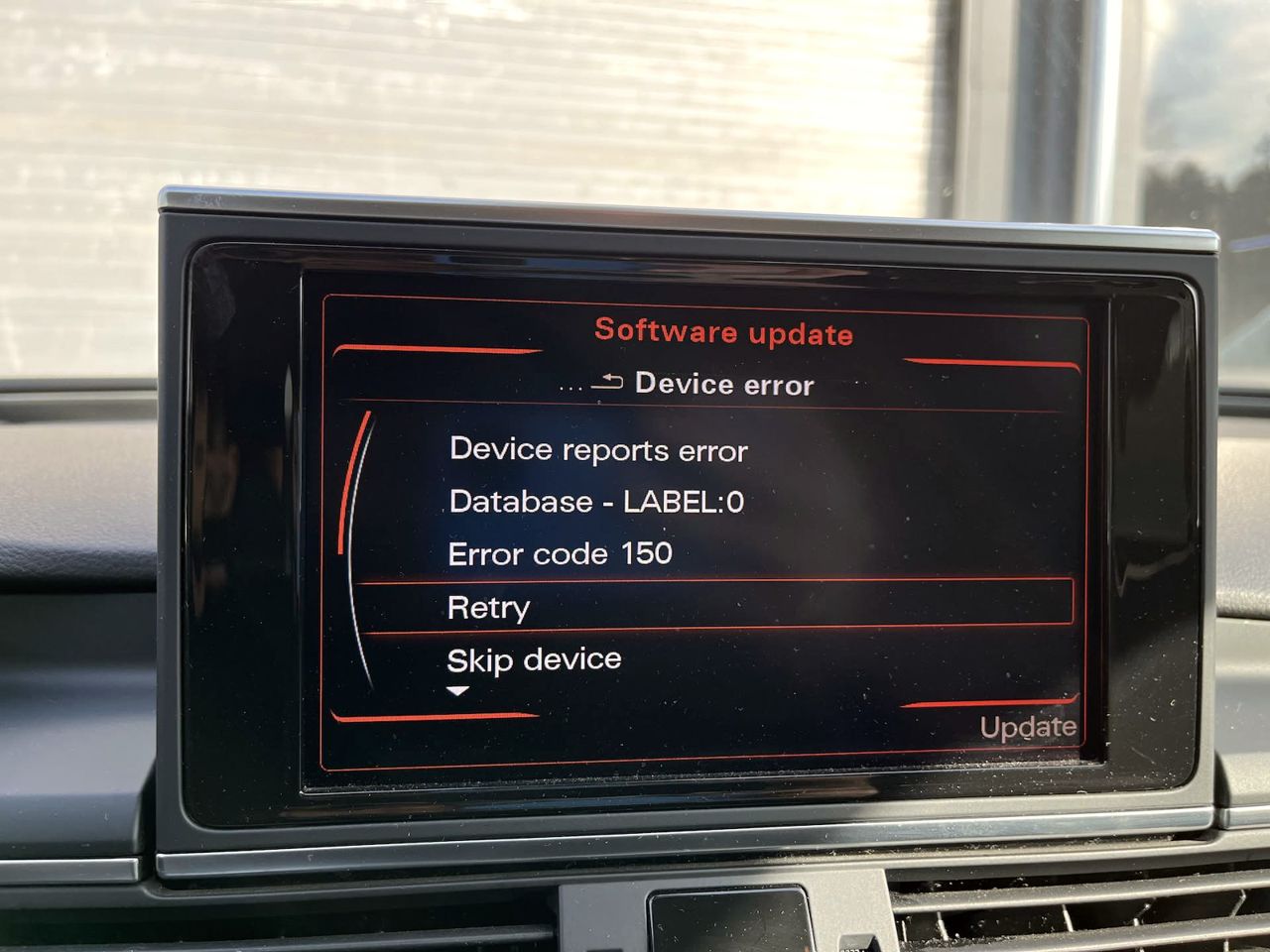
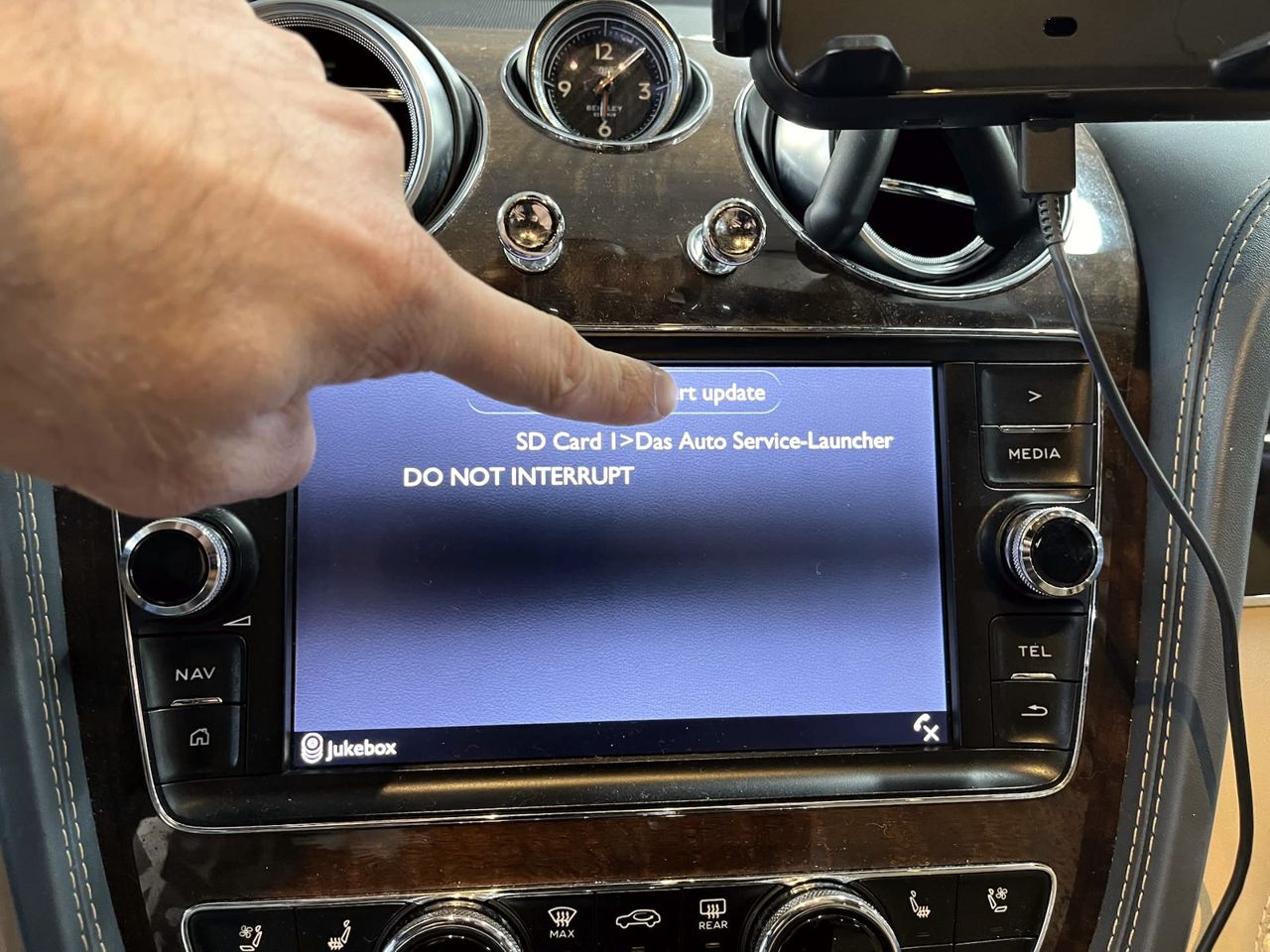
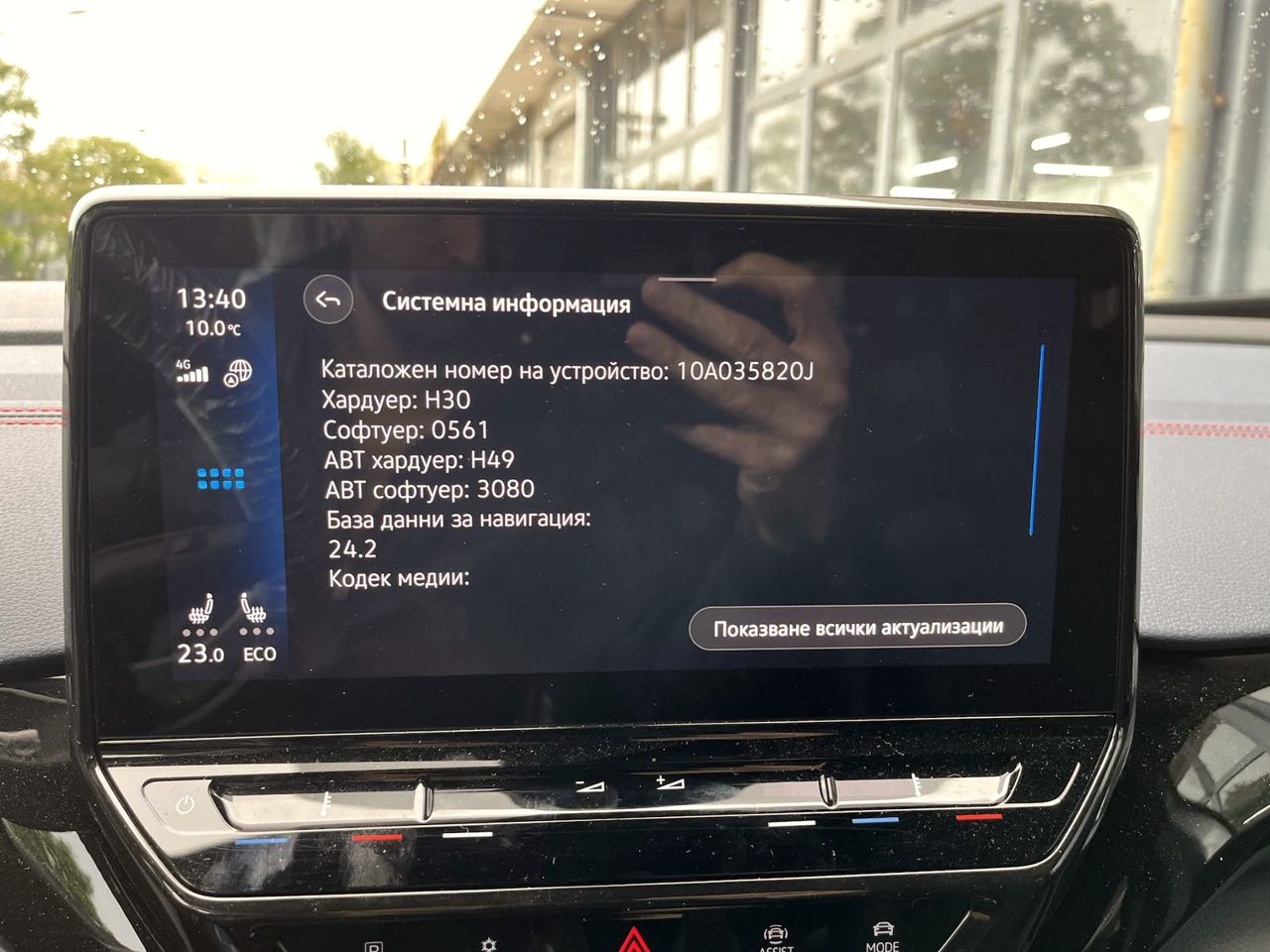
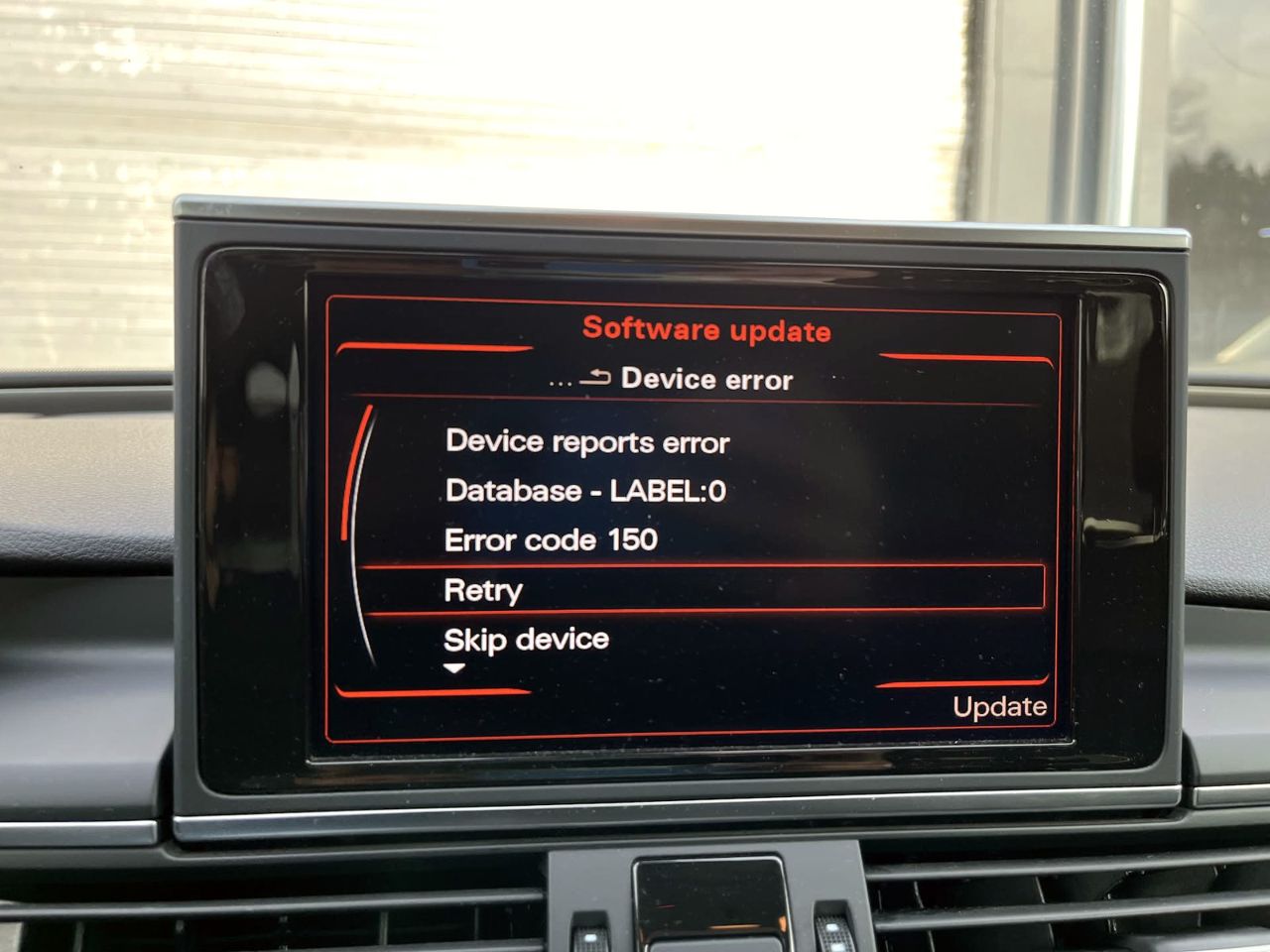
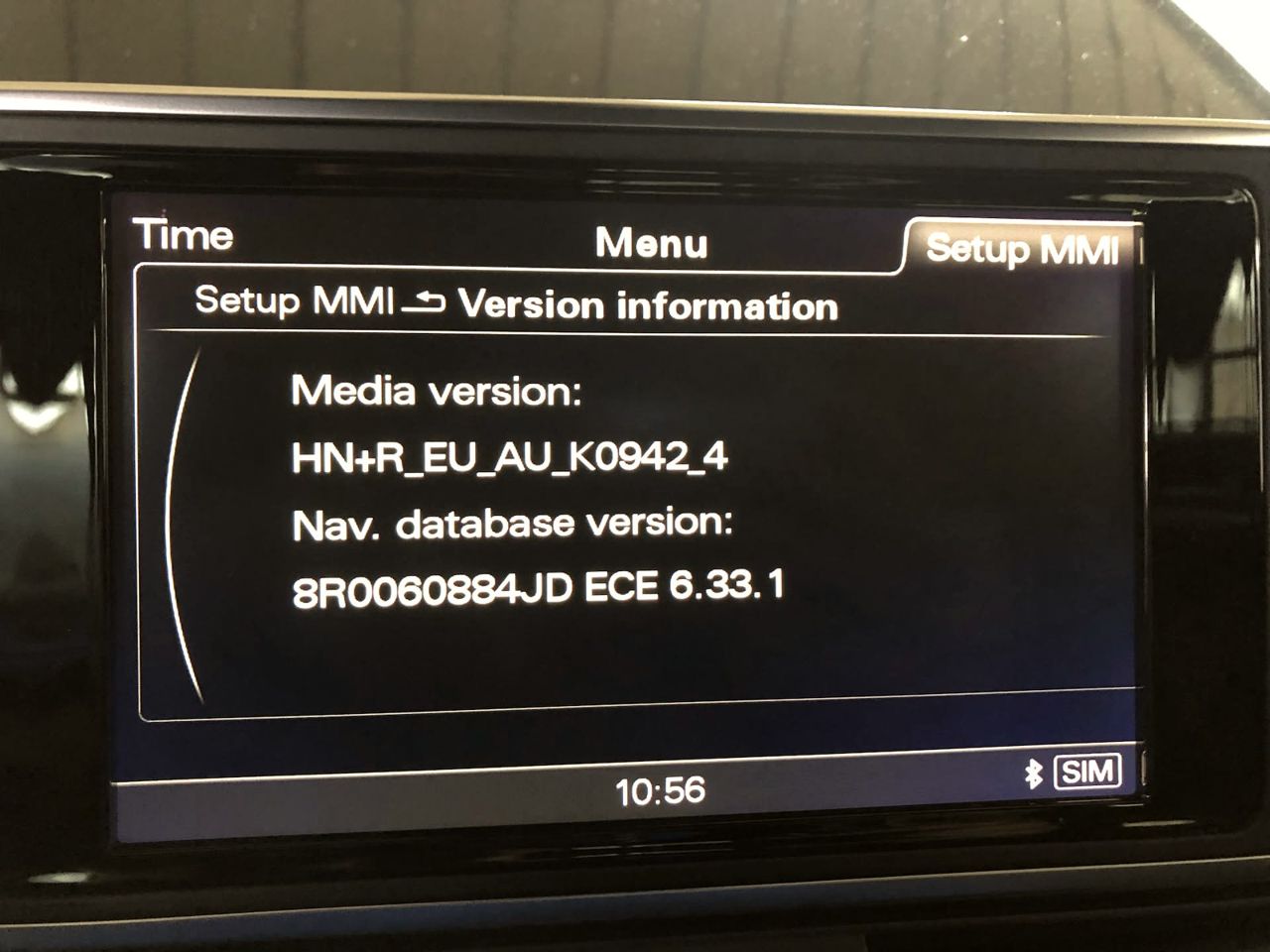
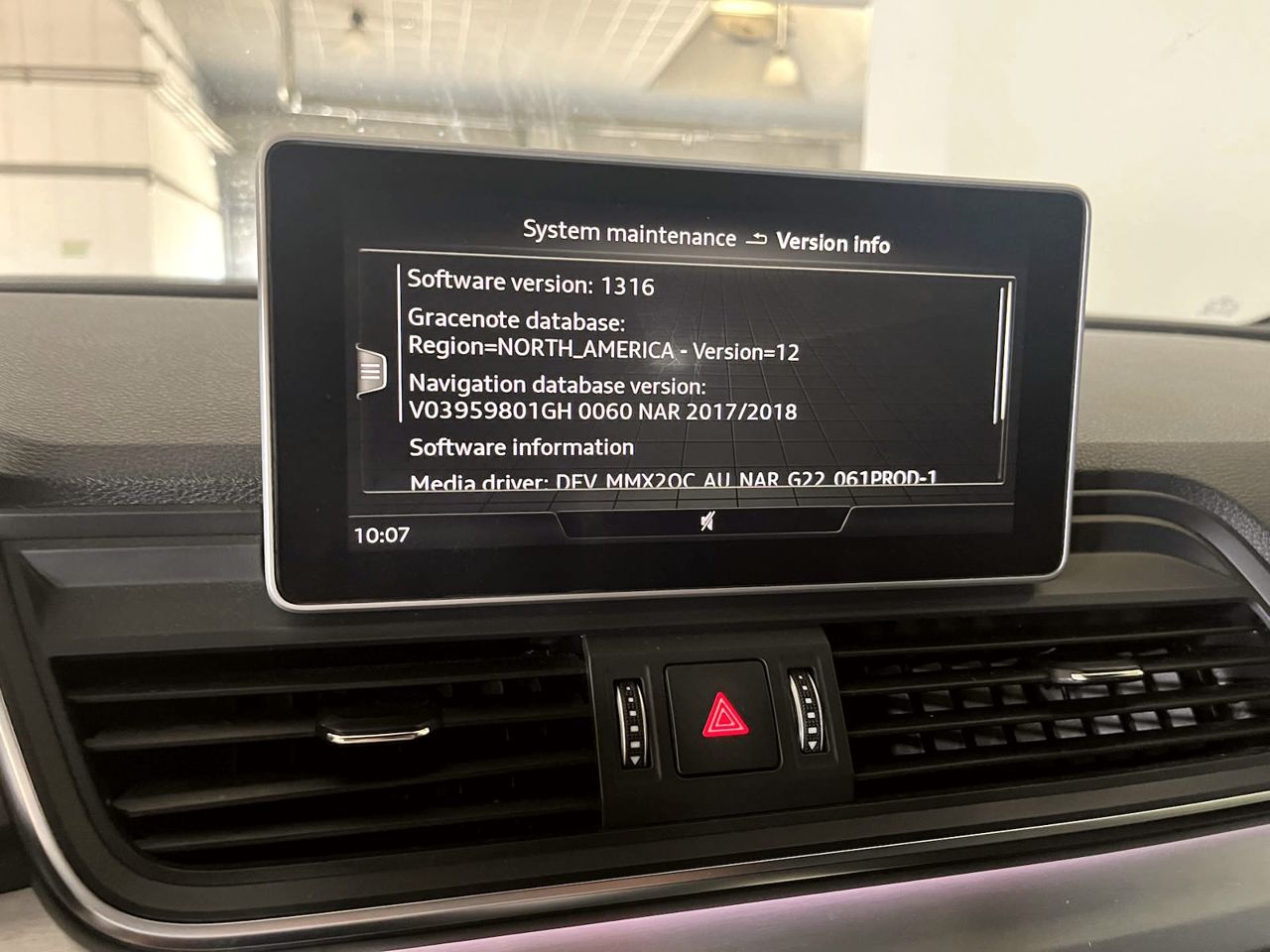
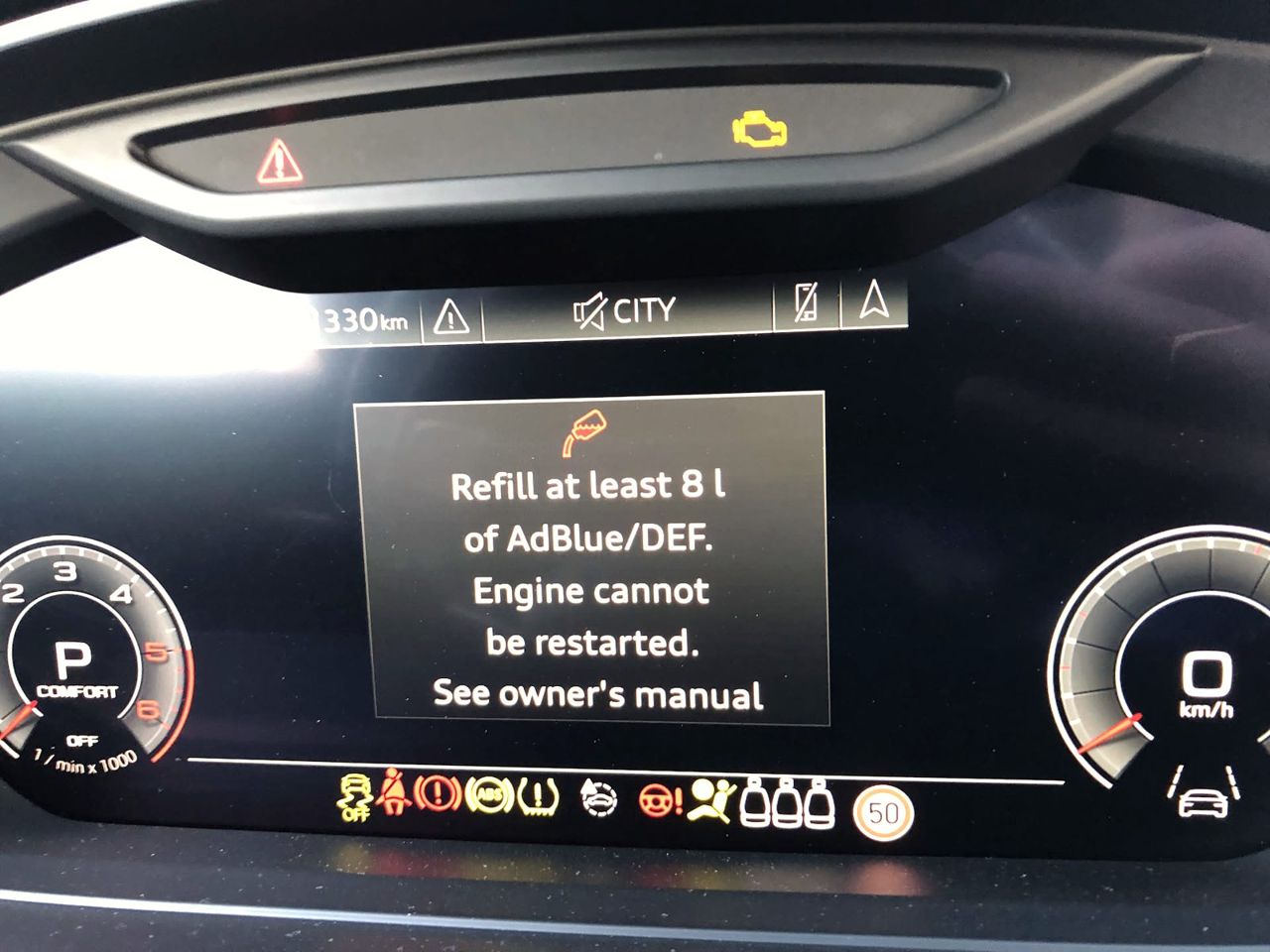
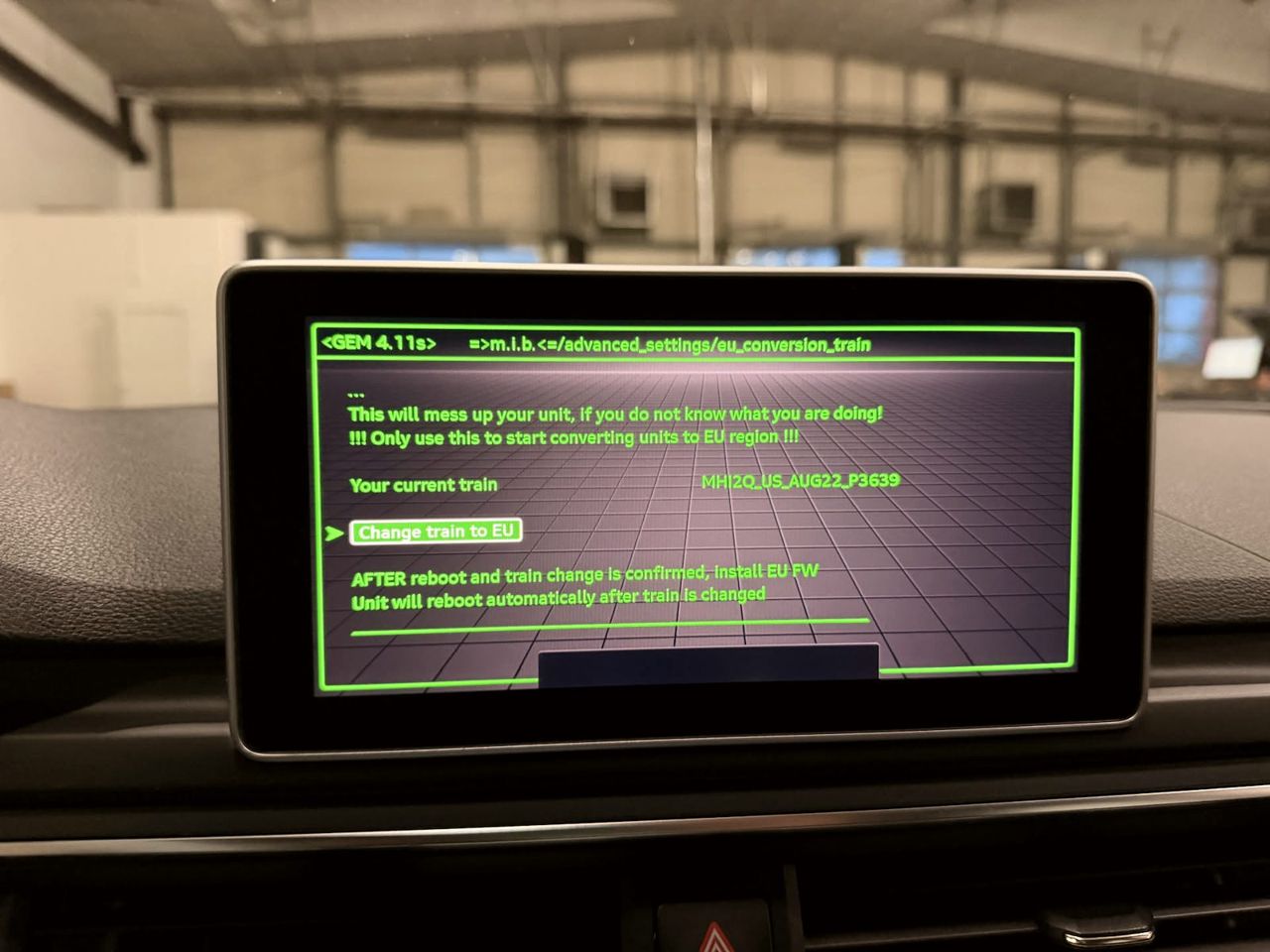
Around 30 photos from our workshop show electronic modules, wiring, fuses, fault messages and software work.
A Closer Look at Electronics
See the modules, wiring and software involved in investigating electrical faults.
Questions and Answers
Does an electrical fault always mean the module needs replacing?
No. Sometimes a firmware update, checksum correction, coding or synchronisation between modules will resolve the problem. However, some components, such as a faulty Head-up display, do require replacement.
Why doesn't a new module work after installation?
Component Protection may still be active, or programming, coding, parameterisation and calibration may not have been completed. Some modules require genuine tools and online access for these procedures.
Can an electric steering rack be recovered after an accident?
On certain Polo-platform models, stored crash data can cause the steering rack to lock. We have experience restoring these systems without replacing the rack, but each case needs to be diagnosed individually.
Book a Slot or Ask a Question
Leave your contact details and tell us about your car.