Complete Engine Rebuilds
Some of the most demanding complete engine rebuilds in the country come through our workshop. This isn't work where there's room for guesswork or a "let's try it and see" approach. We have extensive experience with precisely this type of repair, a high level of expertise and specialist training behind us. When an engine reaches the point of needing a complete rebuild, what matters most to me is that it ends up in the hands of people who genuinely know what they're doing.
When does an engine need a complete rebuild?
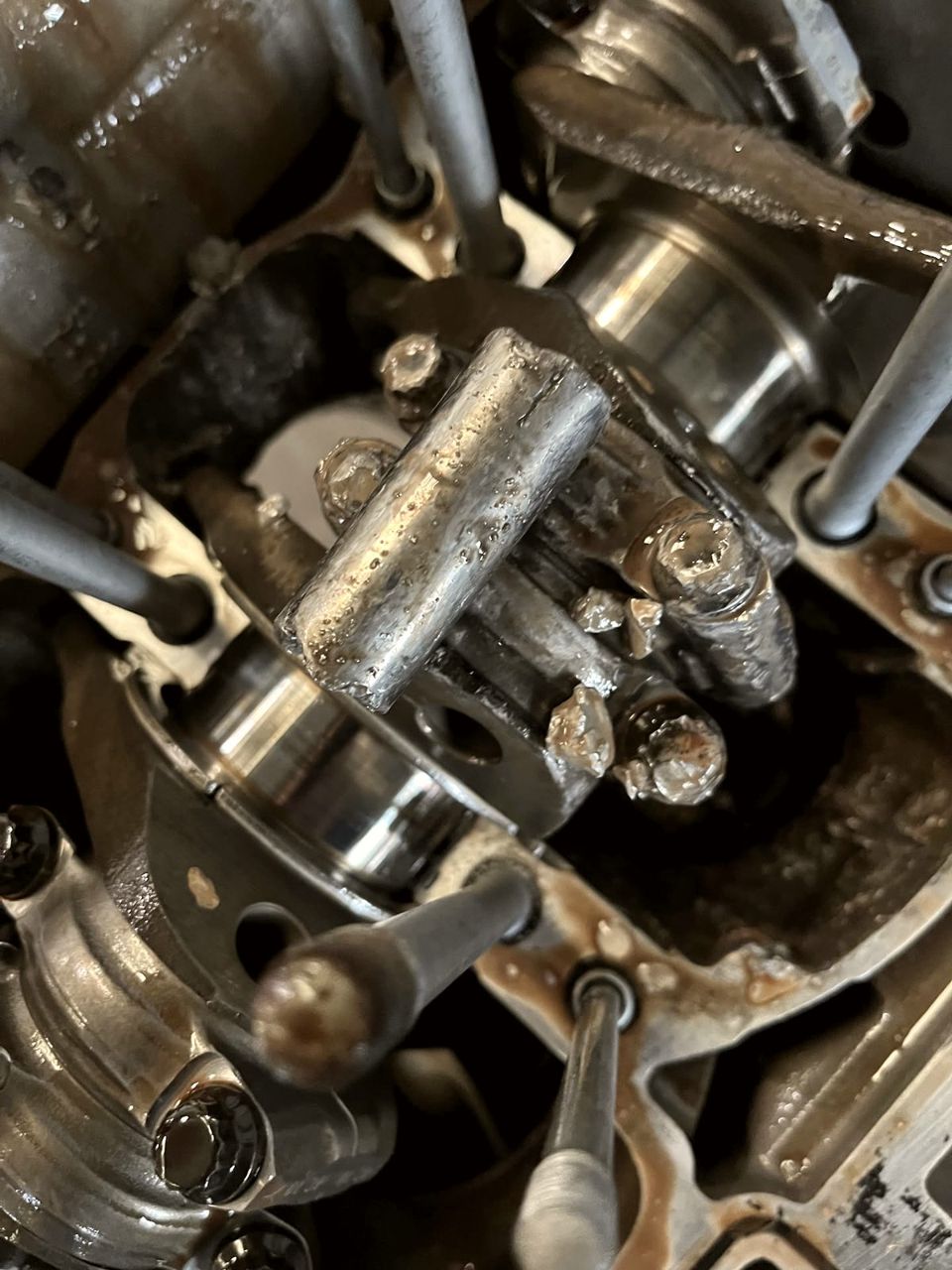
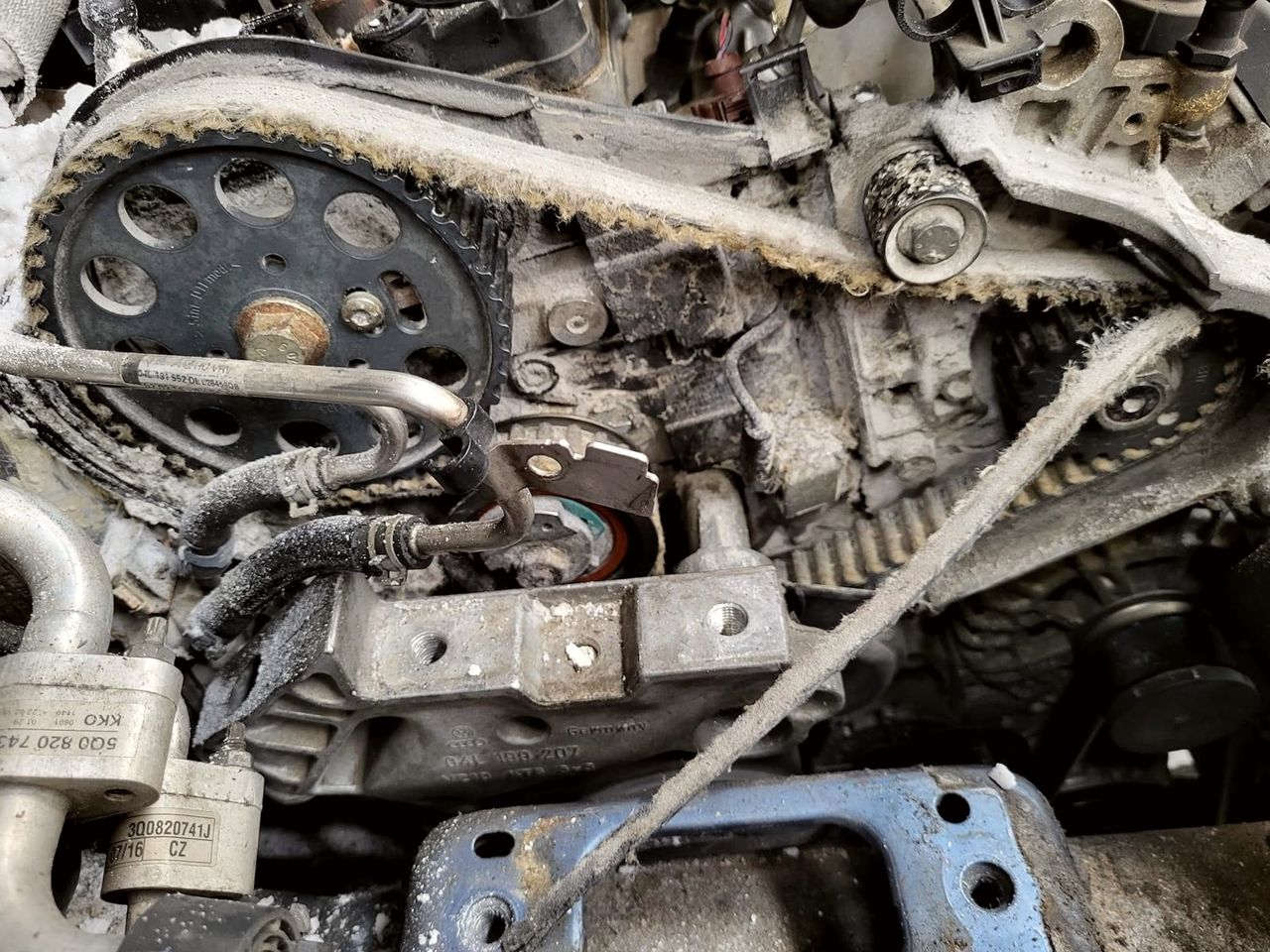
Engines rarely fail without a reason. Sometimes the trouble starts with poor servicing, the wrong engine oil or a neglected service item. Other times, it's the result of a repair carried out without following the correct procedures. The consequences can be serious – damaged camshafts, worn internal components, a scored cylinder block or problems with the timing system. And once the damage is inside the engine, simply replacing a few parts isn't always enough.
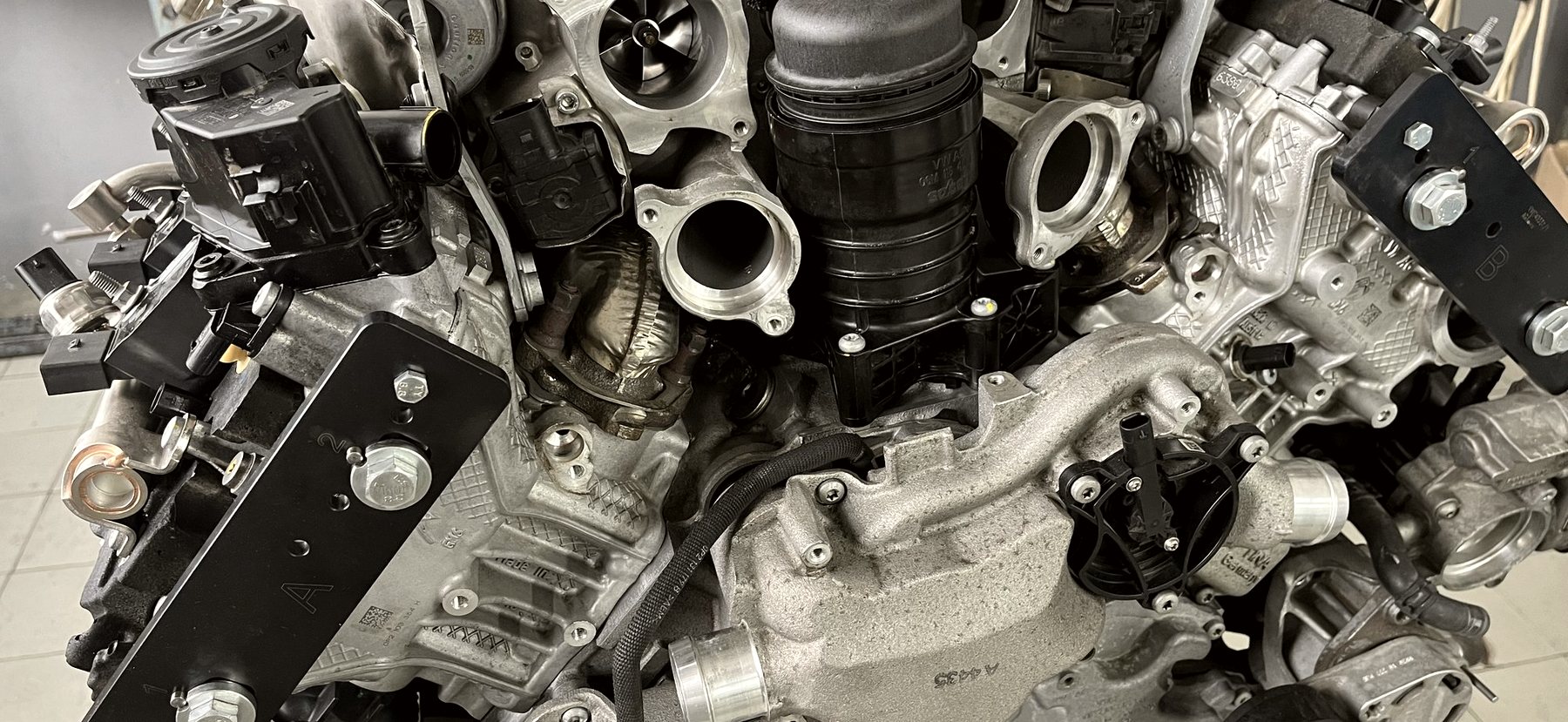
At Das Auto Service, we work on engines from Audi, Volkswagen, Škoda, SEAT, Porsche, Bentley and Lamborghini. When carrying out a complete engine rebuild, my priority is to establish exactly what's failed and why. There's little point in fixing the damage if you leave the underlying cause untouched. Otherwise, you risk the same problem happening again. That's why we start with diagnostics and an assessment of the engine's condition, rather than guesswork.
Why do the correct repair procedures matter so much?
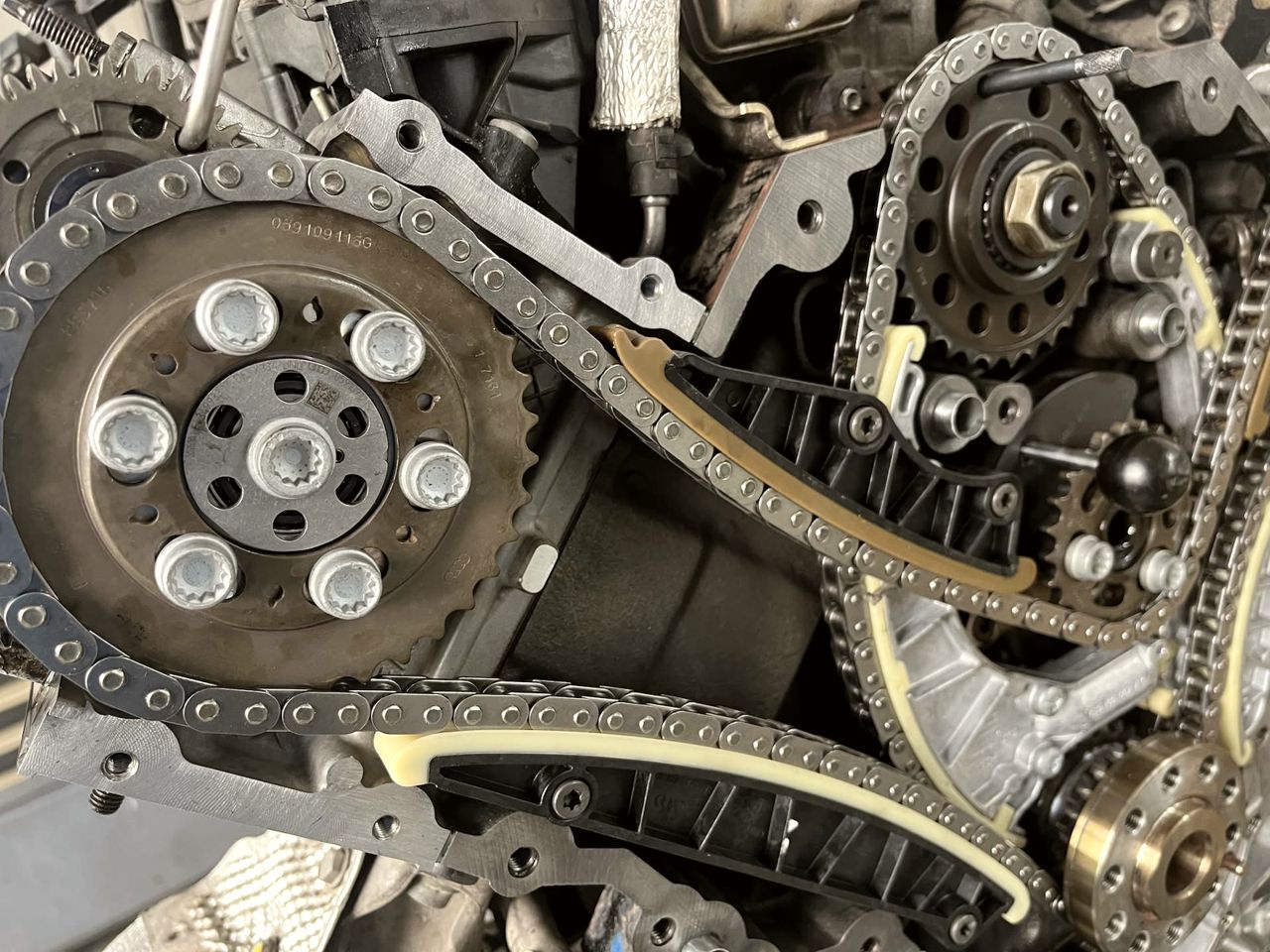
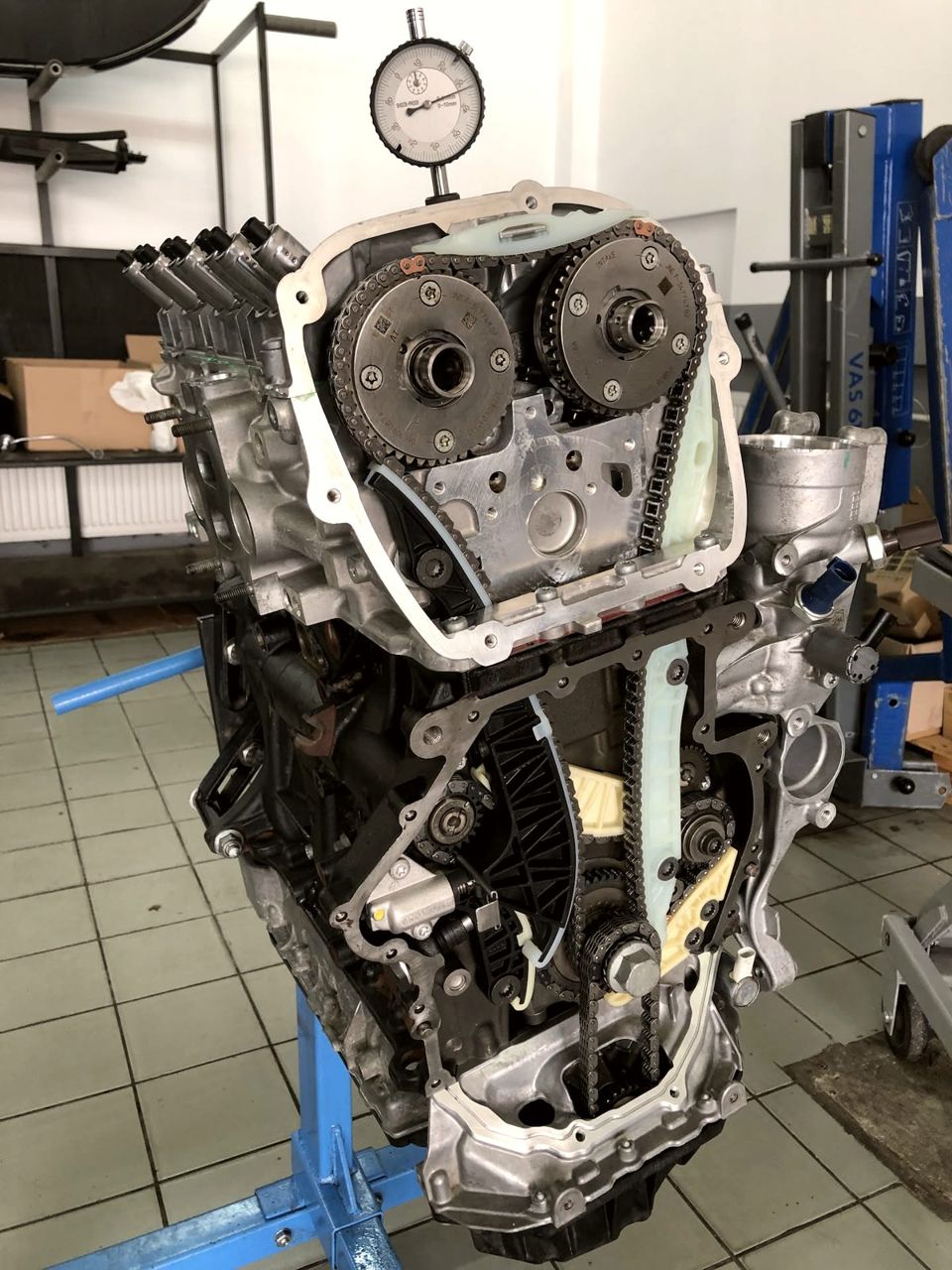
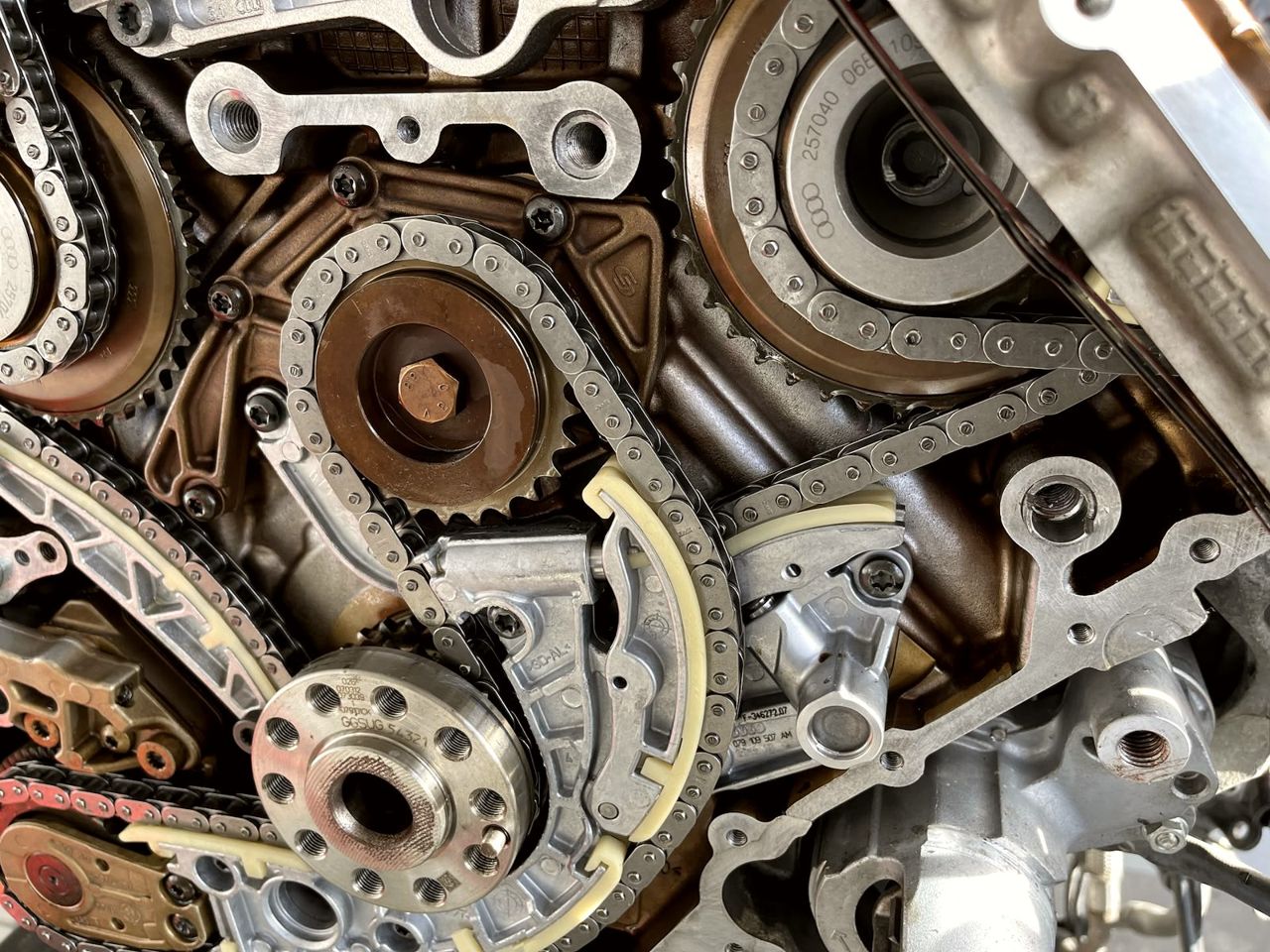
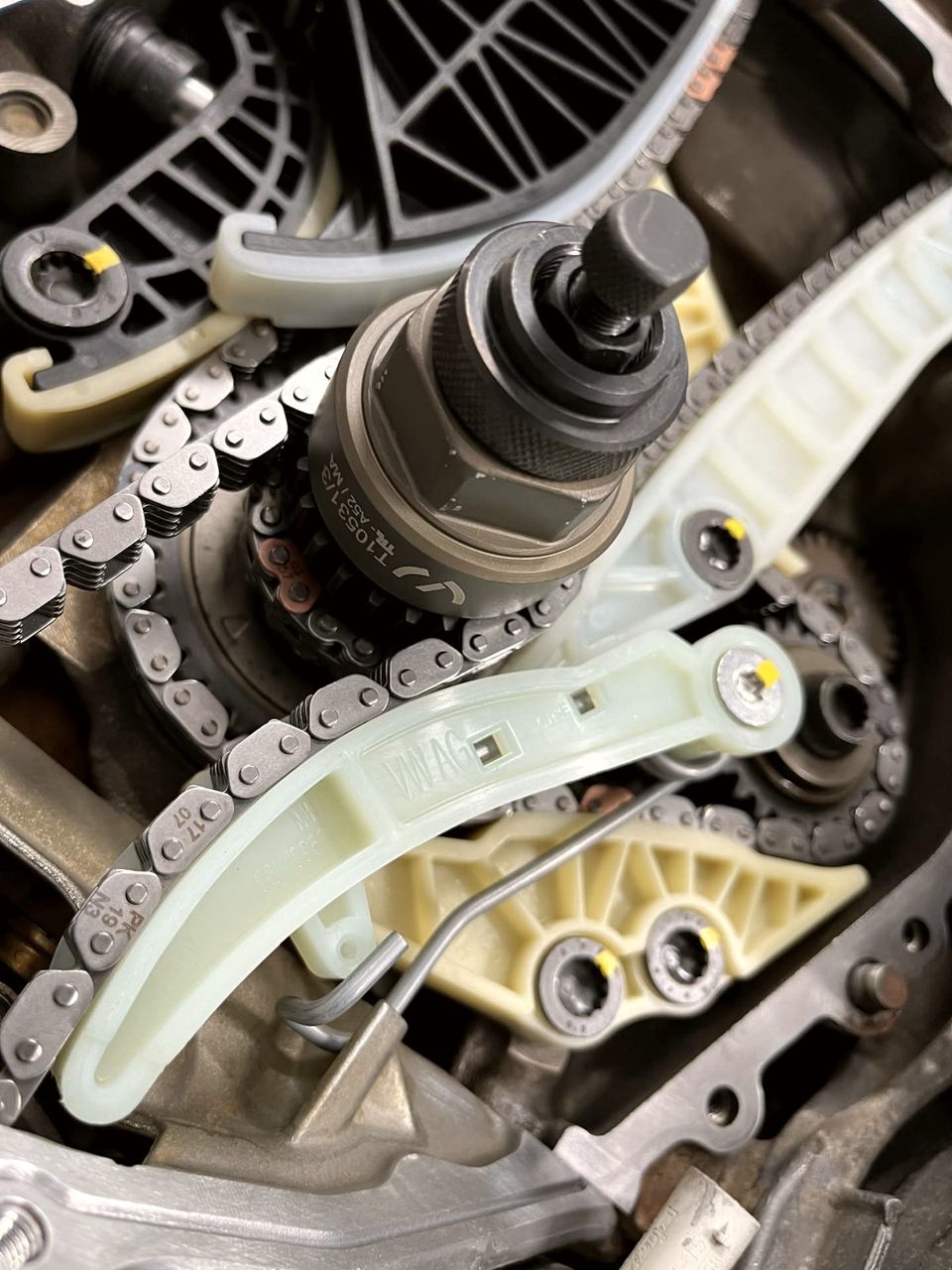
Let me give you an example involving a 2.0 TFSI engine. Its timing chain had jumped just a few hundred kilometres after being replaced at another workshop. Aftermarket parts had been used, and the installation hadn't followed the required procedures. Imagine what can happen when the crankshaft and camshafts lose their correct timing relationship. That's why, when working on timing systems, we use genuine specialist tools, follow documented procedures and carry out diagnostics before and after the repair.
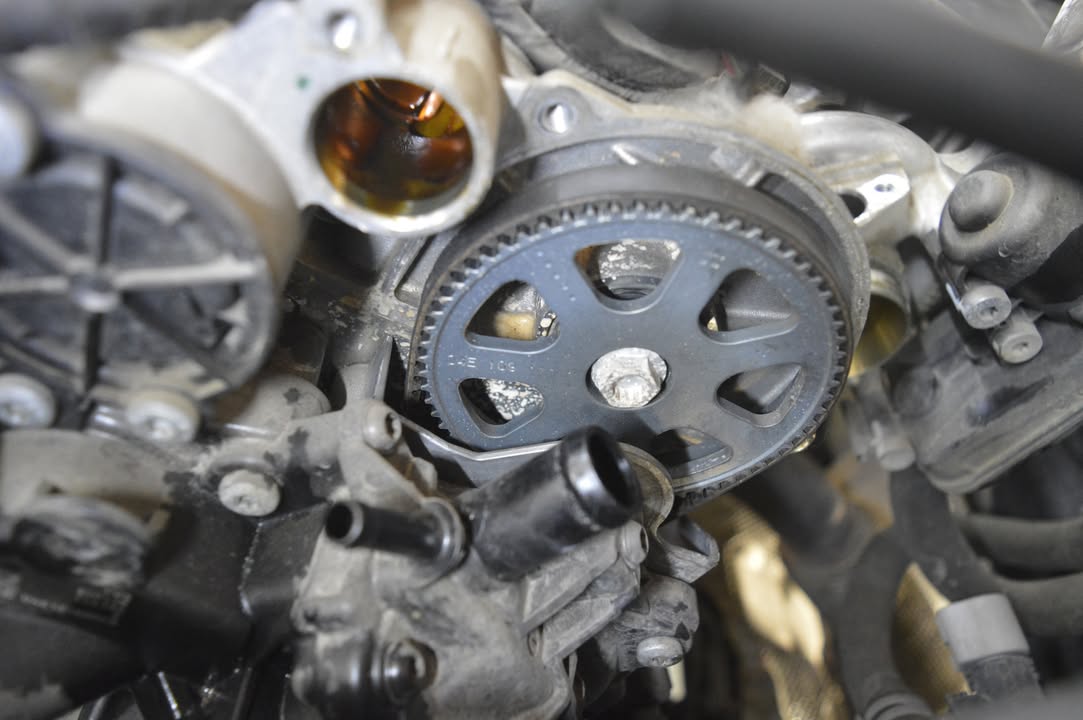
That same discipline matters even more during a complete engine rebuild. Every affected component needs to be inspected, and the necessary repair operations must follow the manufacturer's technical requirements. I don't believe in the approach of "let's replace this and see what happens". We need to understand what we're repairing and what caused the failure in the first place.
Which maintenance mistakes can cause serious engine damage?
Some of the most serious problems begin with service items that owners may not even know exist. Take the crankcase ventilation filter, for example. Moisture forms during normal engine operation, partly from gases that pass the piston rings. If that moisture isn't removed properly, condensation can accumulate, an emulsion can form and the engine oil's properties can deteriorate. And it's the oil that protects the engine's internal components against wear.
- Using engine oil that doesn't meet the manufacturer's specification.
- Neglecting to replace the crankcase ventilation filter.
- Incorrectly installing the timing system or using unsuitable parts.
- Failing to replace the oil pump drive belt on engines fitted with one.
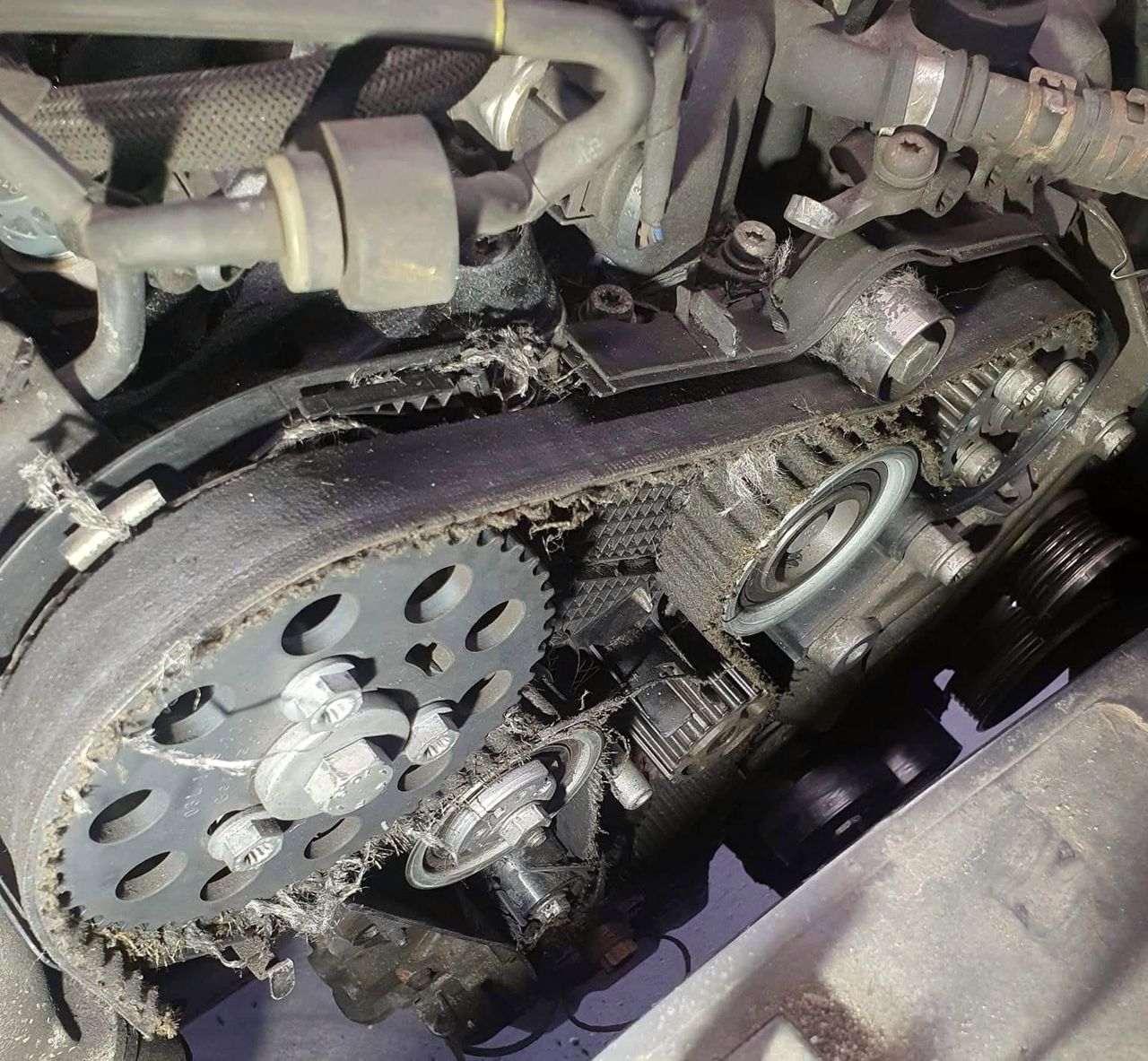
The oil pump drive belt deserves particular attention on certain generations of the 2.0 TDI. It's often overlooked because replacing it involves considerably more dismantling. But if it breaks, the consequences for the engine can be severe. That's why we don't just focus on the obvious components. We also check the parts that directly affect the engine's reliable operation.
How can you reduce the risk of needing an engine rebuild?
My philosophy has always been simple – more proper maintenance and fewer repairs. For cars driven in Bulgaria, I recommend changing the engine oil and all filters every 10,000 km or once a year, whichever comes first. The oil must meet the exact specification required for the particular engine. Not all engine oils are the same, and the consequences of choosing the wrong one may not become apparent until much later.

For engines manufactured after 2015, I recommend replacing the timing system every 180,000 km or five years, whichever comes first. It's also important to maintain the crankcase ventilation system according to the specific engine generation. For example, on the generations of 1.6 and 2.0 TDI engines discussed here, the filter is replaced every 80,000 km. There's no single approach that works for every engine. What matters is following the correct procedures, using suitable parts and keeping up with maintenance. That's how you can reduce the risk of eventually needing a complete engine rebuild.
Advice from Kris Mladenov: Don't wait for your engine to fail before taking servicing seriously. The correct oil, timely timing system replacement and proper crankcase ventilation maintenance can save you a great deal of trouble.
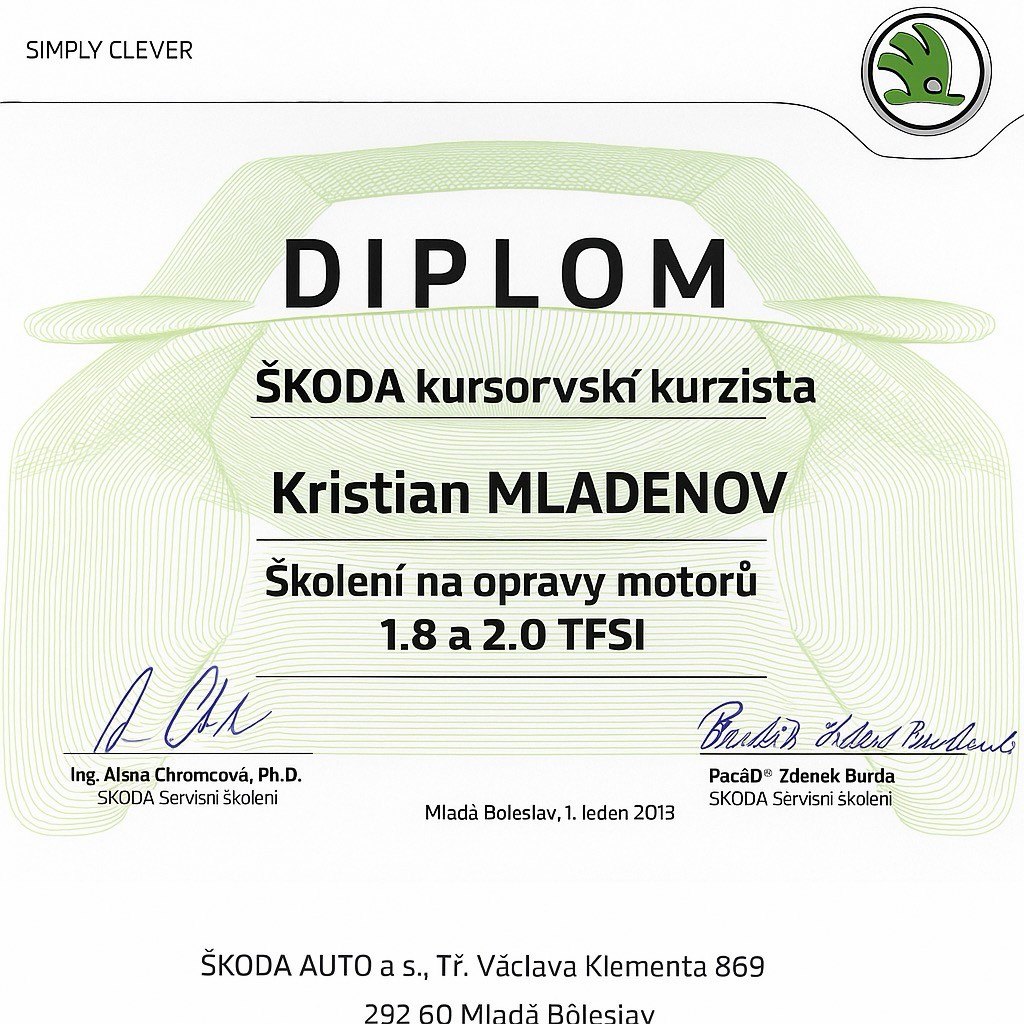
Manufacturer Academy Training
1.8 and 2.0 TFSI Engine Repair
Škoda · Mladá Boleslav · 2013
Gallery: Engine Rebuilds
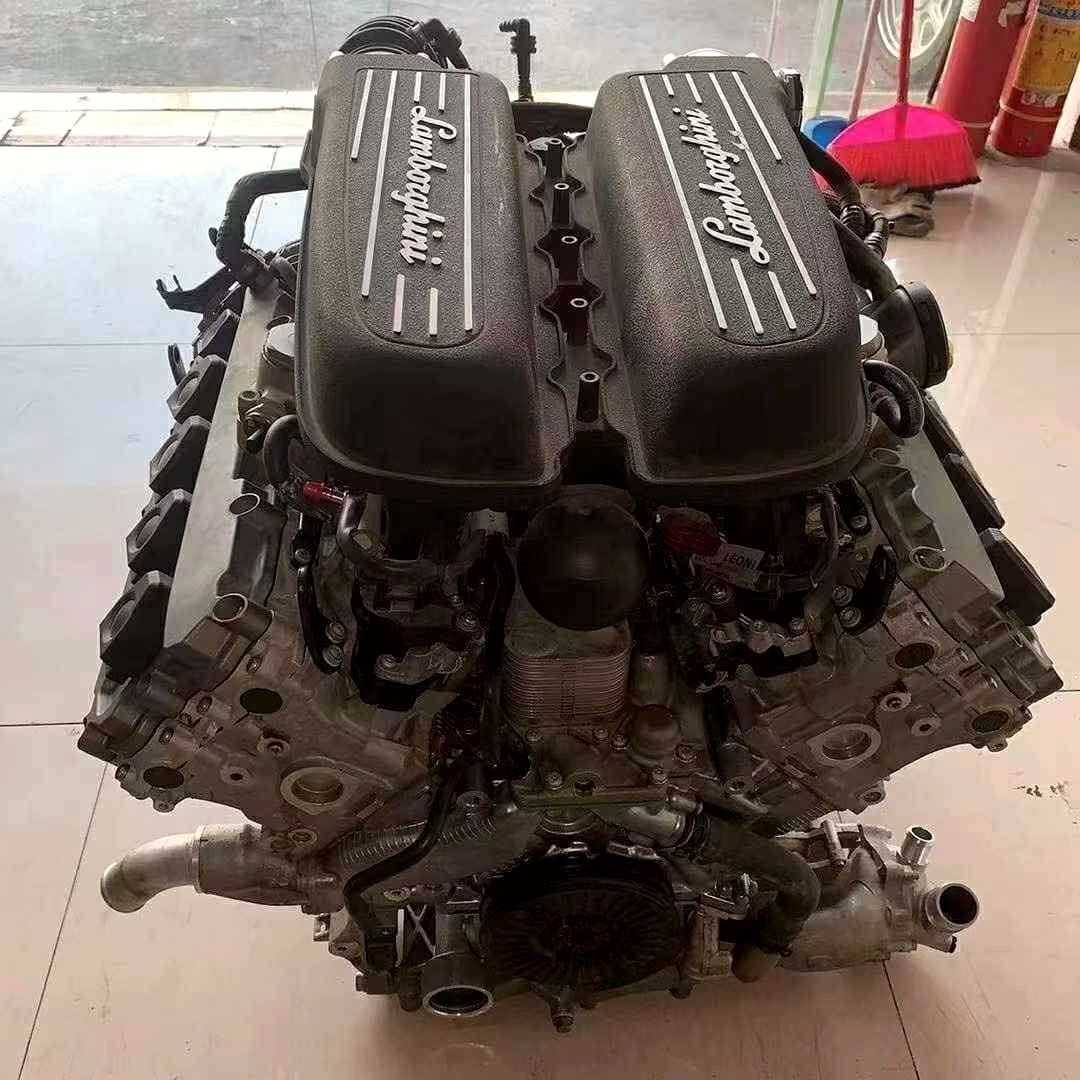
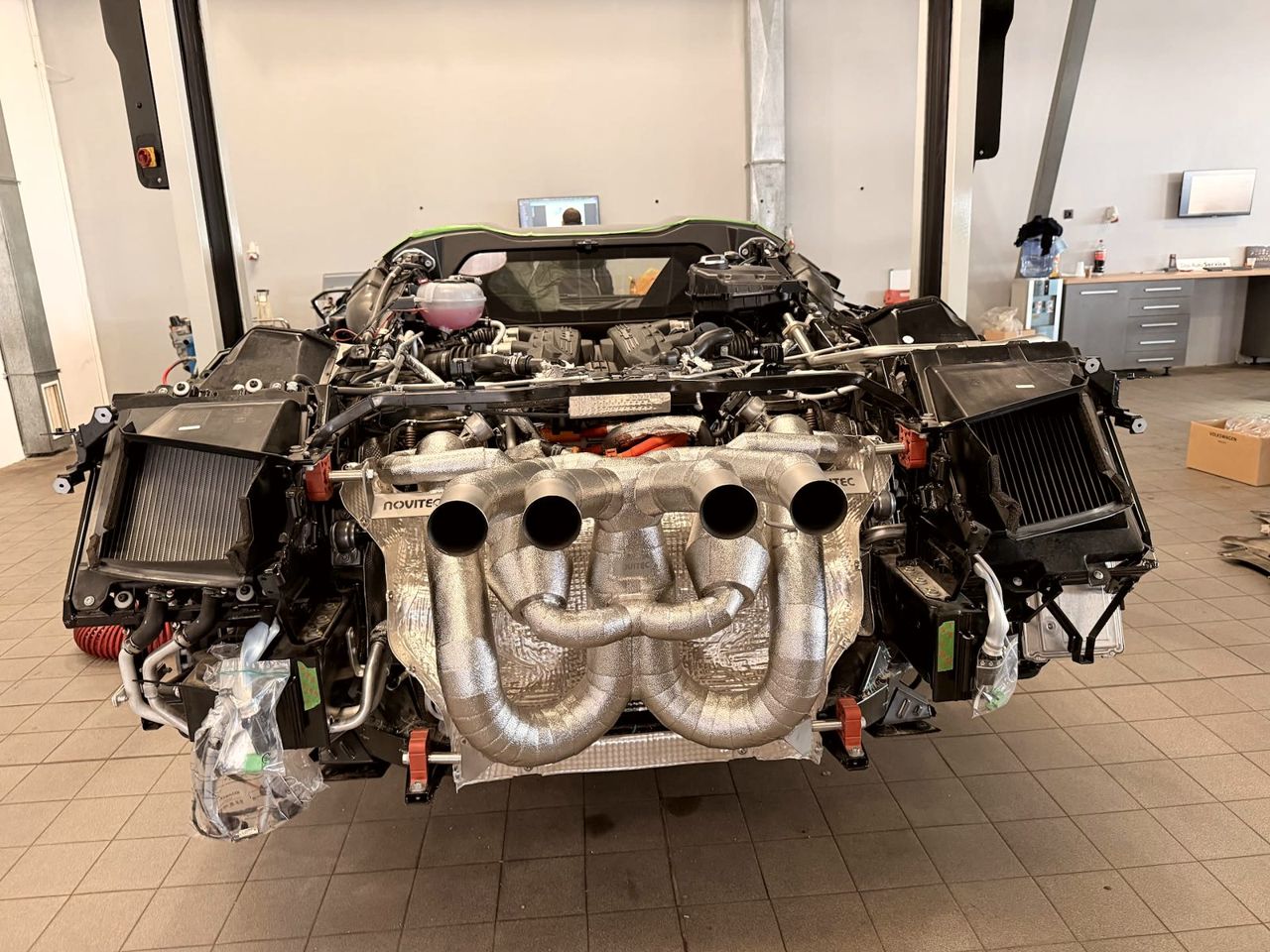
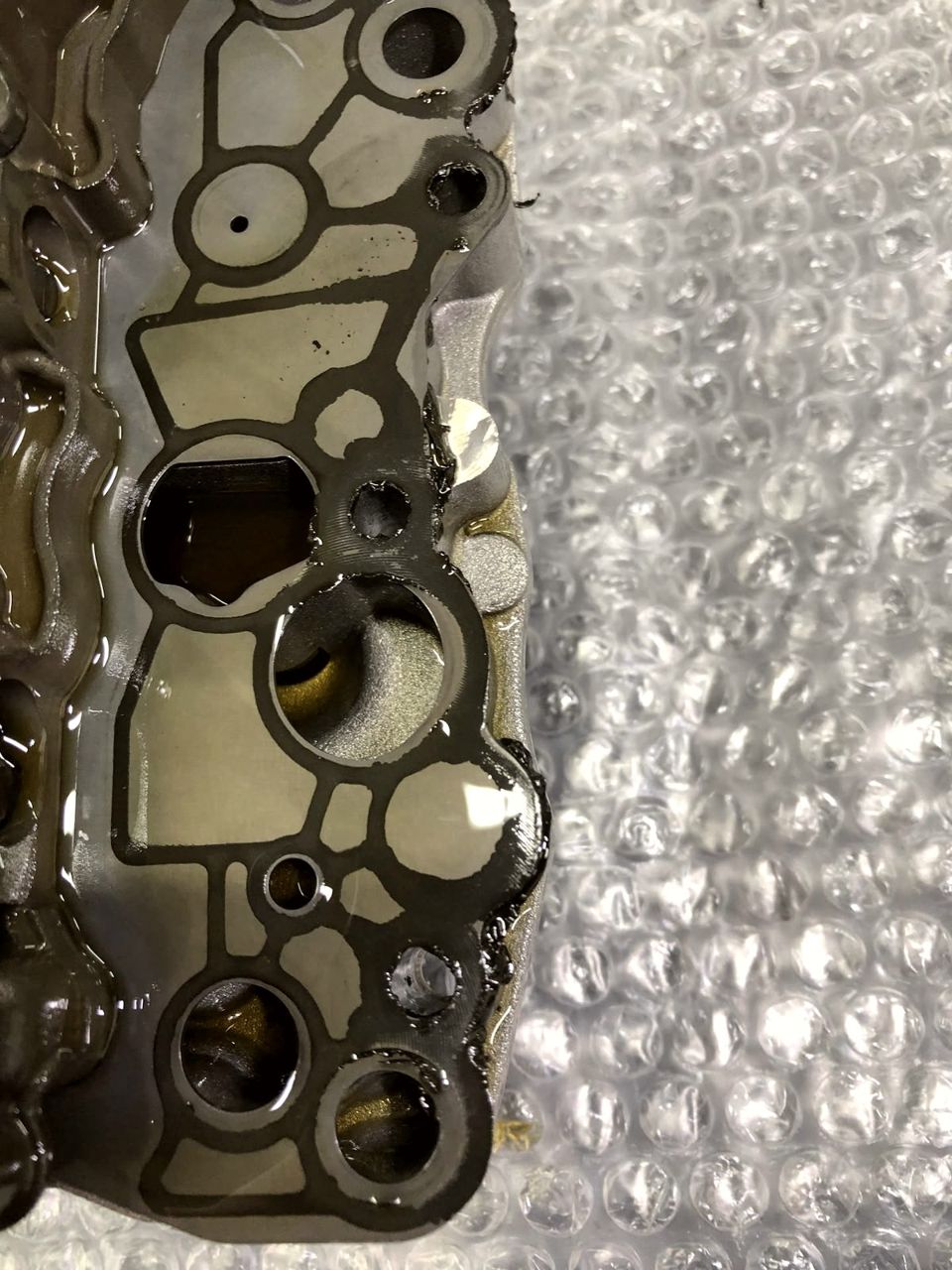
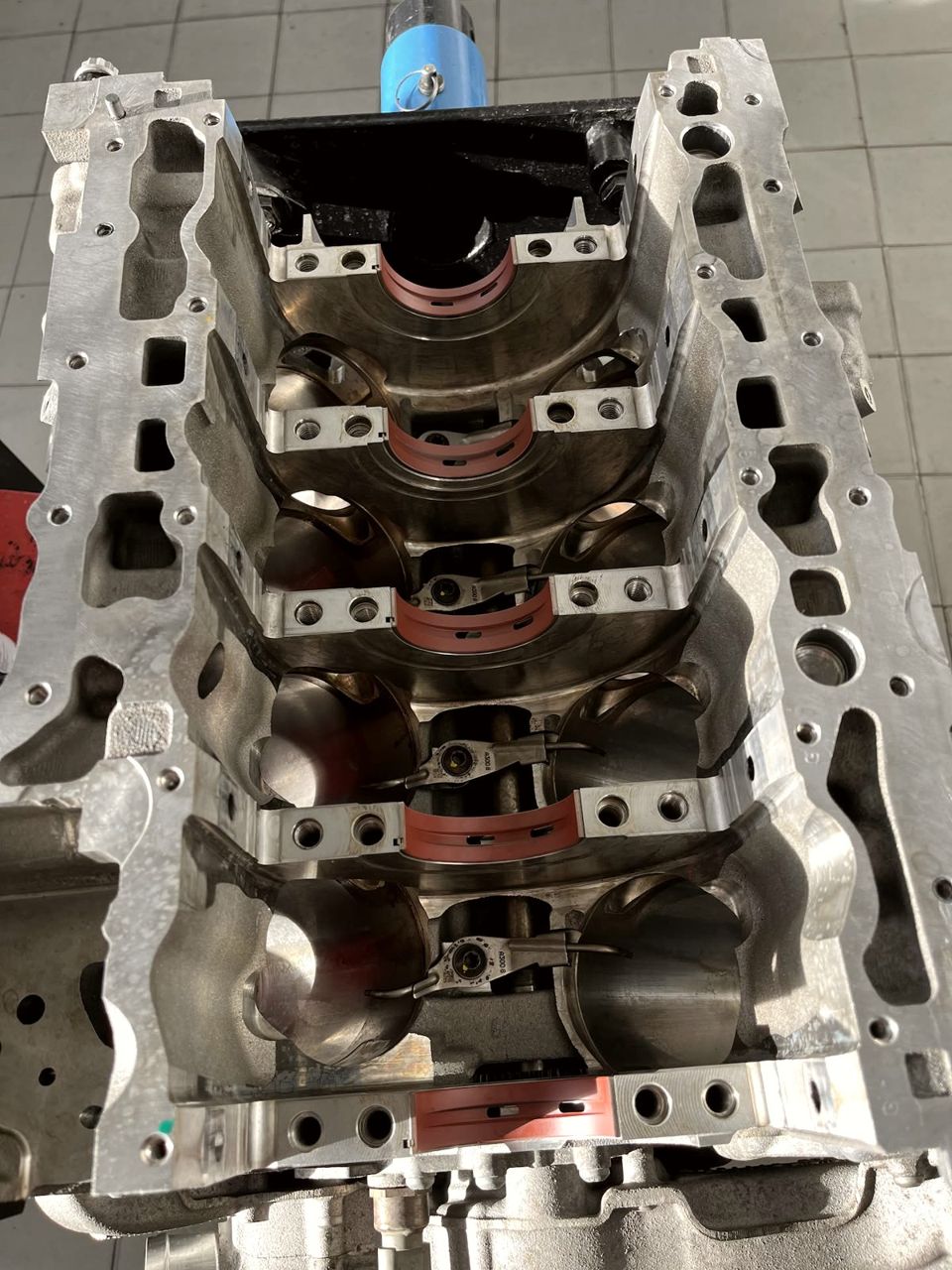
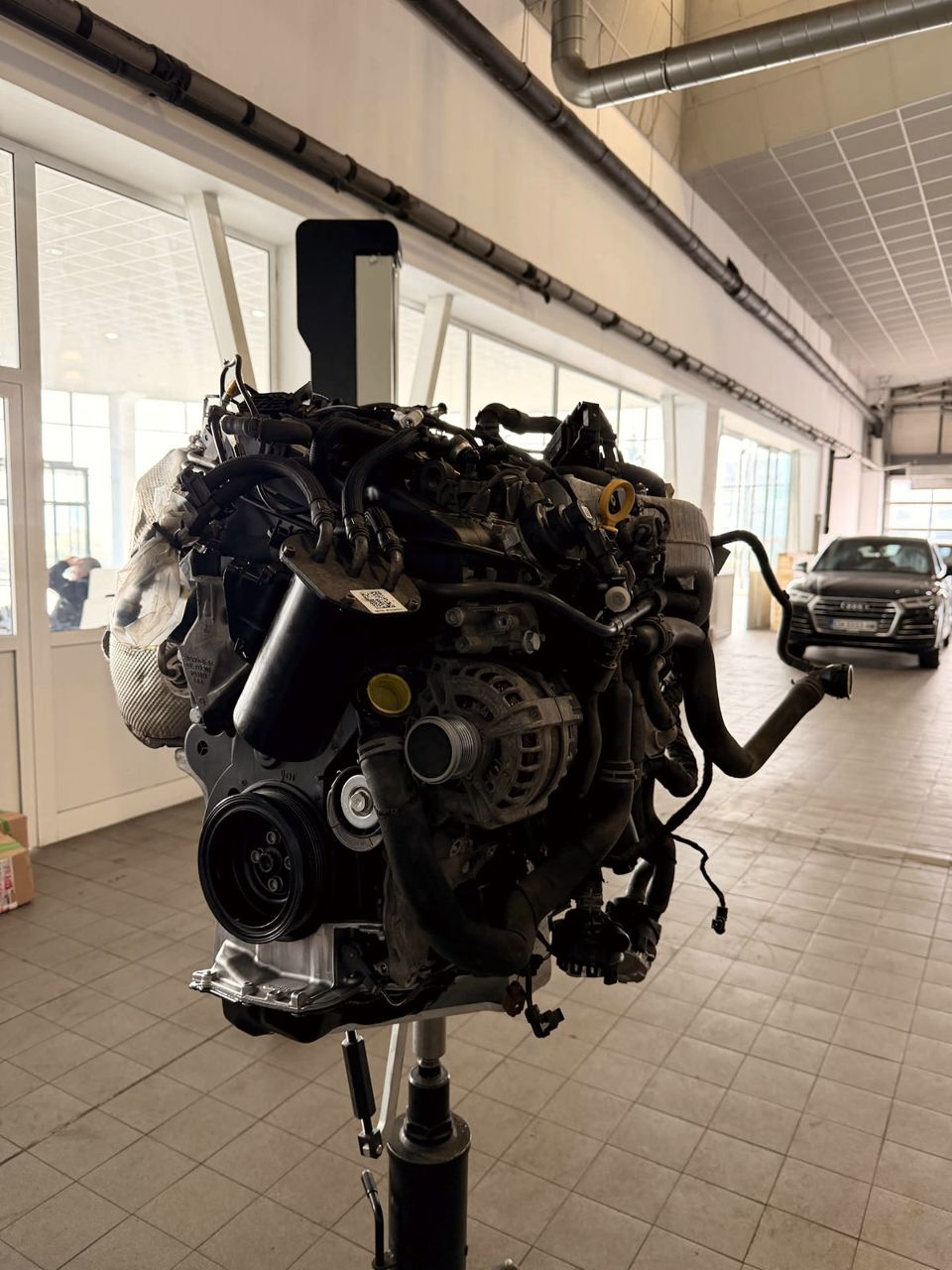
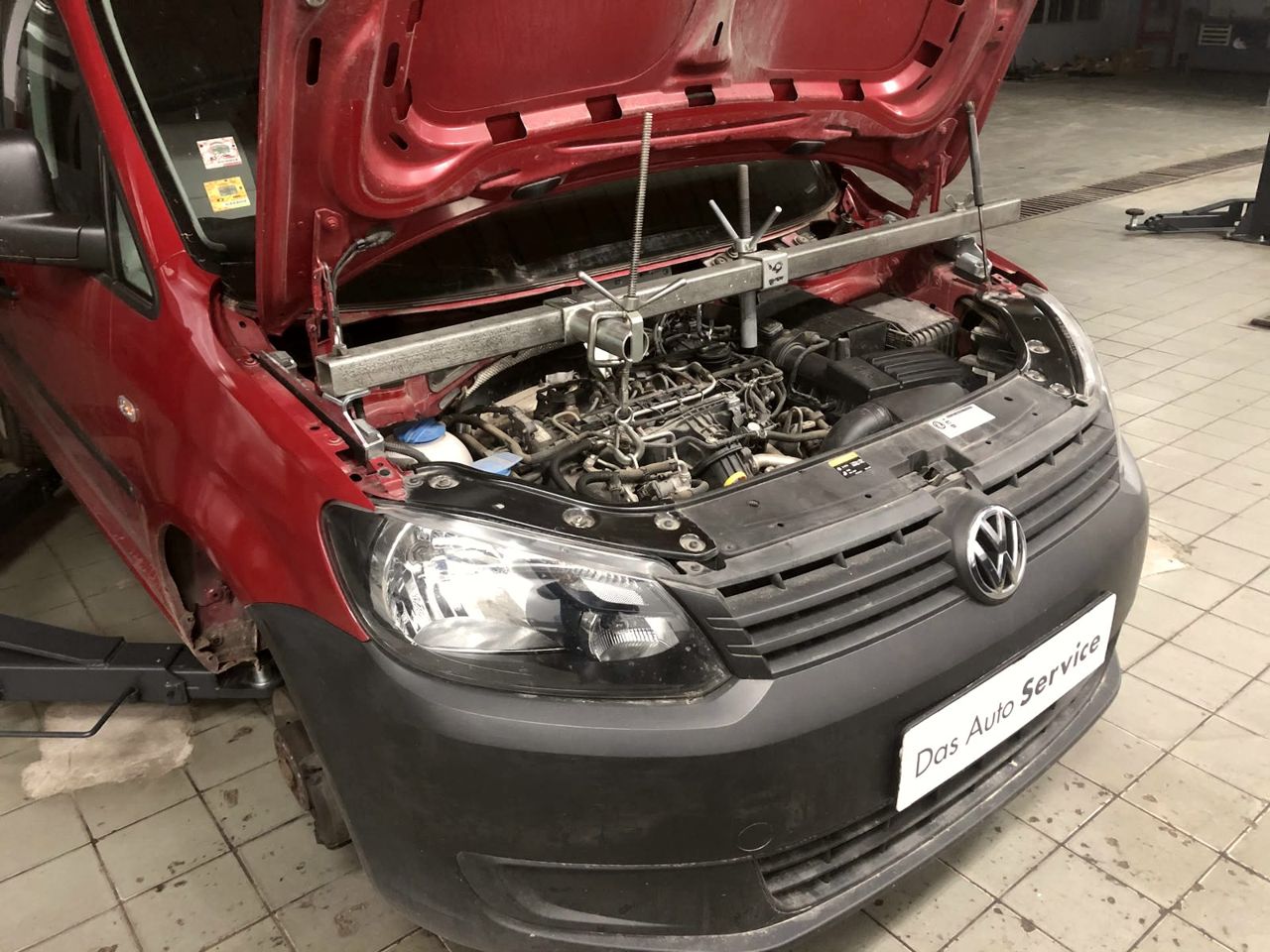
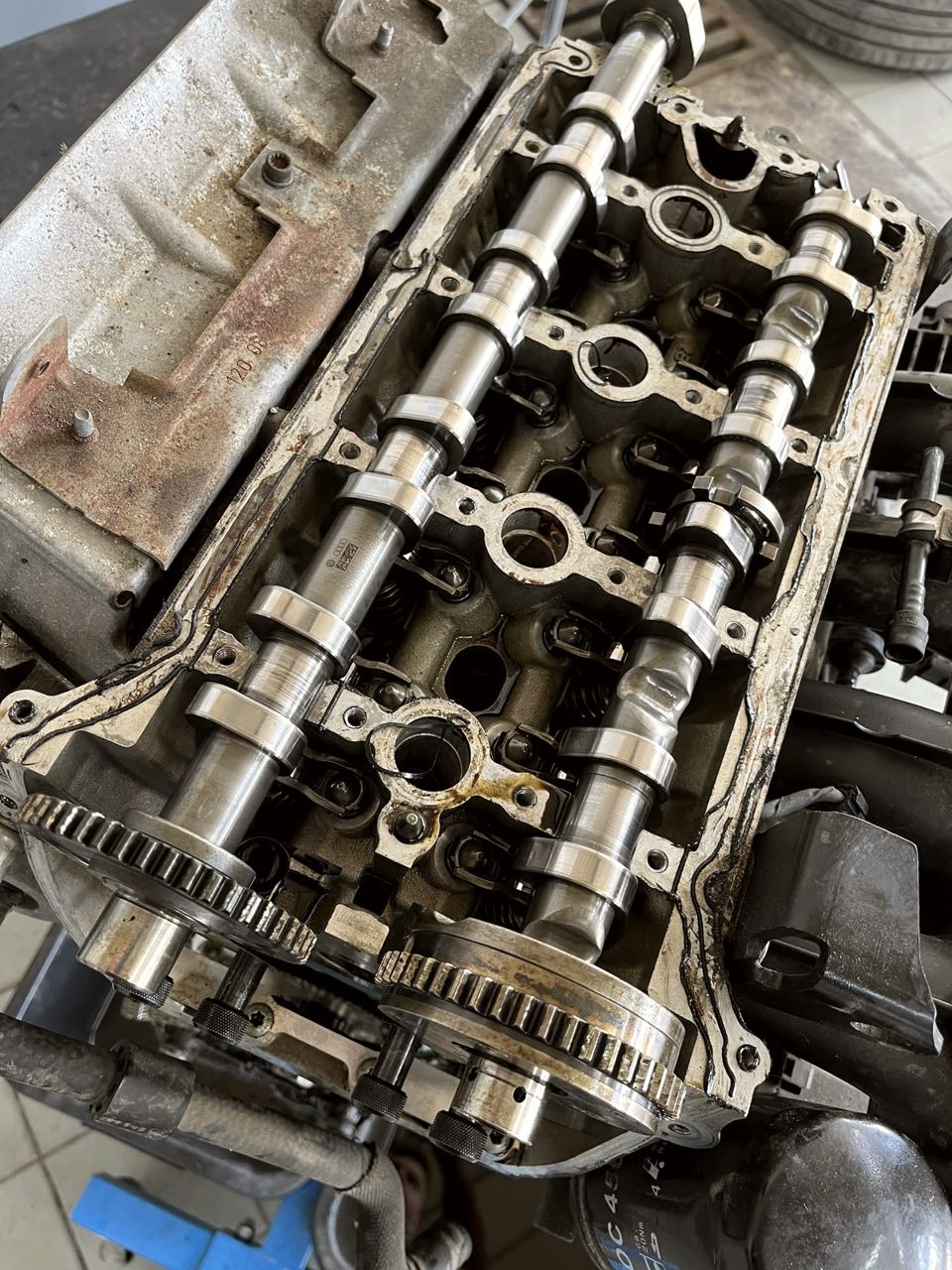
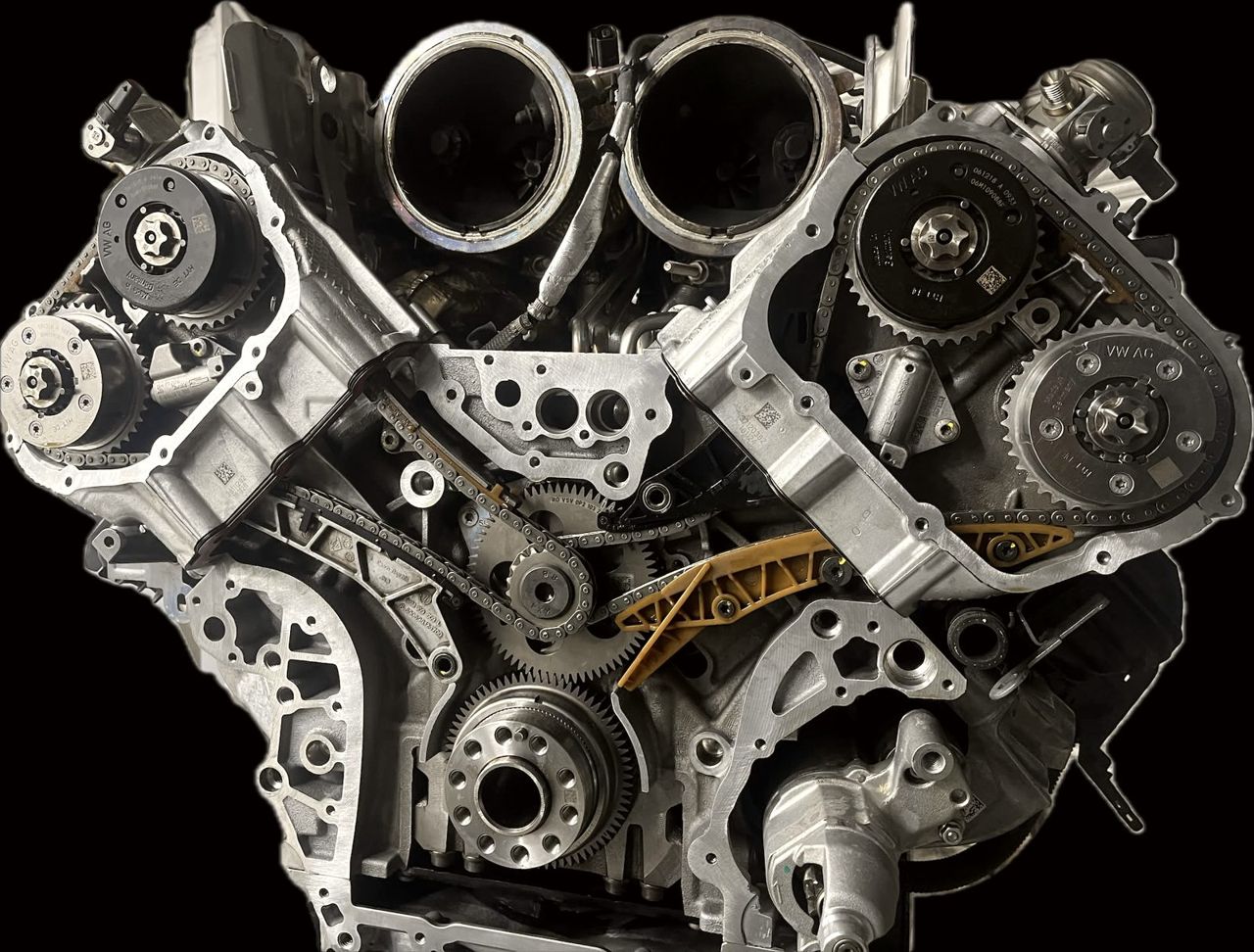
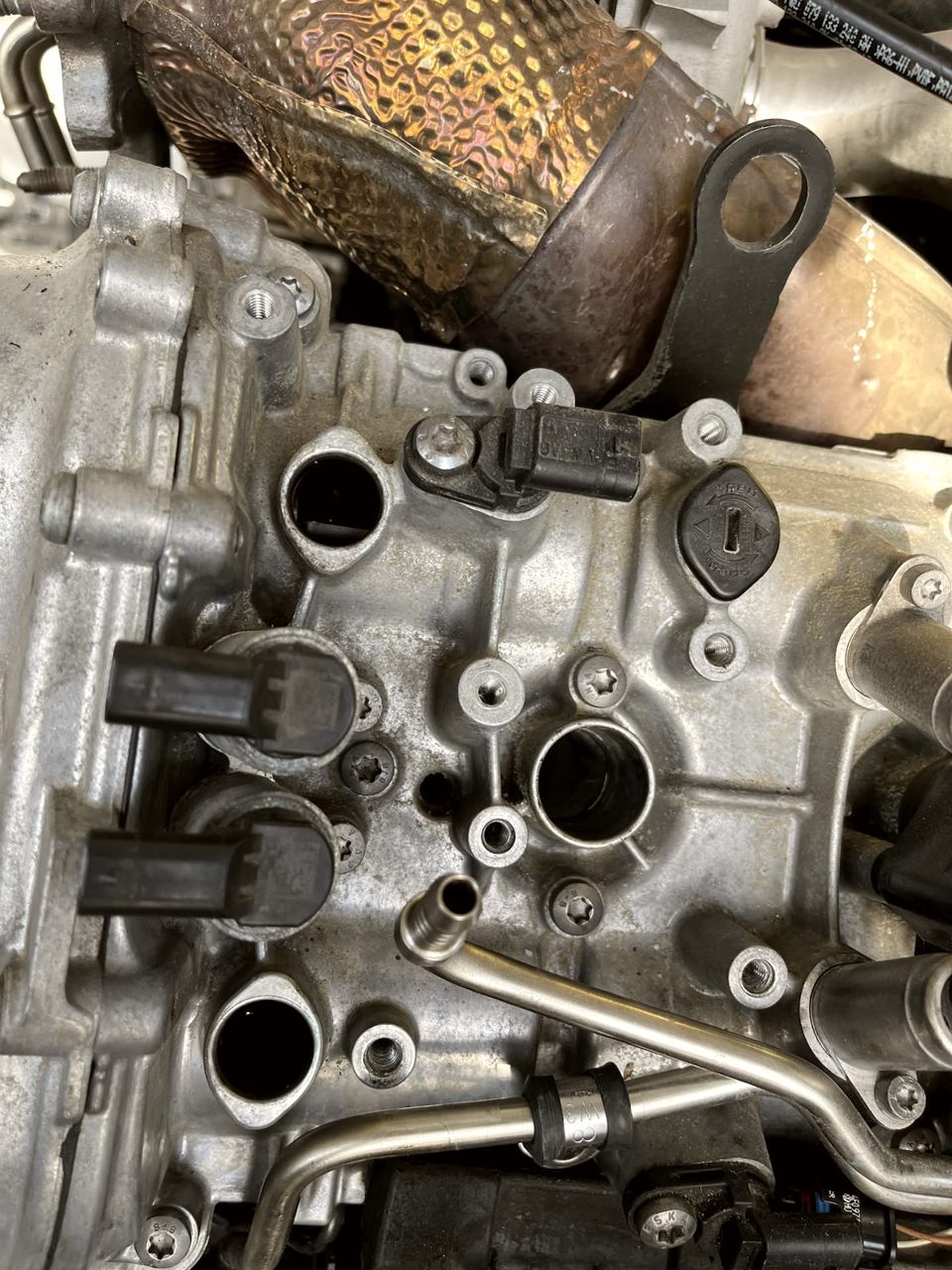
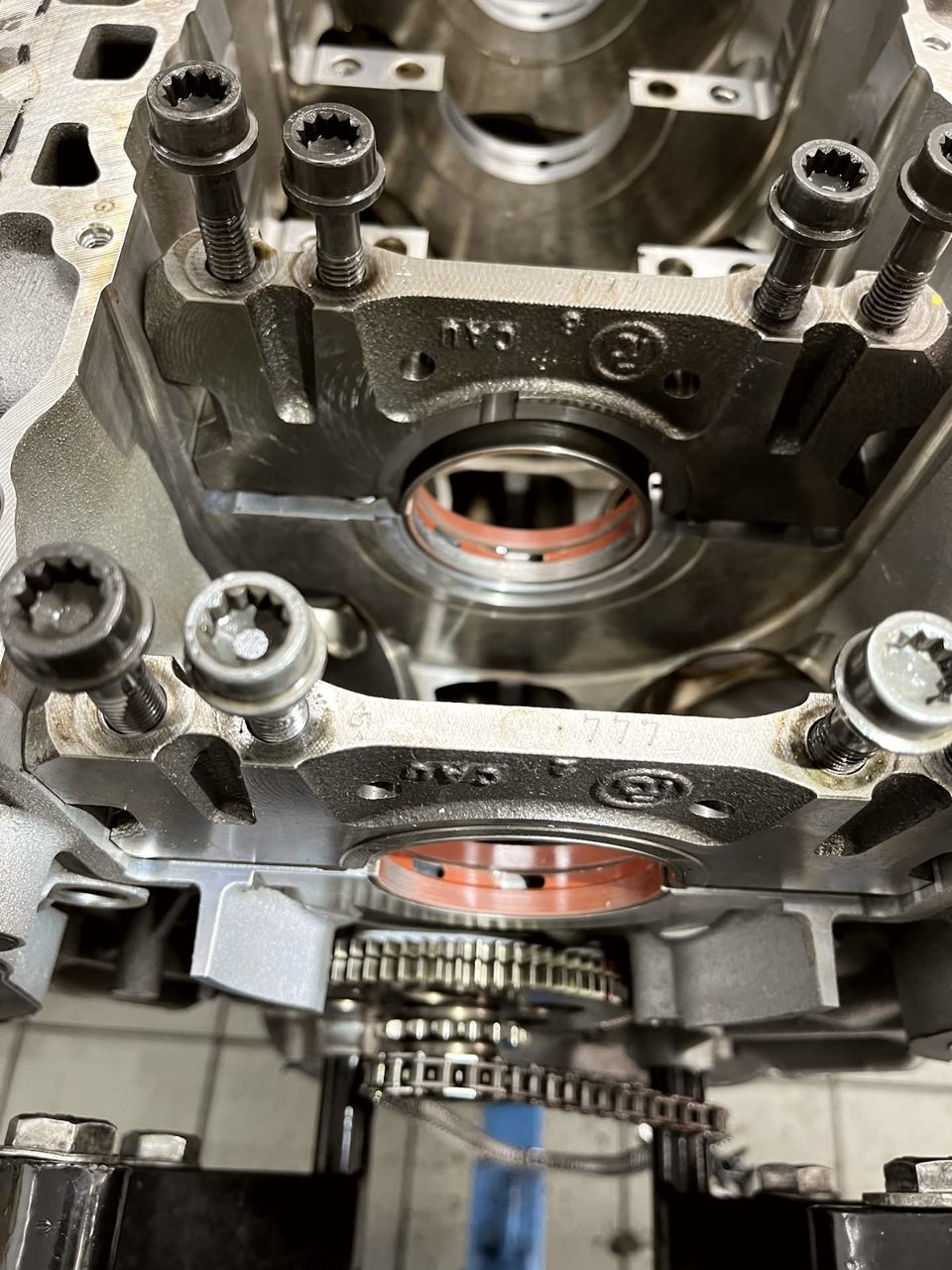
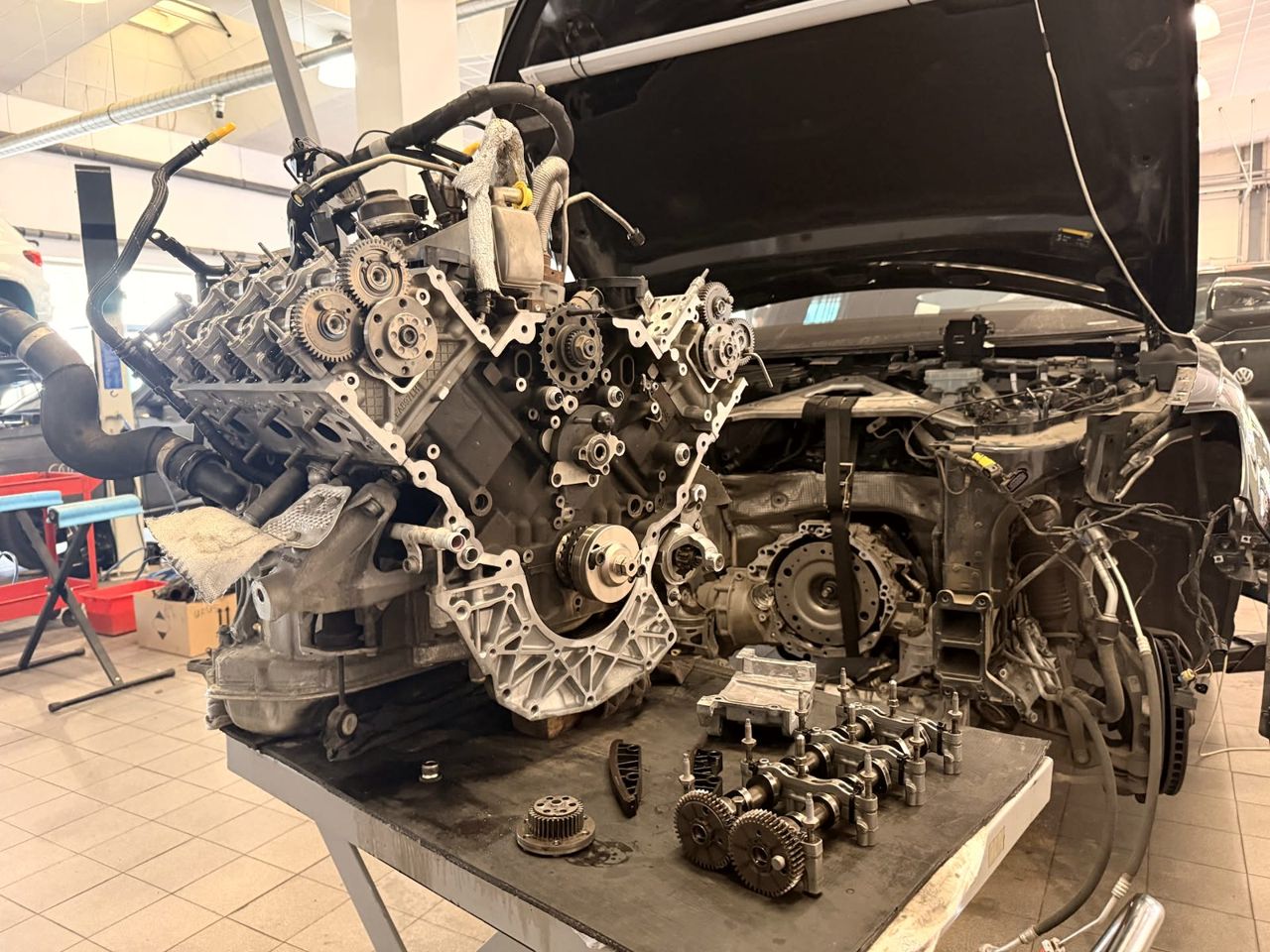
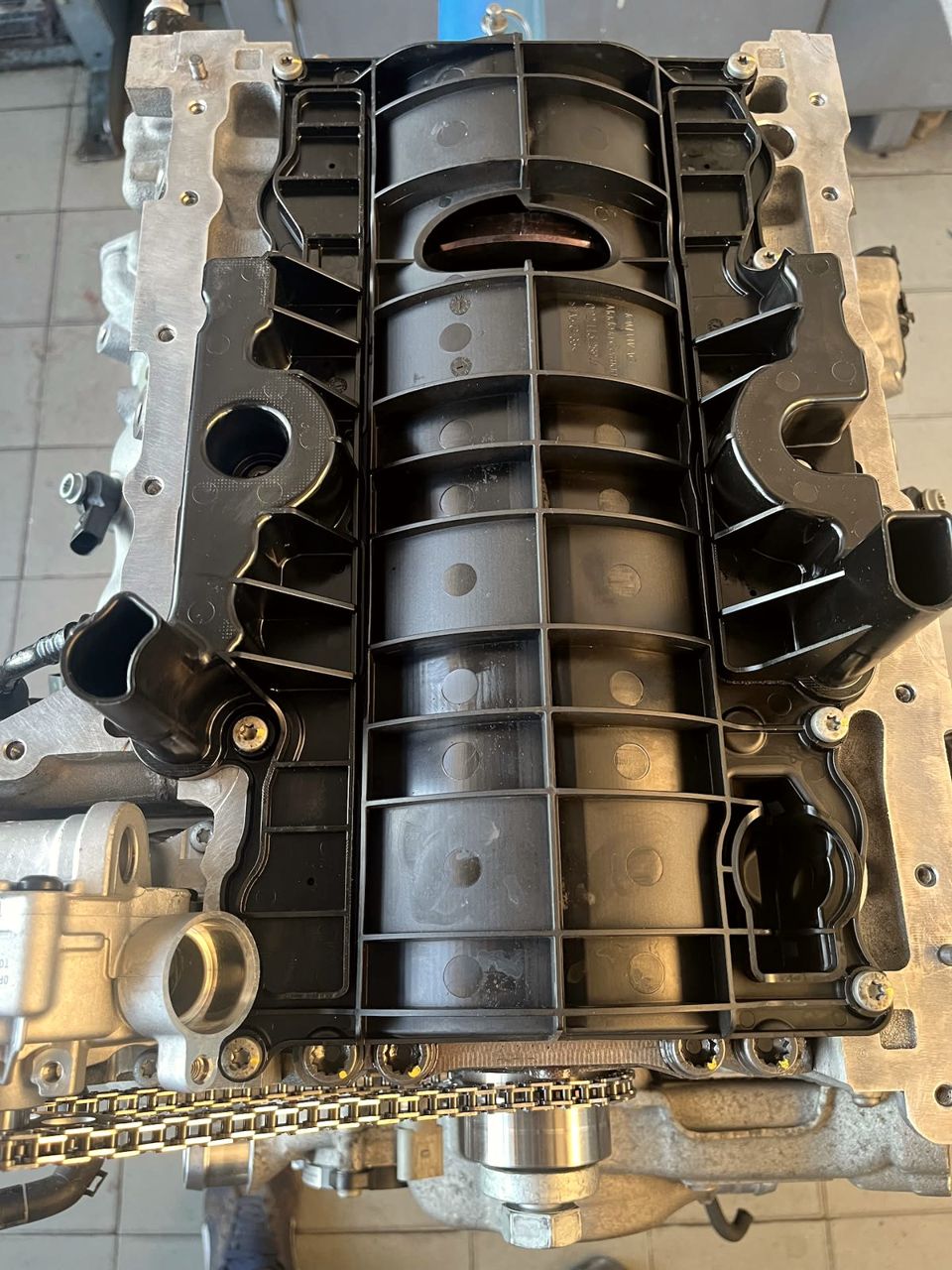
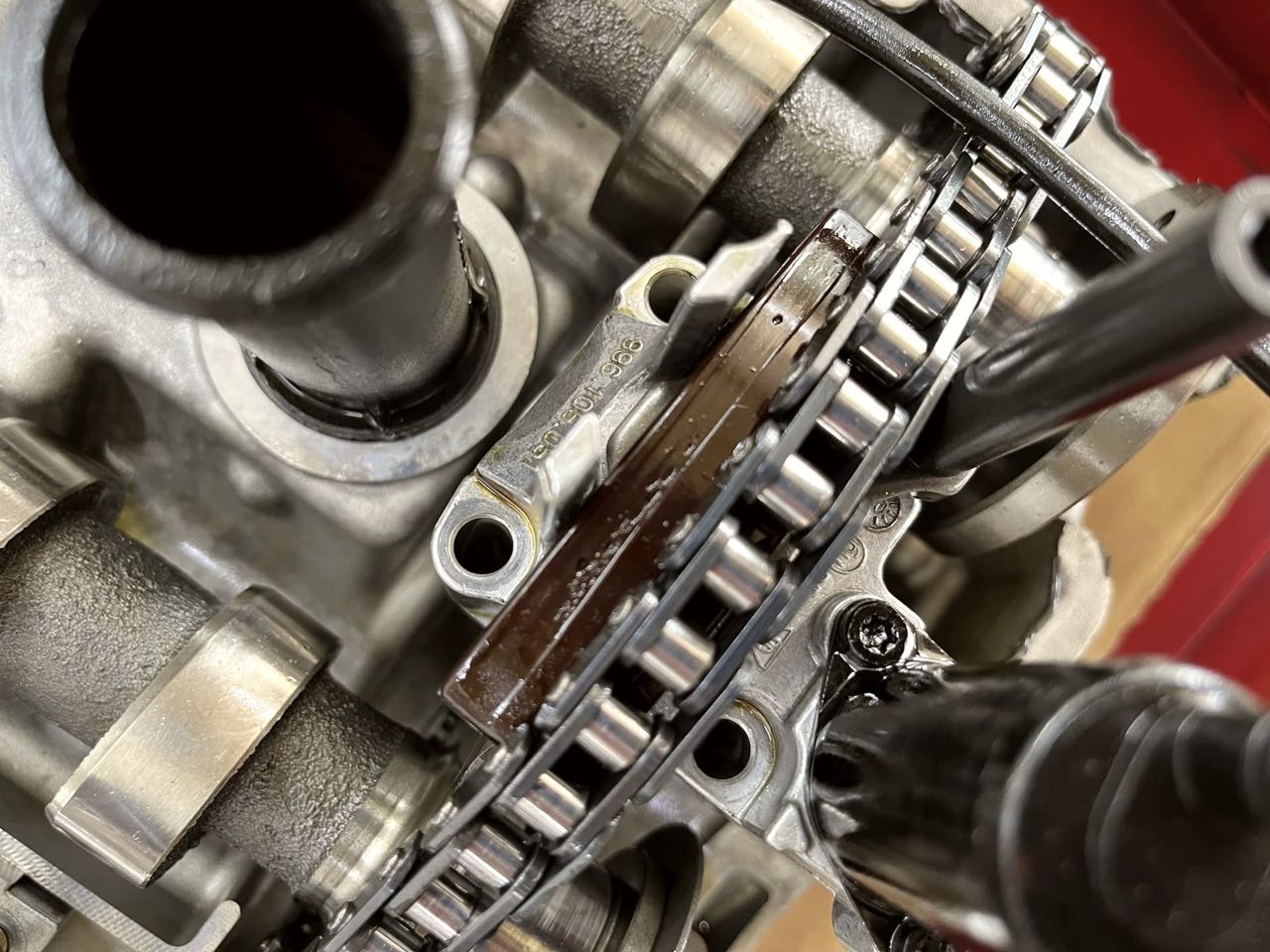
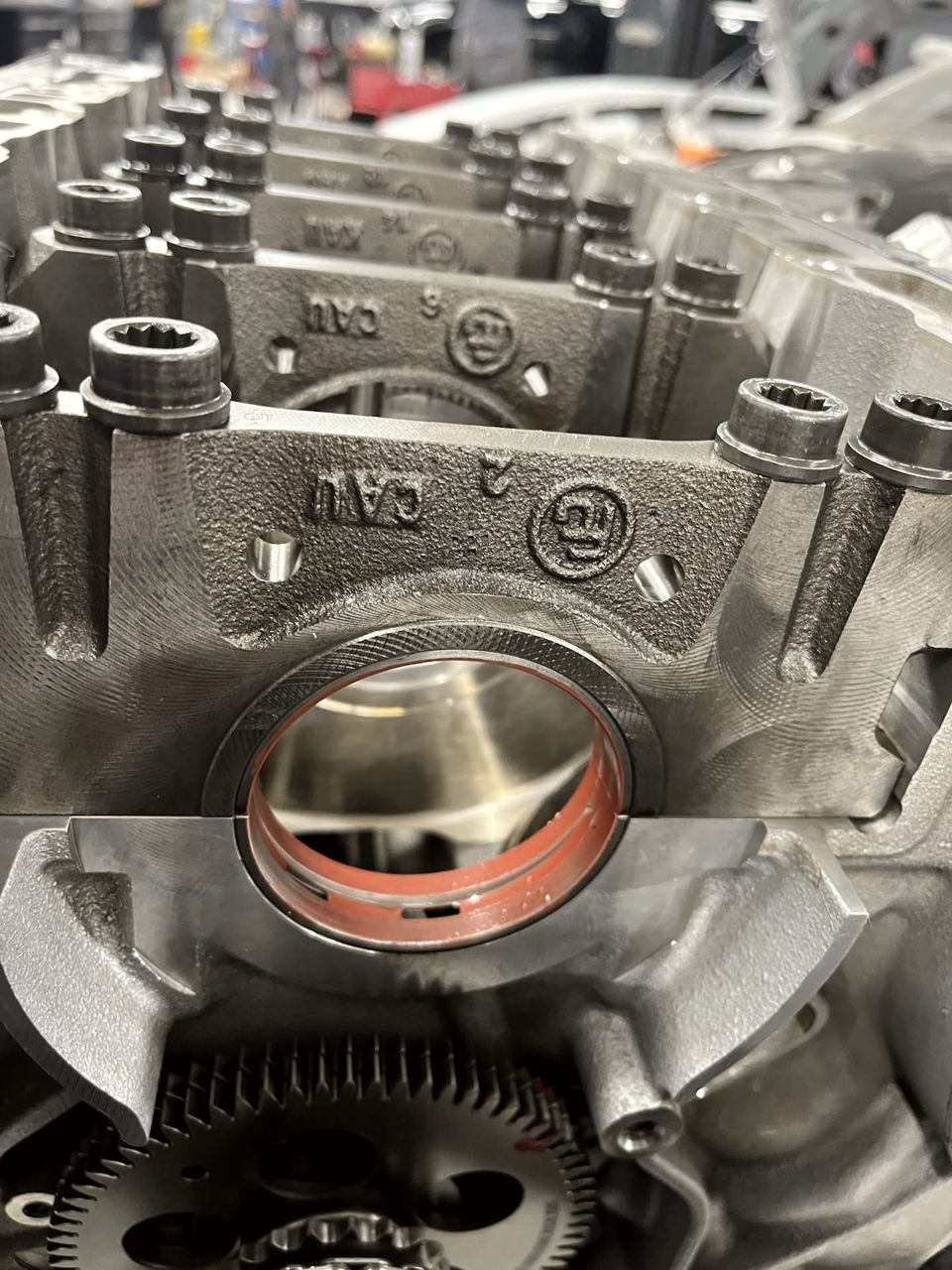
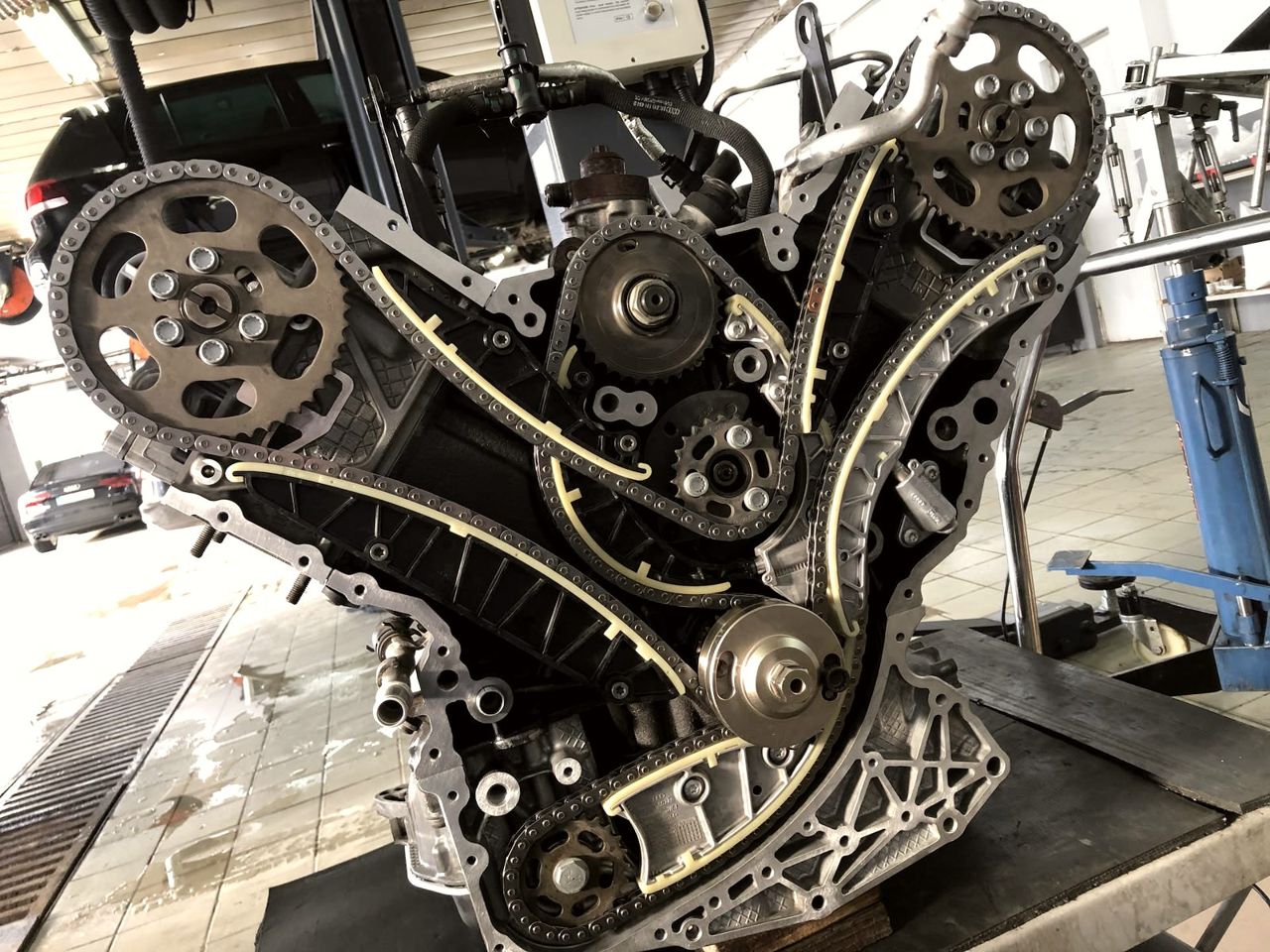
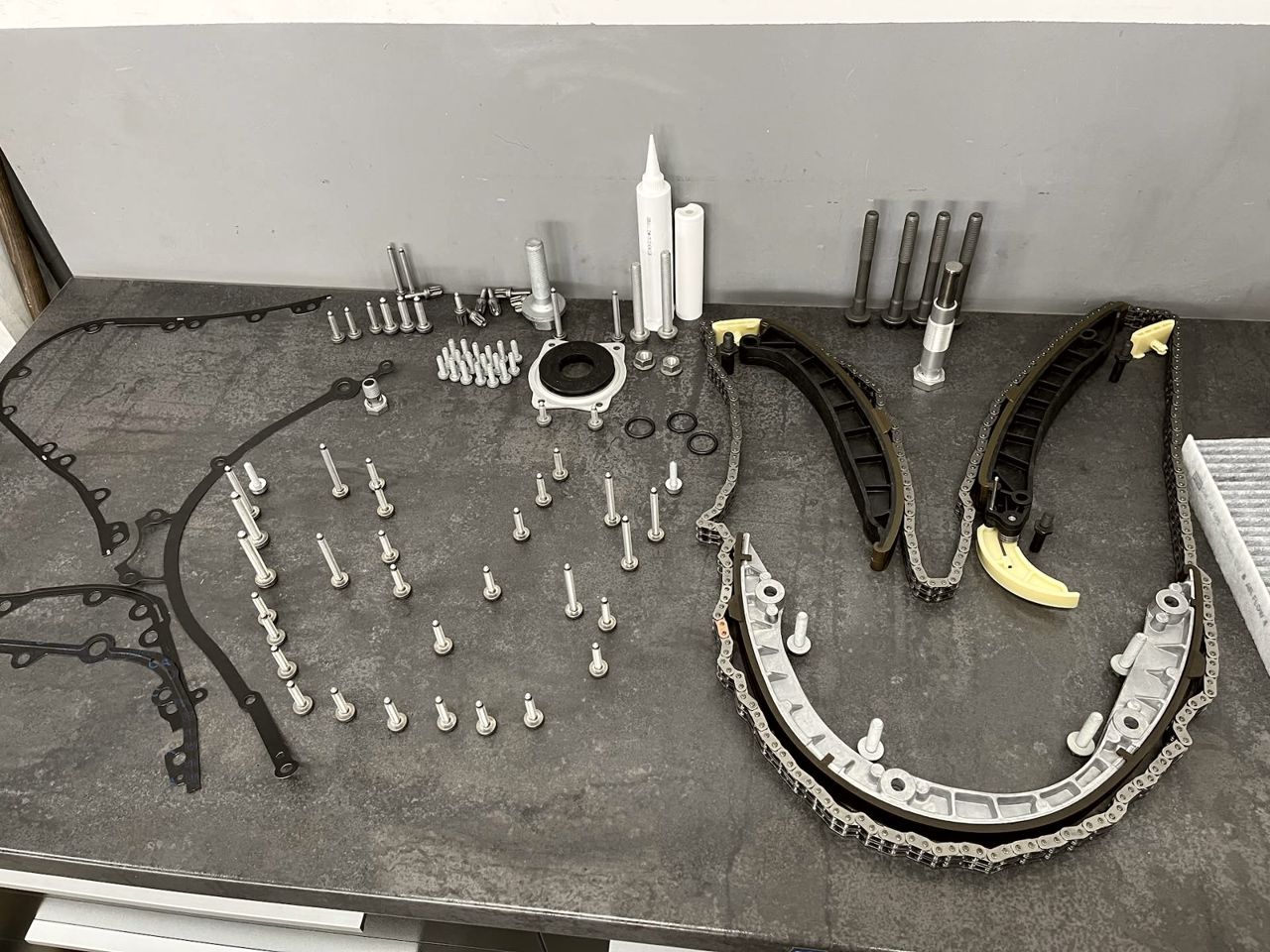
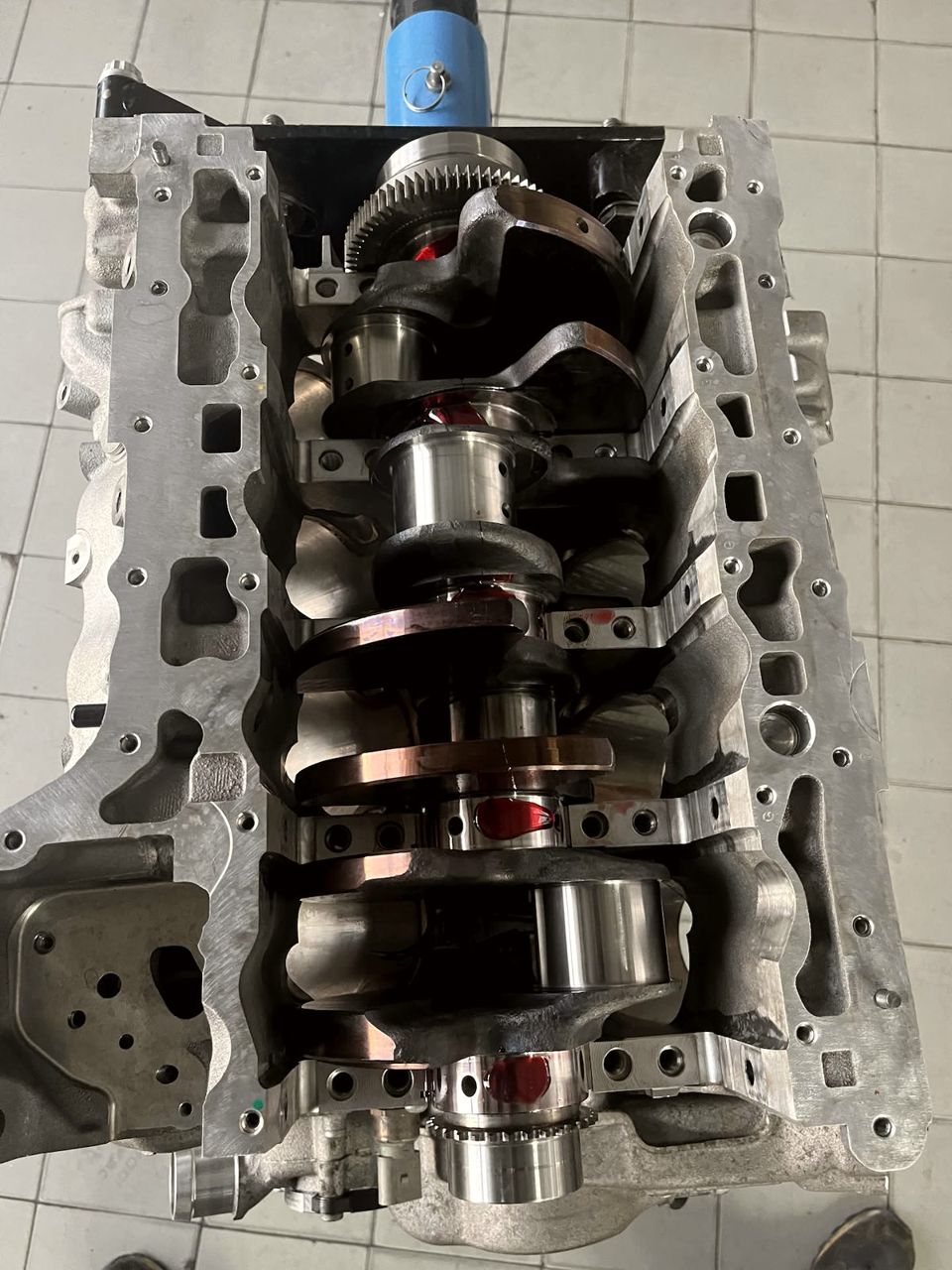
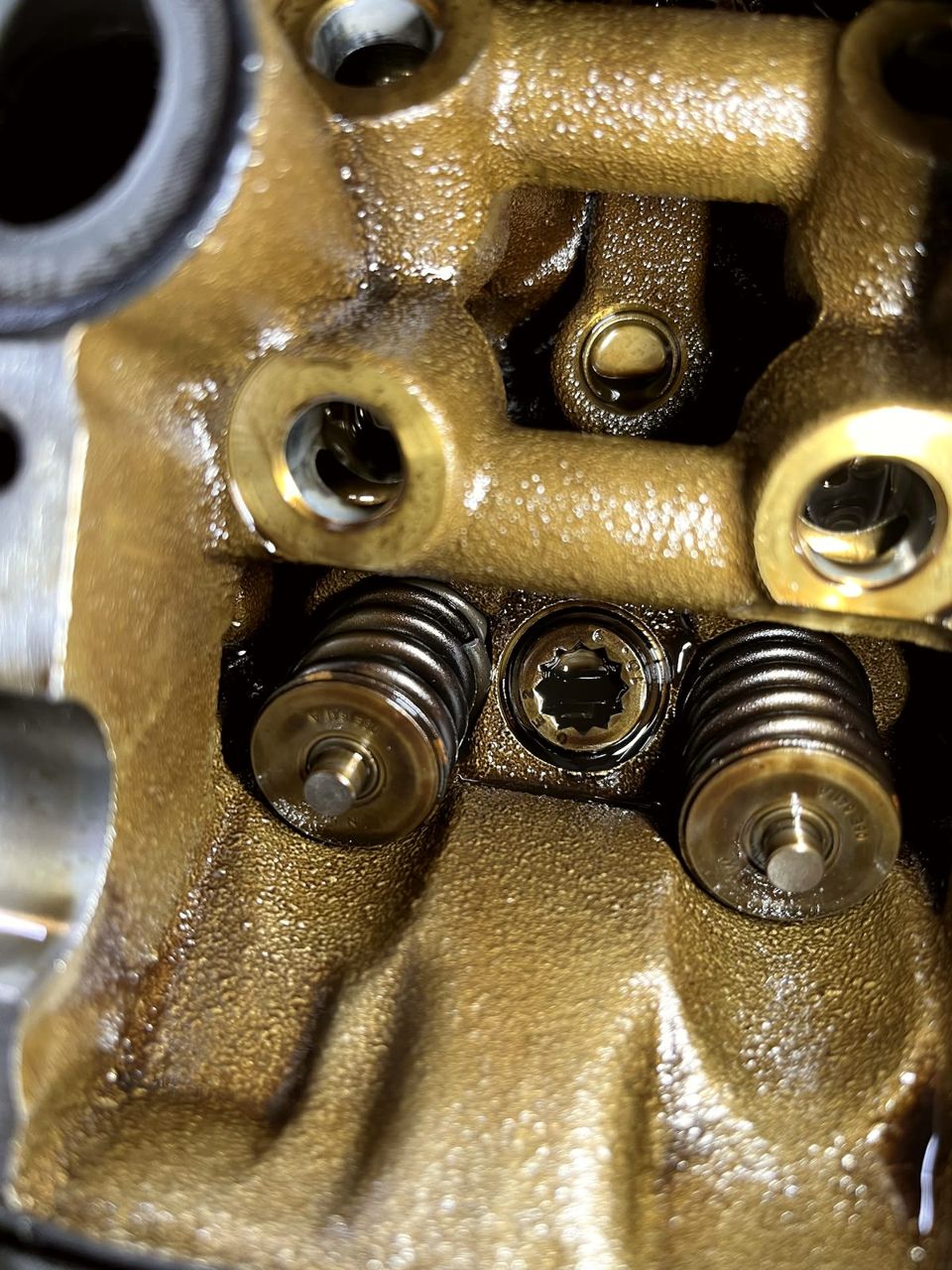
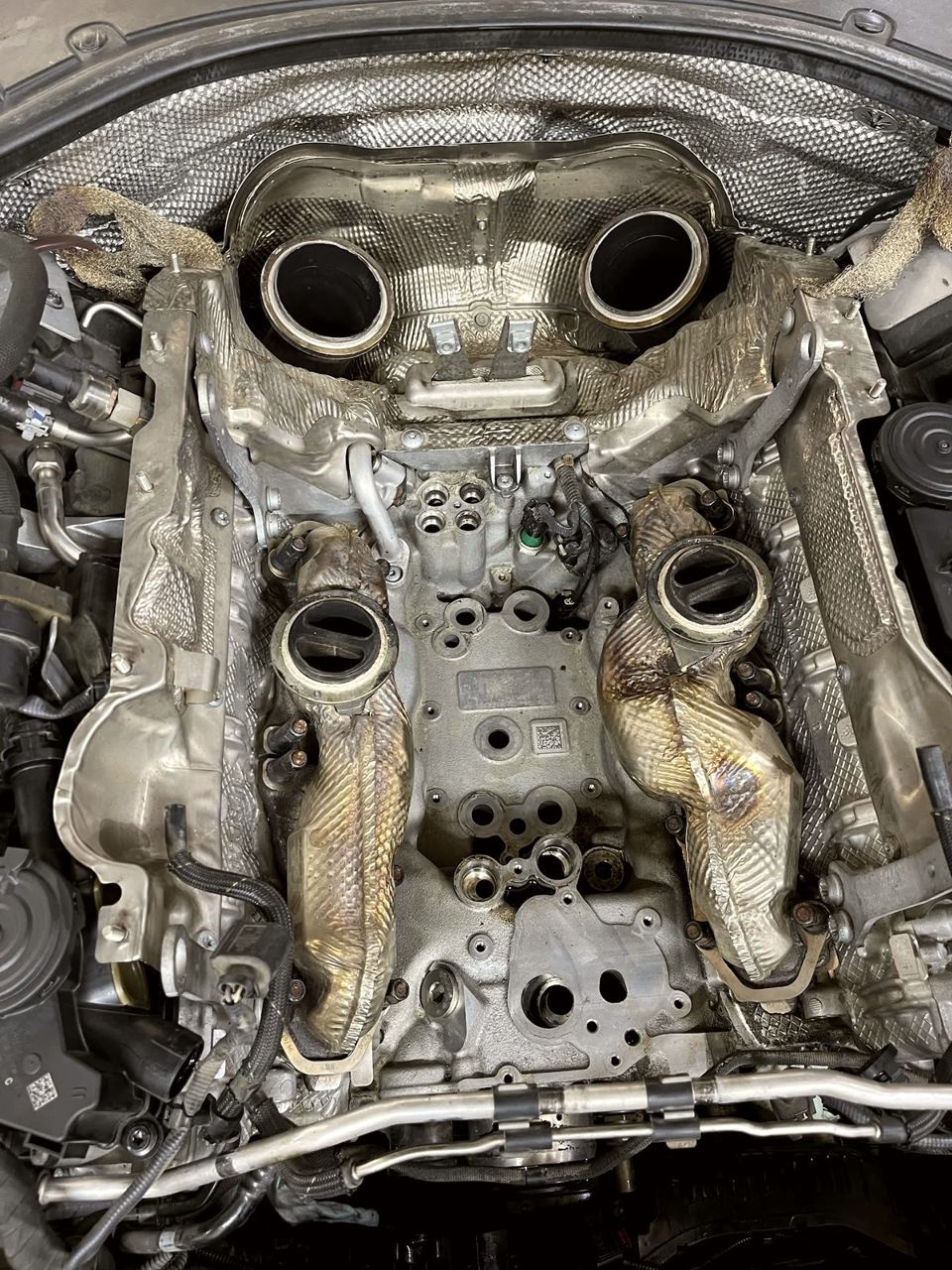
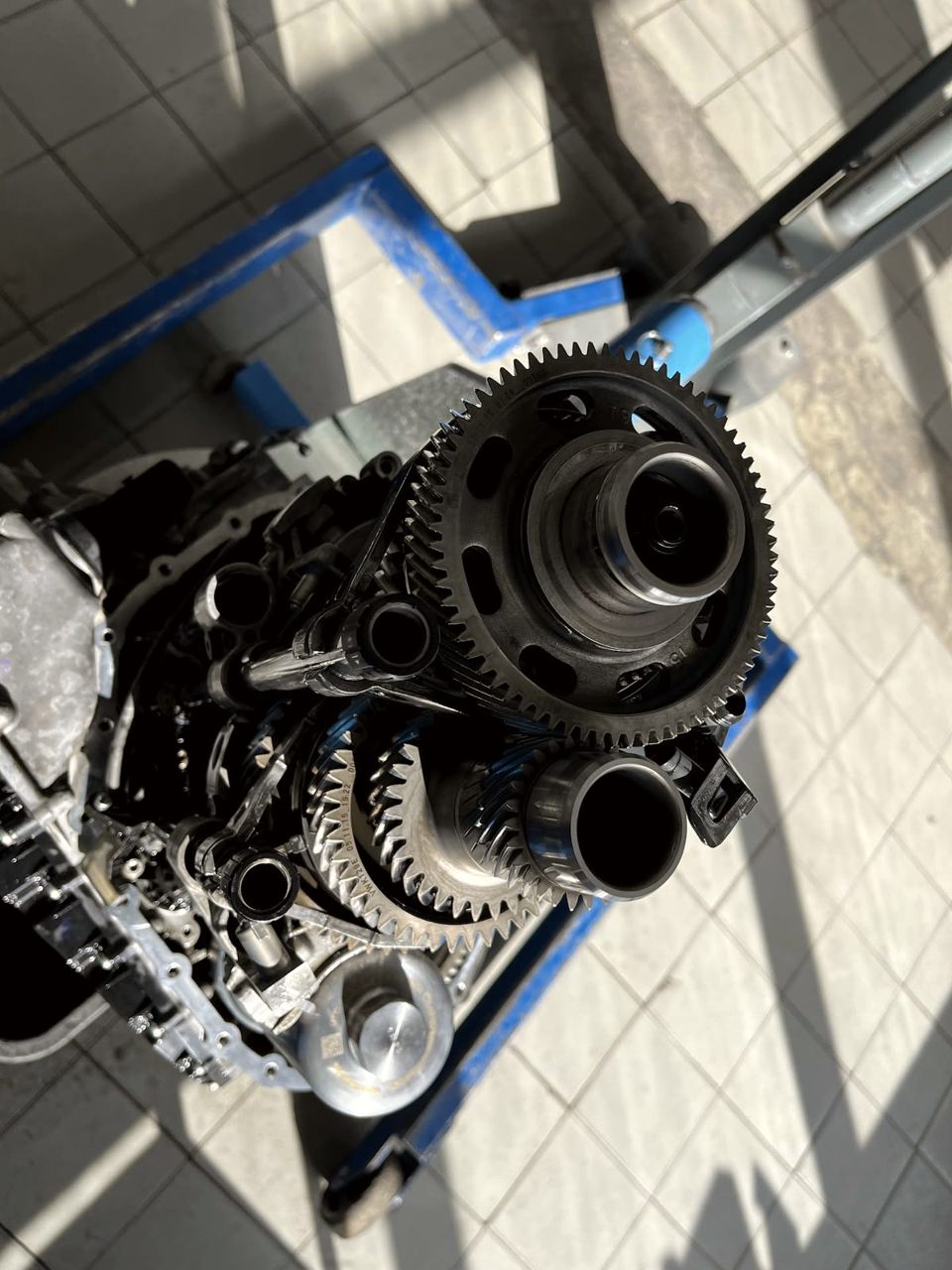
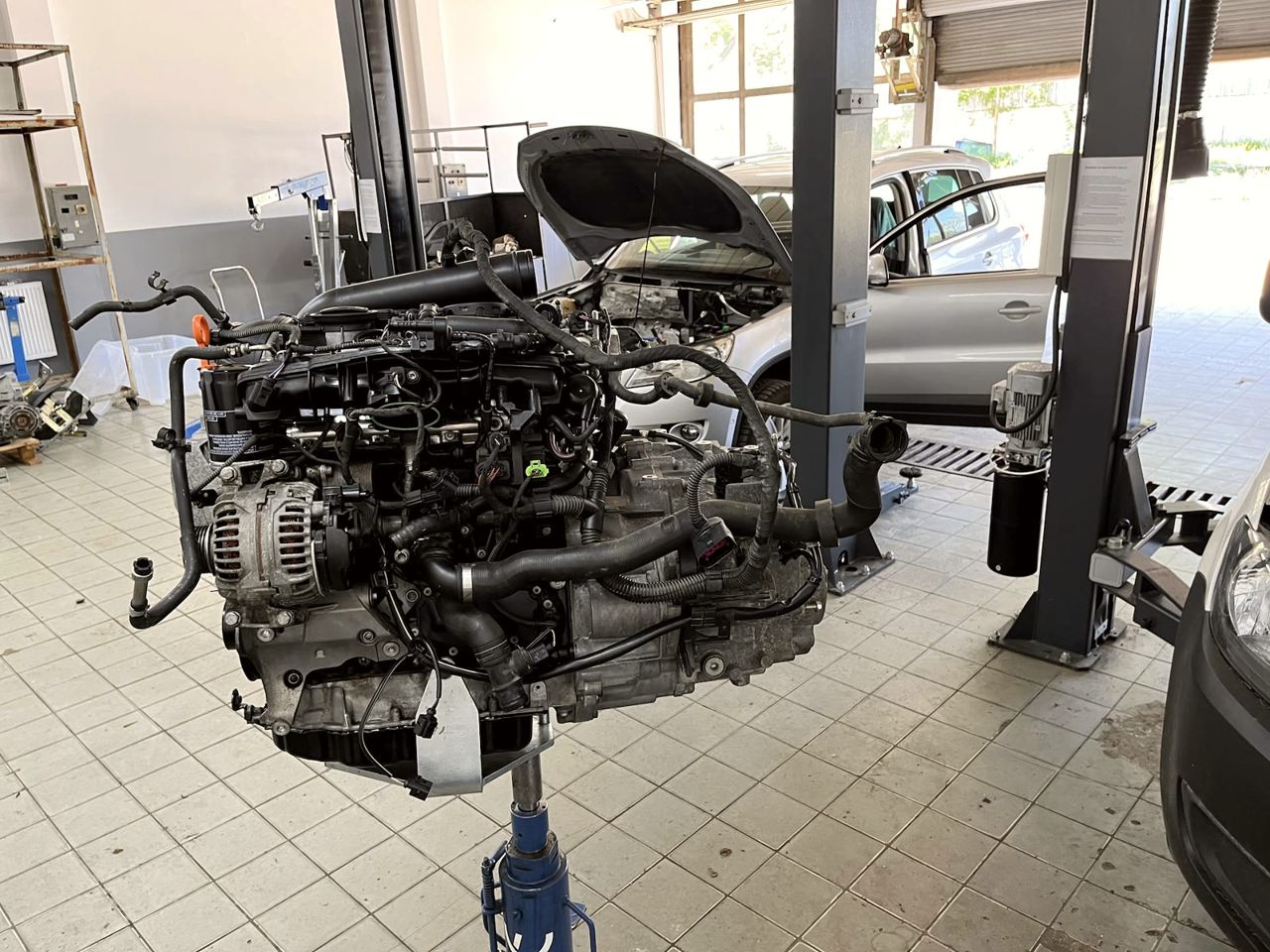
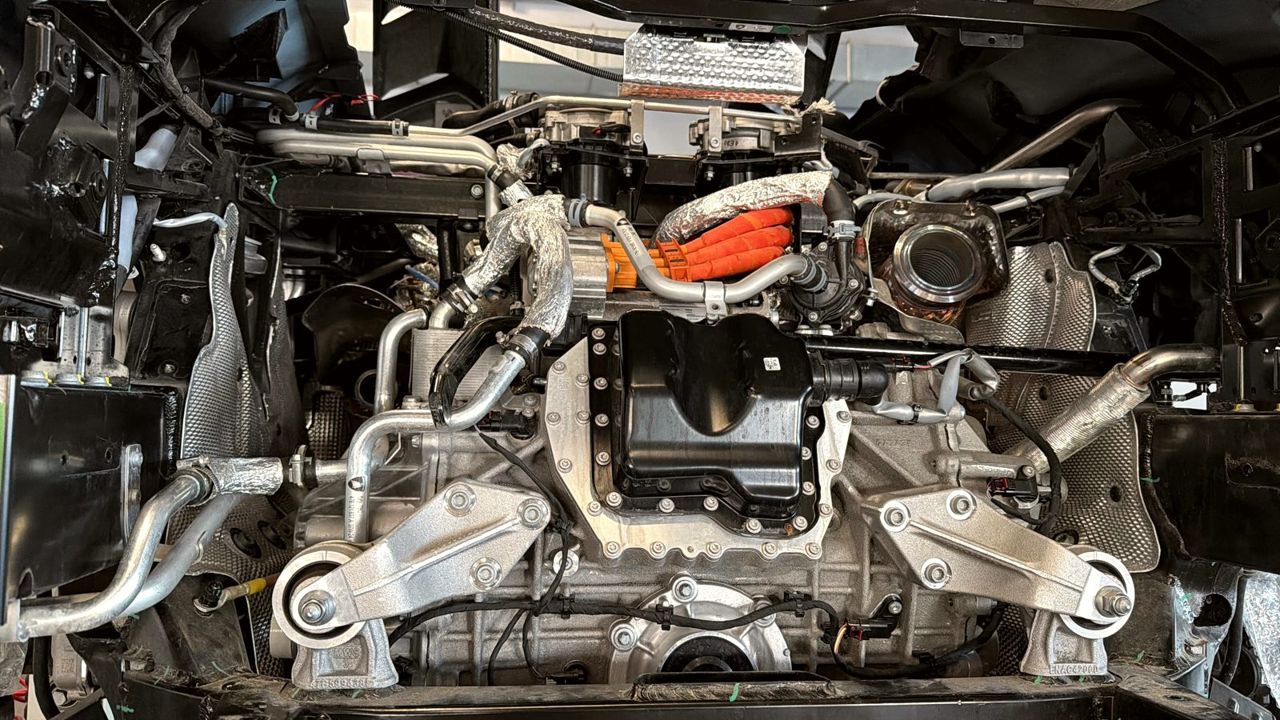
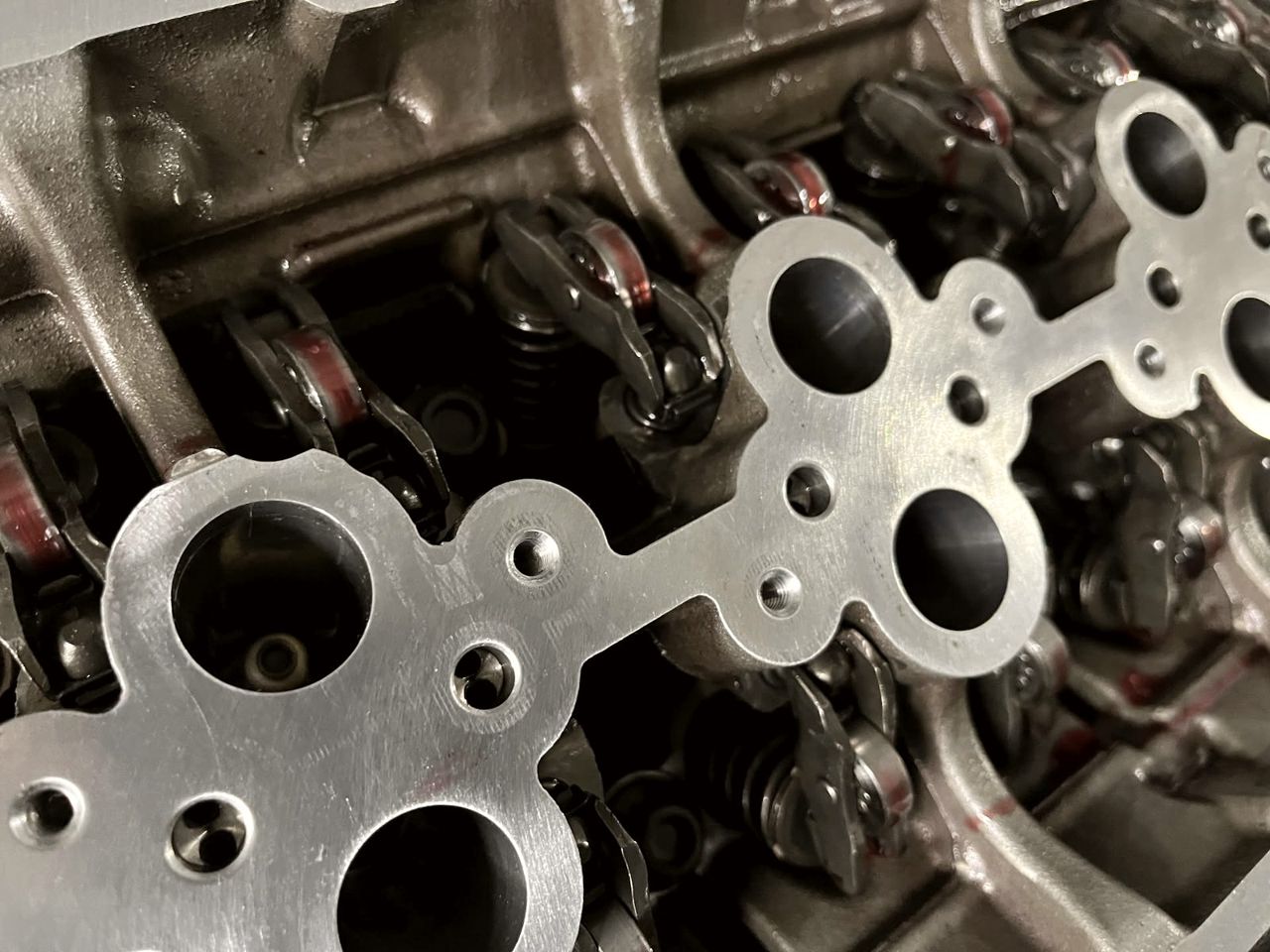
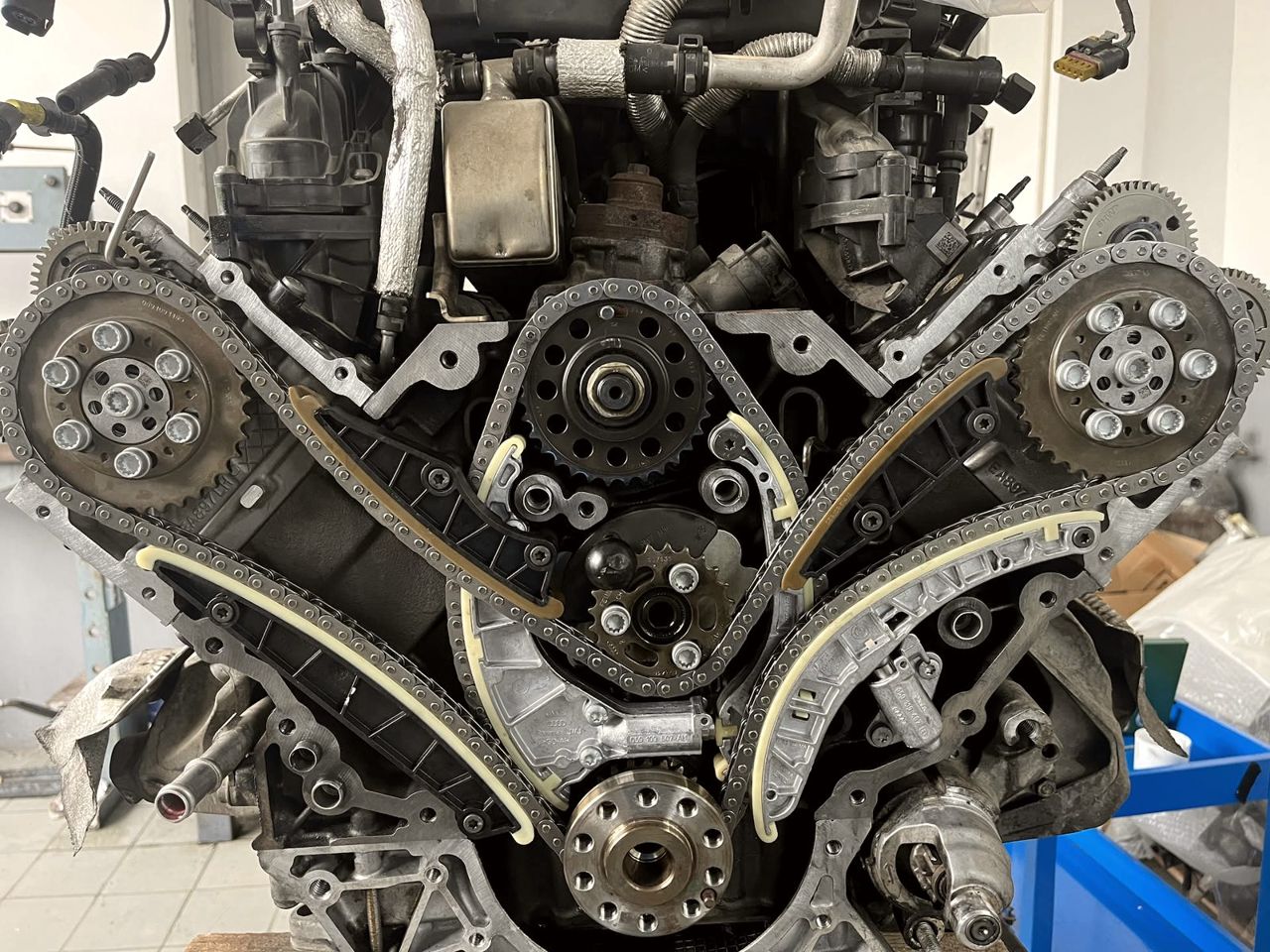
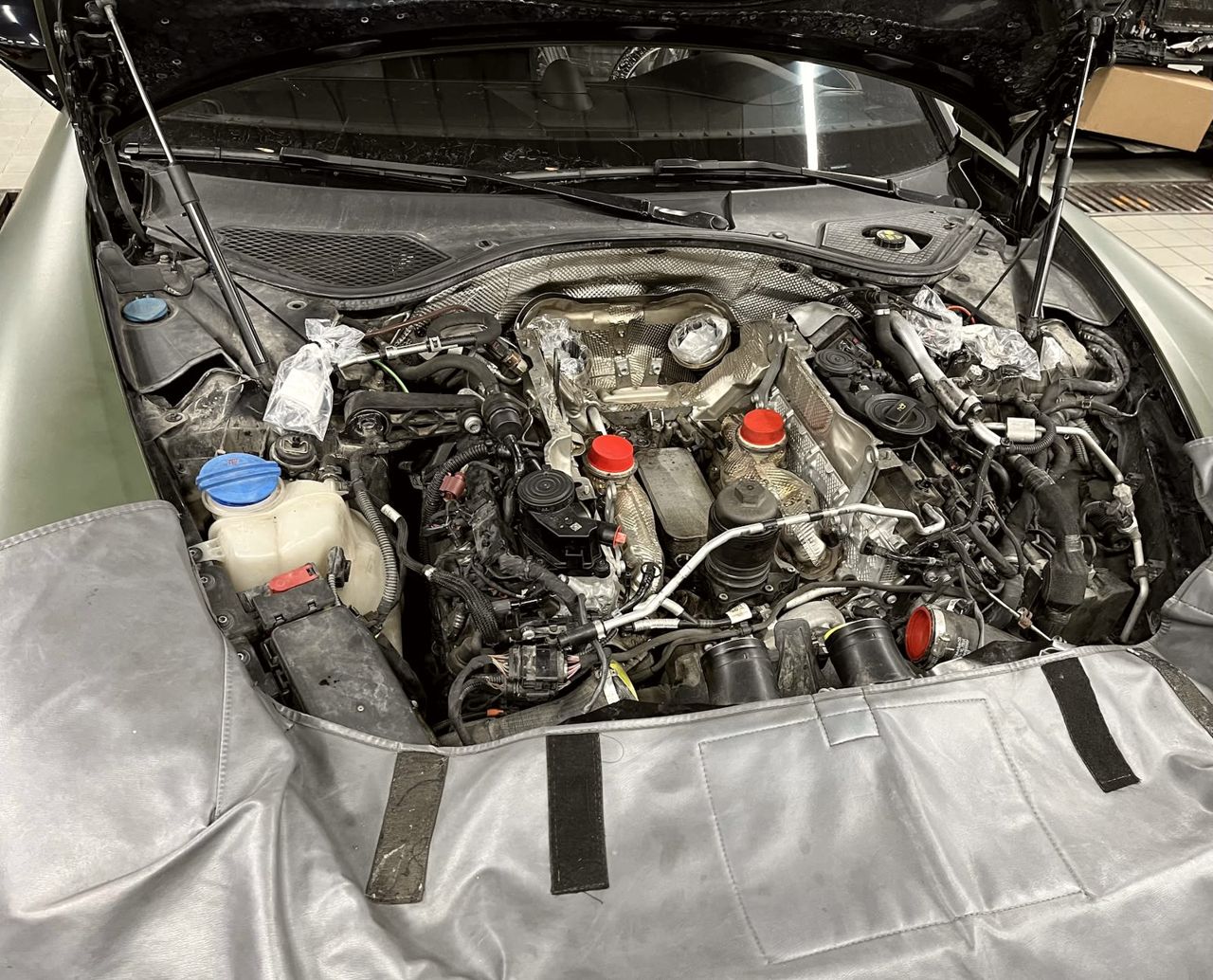
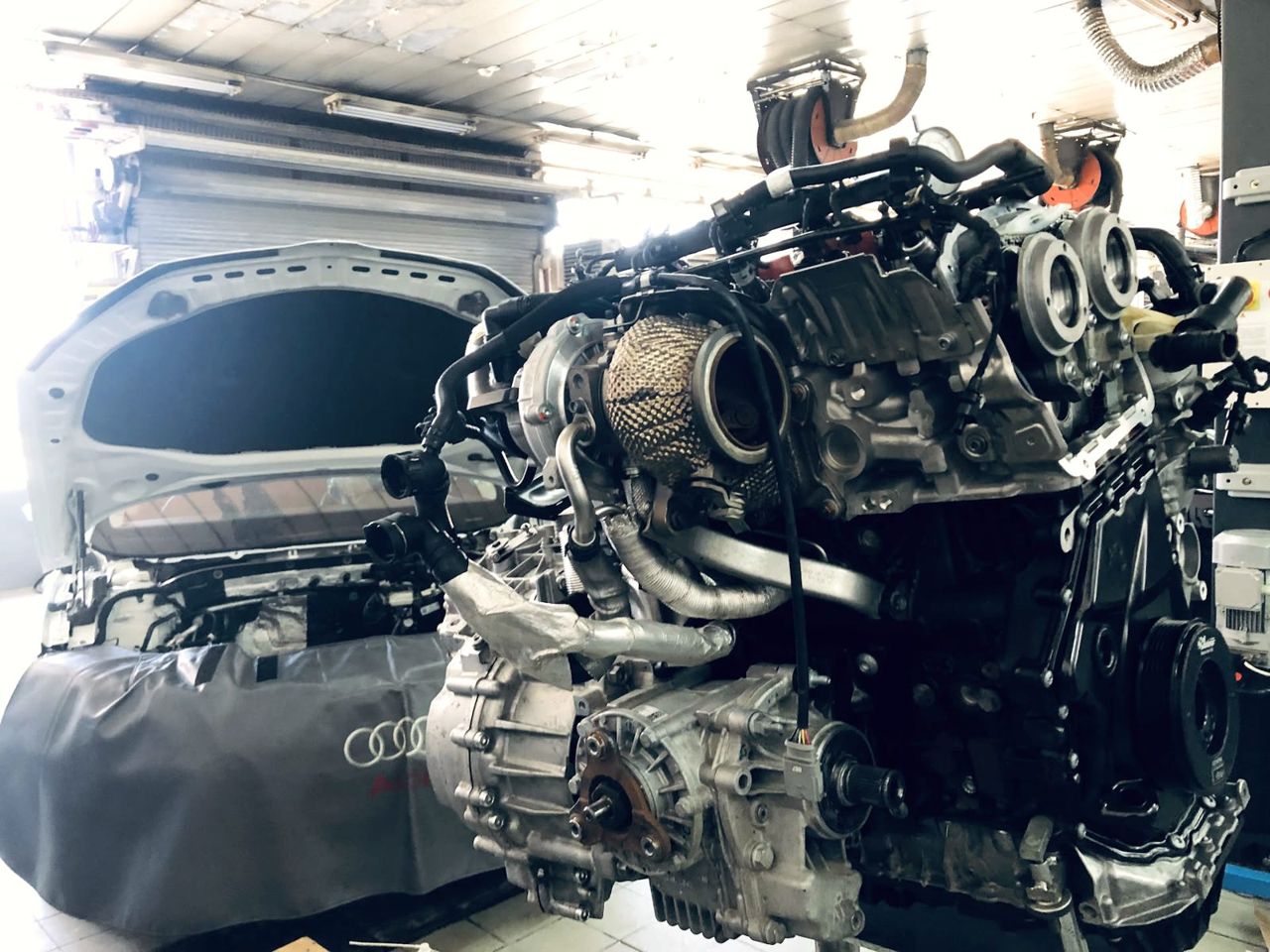
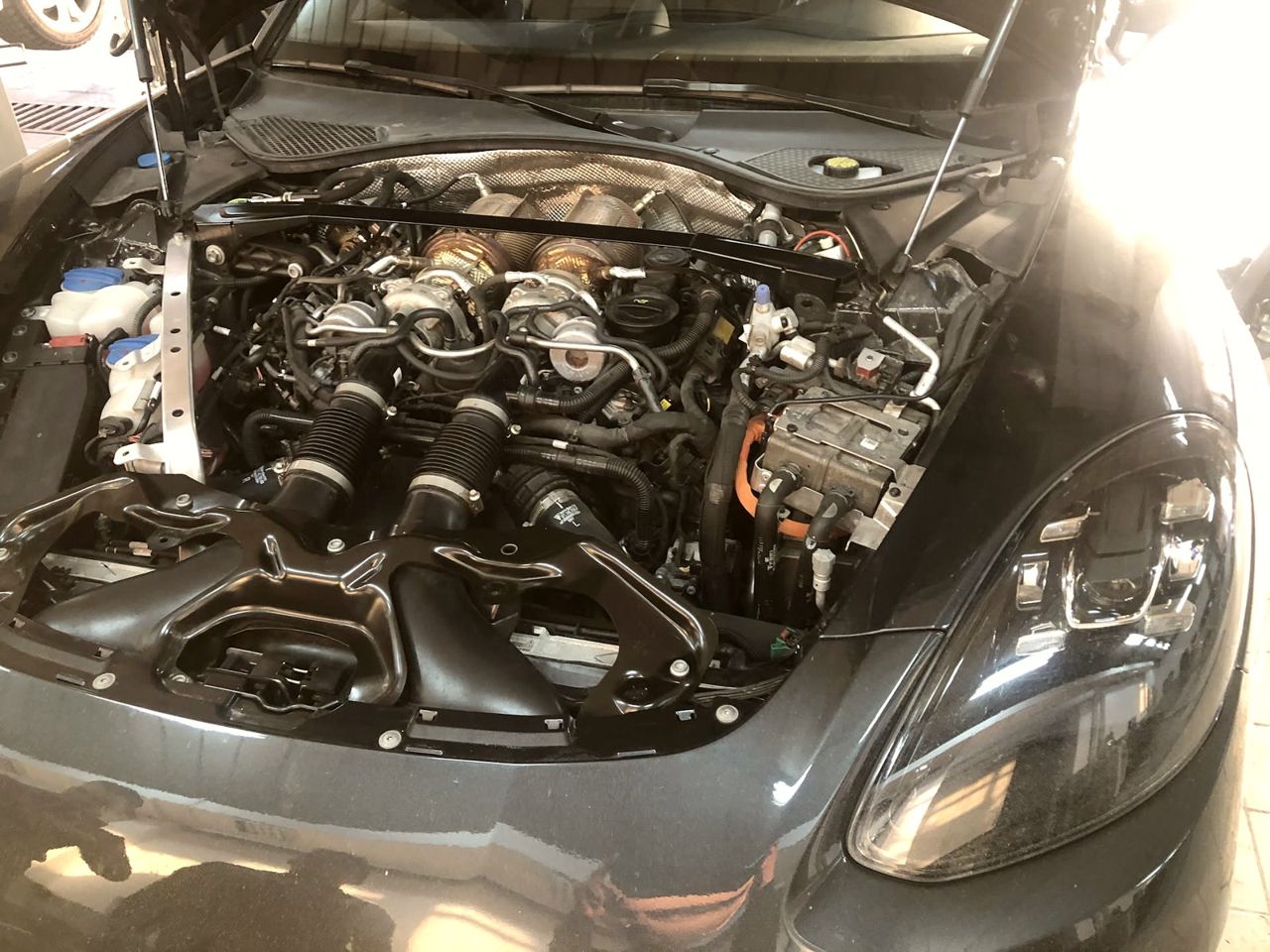
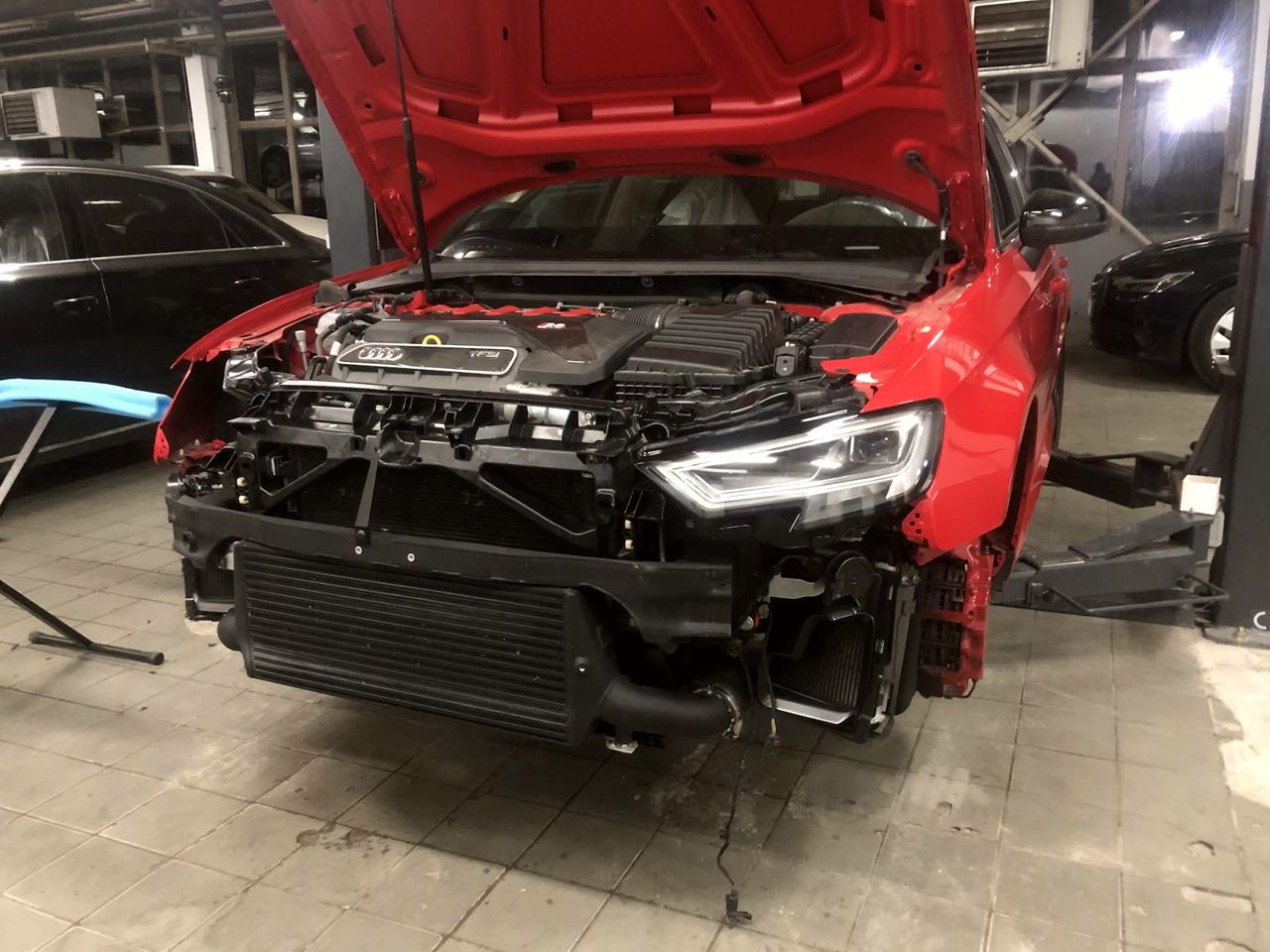
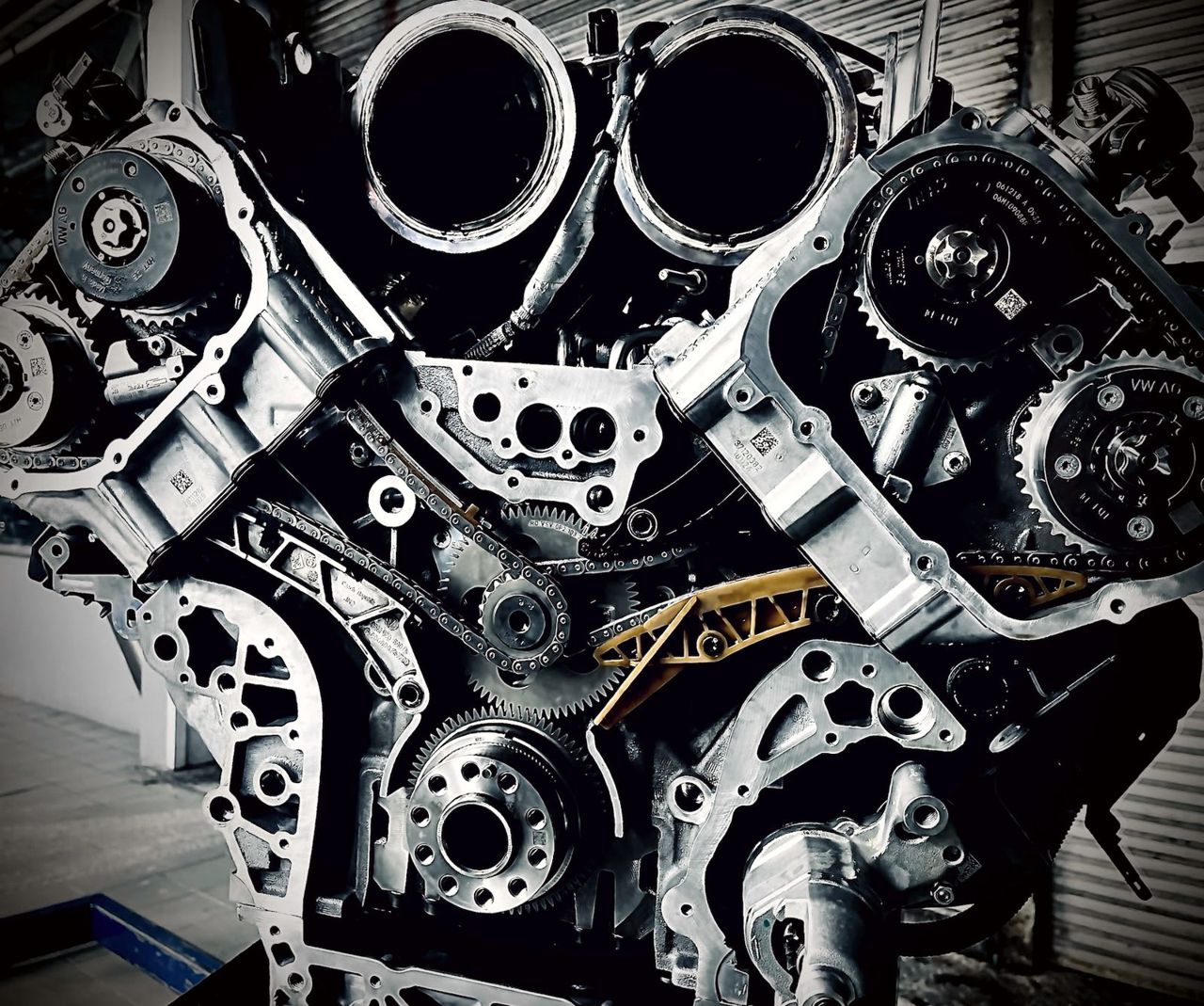
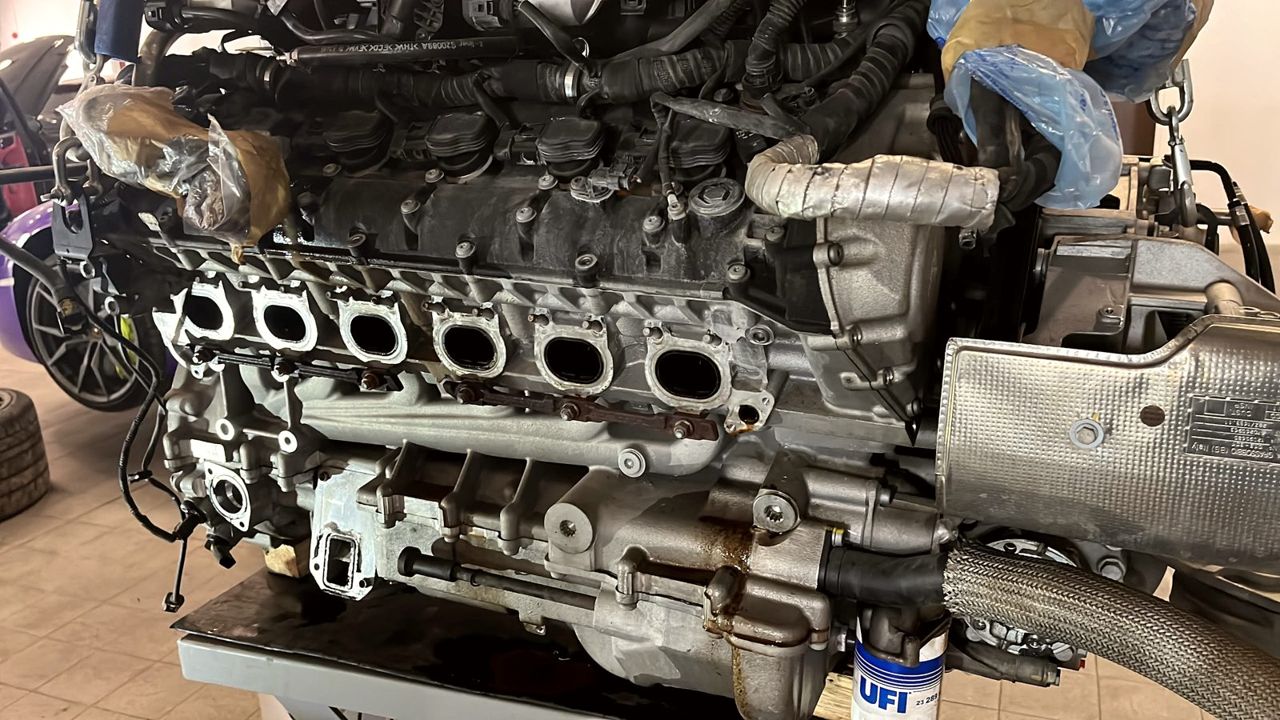
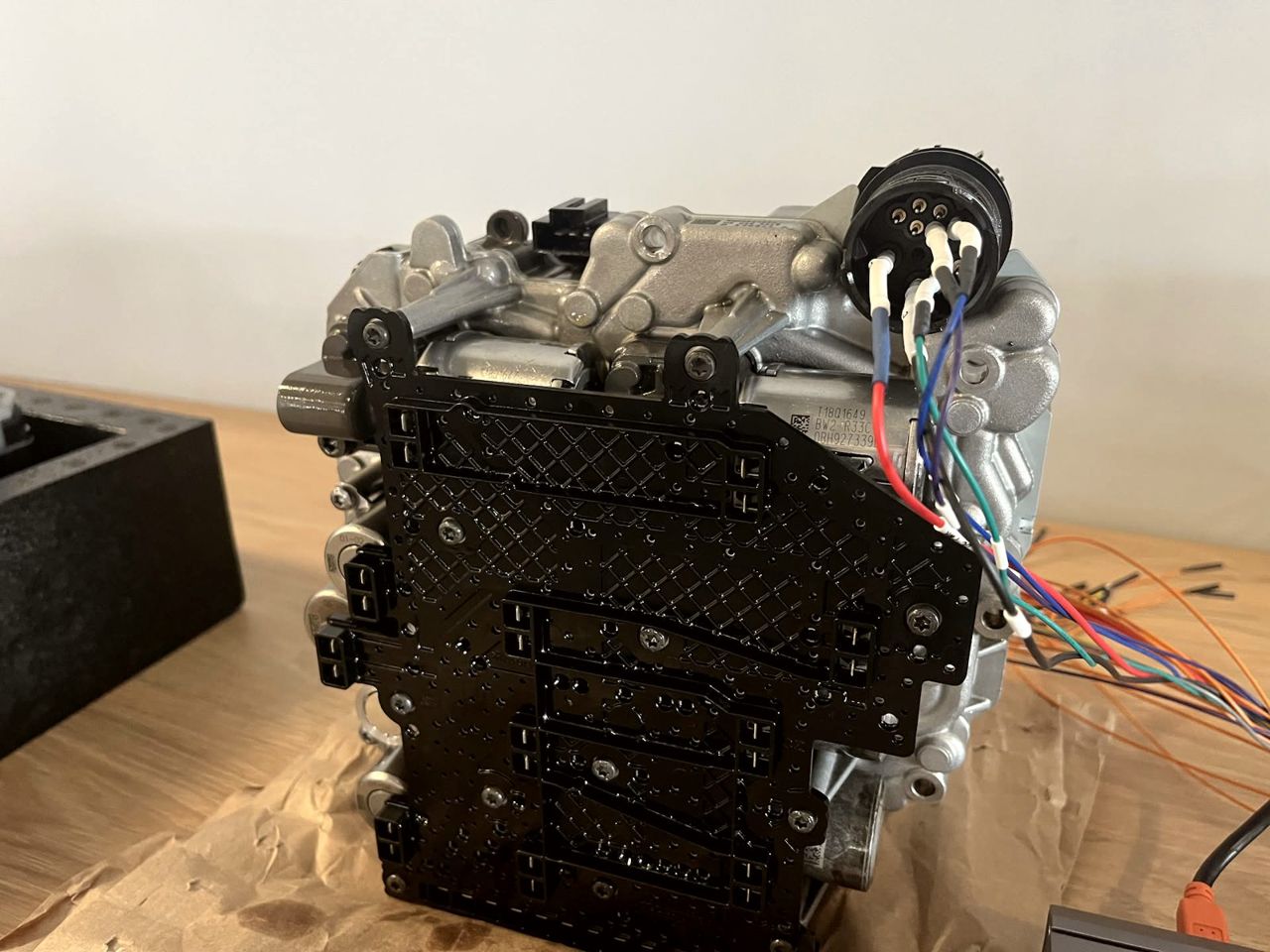
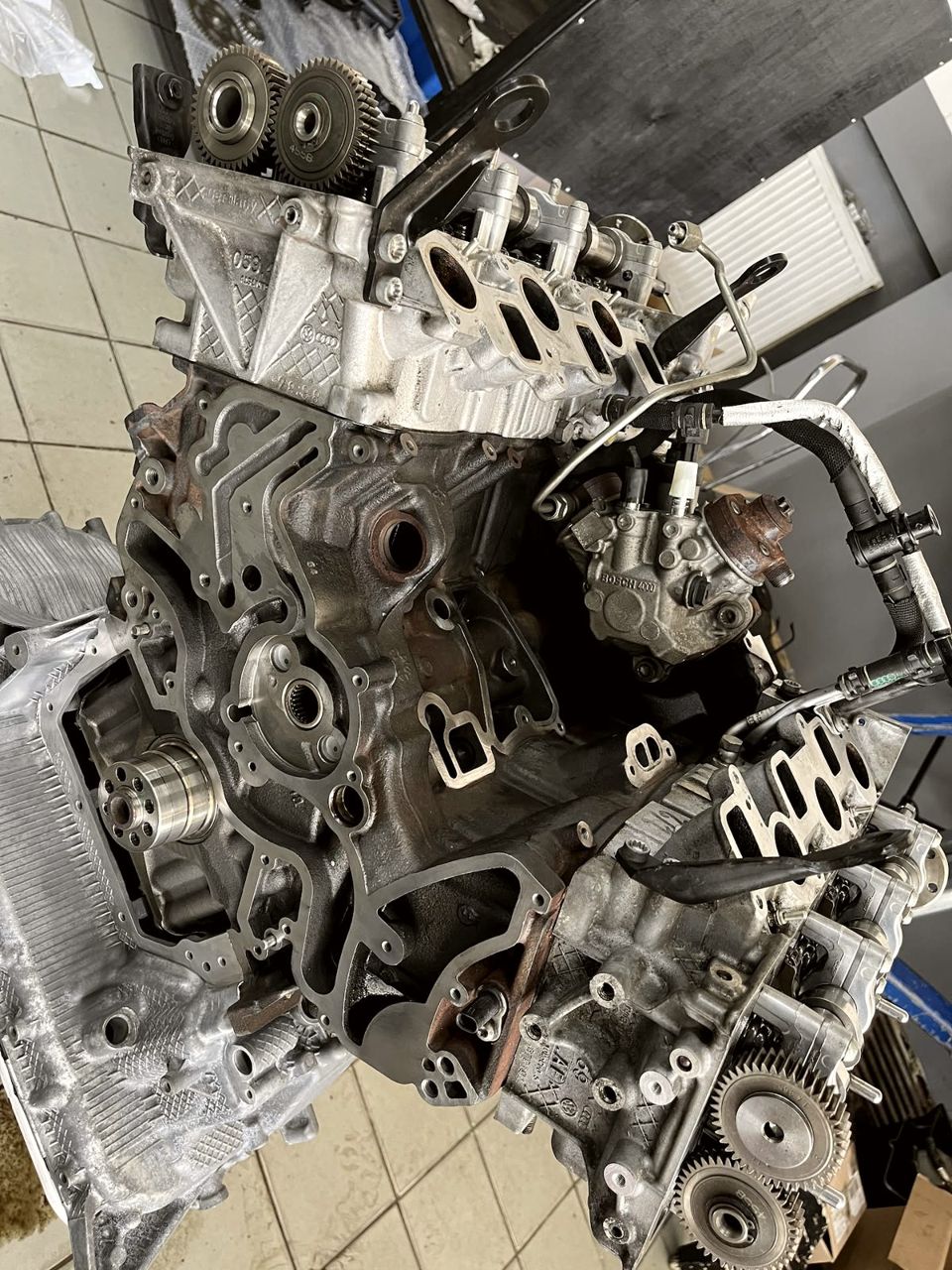
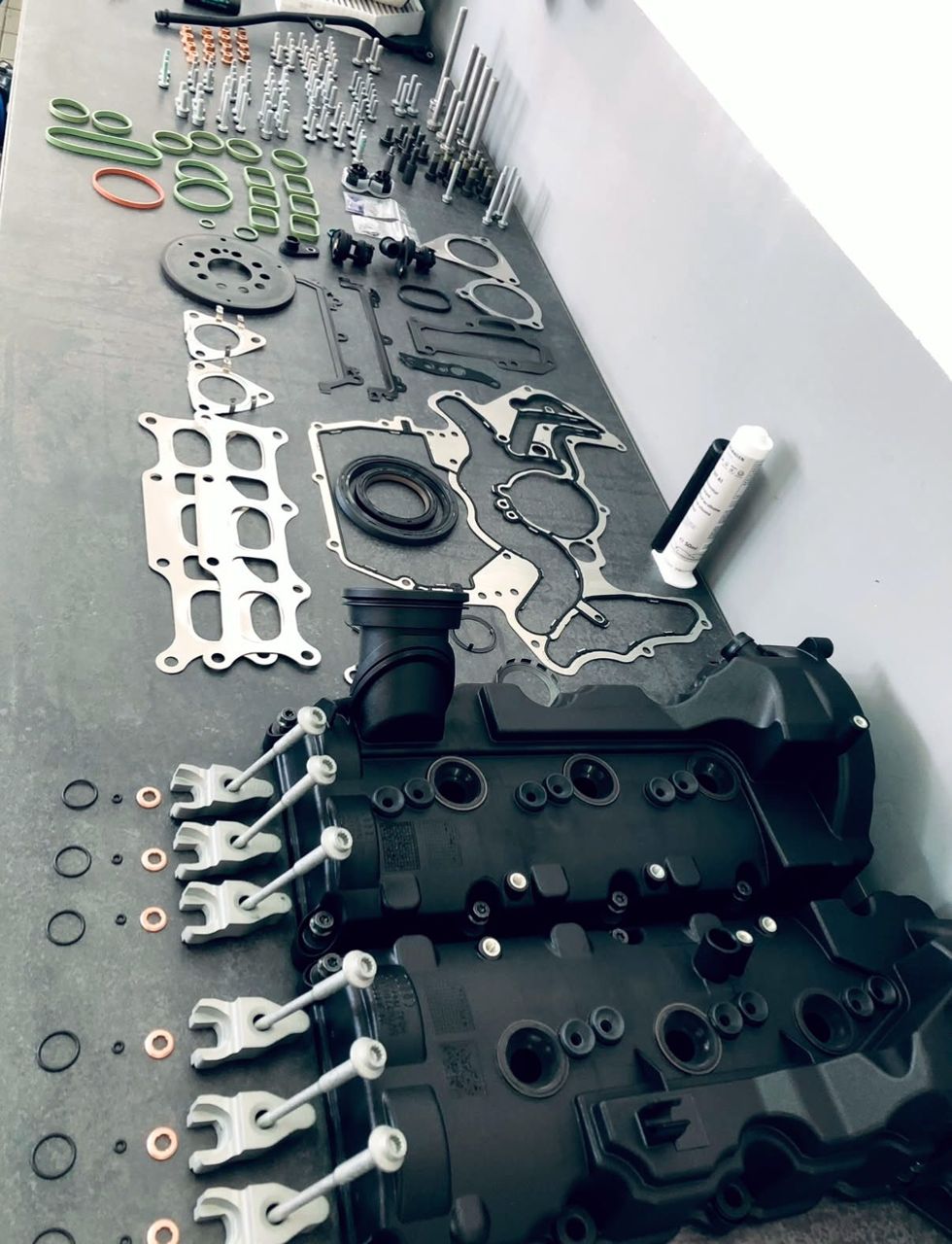
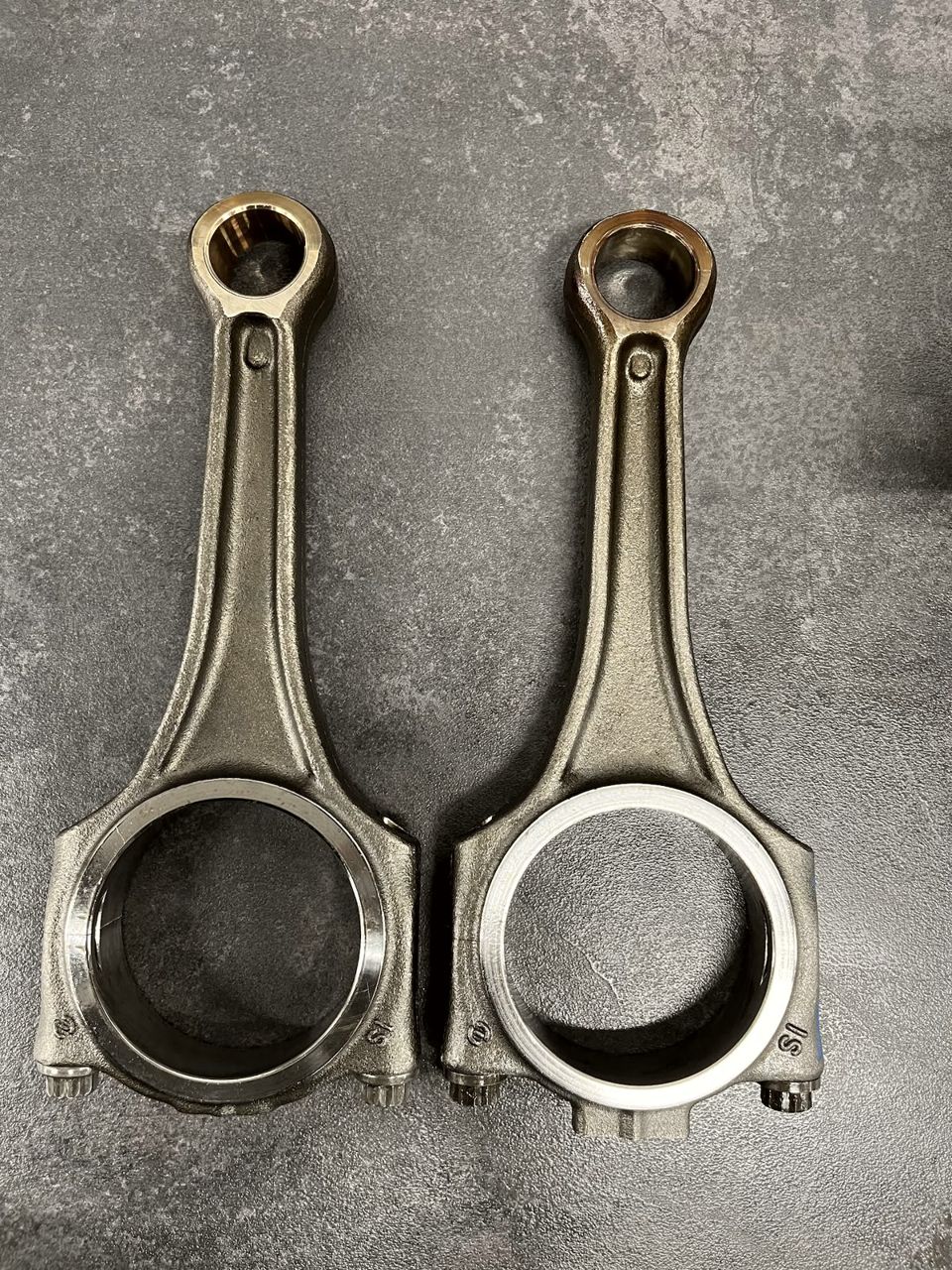
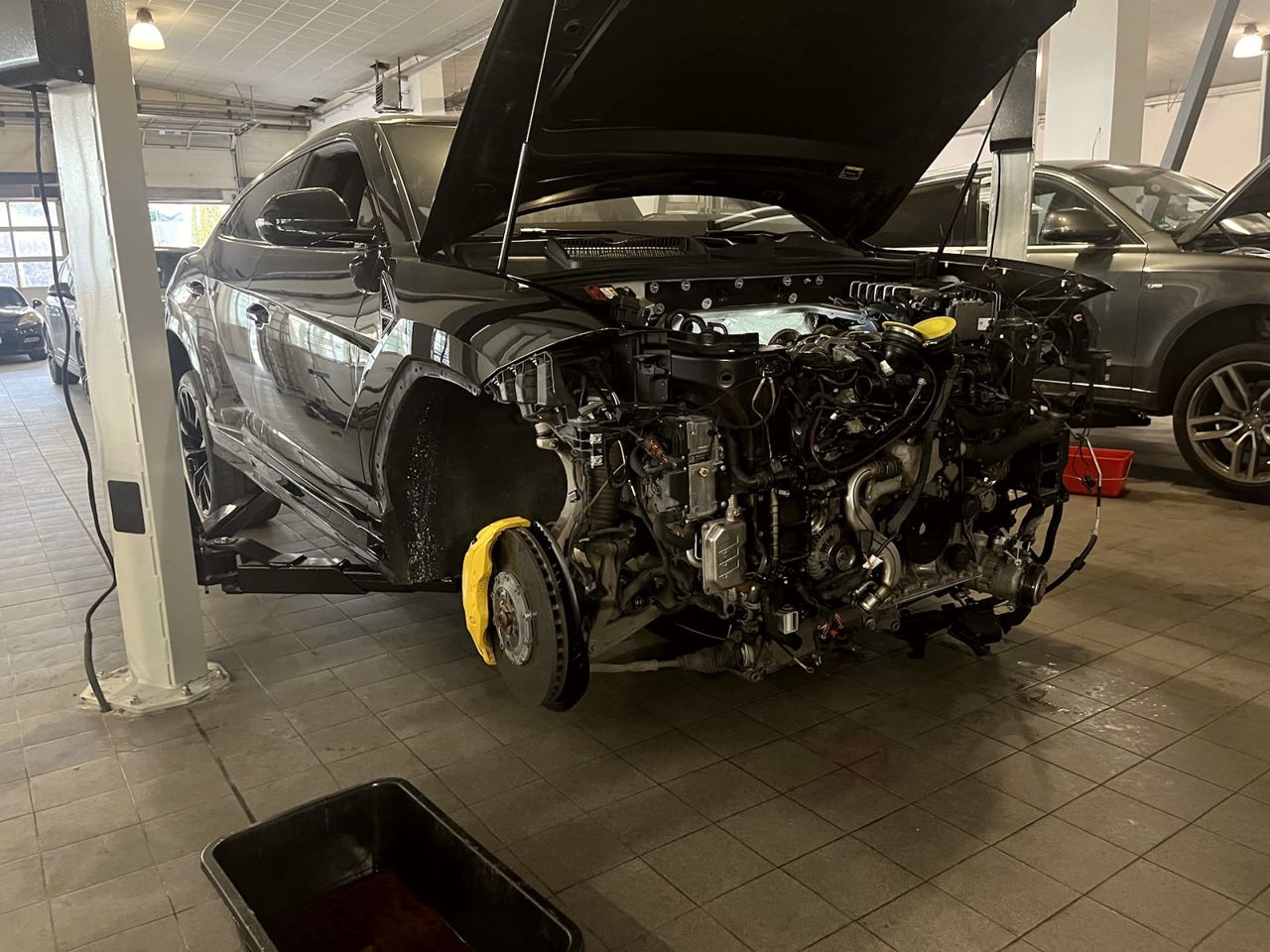
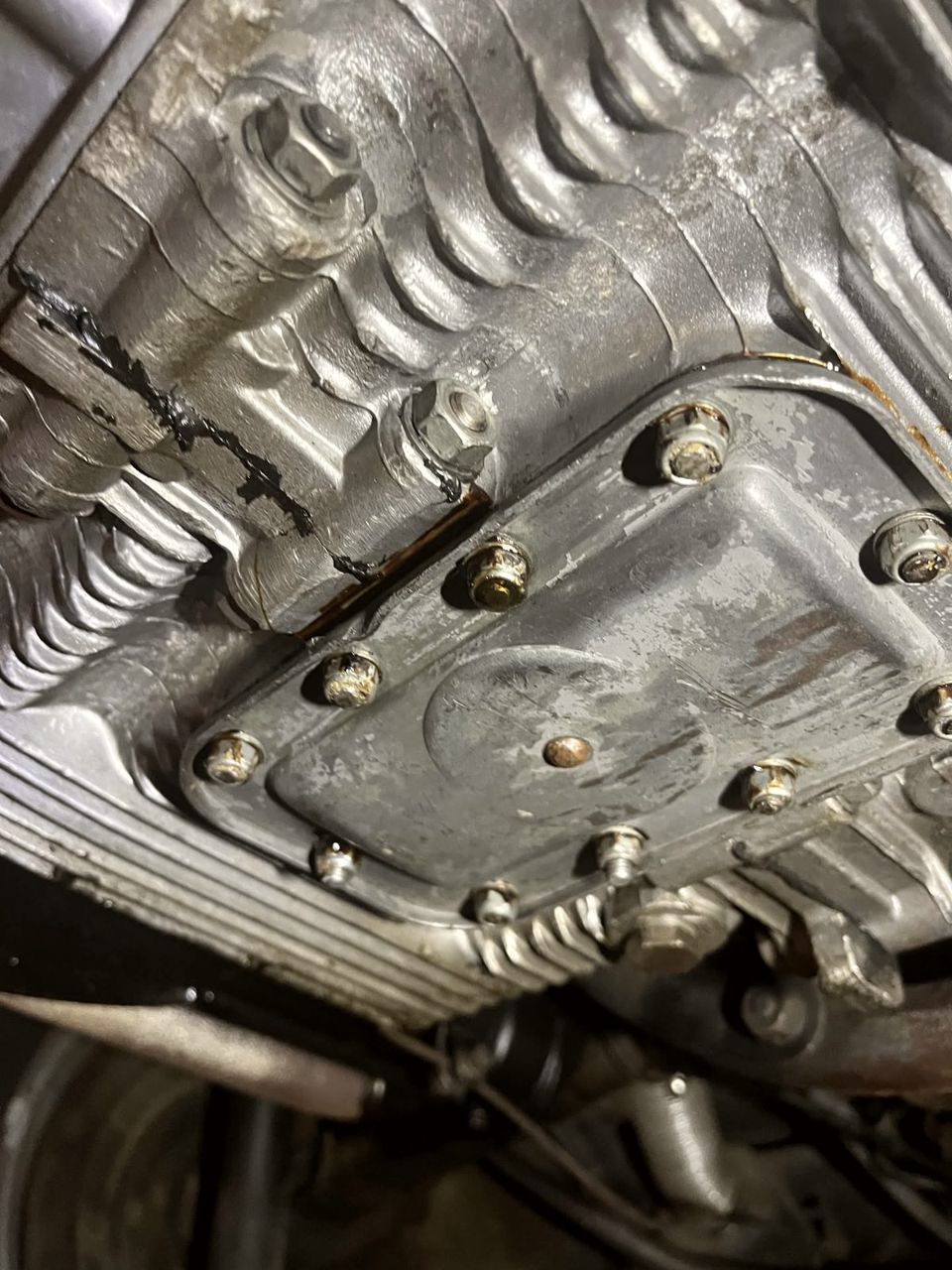
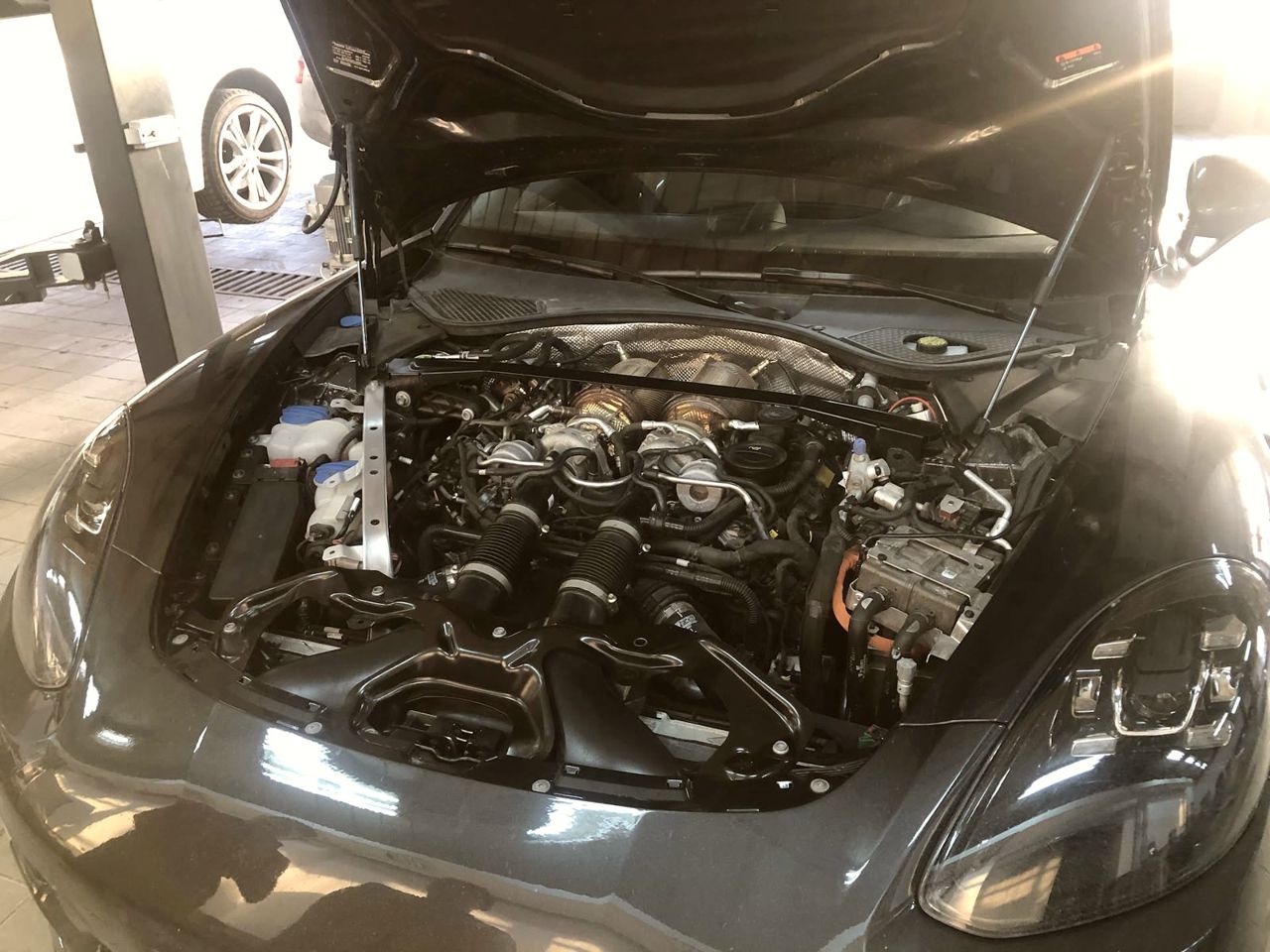
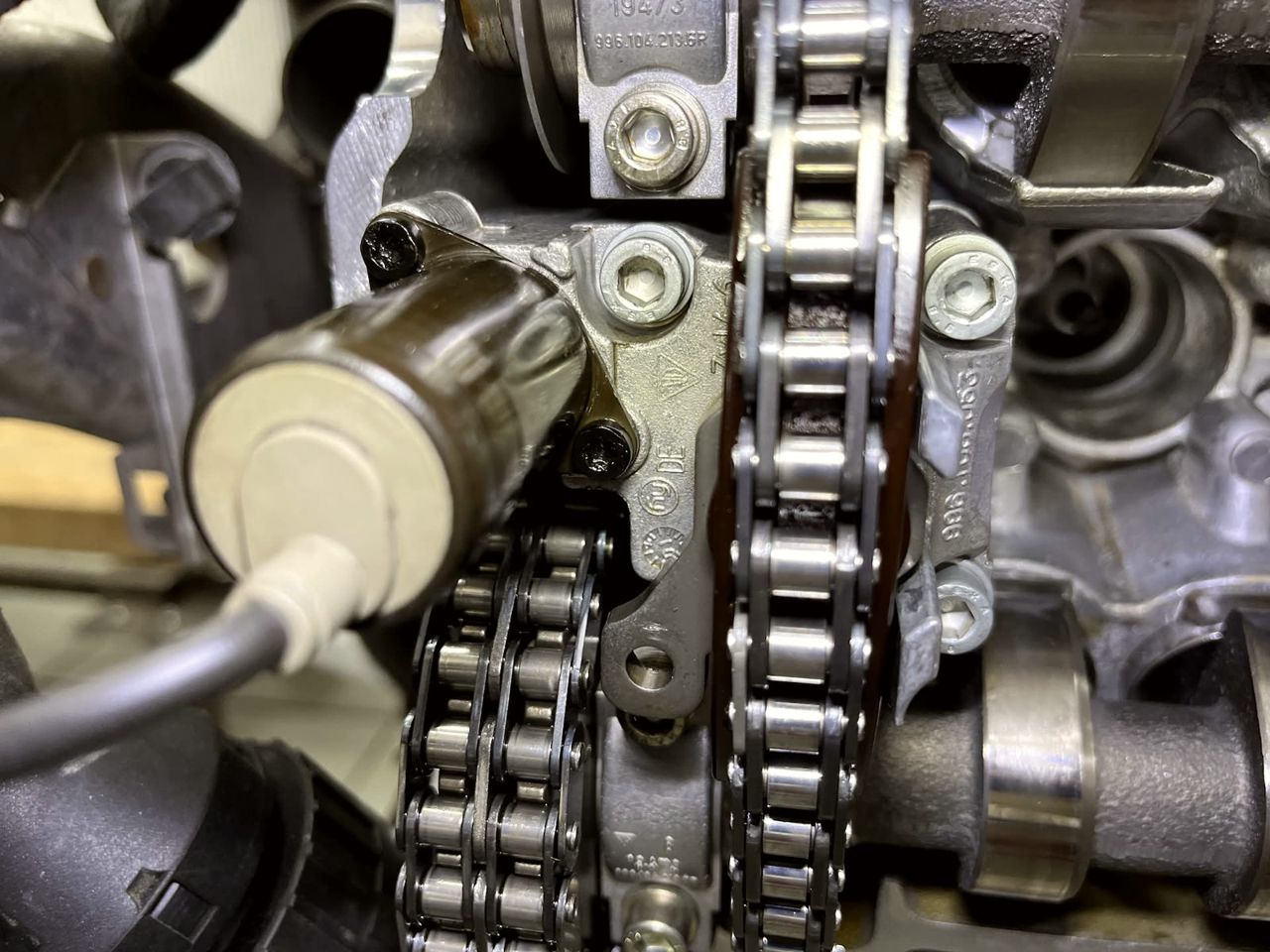
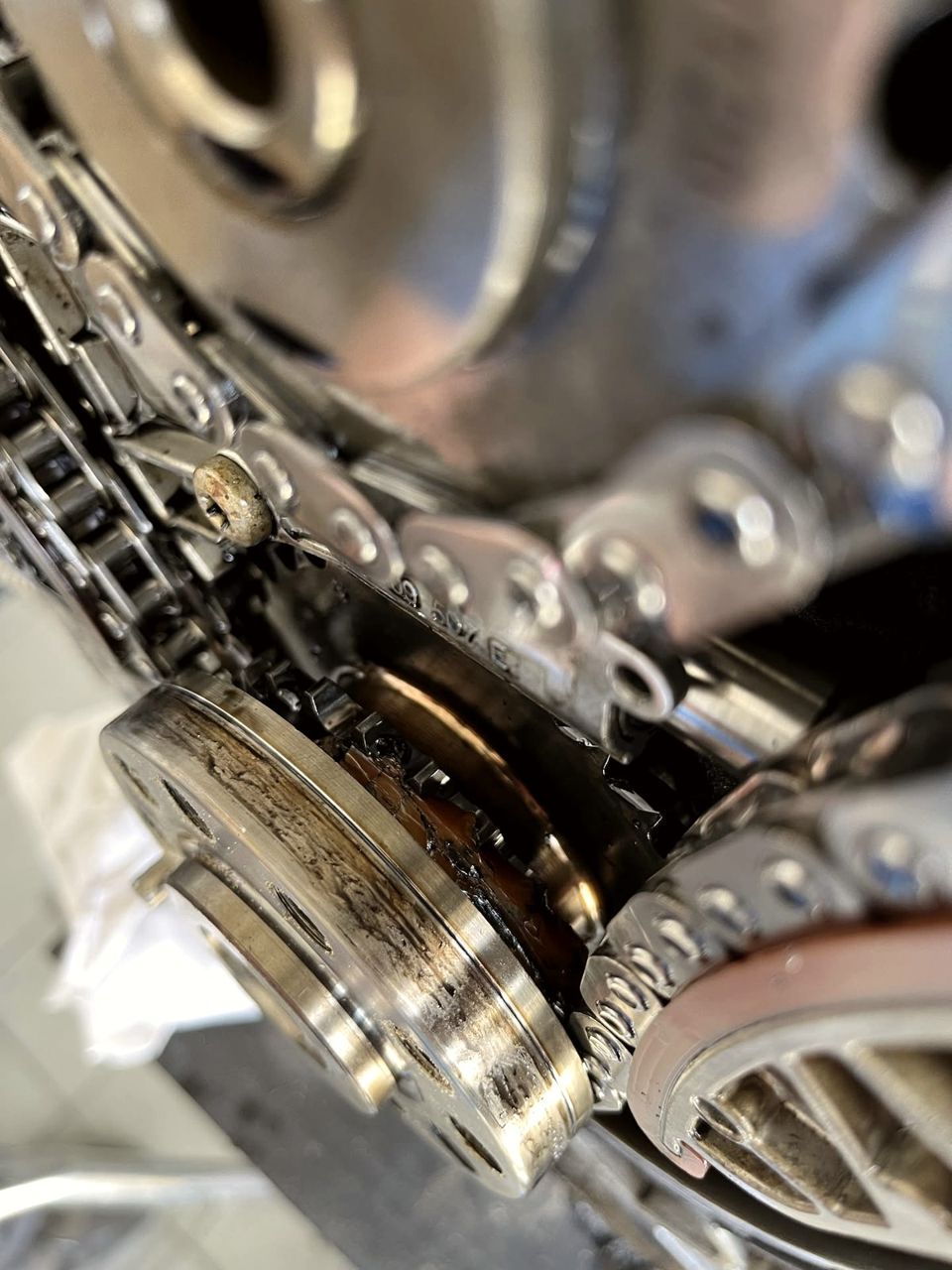
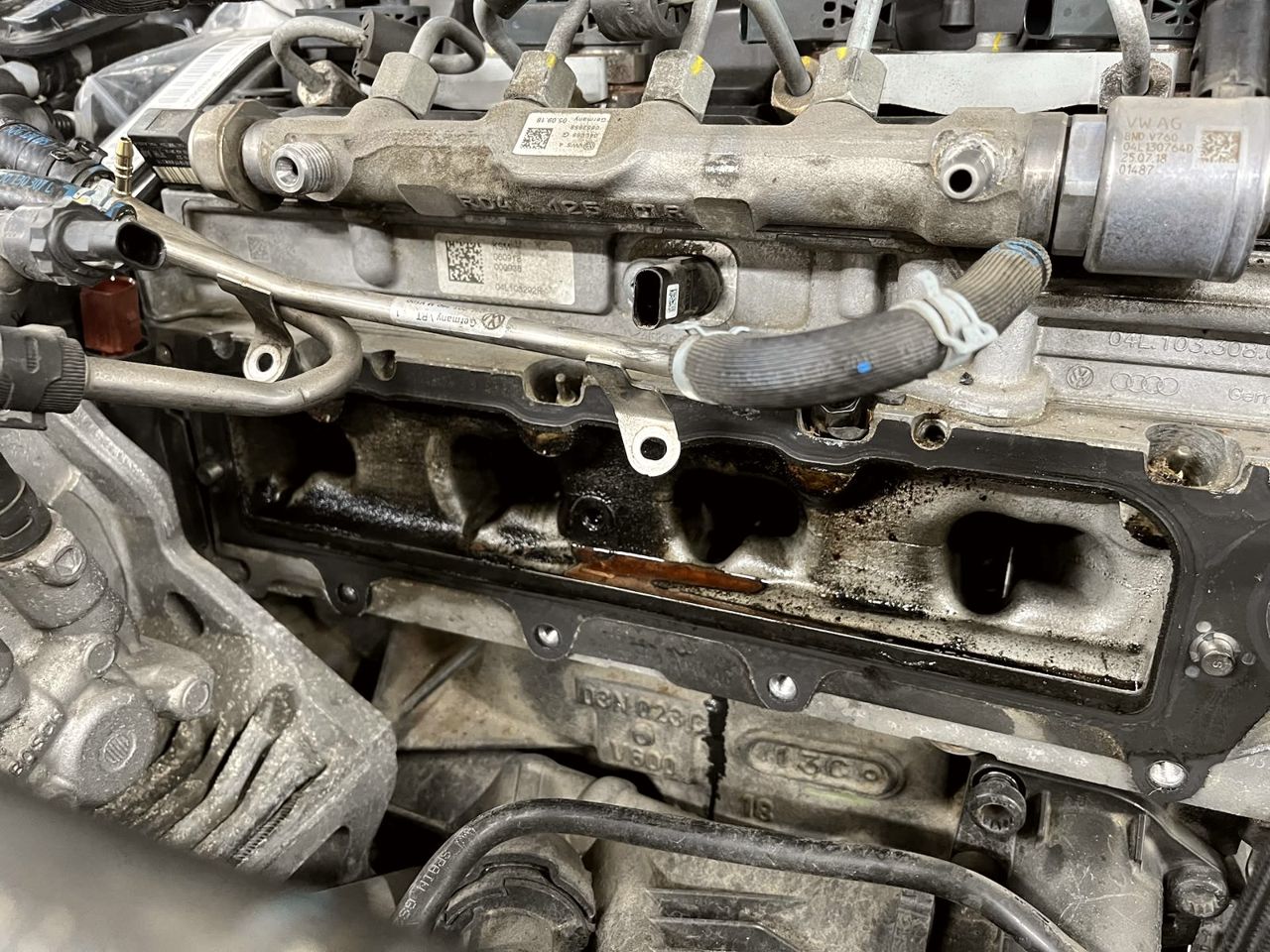
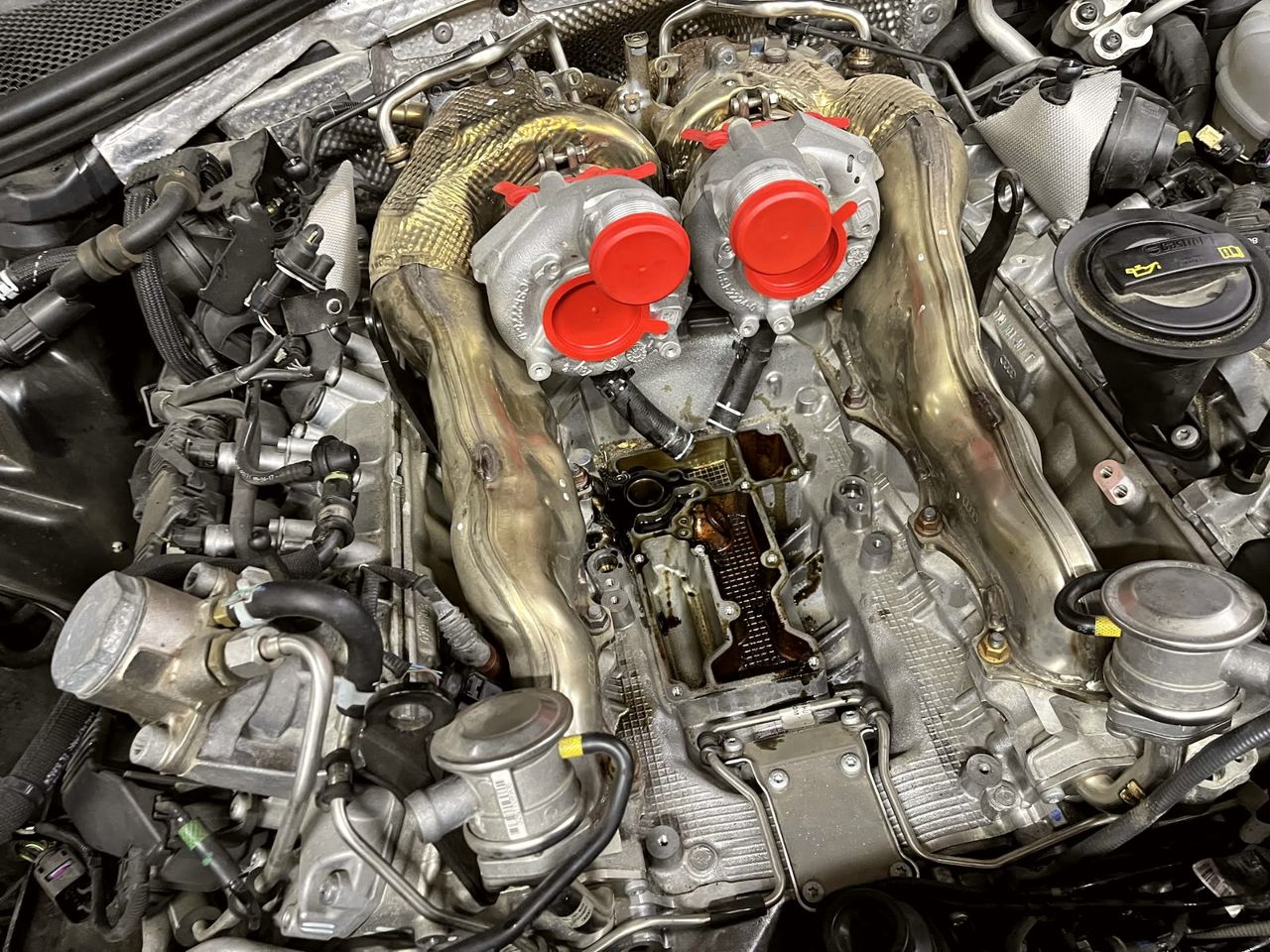
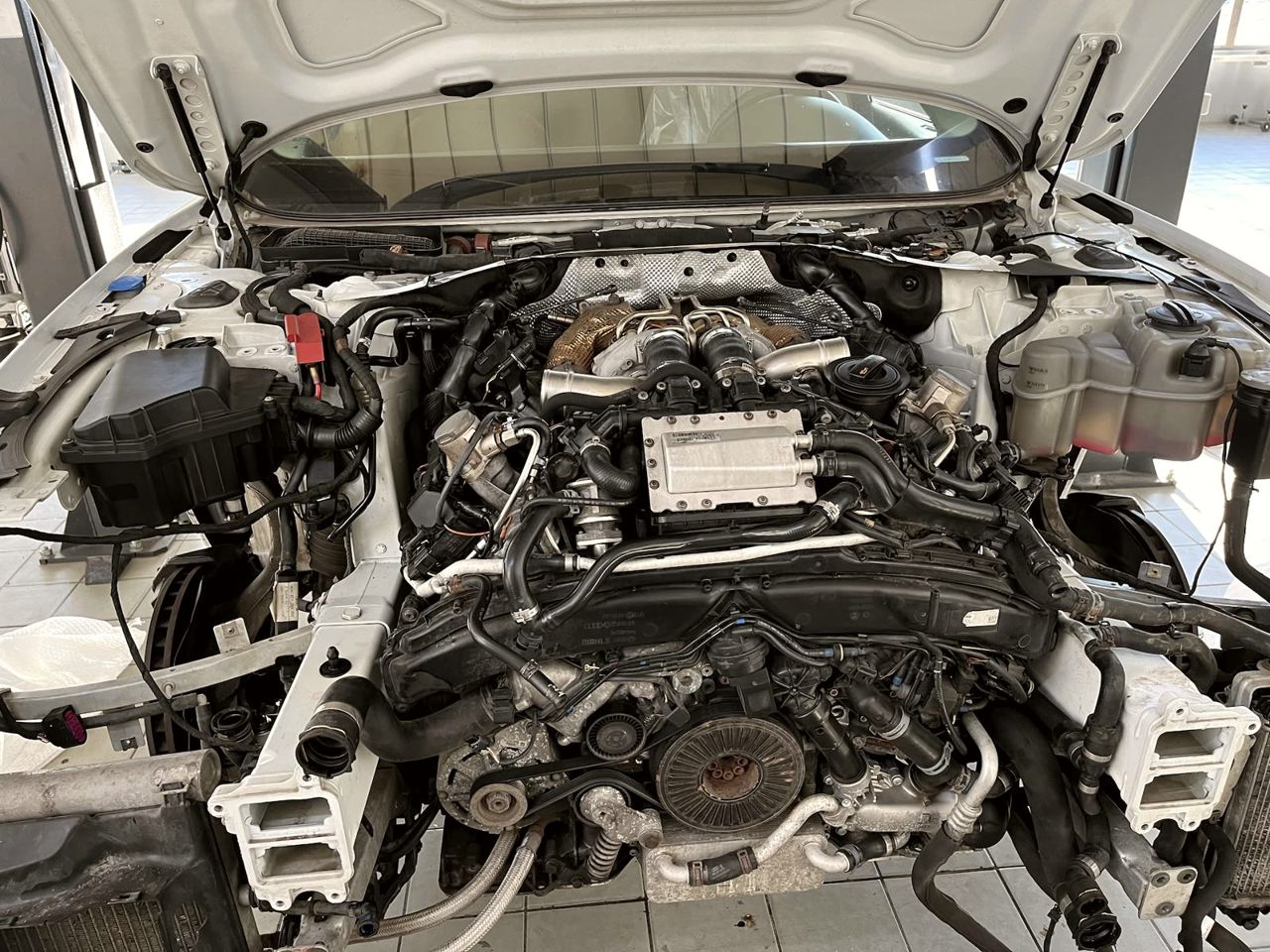
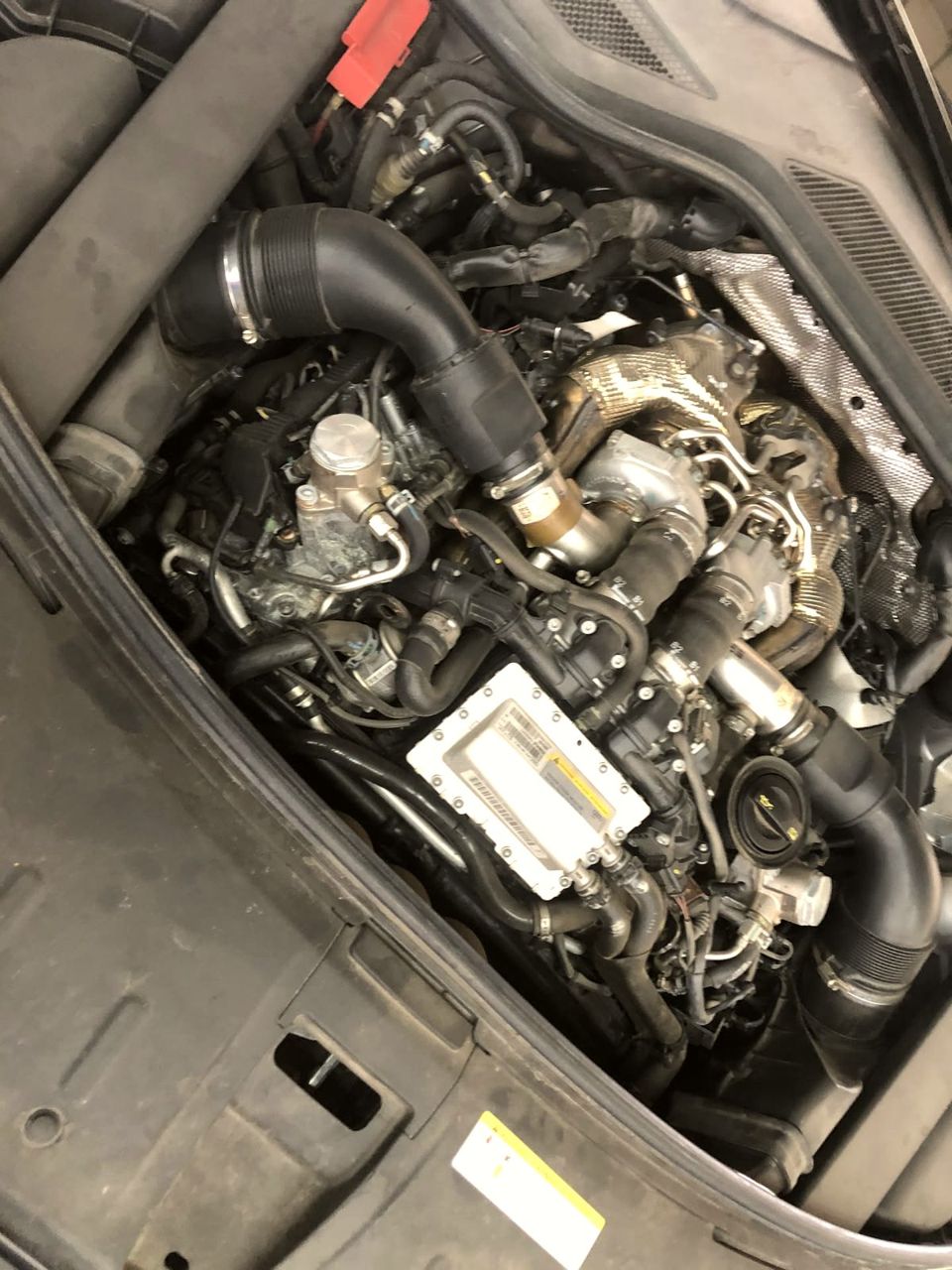
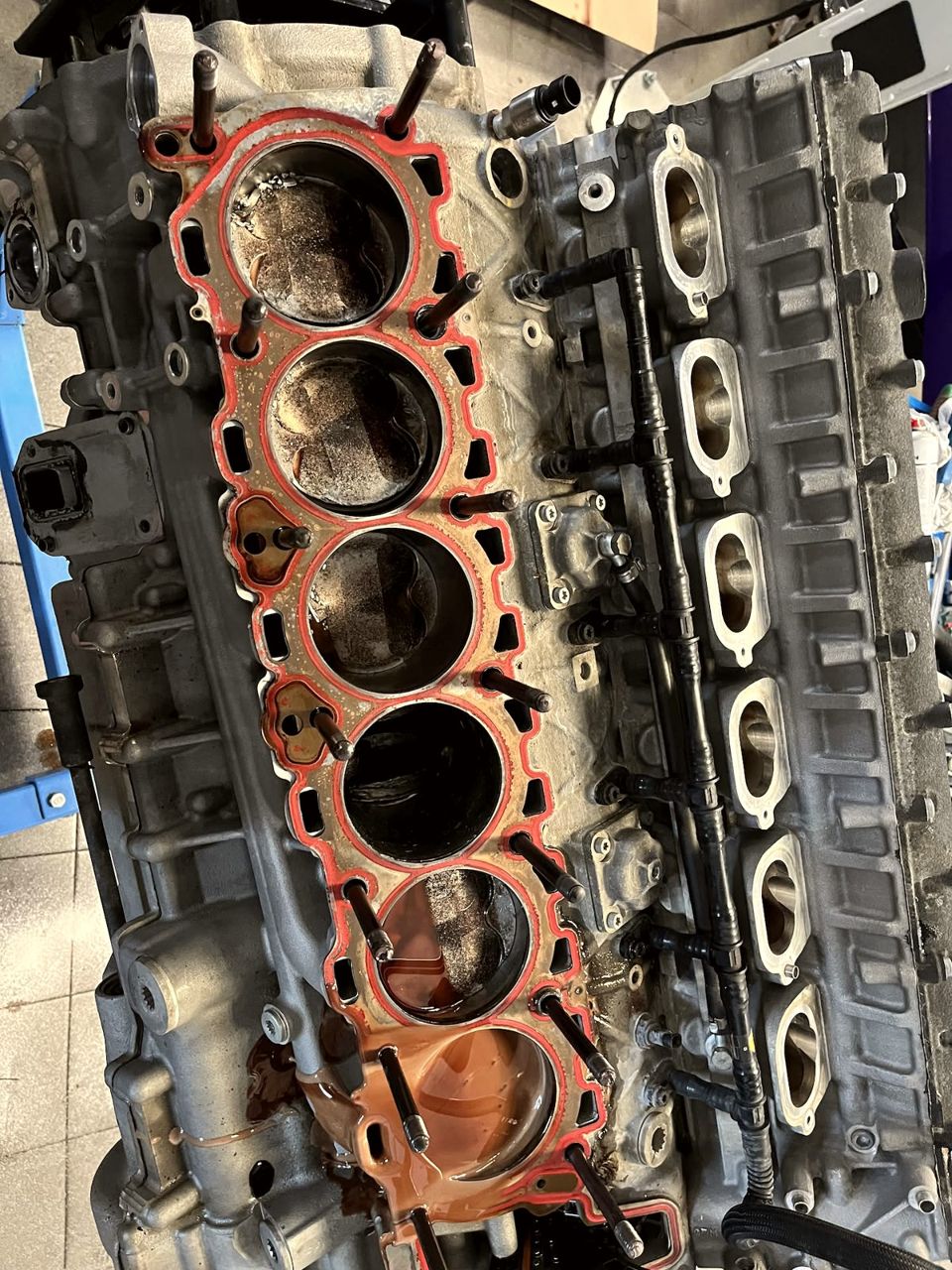
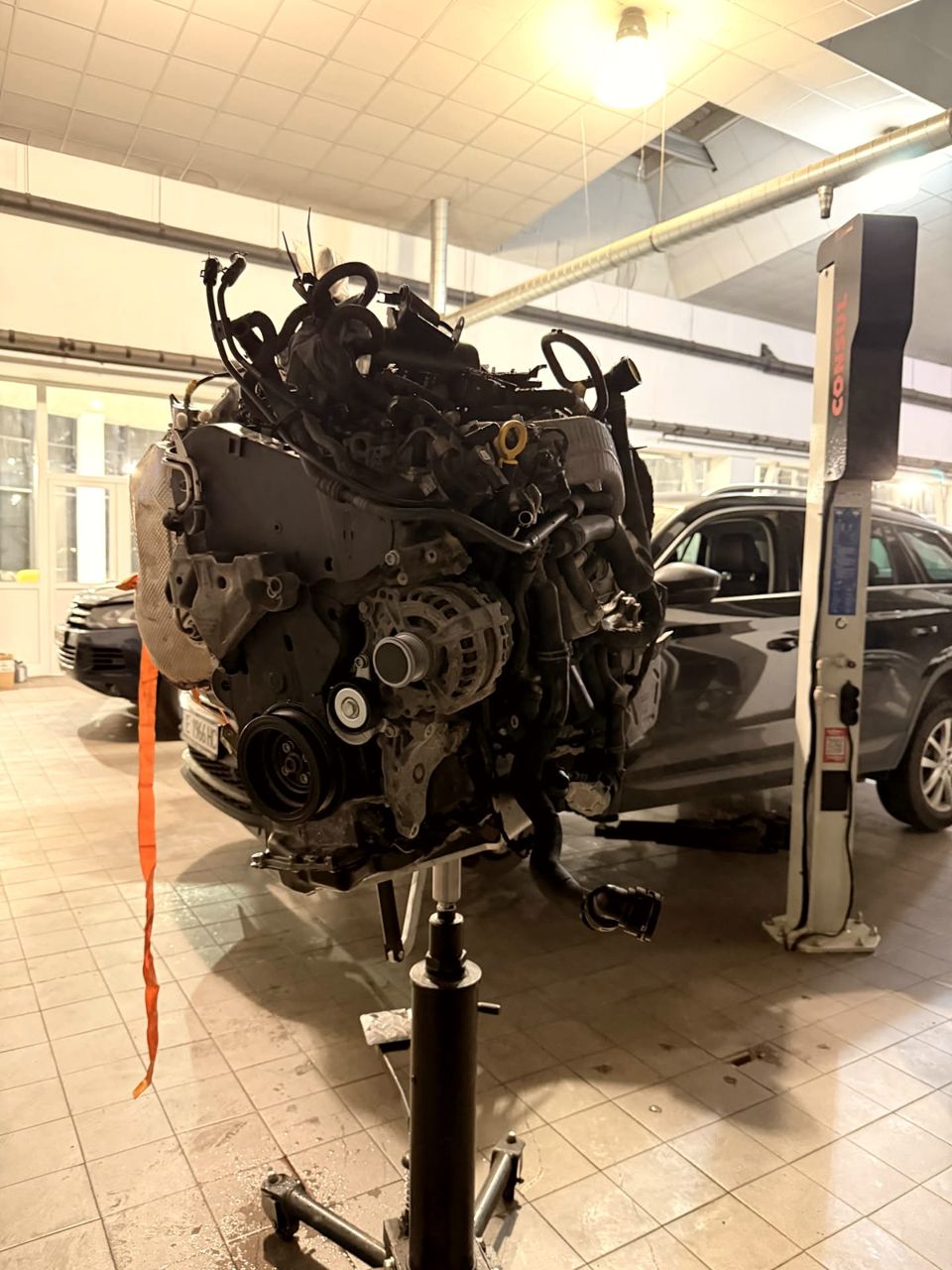
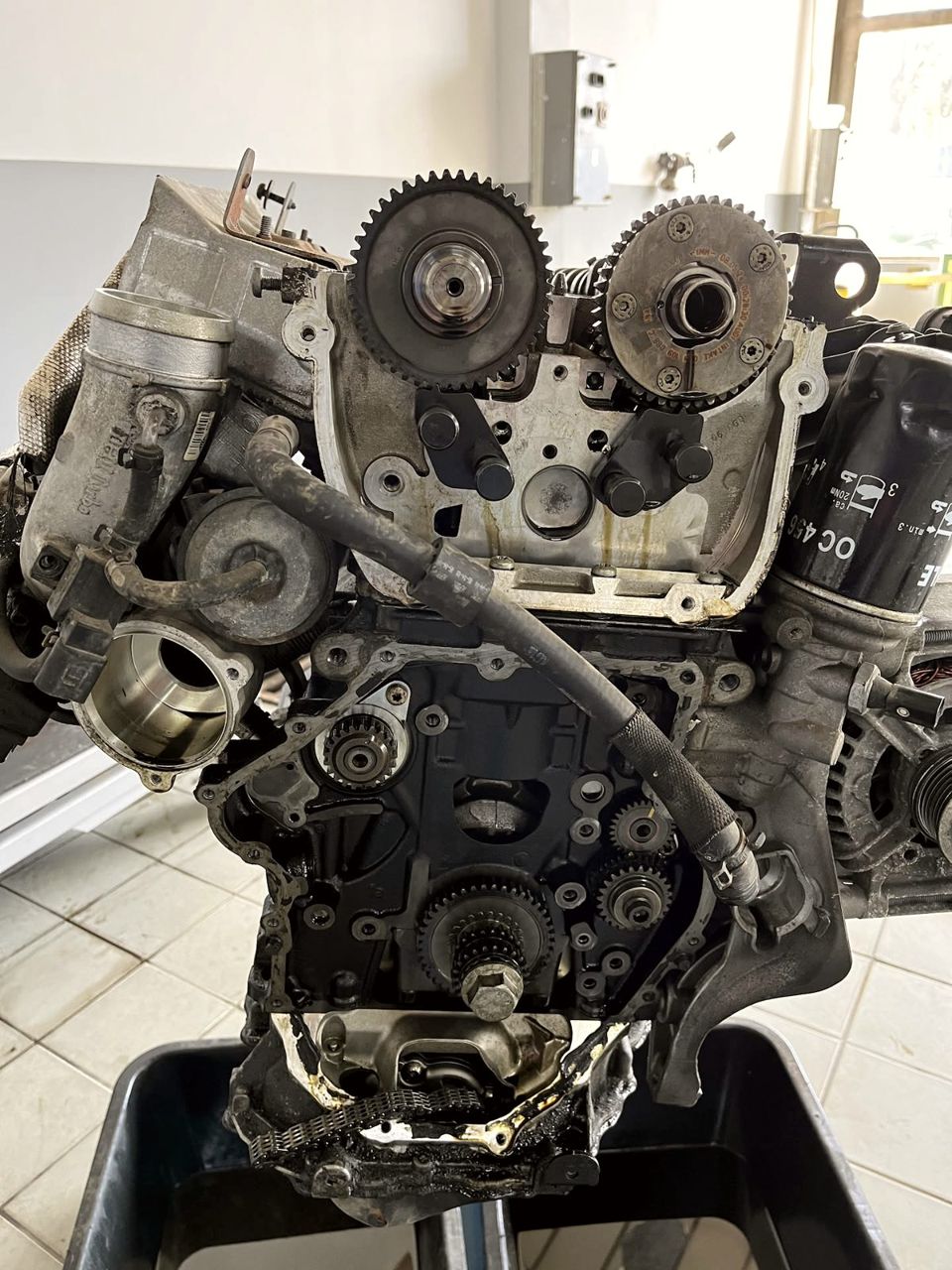
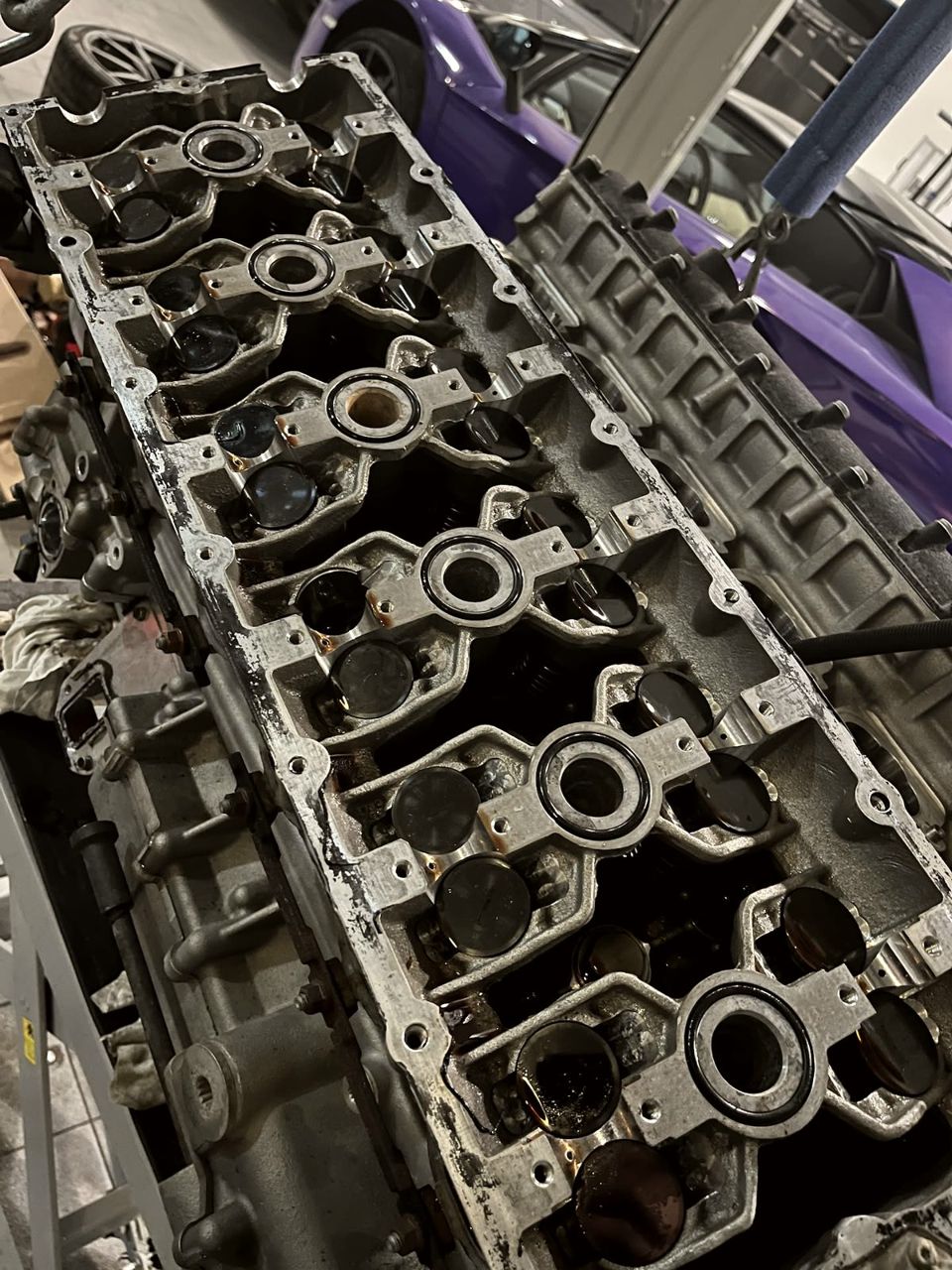
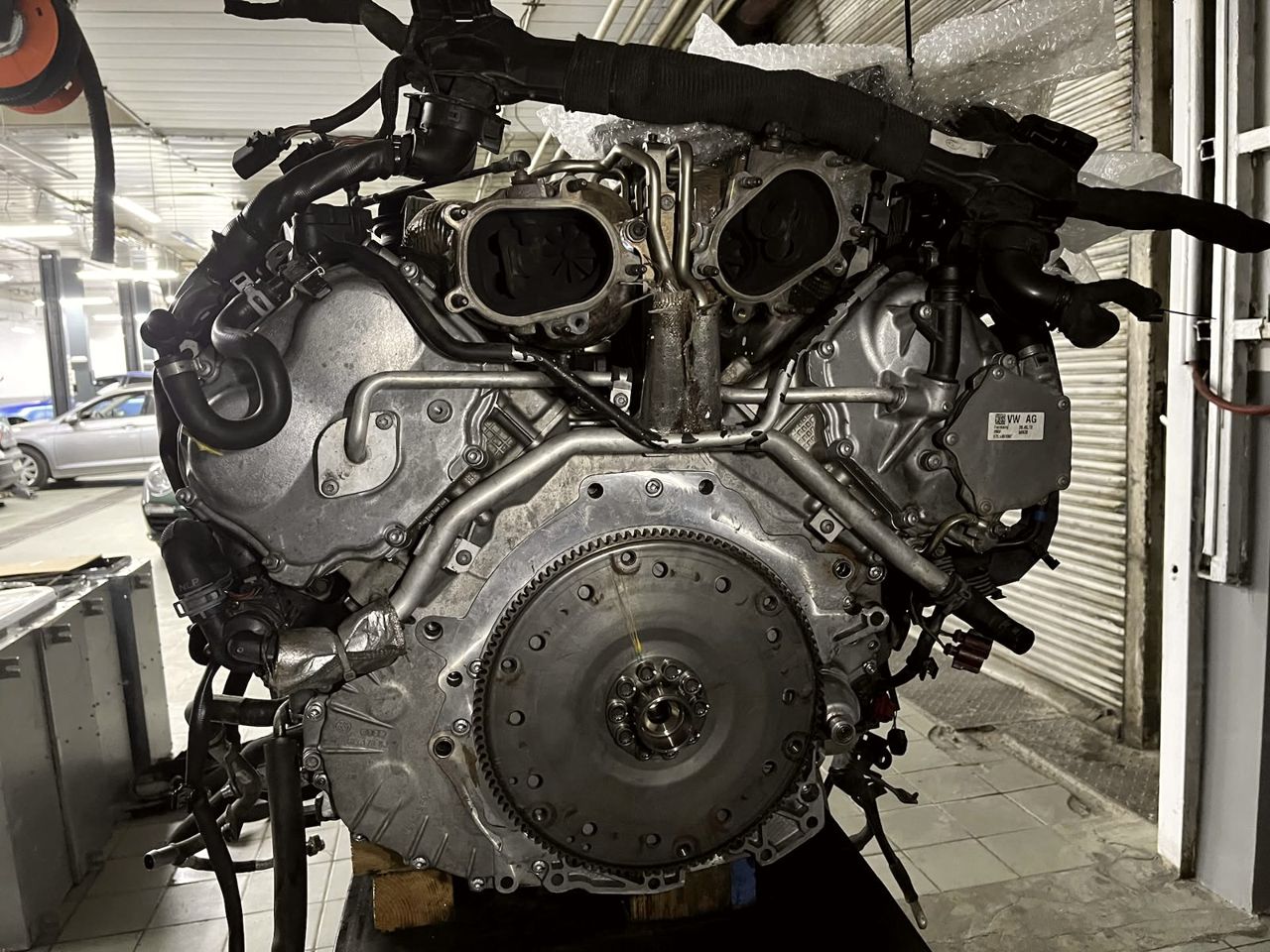
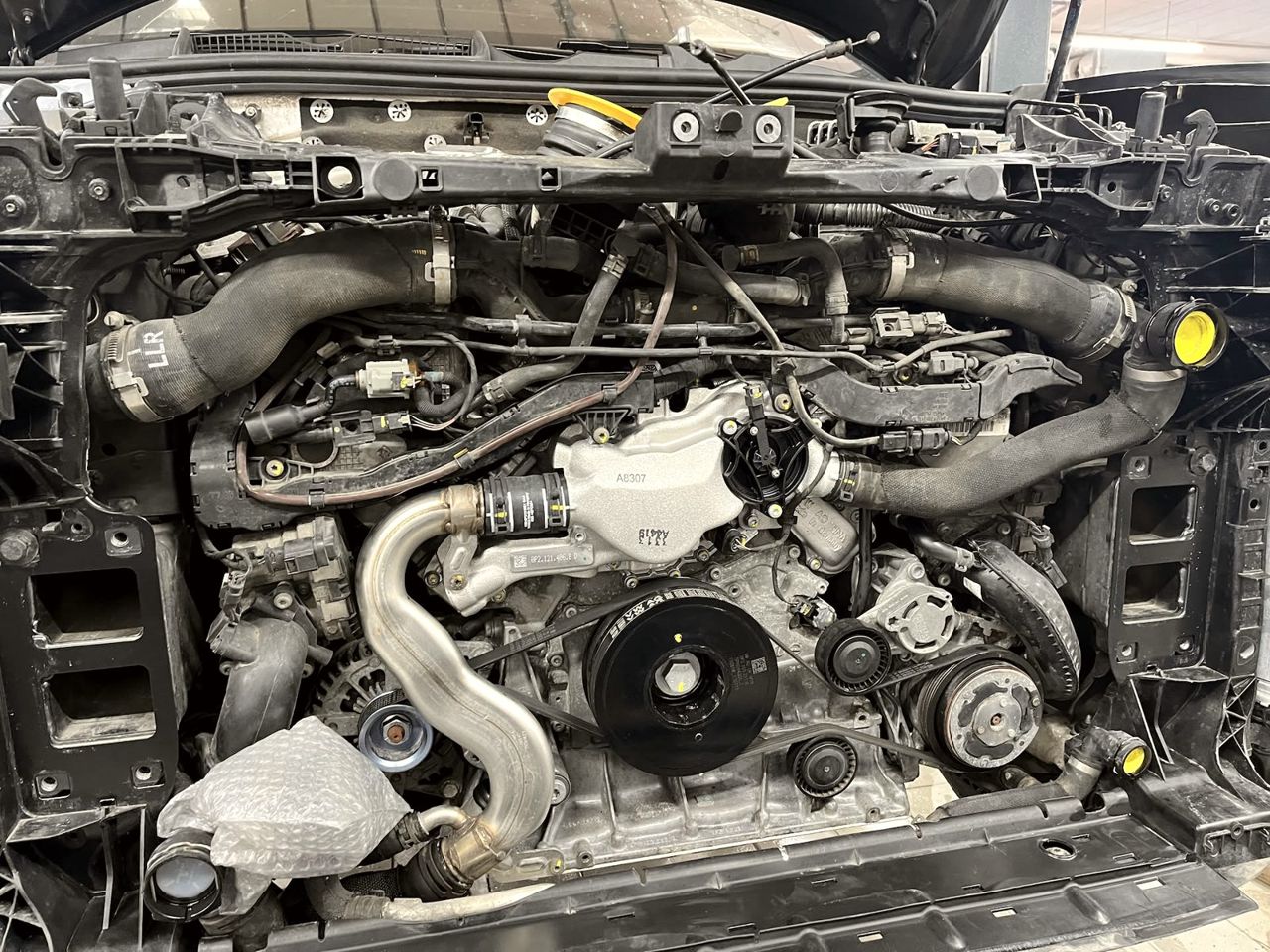
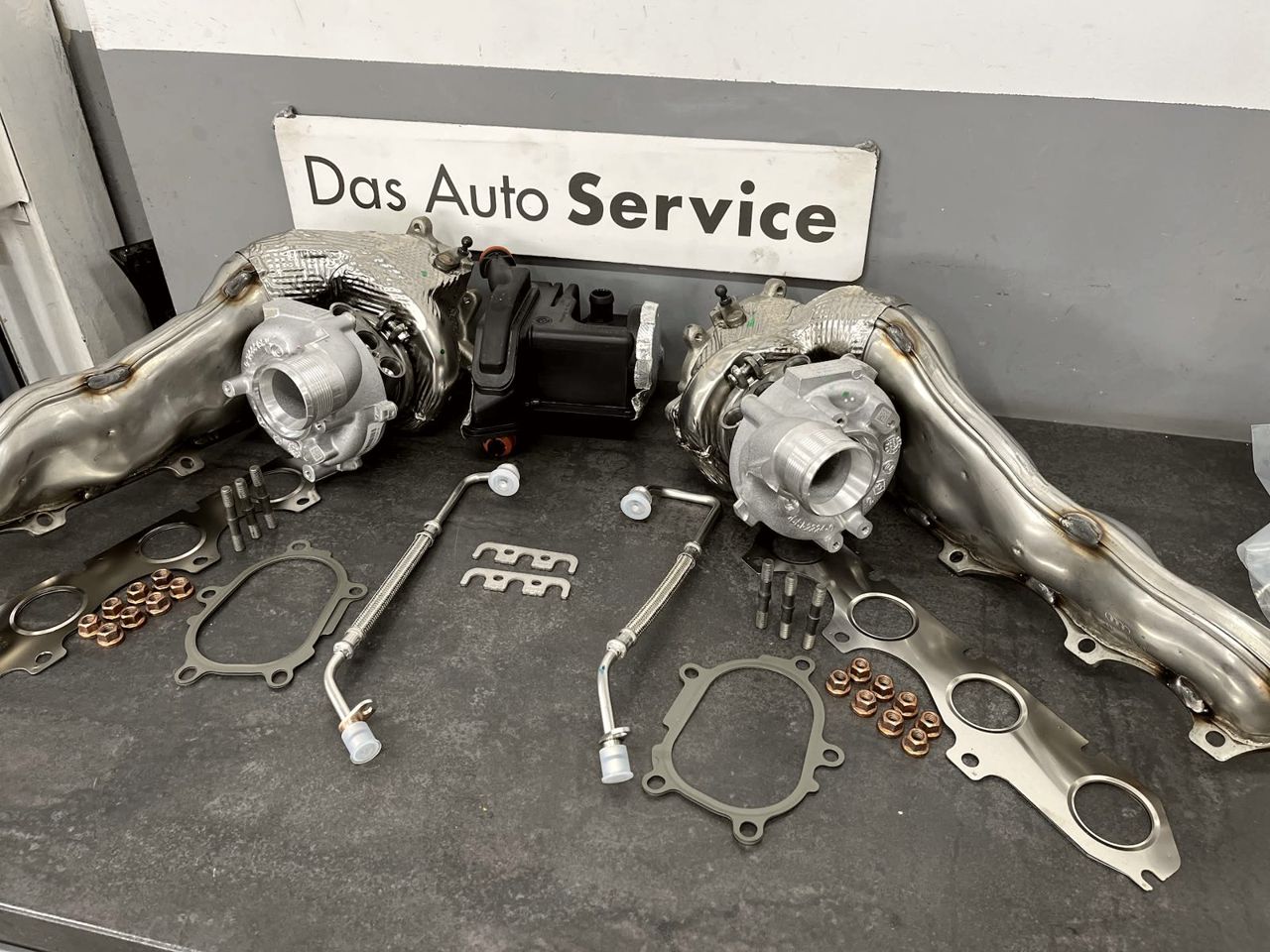
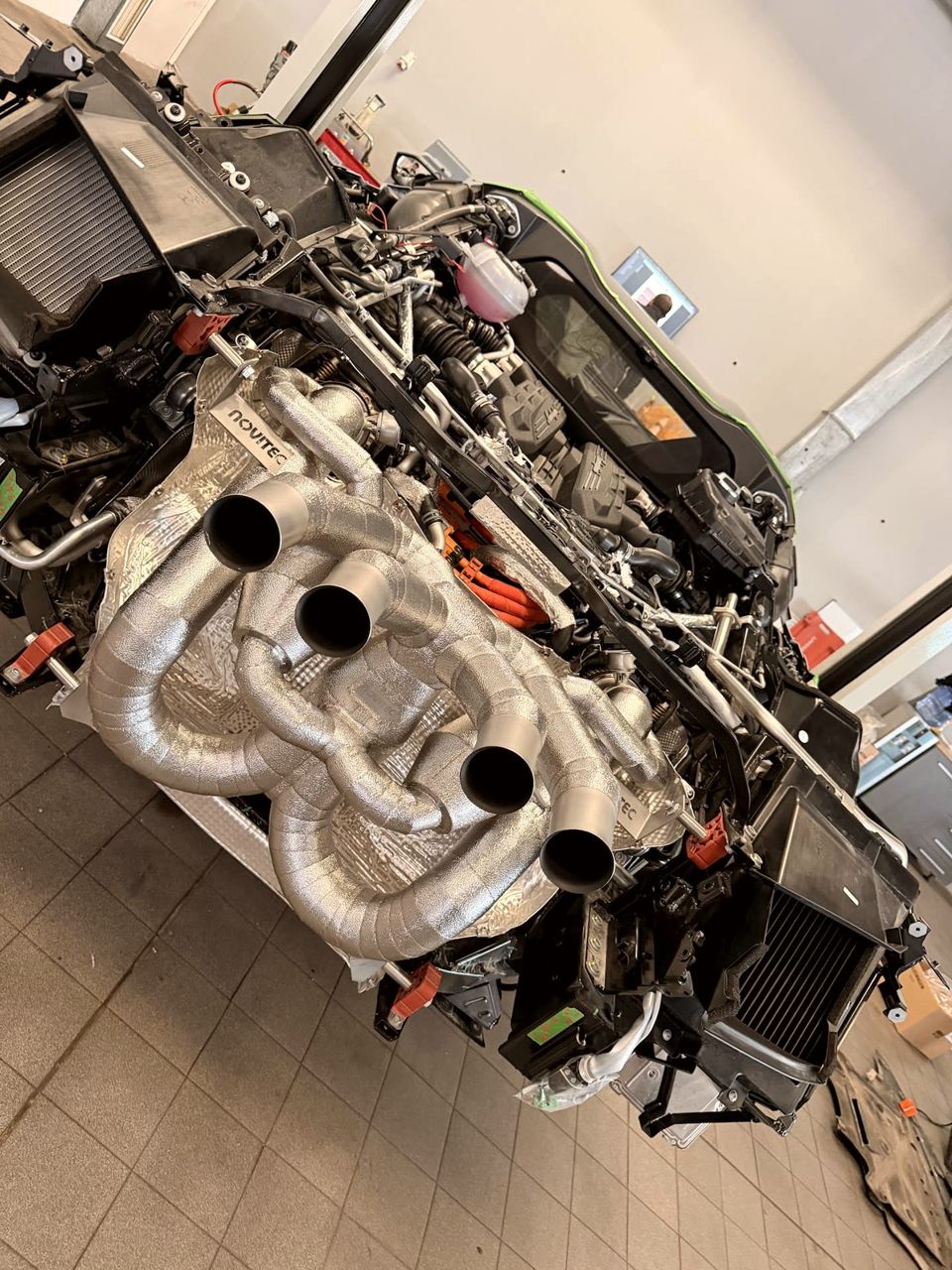
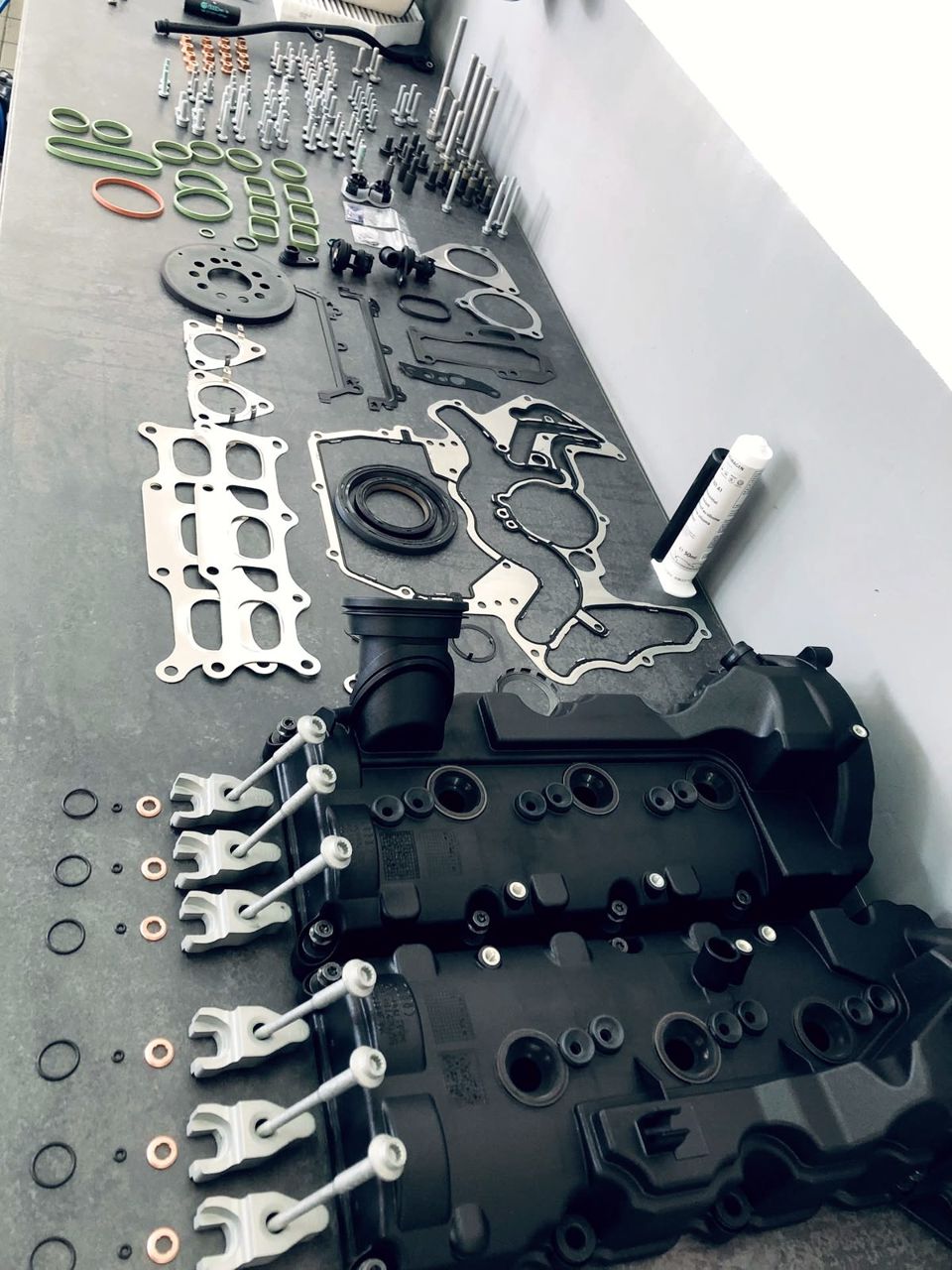
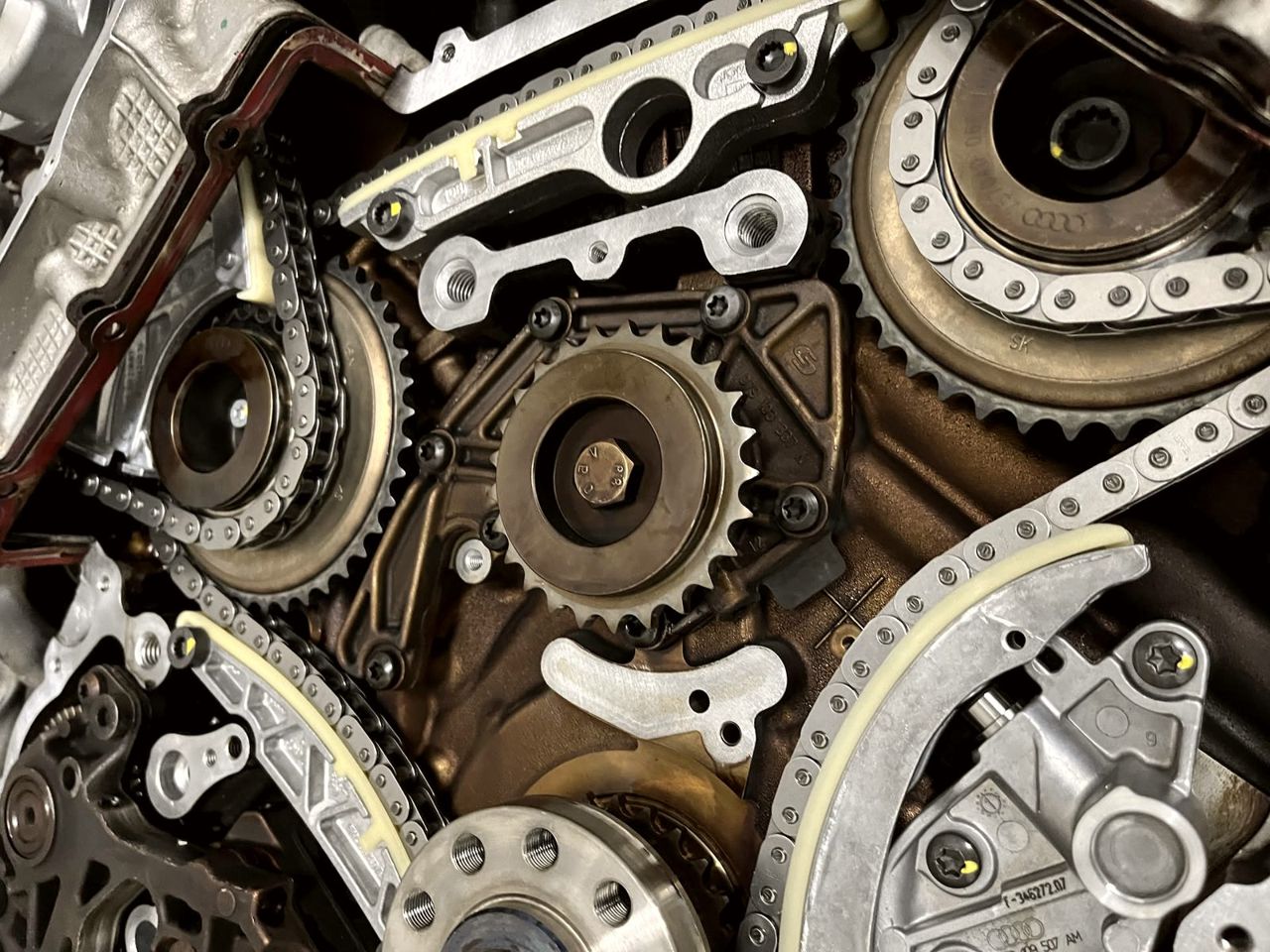
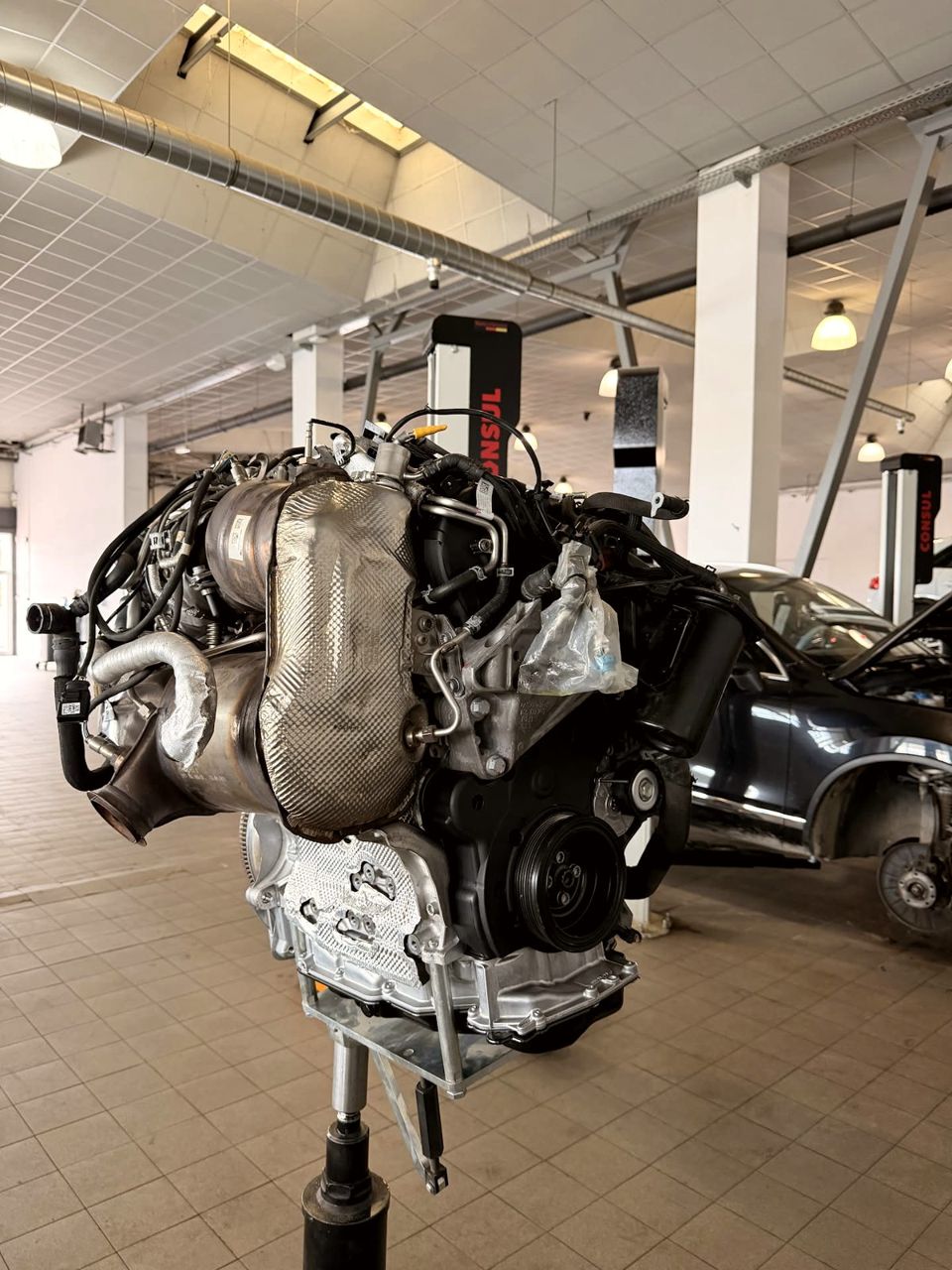
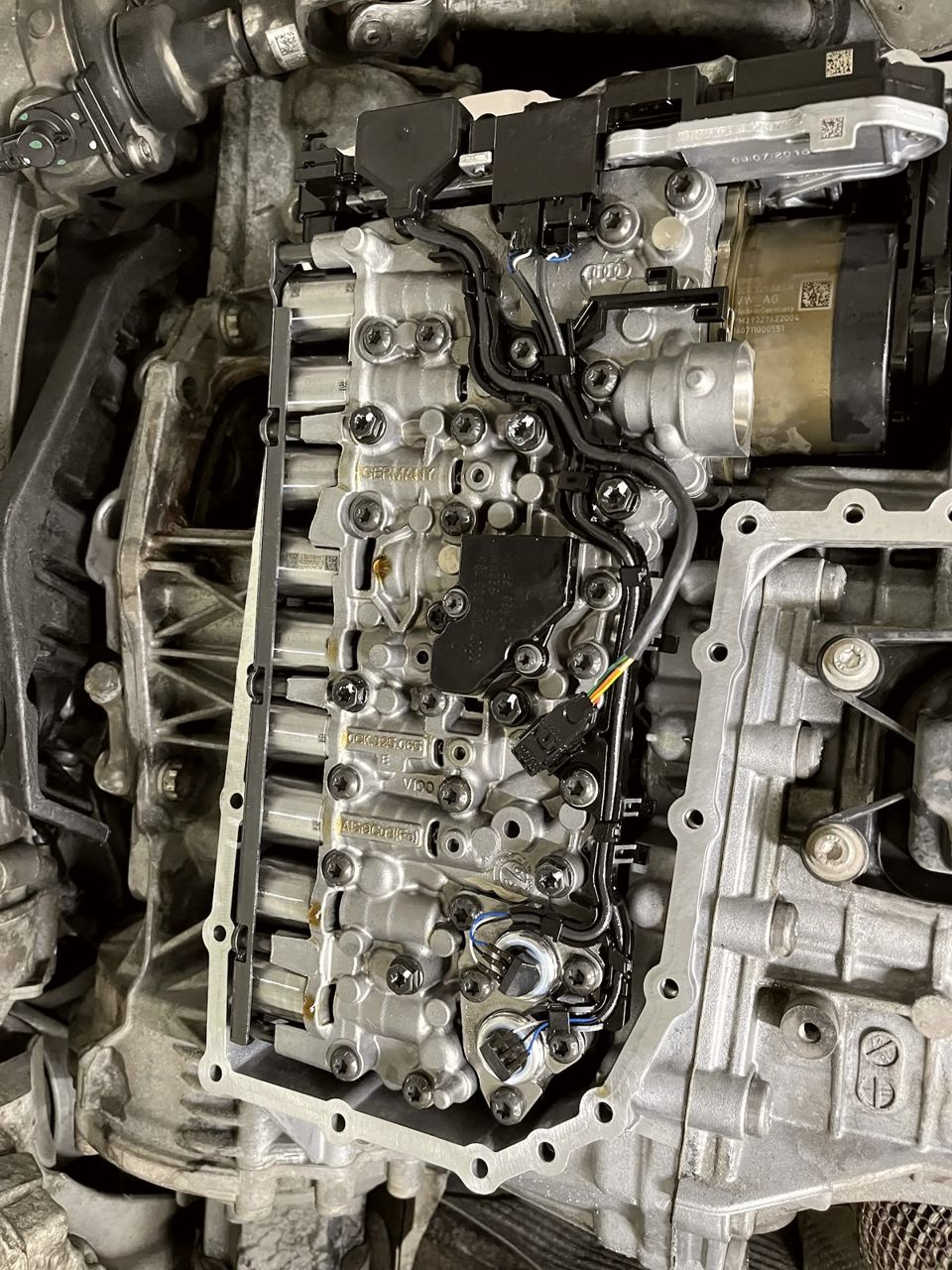
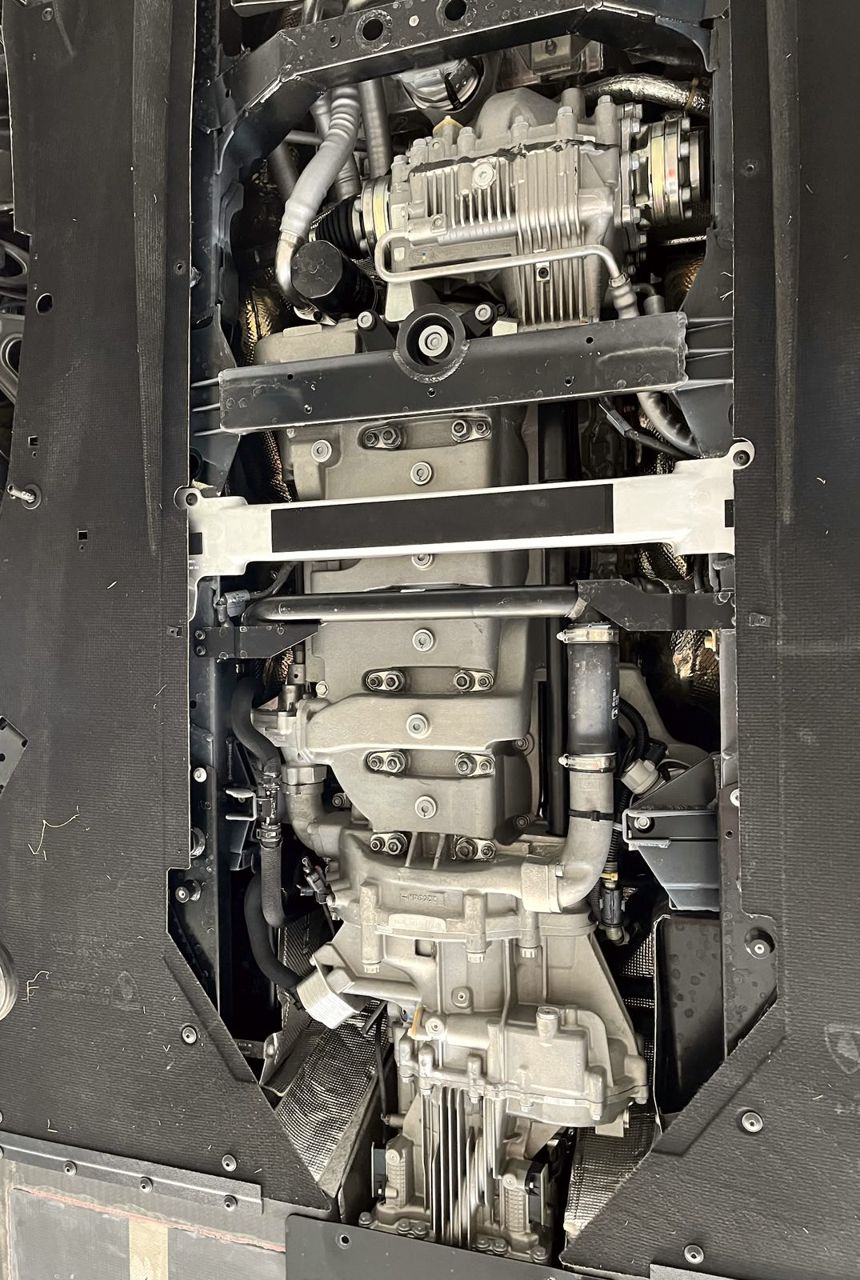
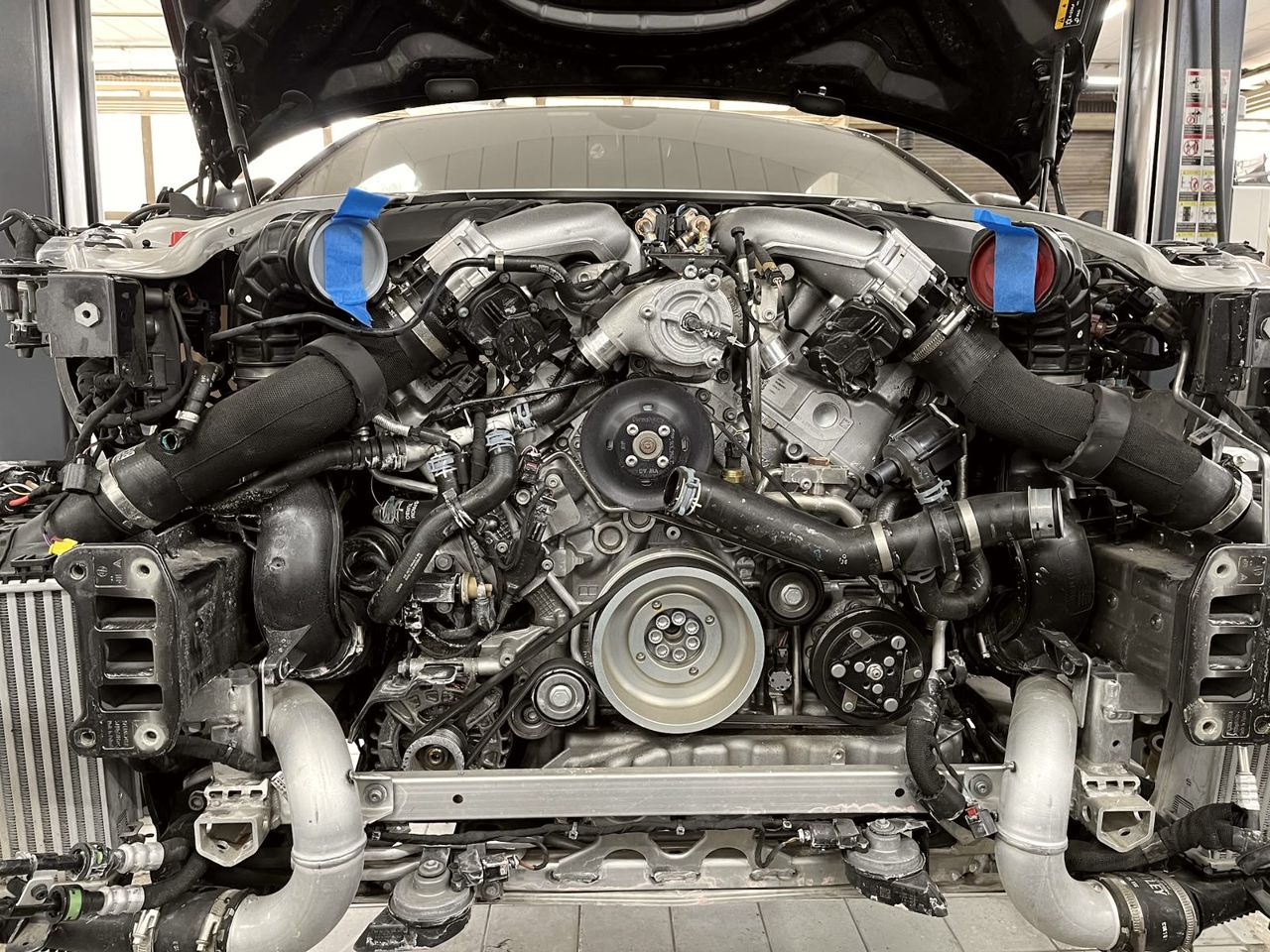
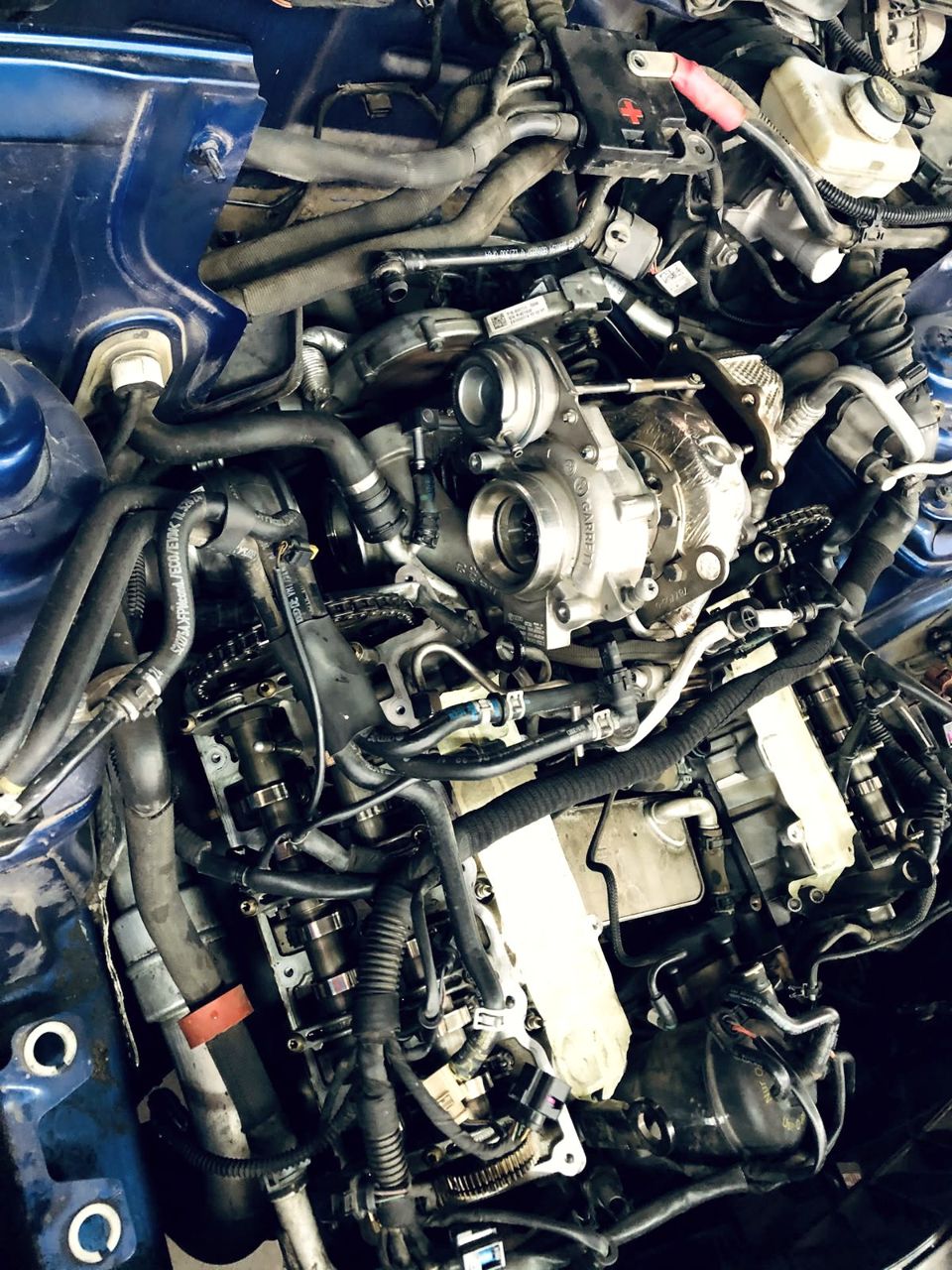
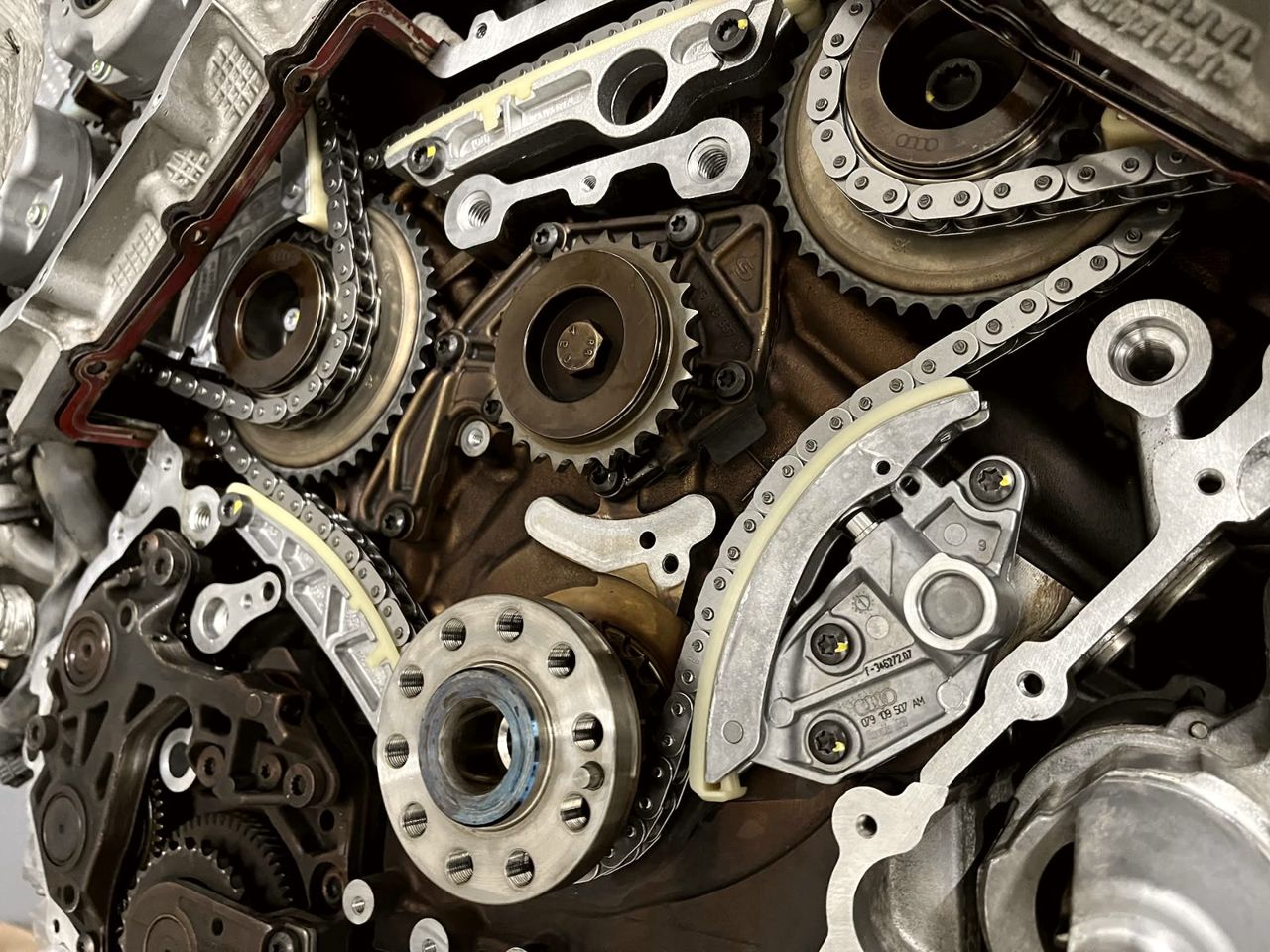
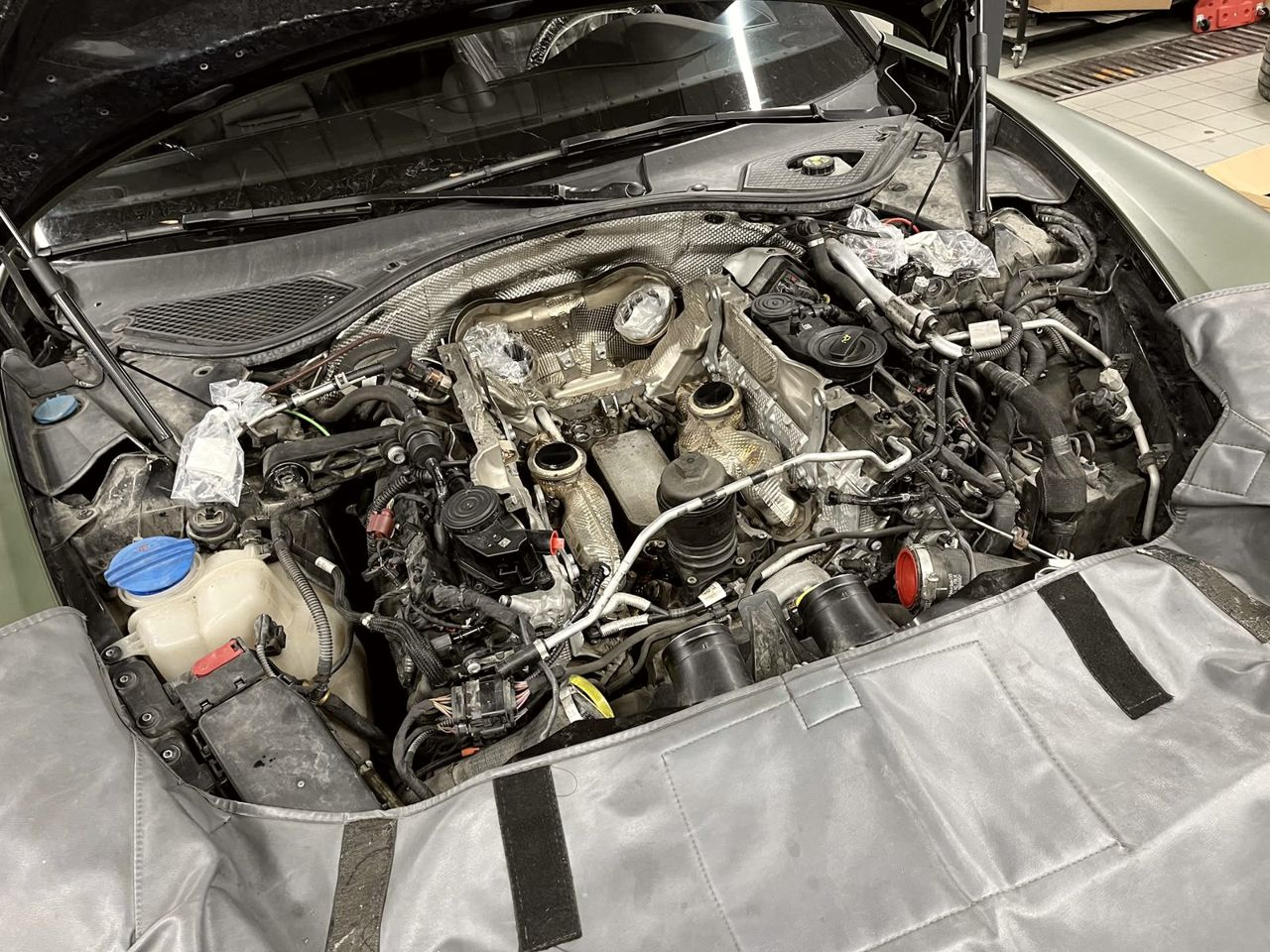
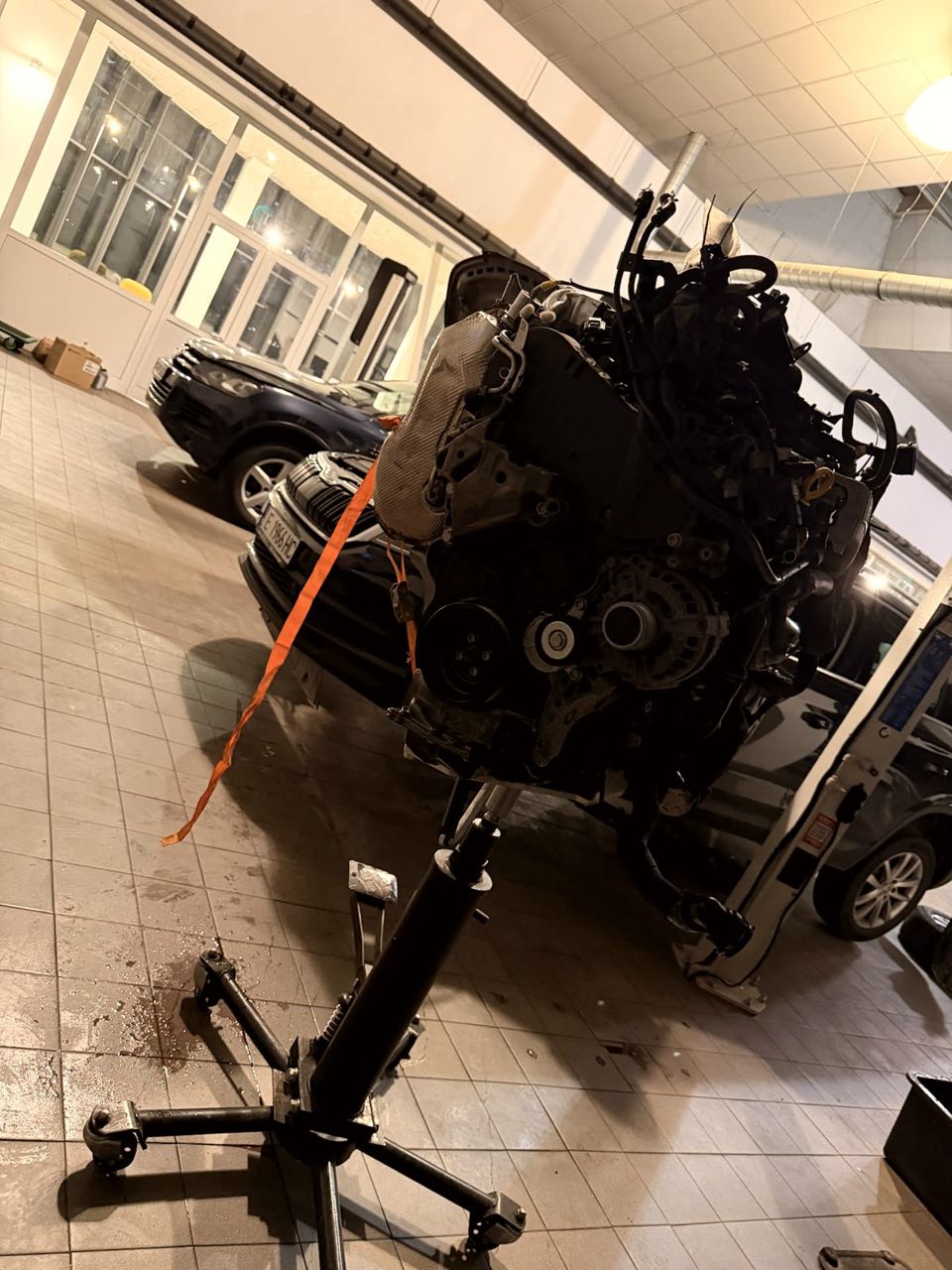
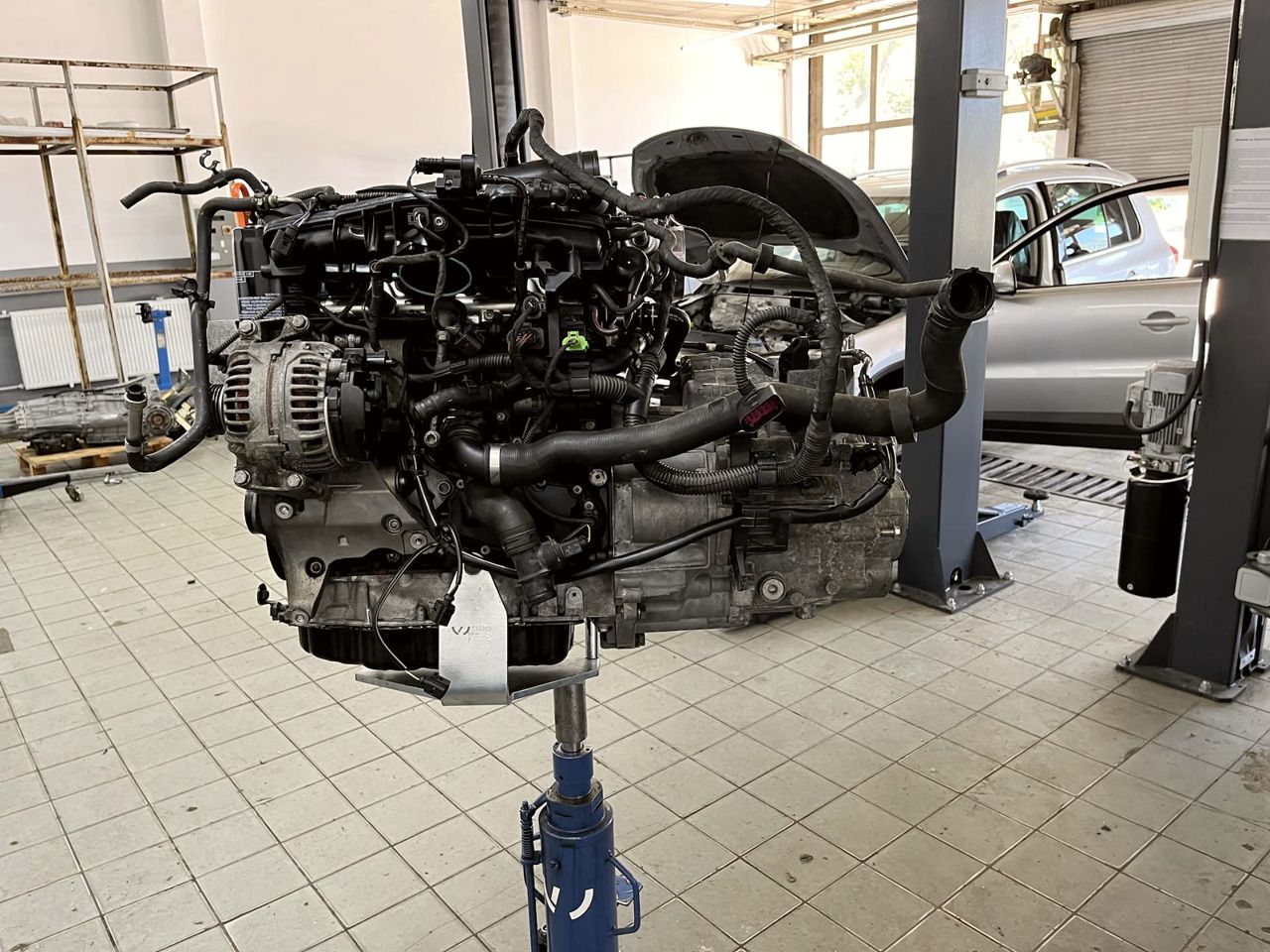
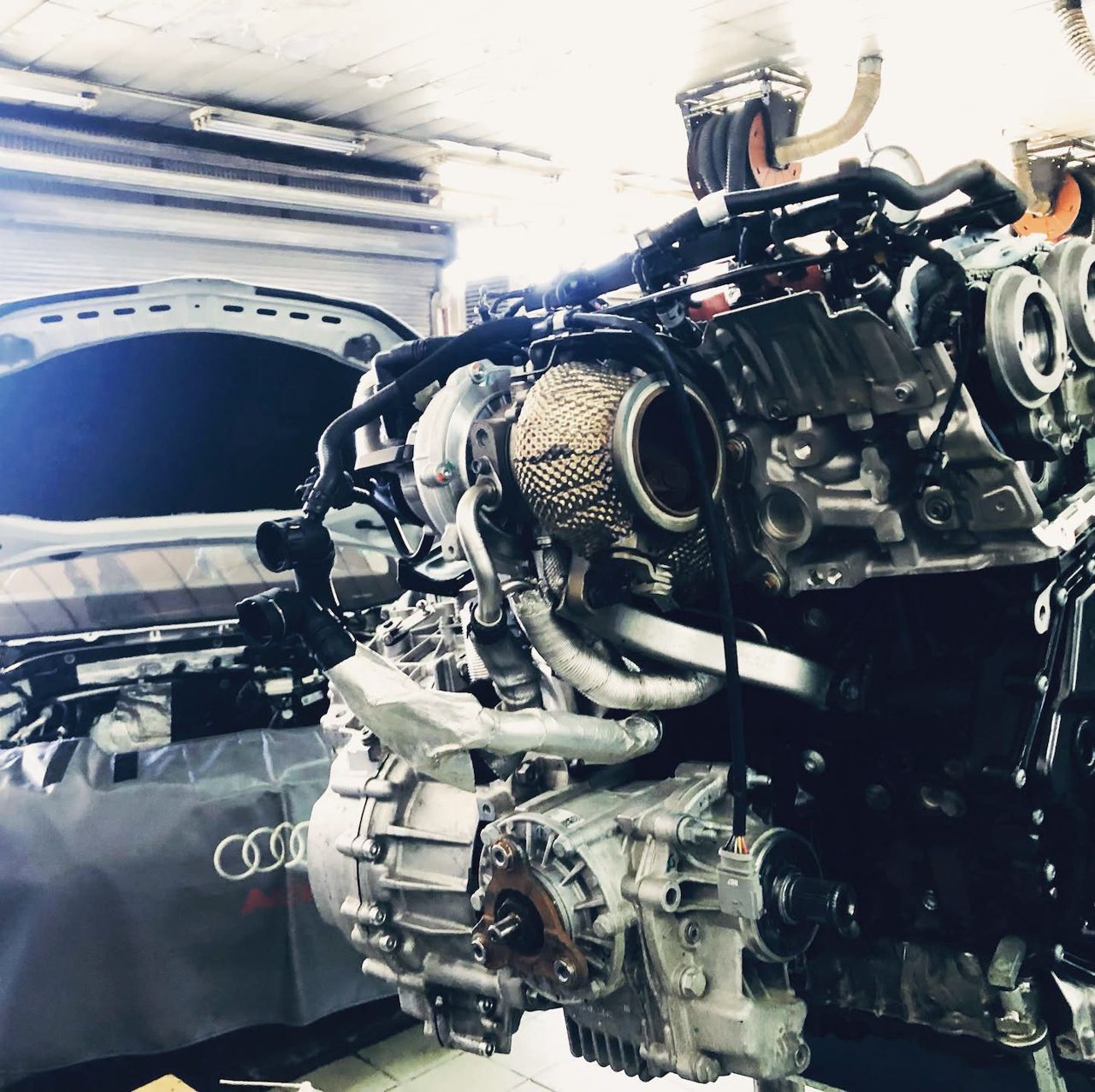
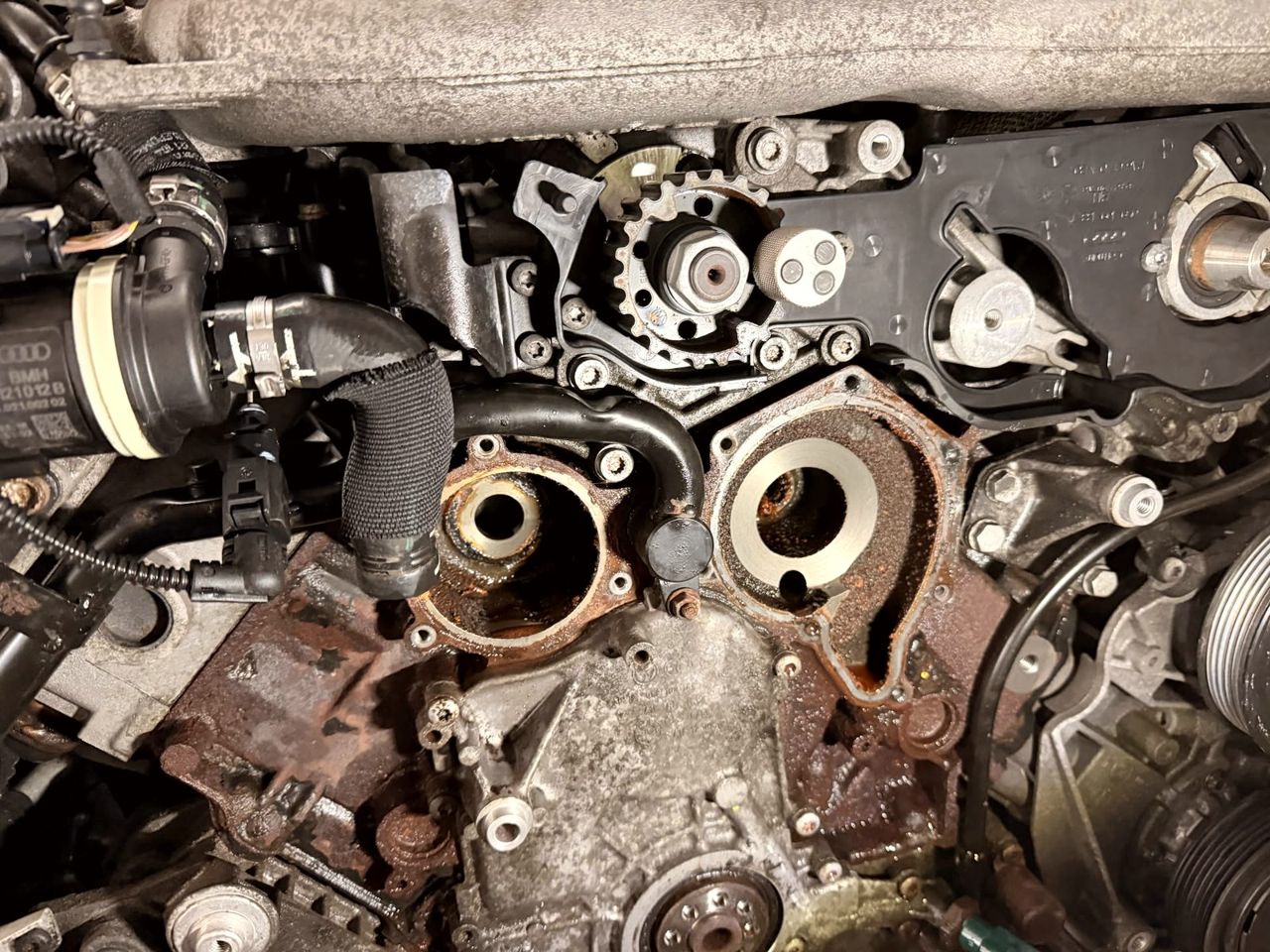
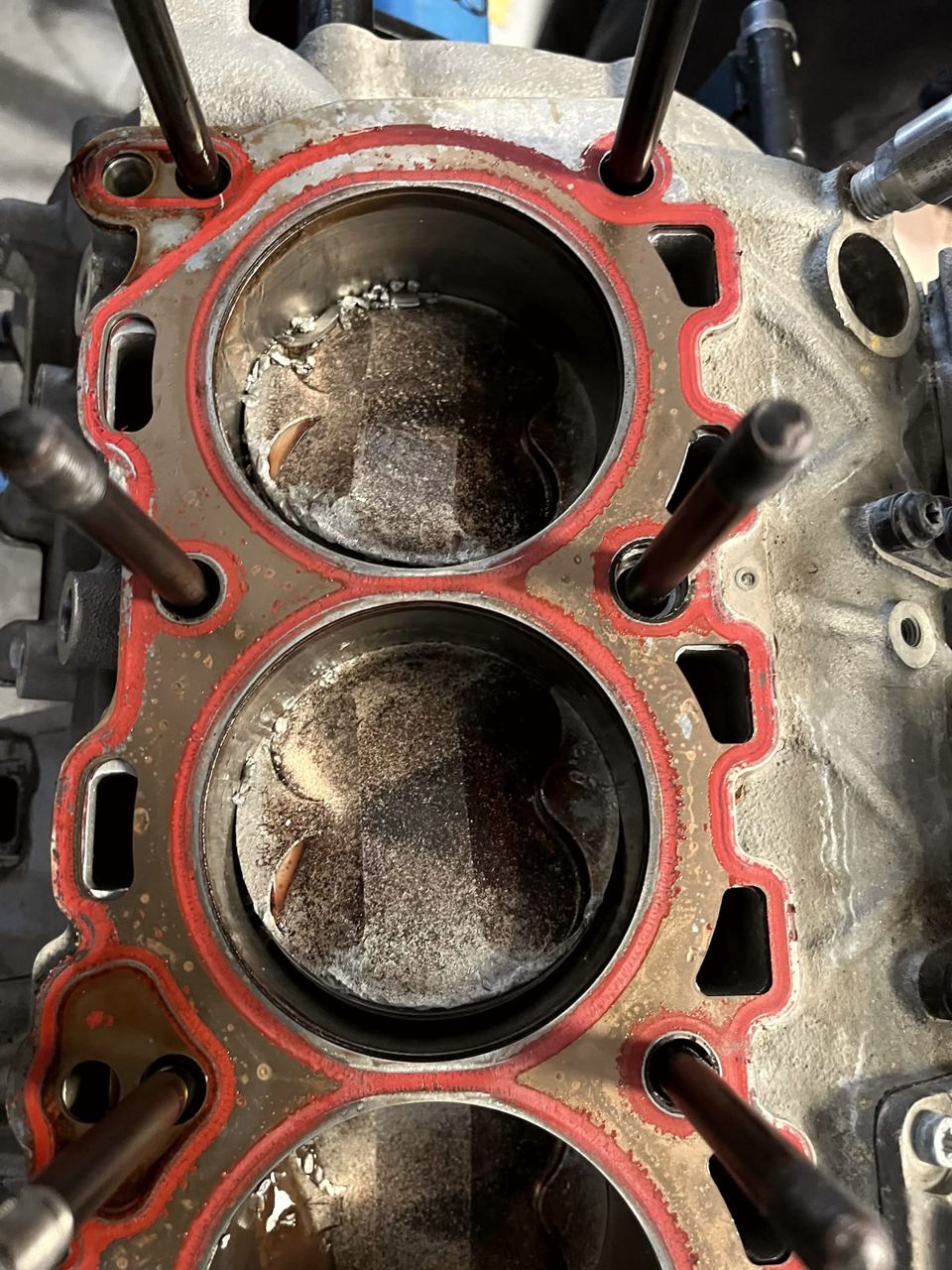
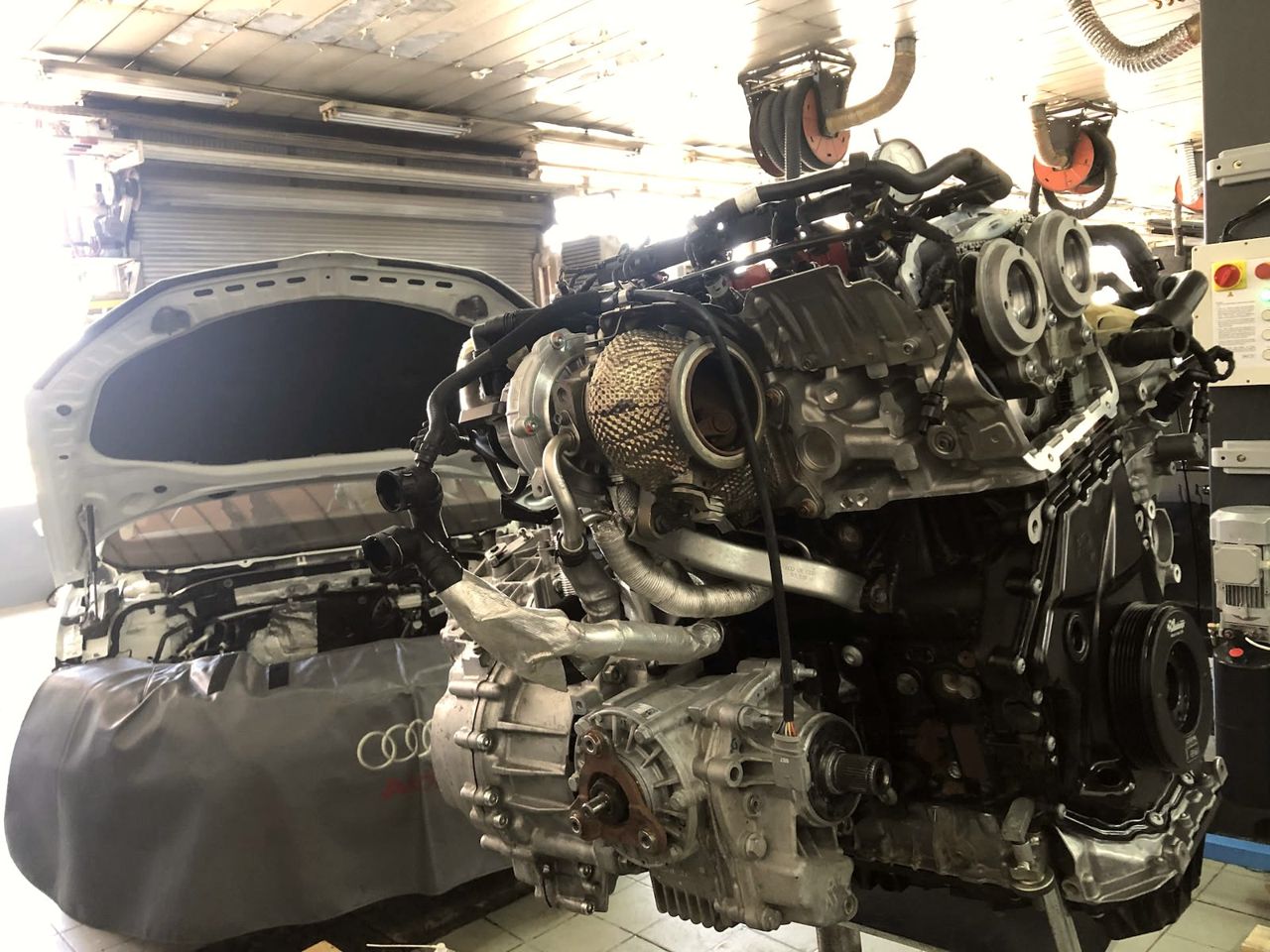
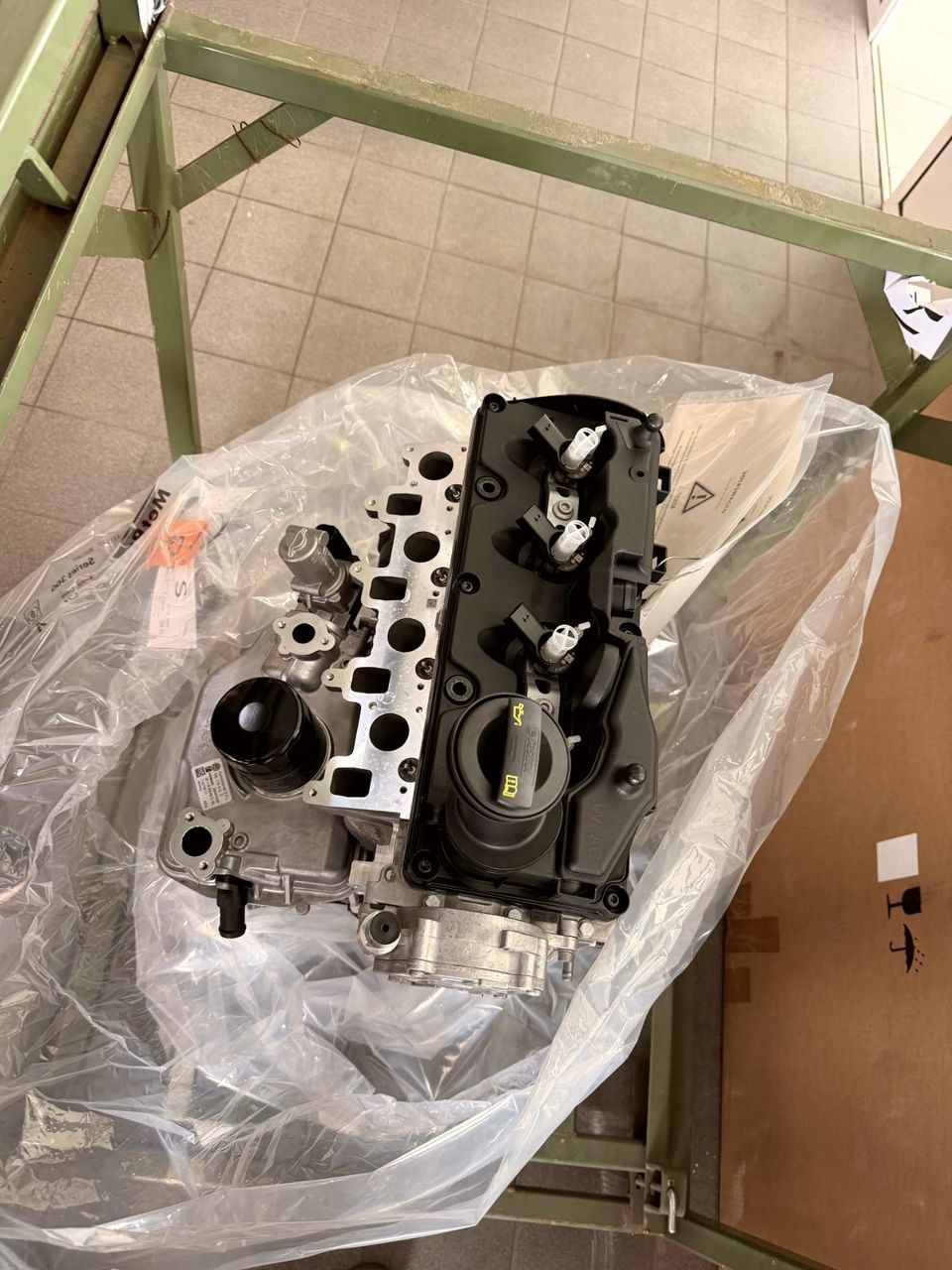
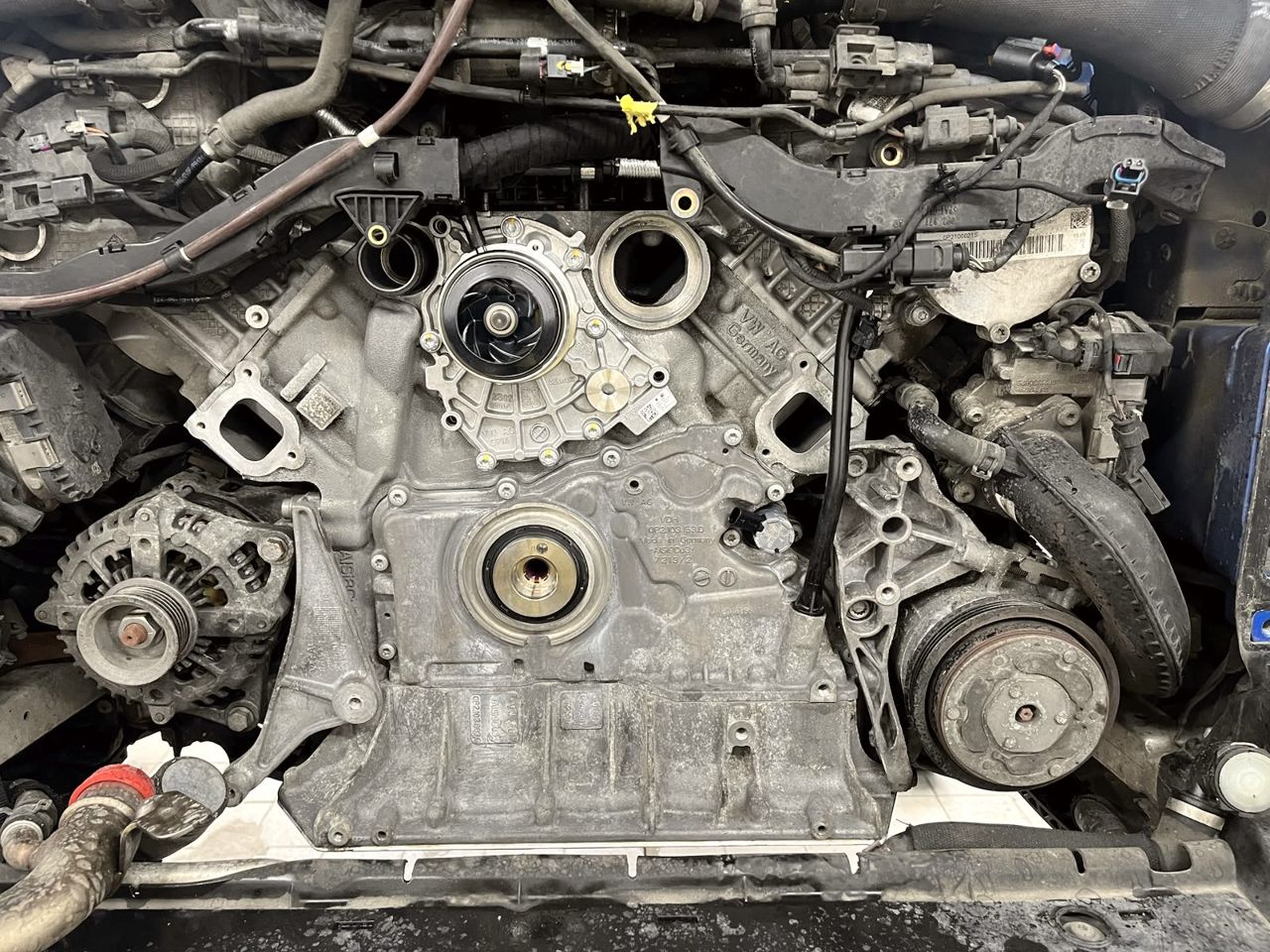
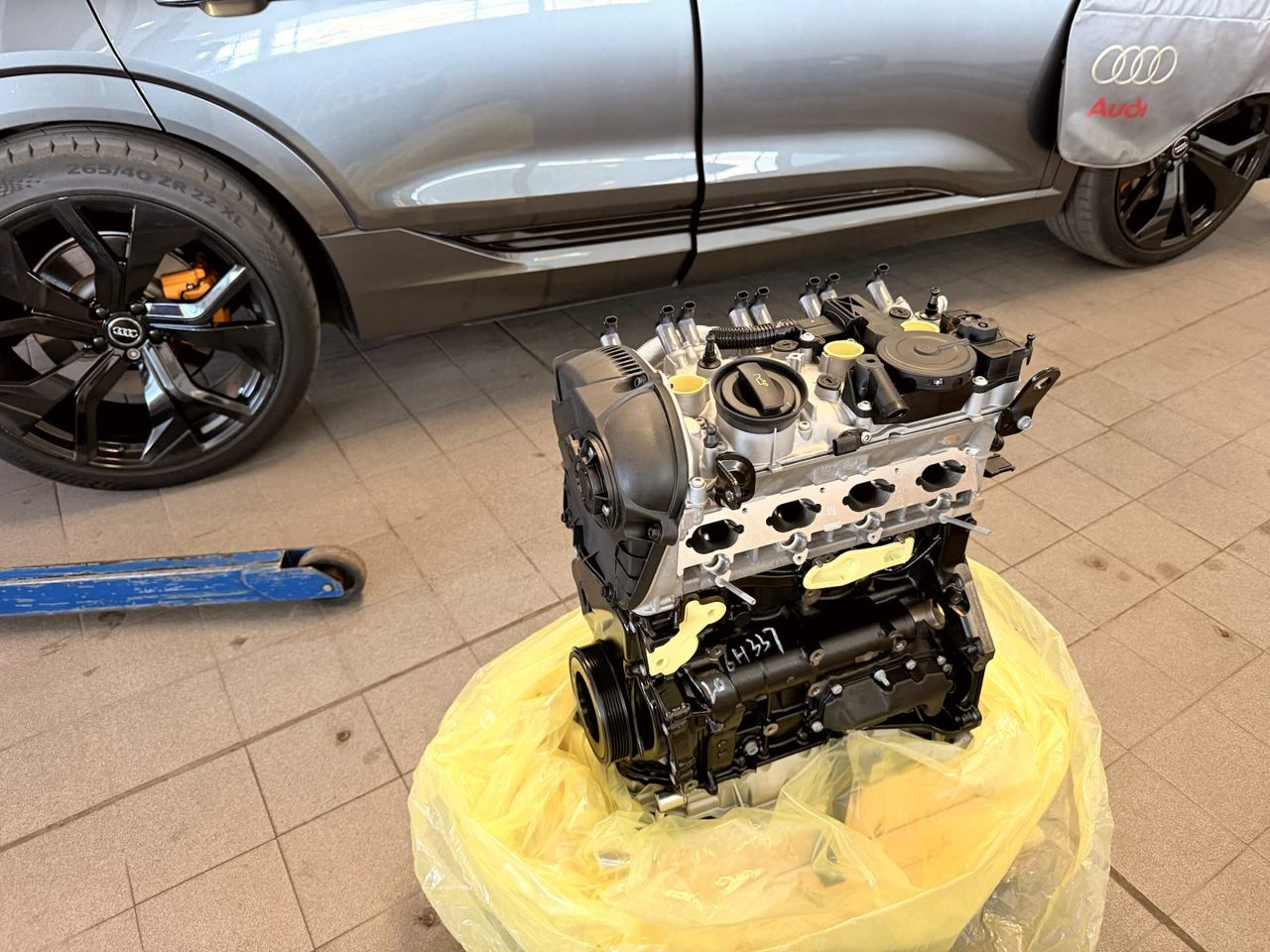
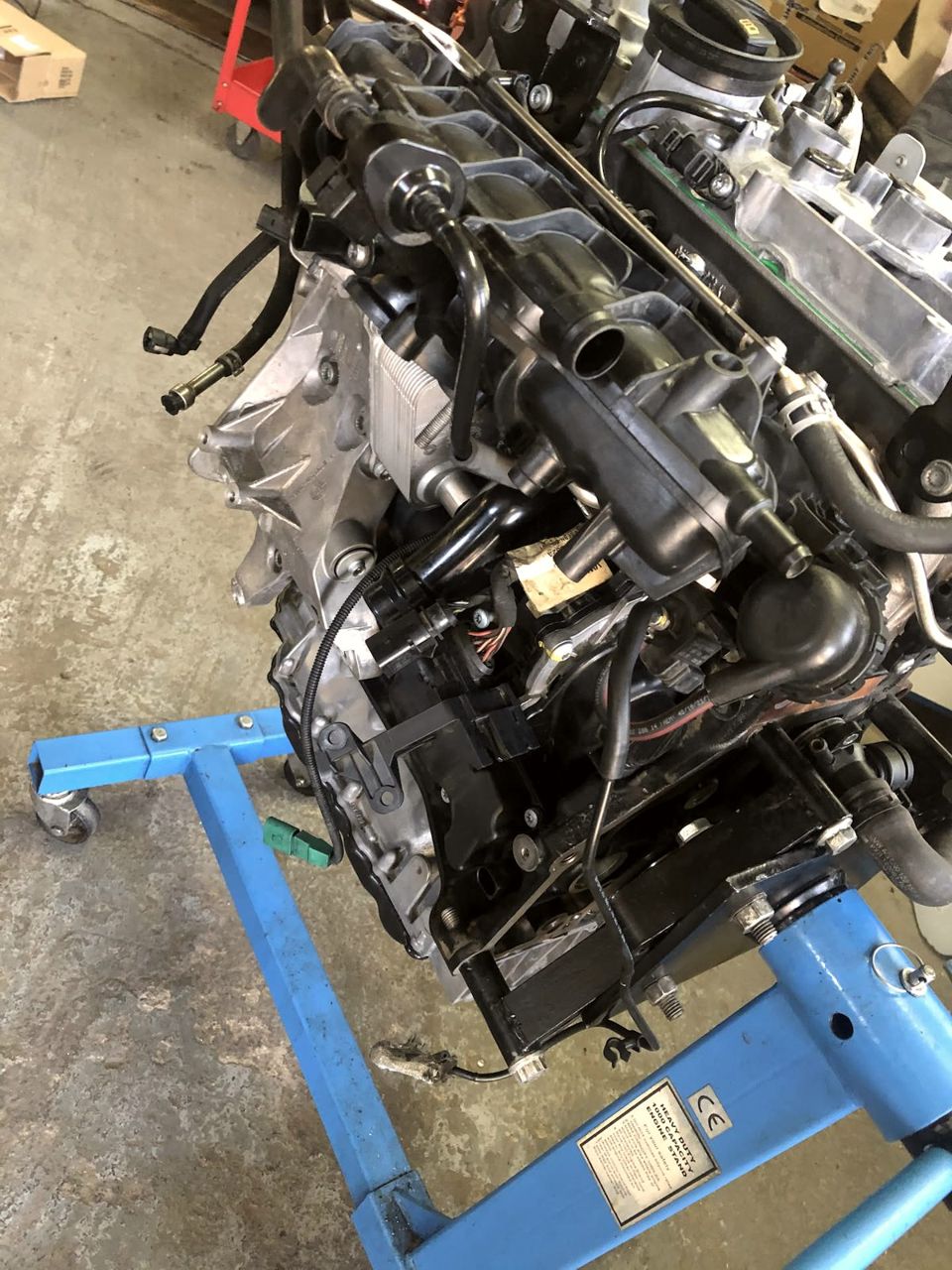
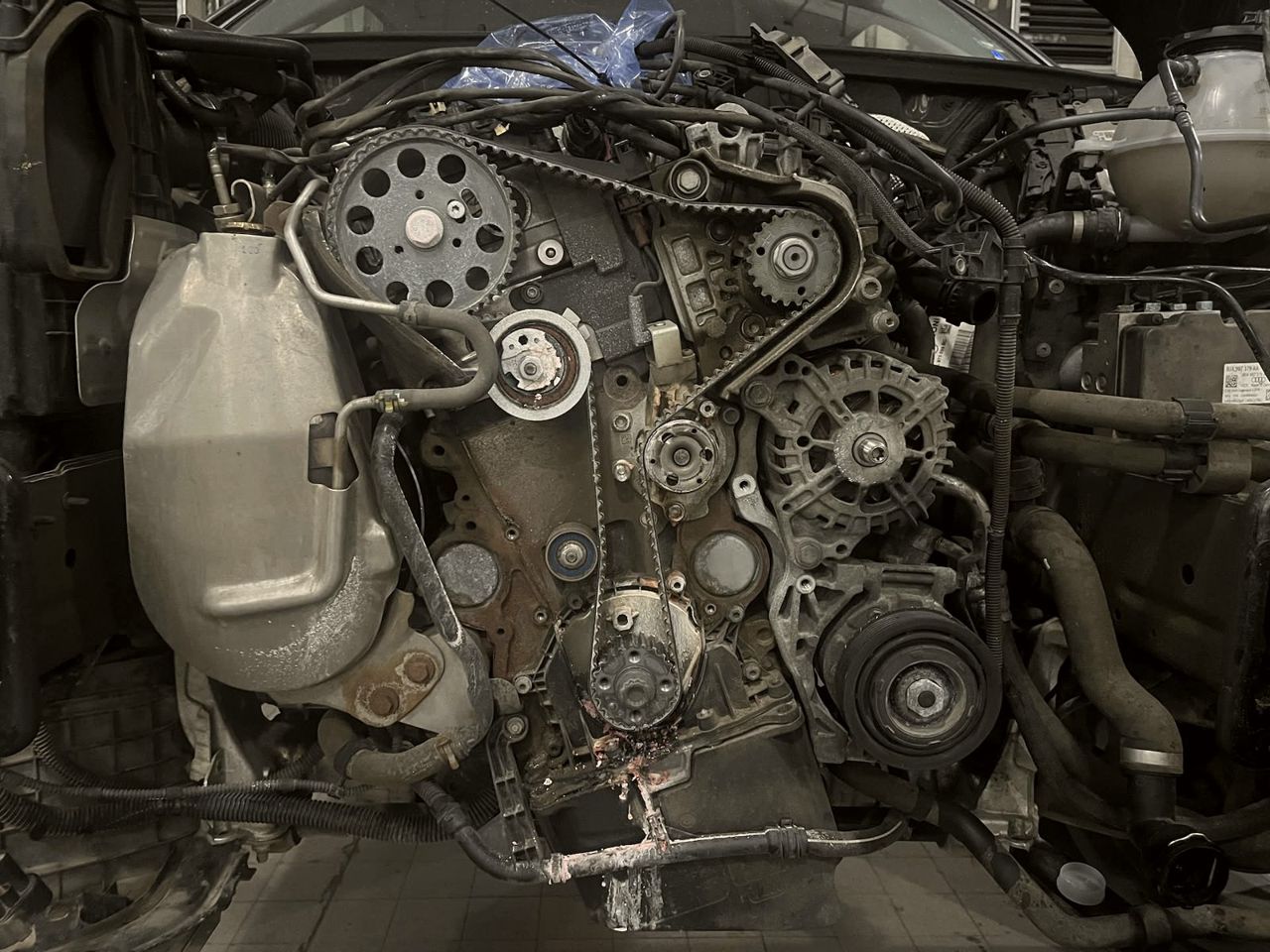
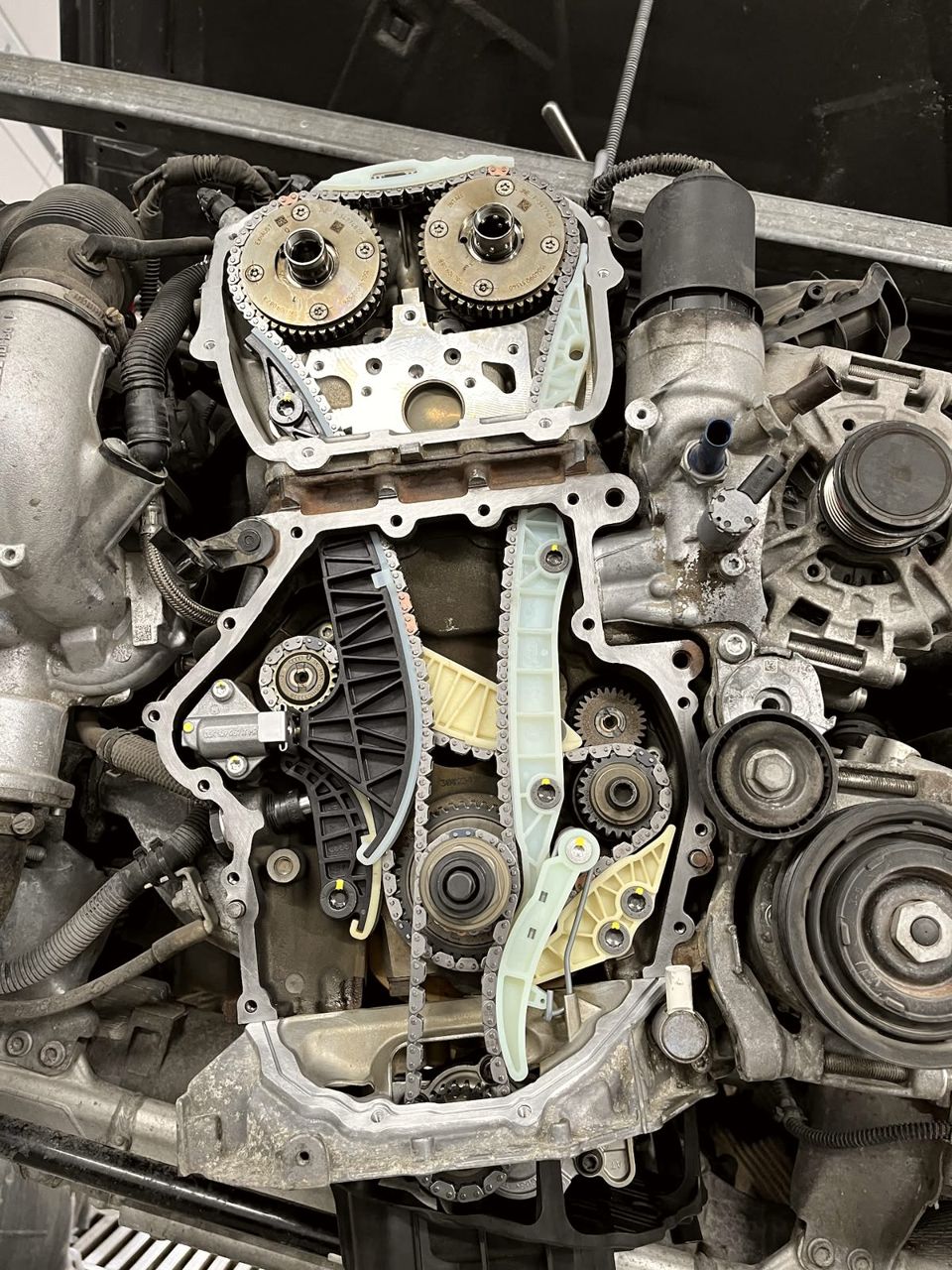
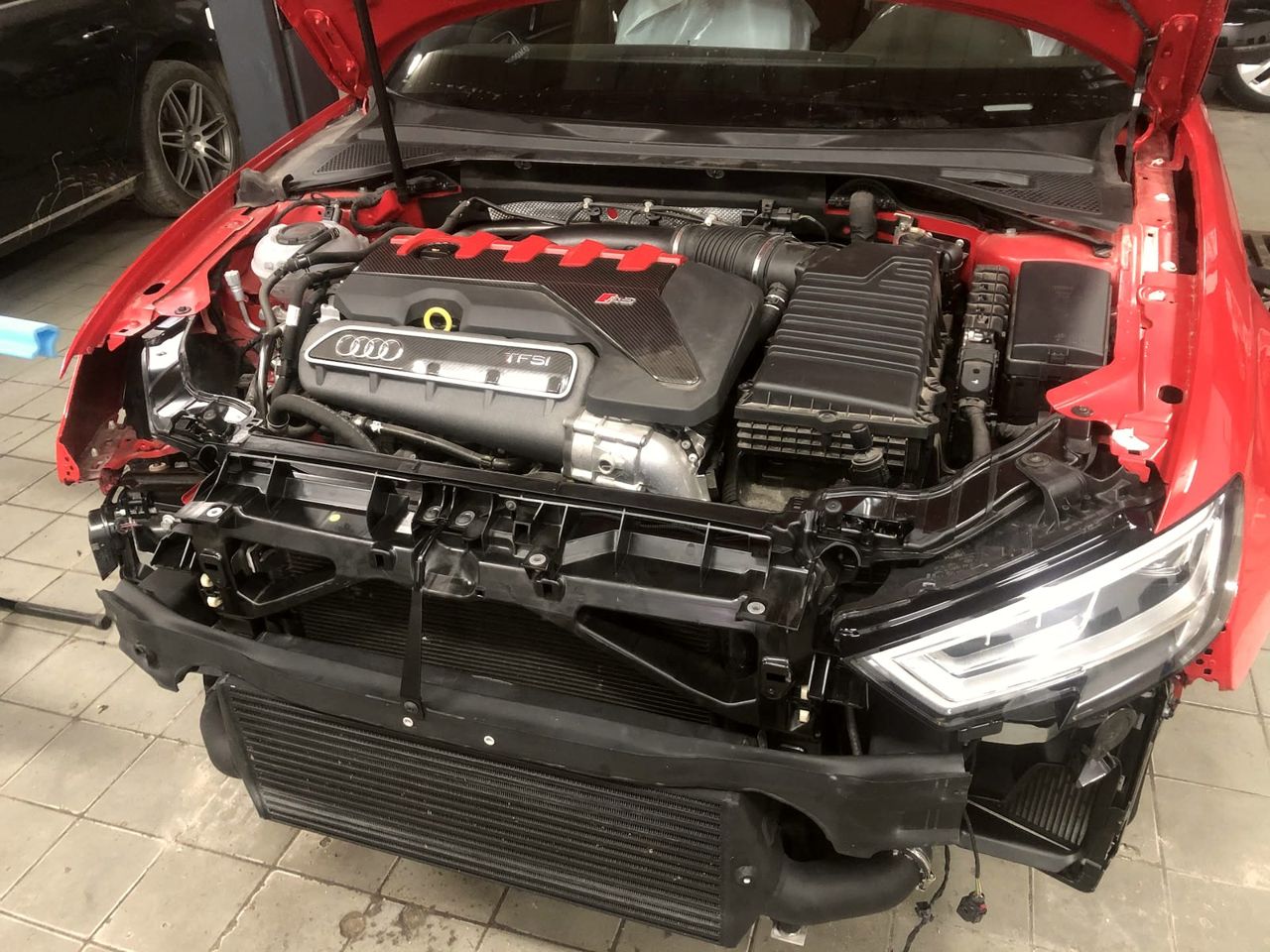
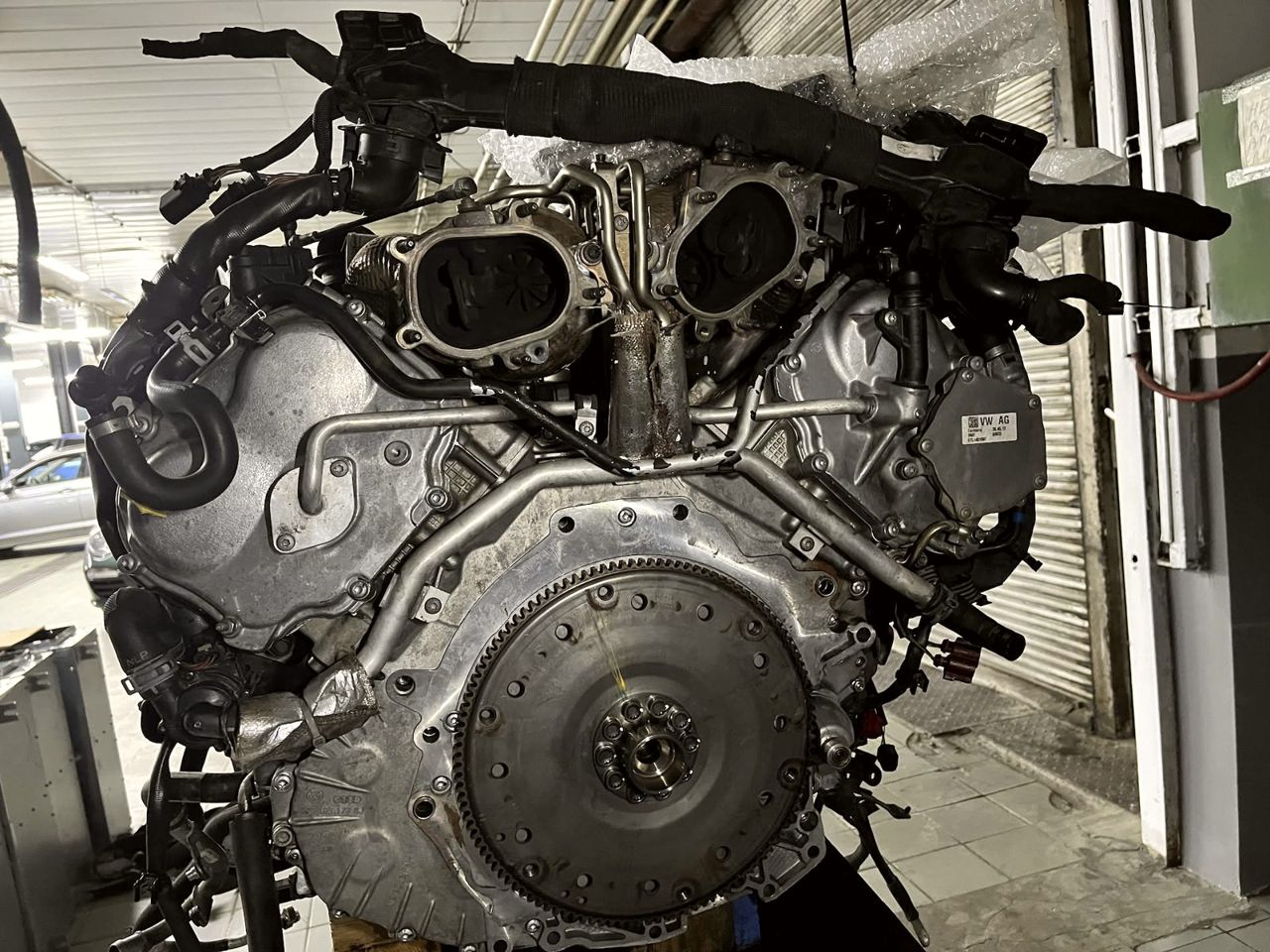
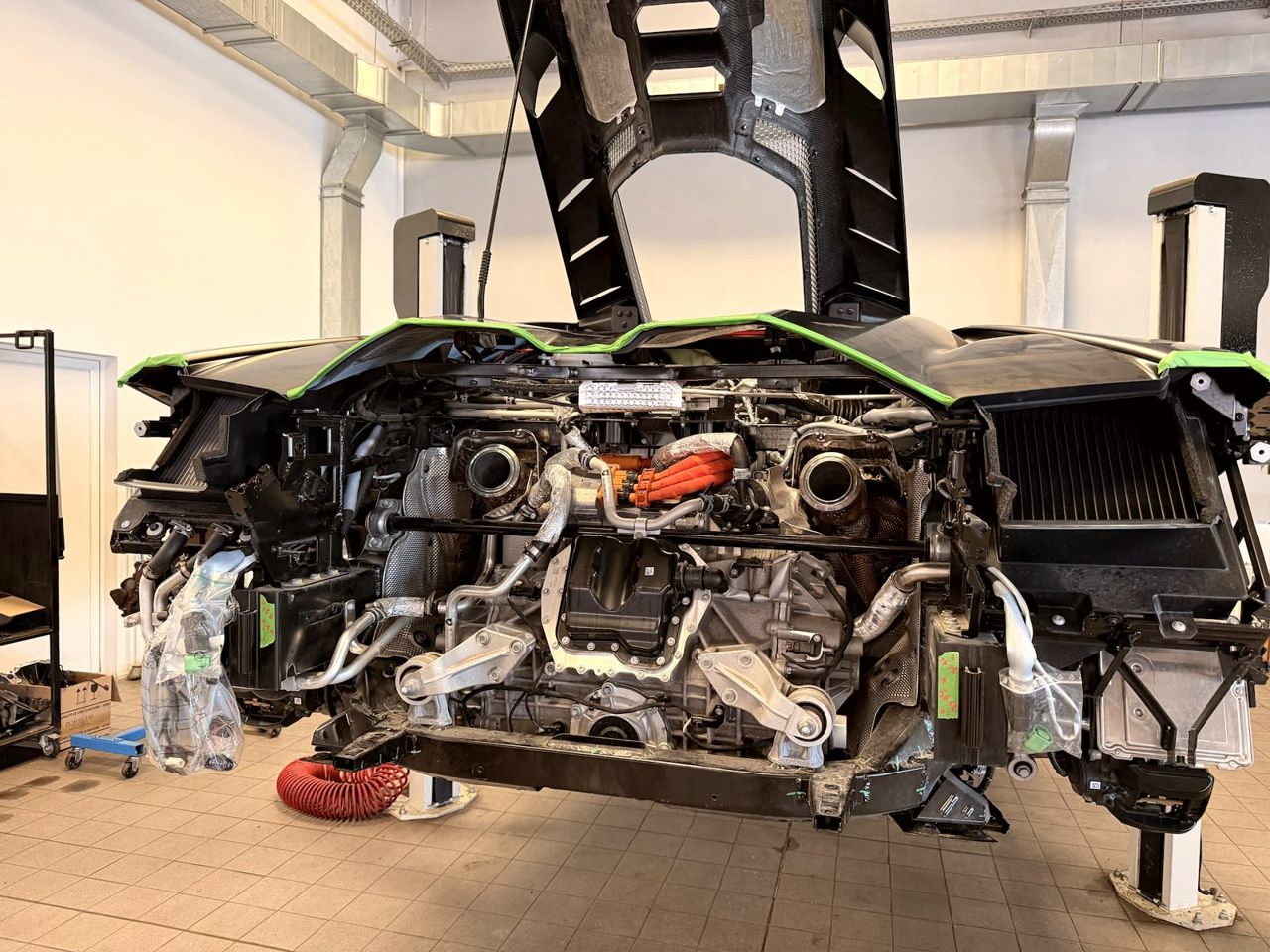
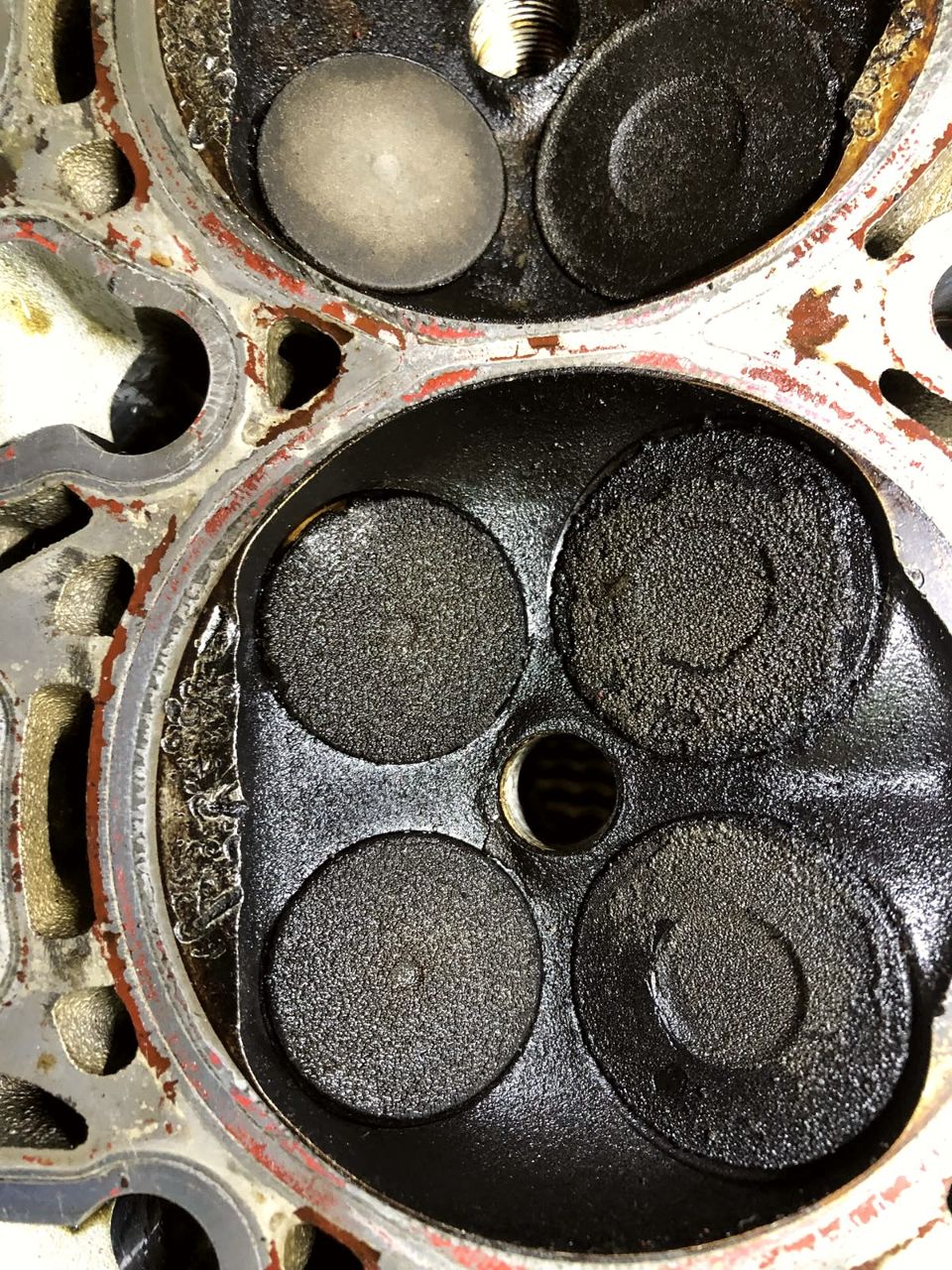
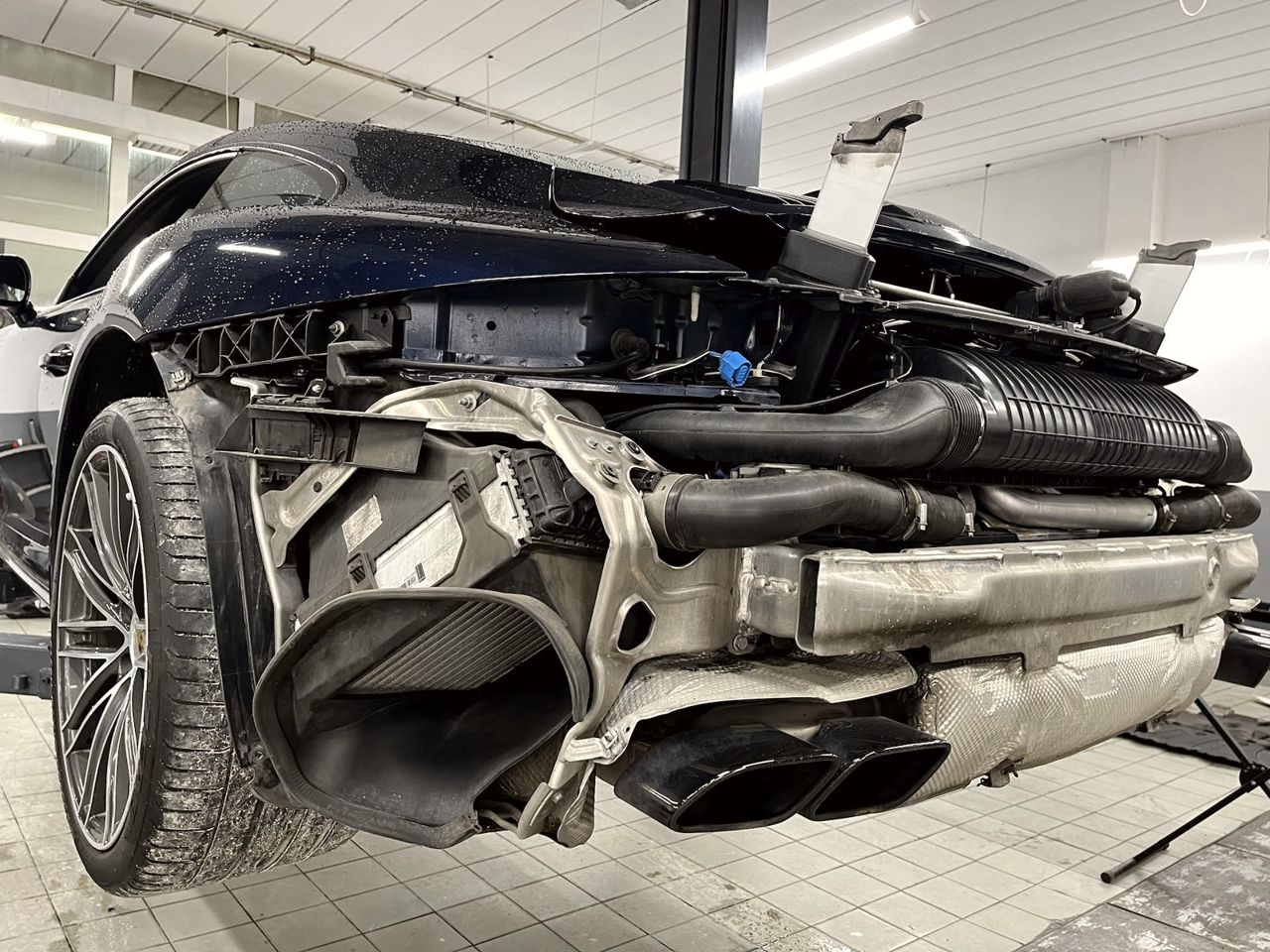
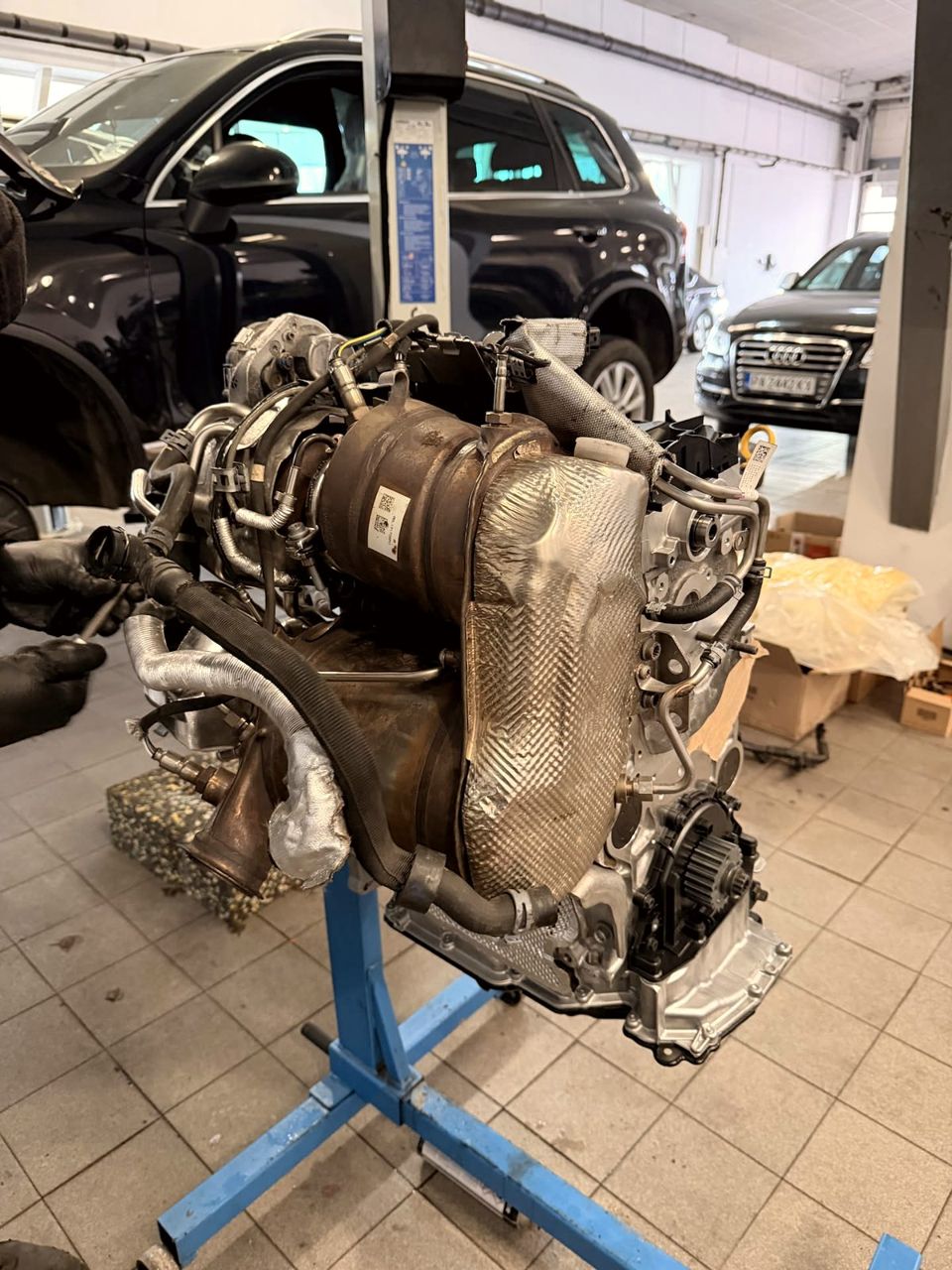
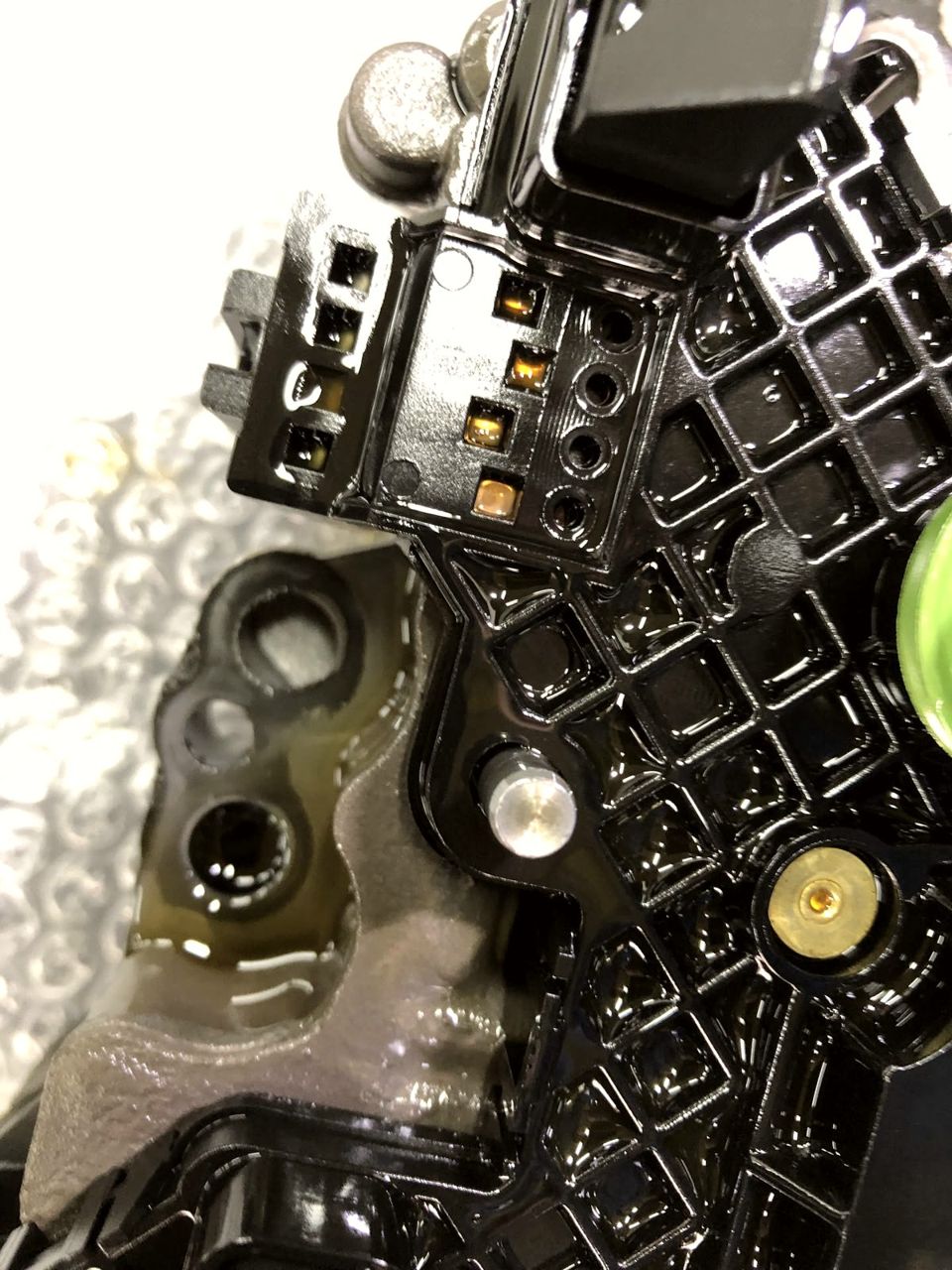
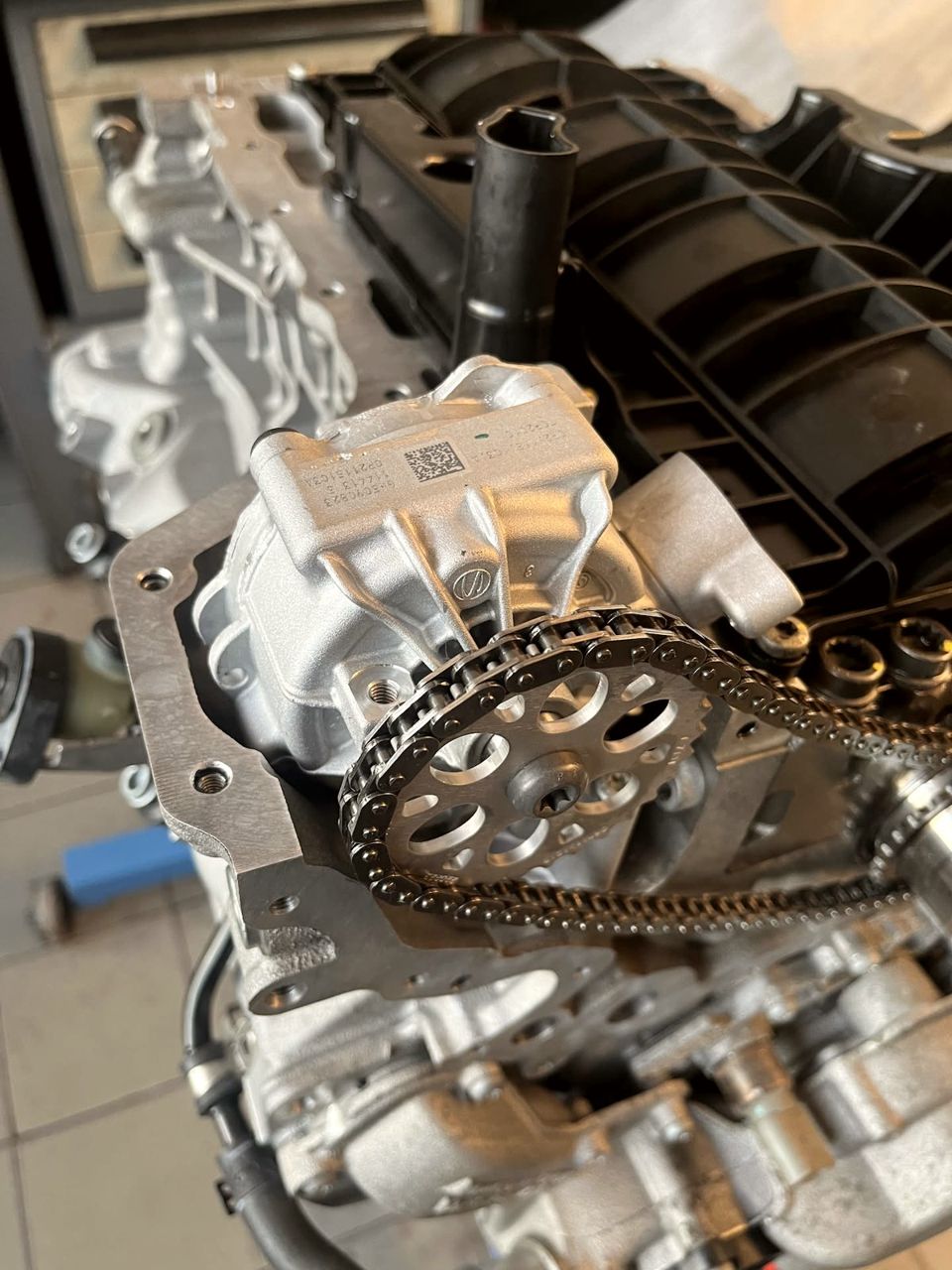
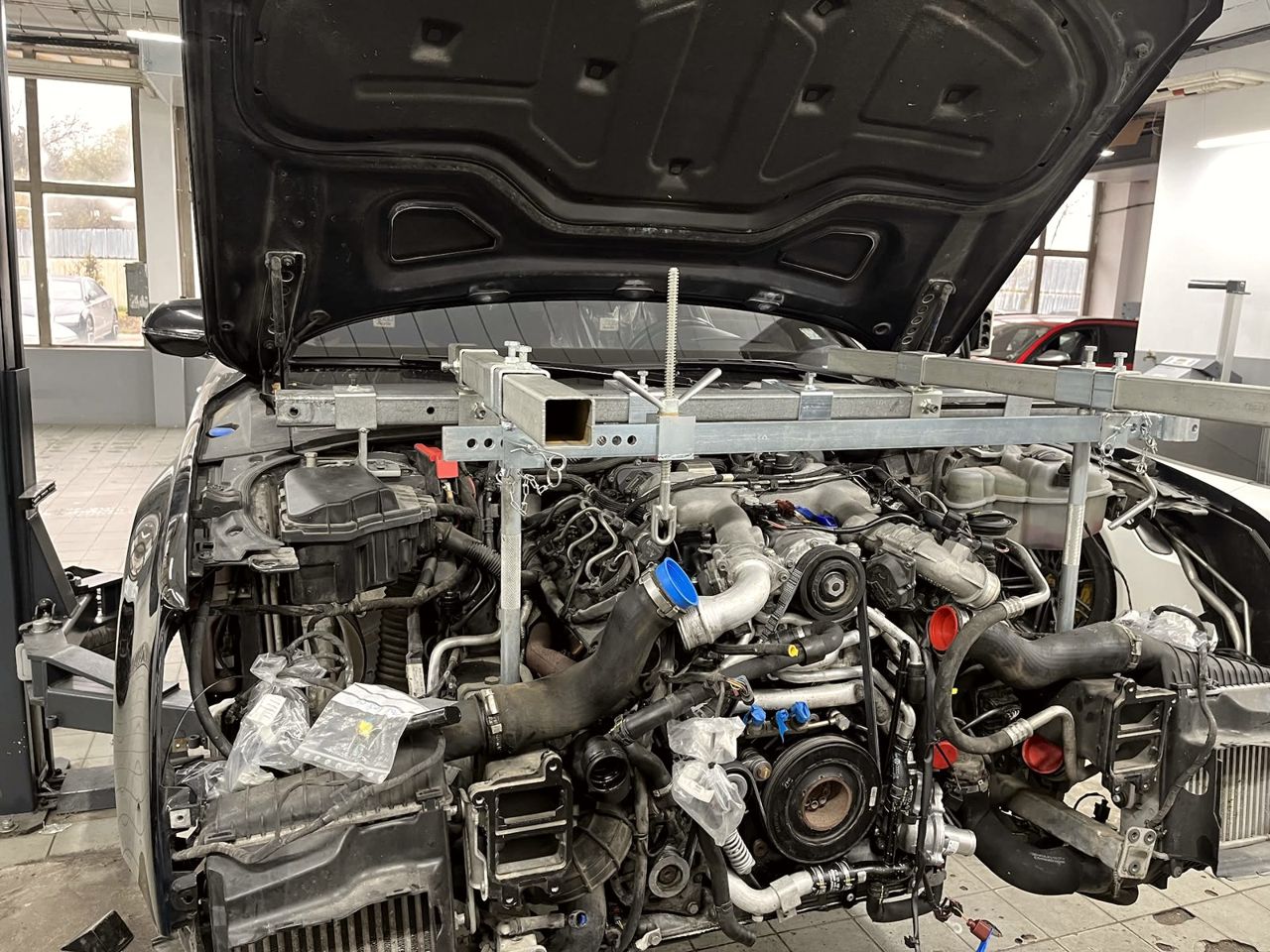
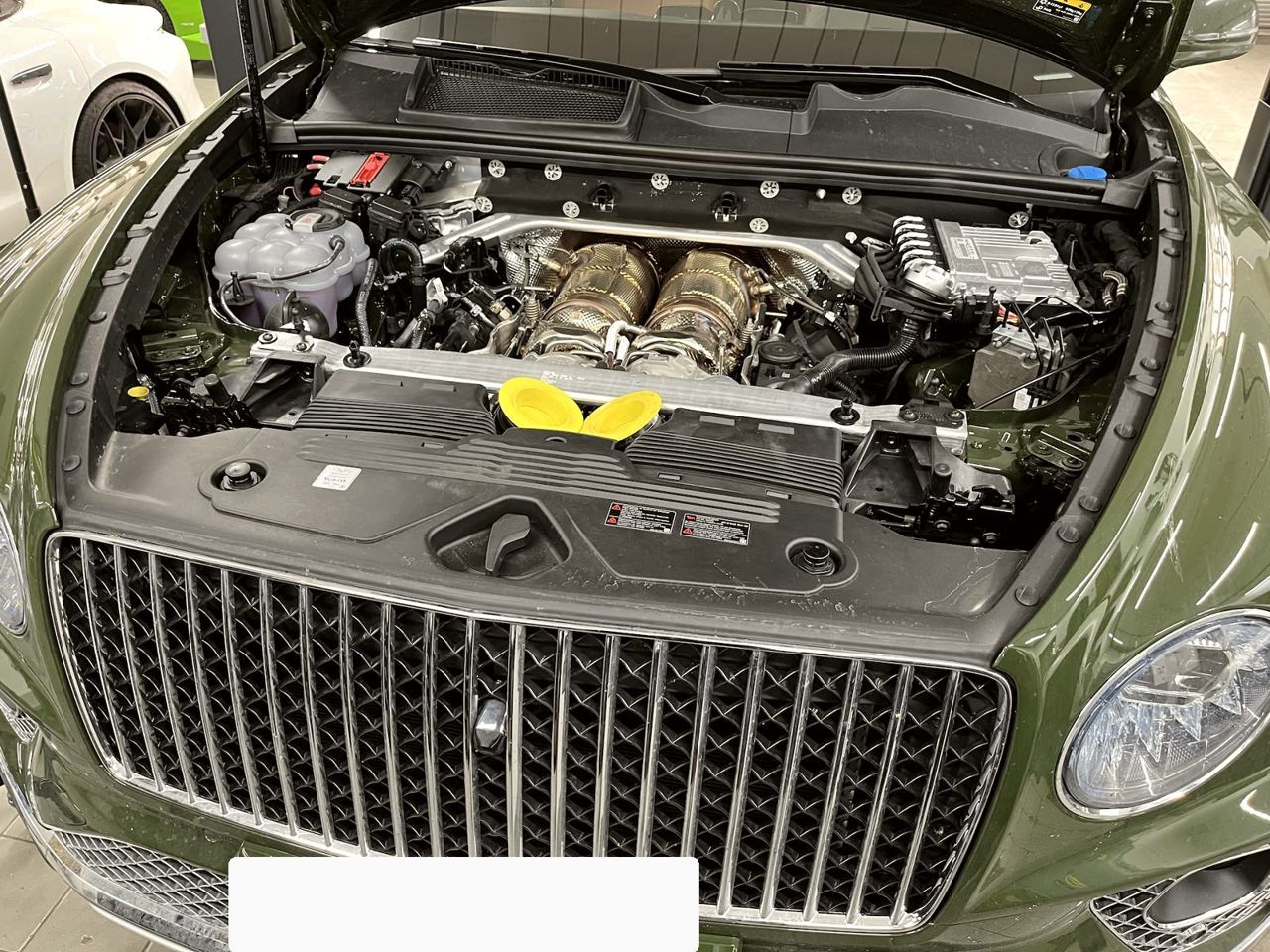
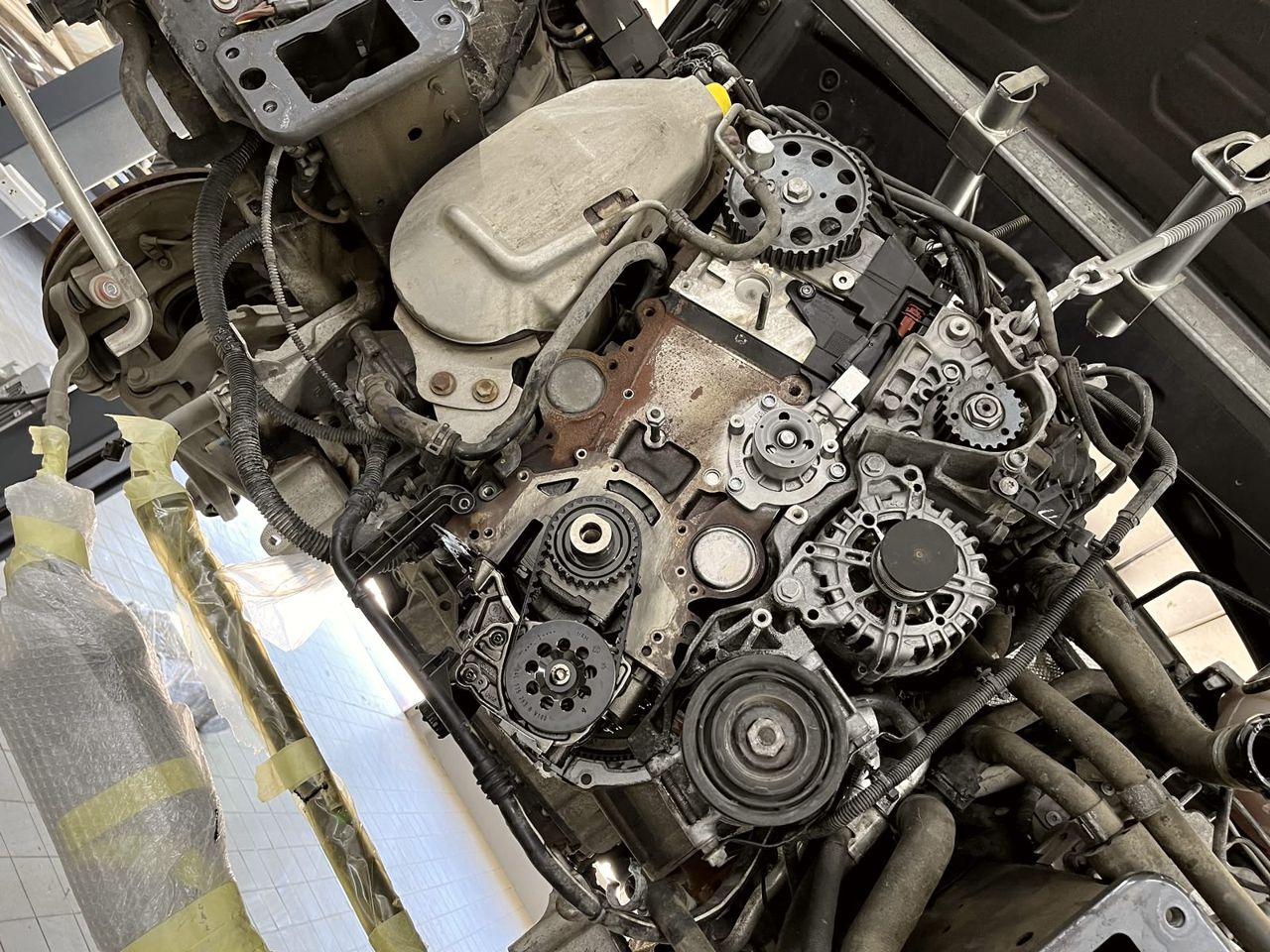
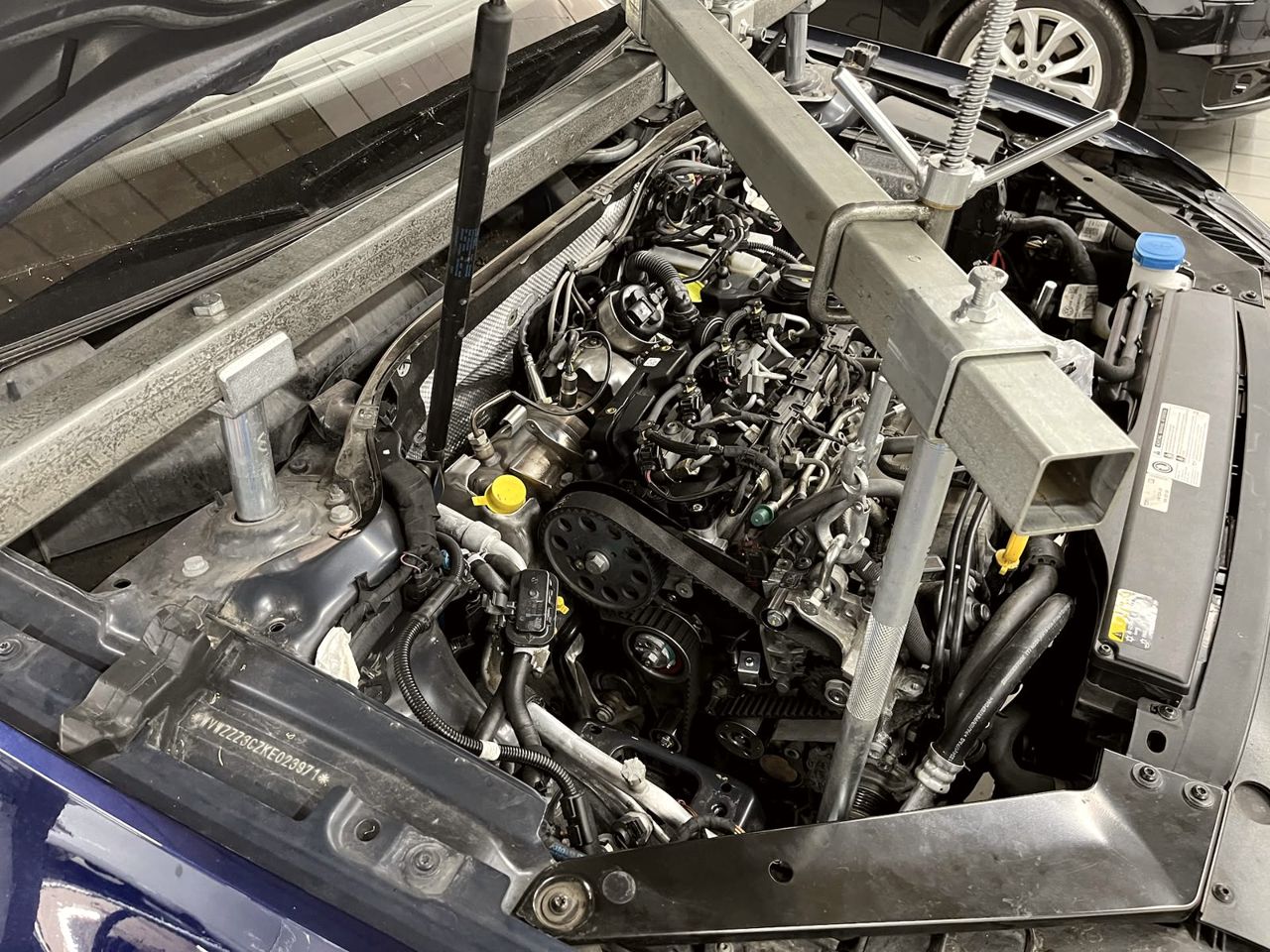
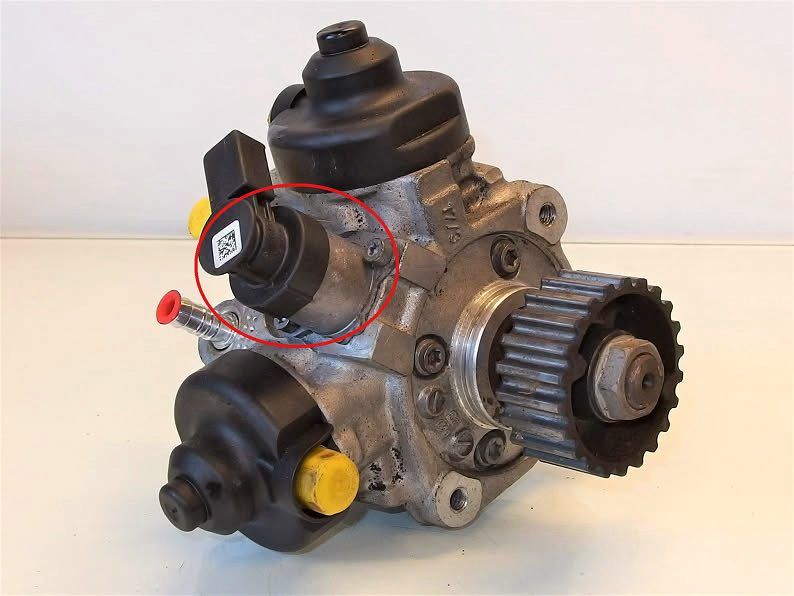
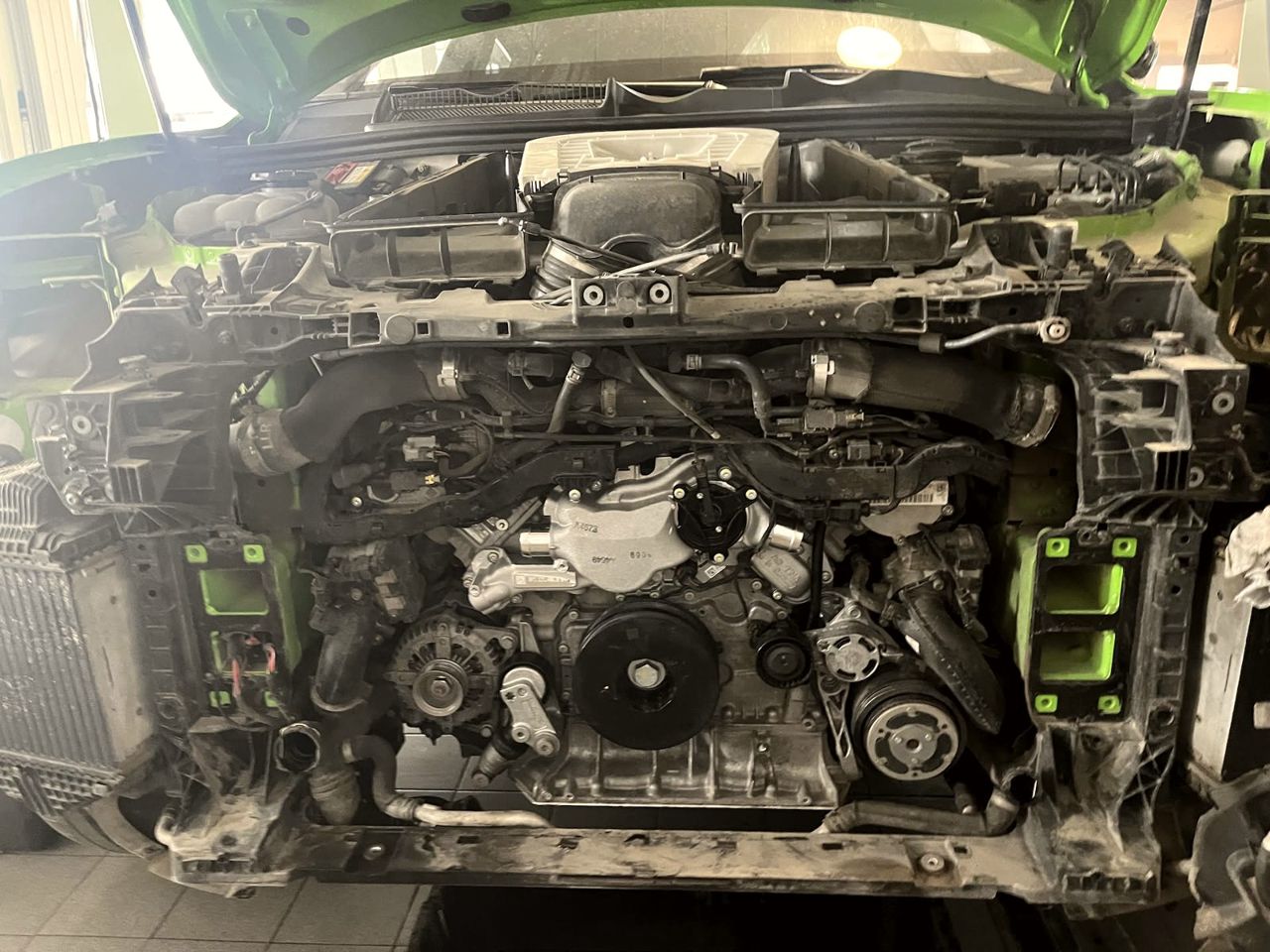
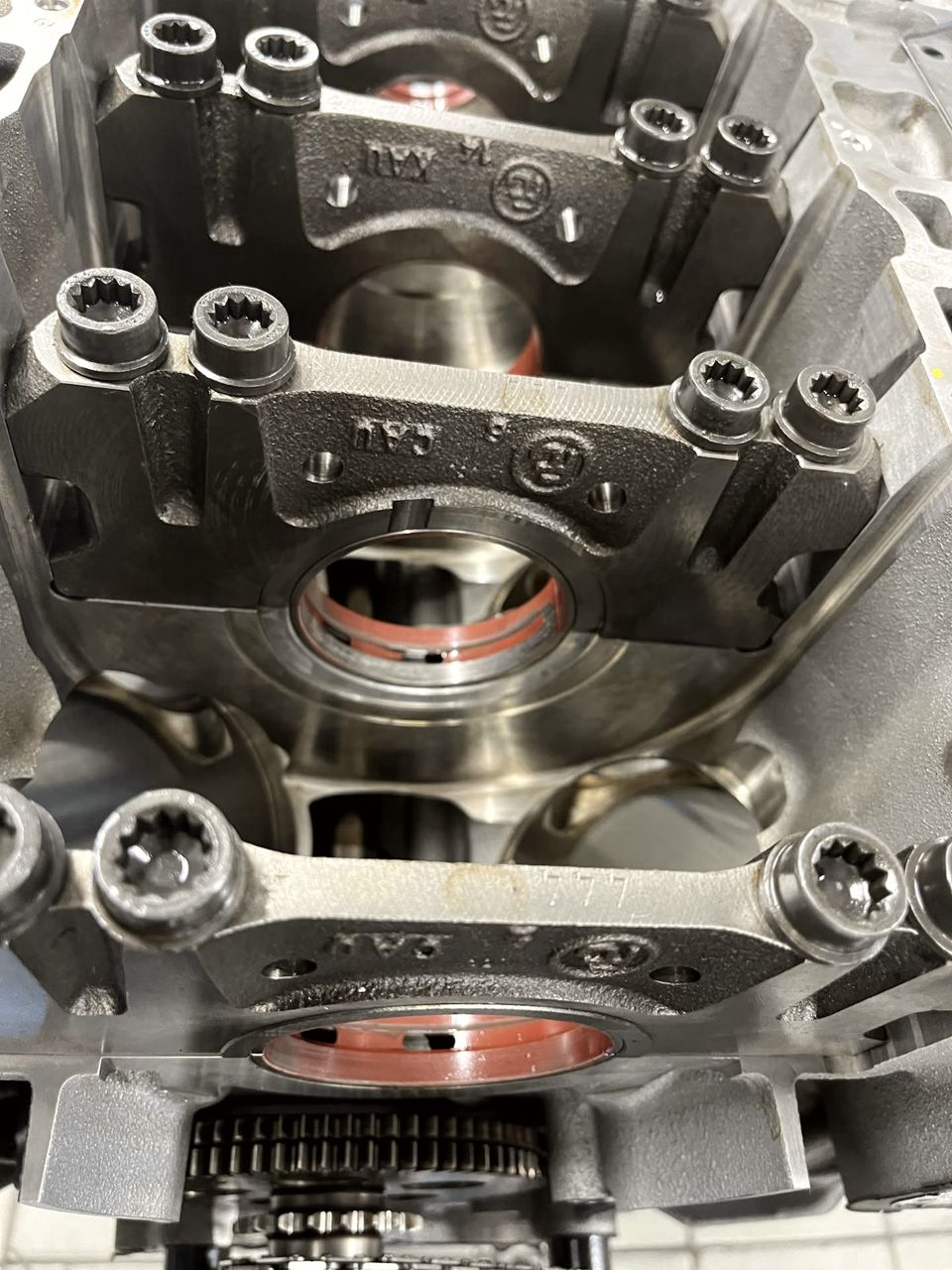
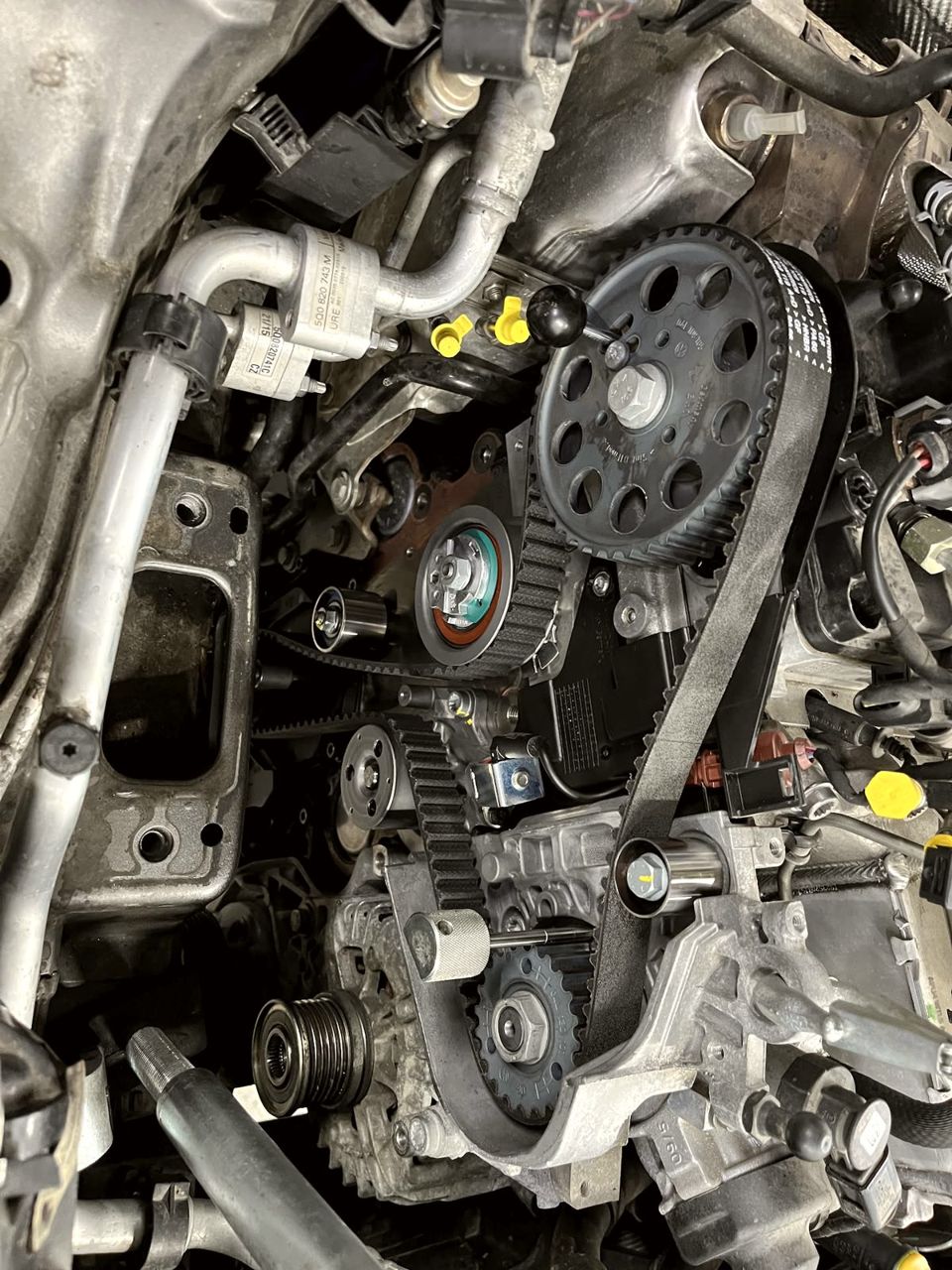
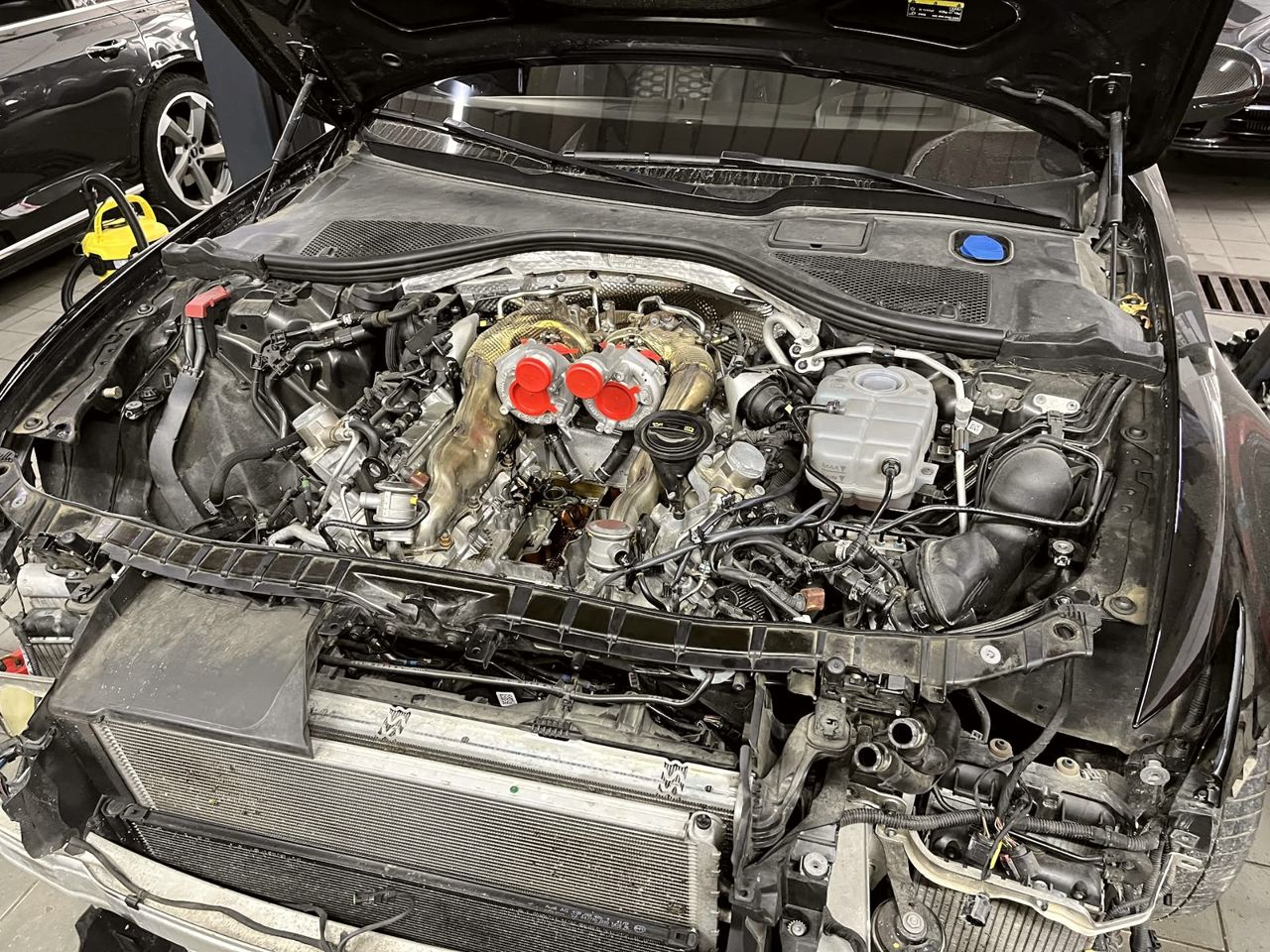
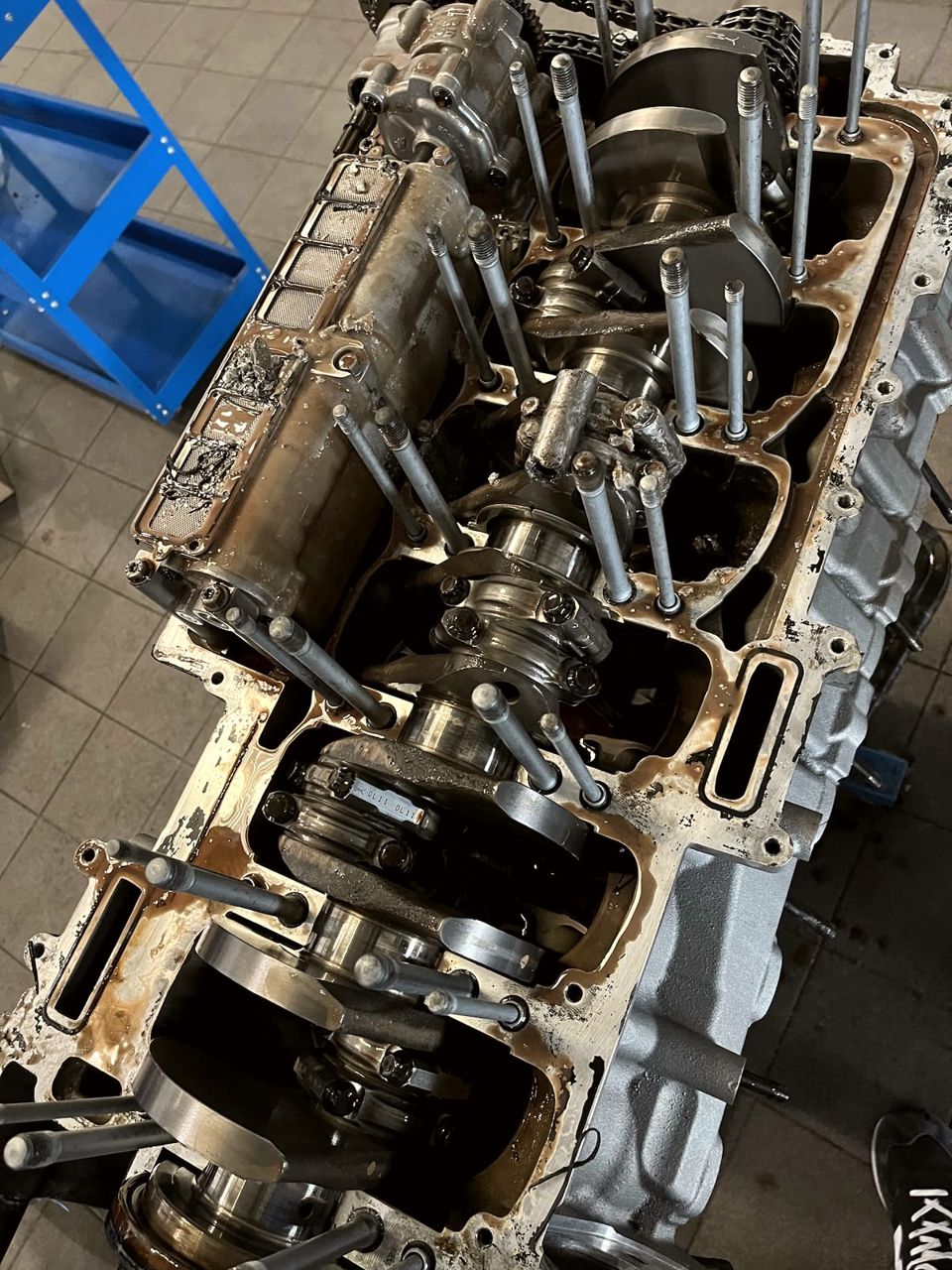
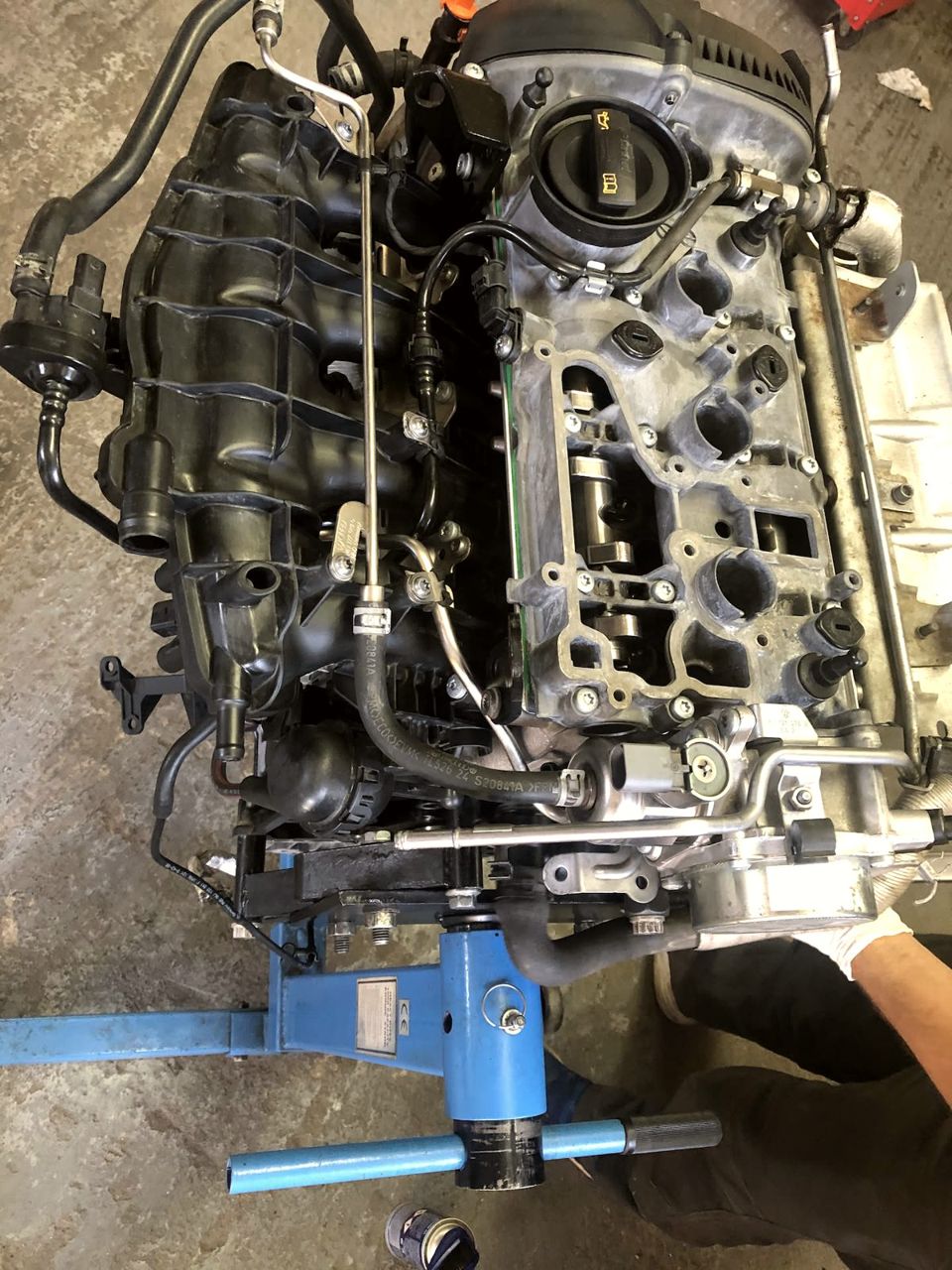
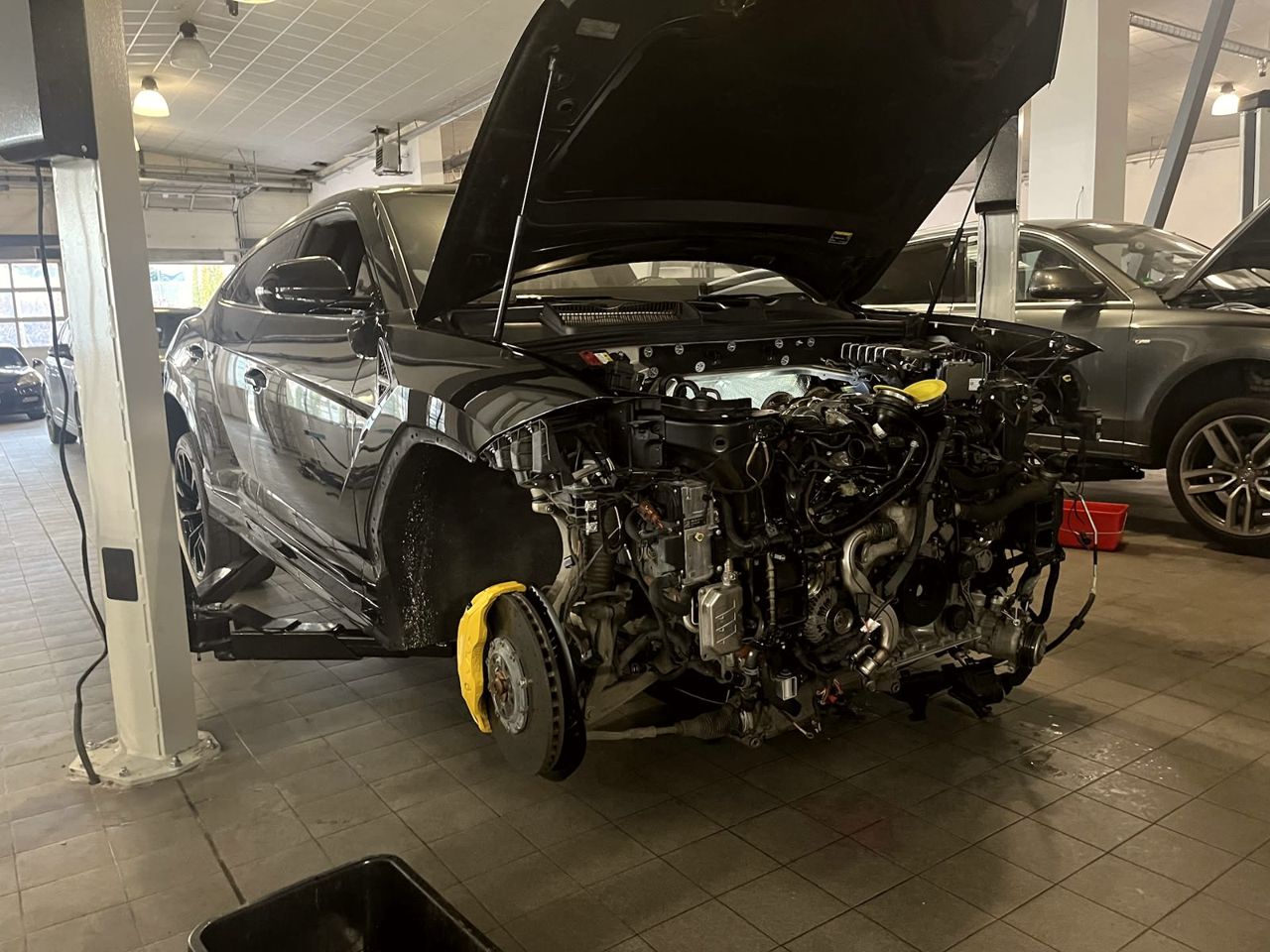
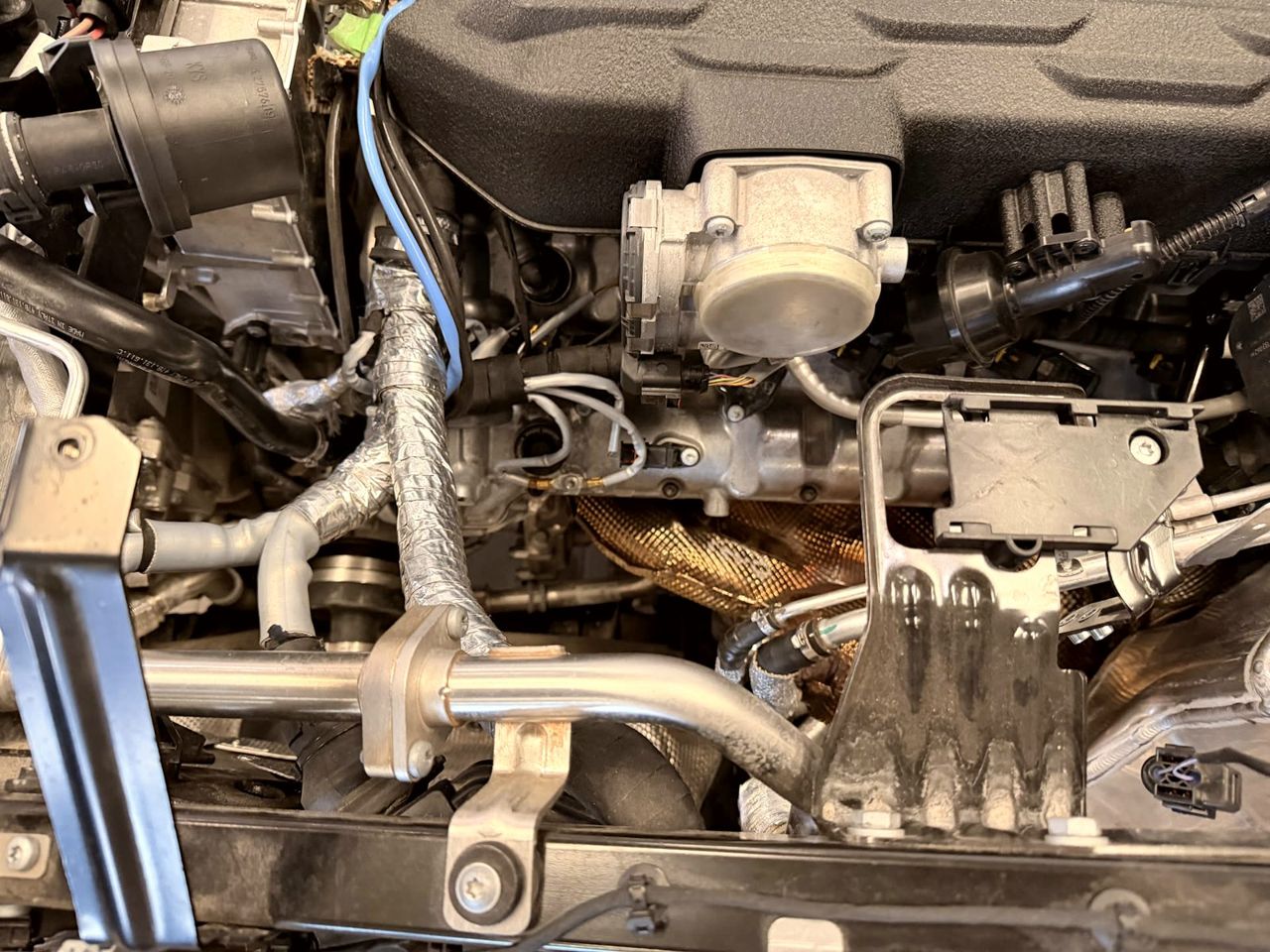
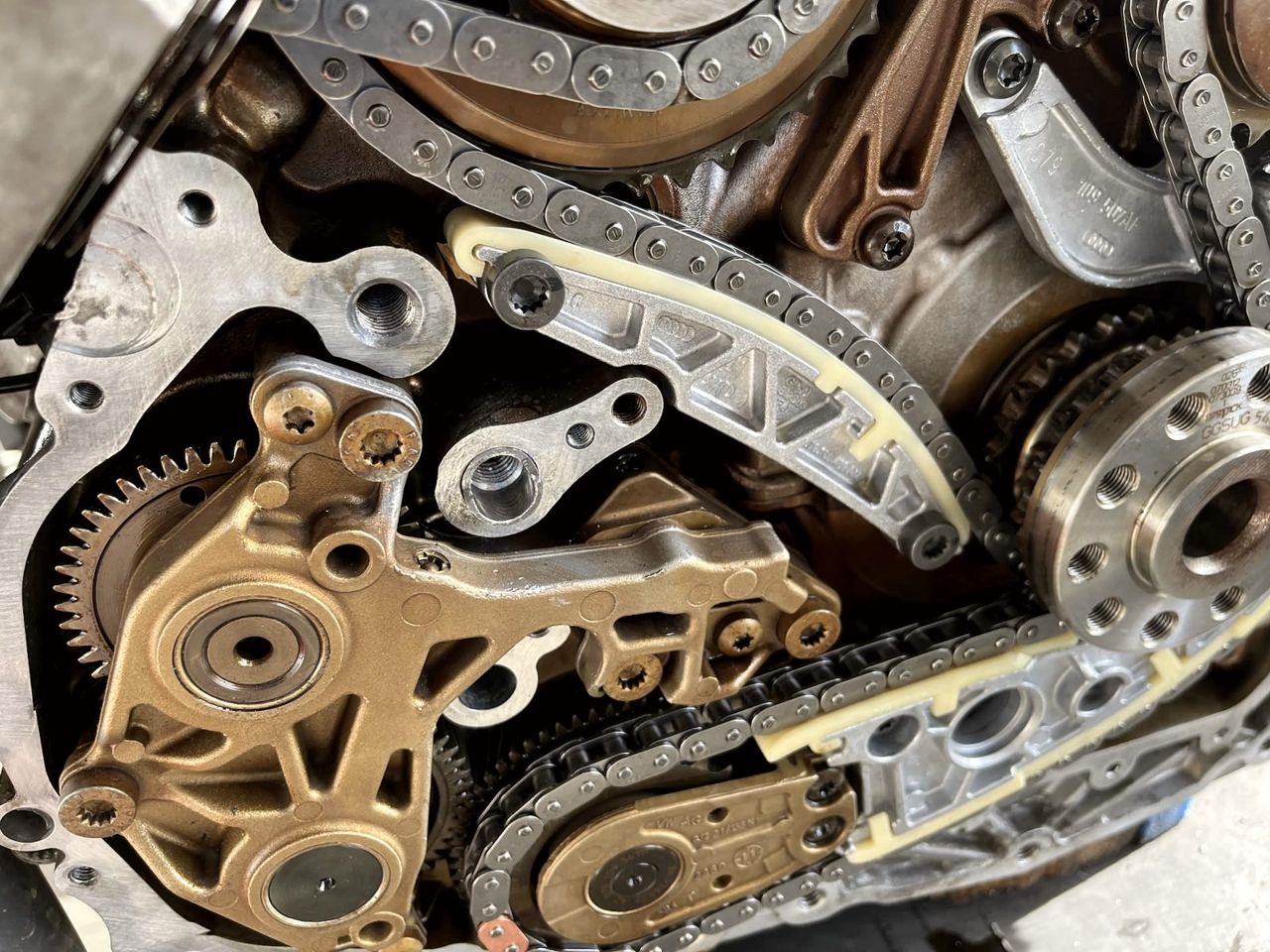
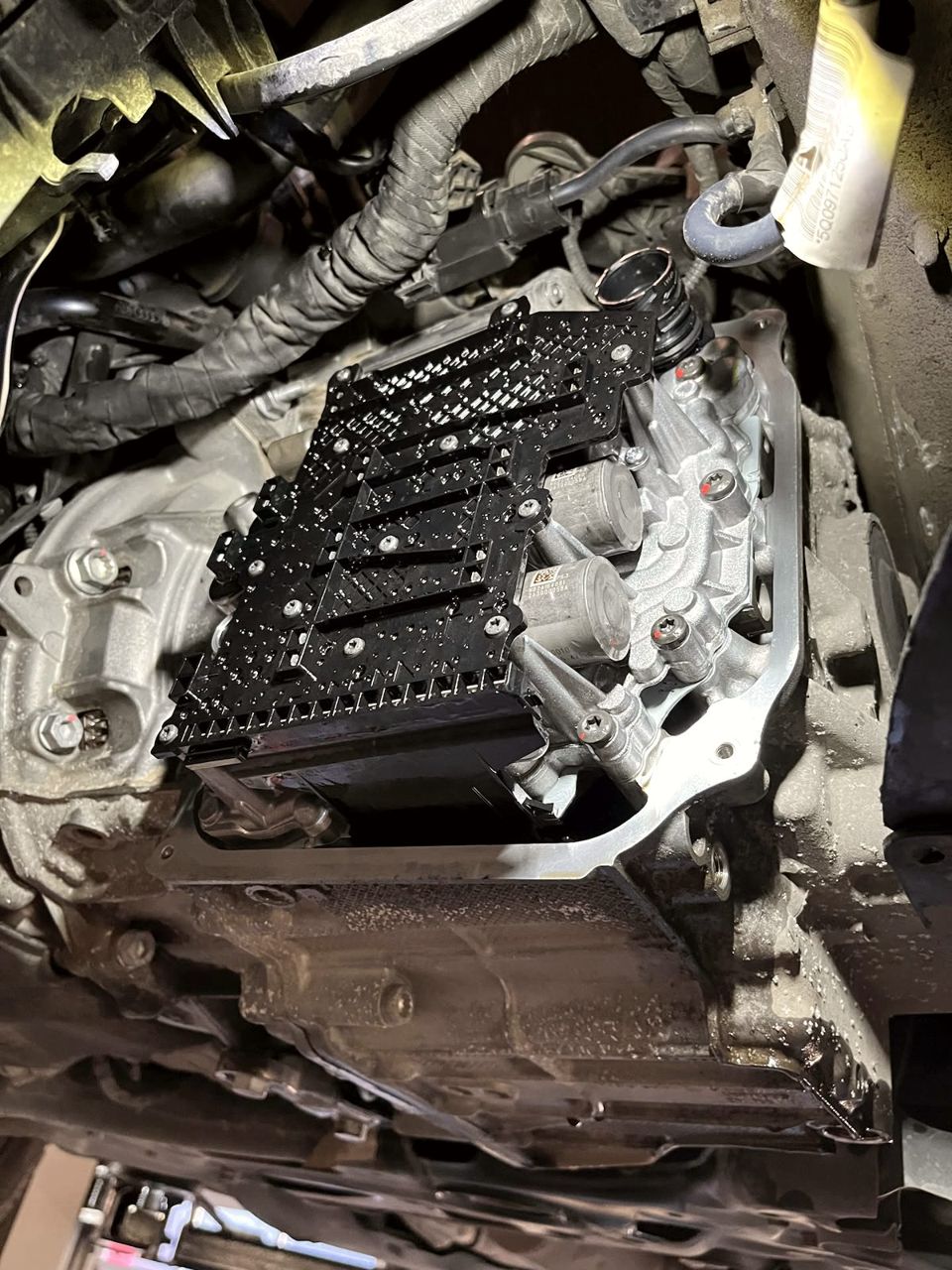
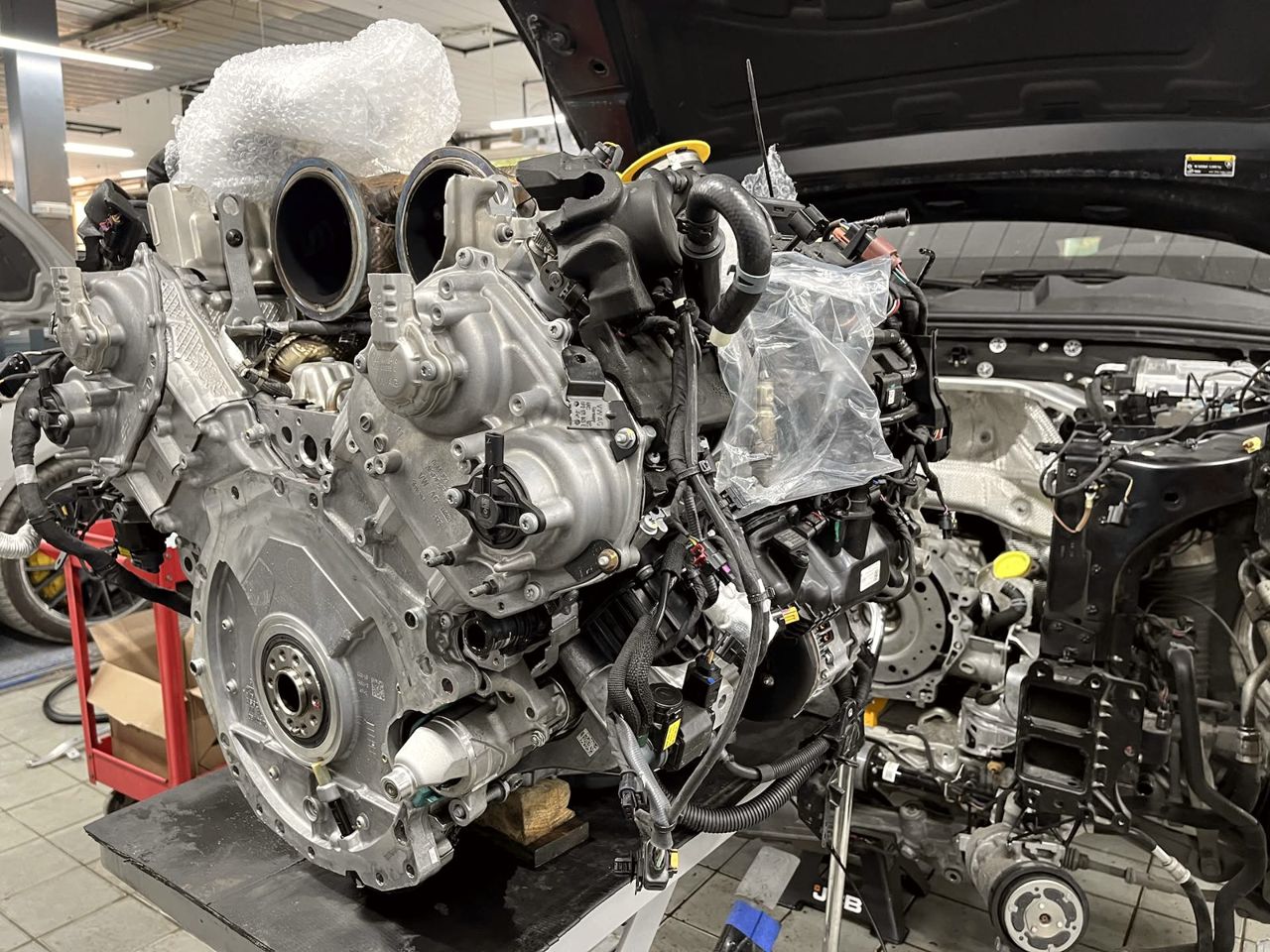
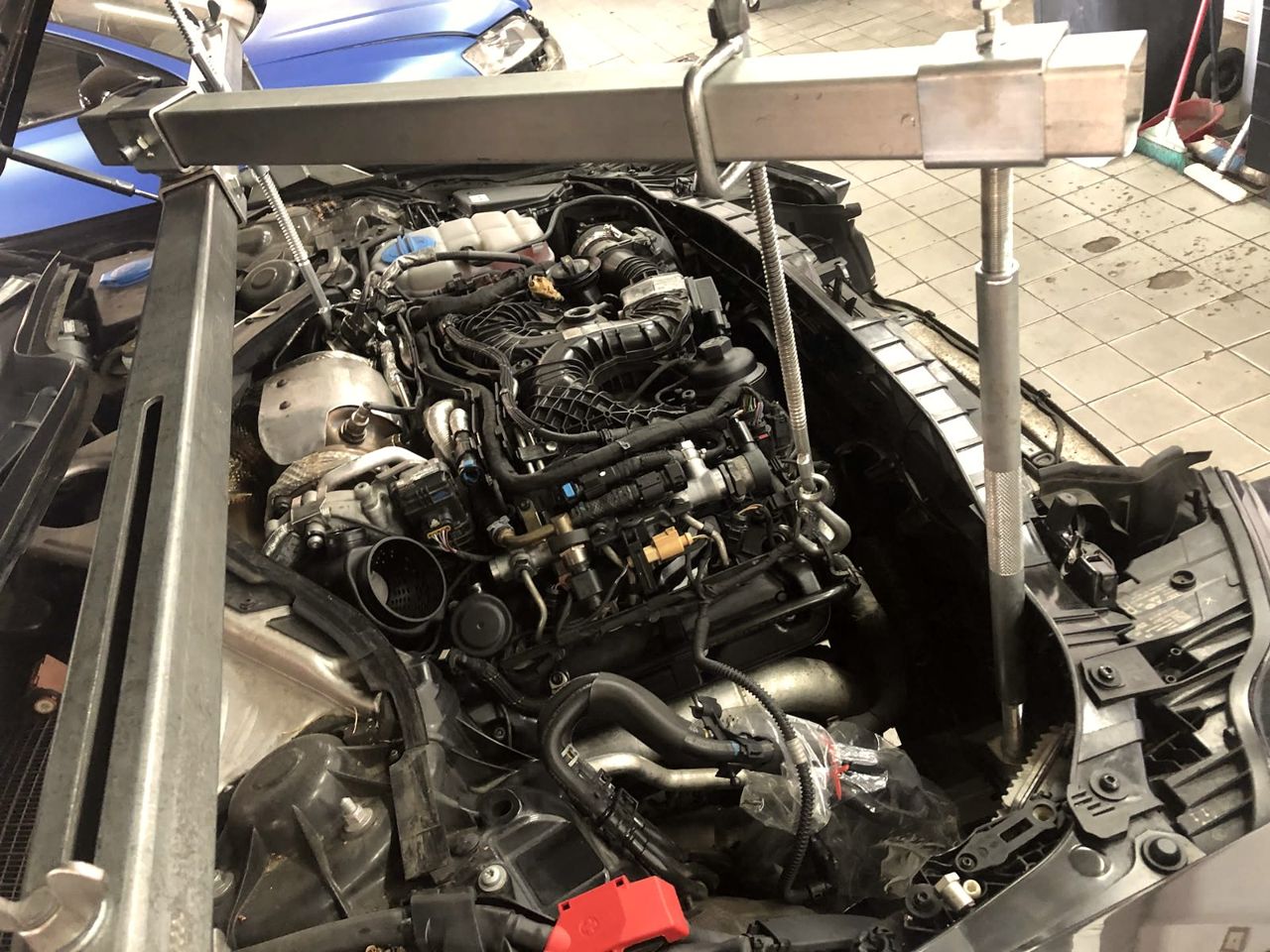
Around 105 photos from our workshop show dismantled engines, cylinder heads, timing components, turbochargers and work on V8, V10, W12 and V12 engines.
Inside the Engine
Explore the engines from the inside, including cylinder heads, timing components and turbochargers.
Questions and Answers
Can an incorrectly replaced timing chain damage the engine?
Yes. If the chain isn't installed according to the correct procedures, it can jump and disrupt the engine's timing. That's why genuine specialist tools, correct installation and diagnostics before and after the repair are so important.
Why is the crankcase ventilation filter so important?
The crankcase ventilation system helps remove moisture and gases from the engine. If it isn't working properly, condensation can accumulate, forming an emulsion and reducing the effectiveness of the engine oil. On certain generations of 1.6 and 2.0 TDI engines, the filter is replaced every 80,000 km.
How often should I change my engine oil to protect the engine?
For cars driven in Bulgaria, I recommend changing the engine oil and all filters every 10,000 km or once a year, whichever comes first. Always use oil that meets the exact specification for your engine.
Book a Slot or Ask a Question
Leave your contact details and tell us about your car.