DSG gearbox problems rarely leave you stranded without warning. Most of the time, your gearbox starts telling you something isn't right weeks, sometimes even months, beforehand. Catch it early, and a proper service and adaptation may be all it needs. Ignore it, though, and you could end up replacing the clutches or the mechatronic unit. That's when things get expensive. And you're the one paying the bill. So let me show you six warning signs I want you to watch out for.
1. Why does your DSG jerk or judder when pulling away?
This is the complaint I hear most often. You pull away, and the car judders or gives you a proper jolt, especially in stop-start traffic. It could be the clutches, the mechatronic unit – basically the gearbox's brain – or it might simply need an adaptation.
2. Why does your car hesitate before moving?
You release the brake, press the accelerator, and the revs rise, but the car takes its time. It doesn't move straight away. That's a sign the clutch isn't engaging when it should.
3. Why is the gear indicator flashing on your dashboard?
If the gear indicator starts flashing, the gearbox has logged a fault and gone into limp mode. Don't carry on driving like that for long.
4. Why does your DSG bang when changing gears?
The gearbox changes gear, but you feel a thump, or there's a brief hesitation before it engages. That points towards a problem with the hydraulic system that controls the gear changes, or with the clutches themselves.
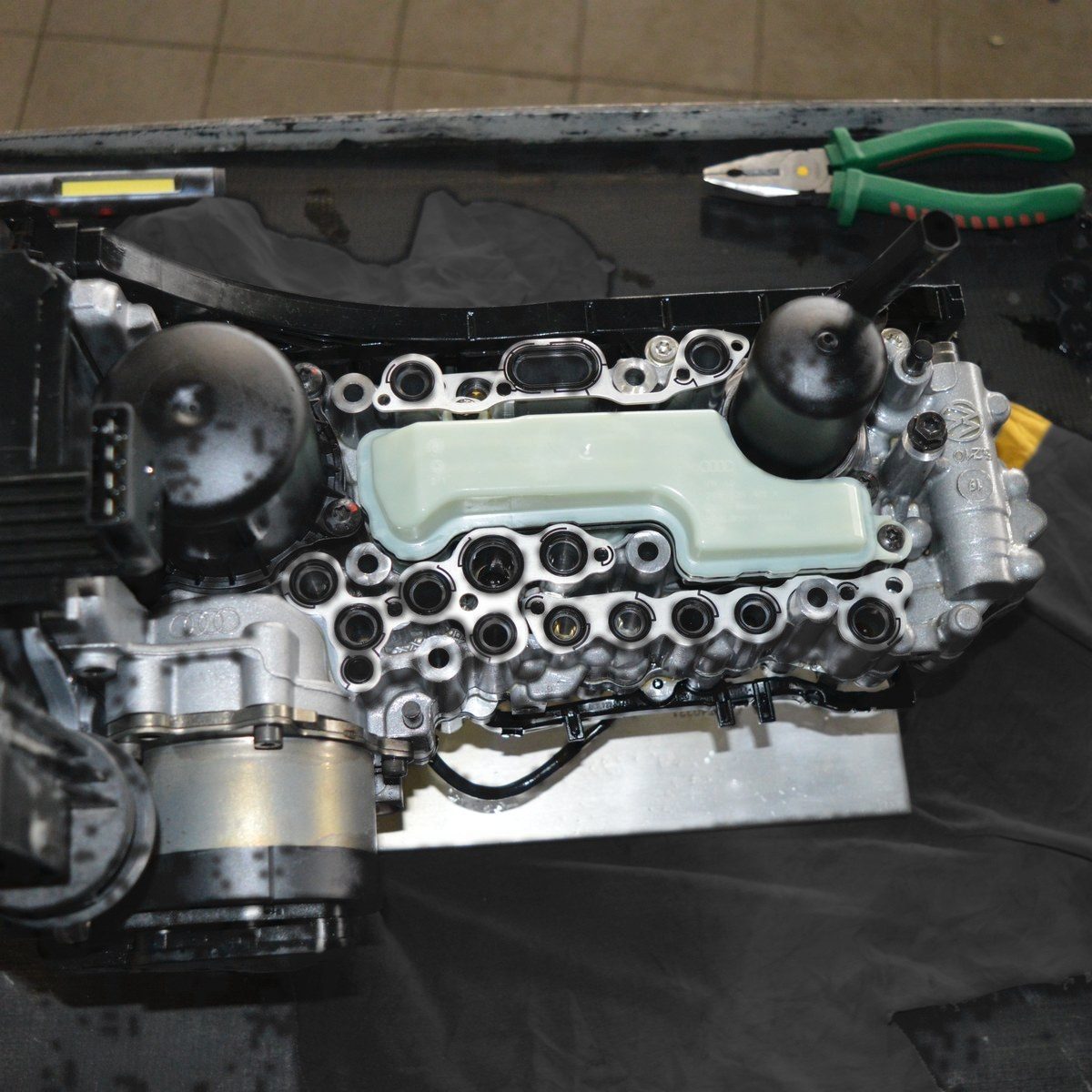
5. Where is that noise from your DSG coming from?
You hear a humming, rattling or whining noise that changes depending on the gear or your speed. It could be worn bearings or a problem with the clutch.
6. Why is there oil underneath your DSG gearbox?
If you spot oil underneath the gearbox, don't ignore it. A leak means the oil level can drop, and on a DSG, that can quickly damage the clutches and mechatronic unit. It's really not worth taking the risk.
If your DSG goes into limp mode, don't tell yourself, "I'll just try to make it to the workshop", especially if you're a long way away. Pull over, switch off the engine and give us a call.
What do we do at Das Auto Service?
- First, we read the fault codes and check the clutch readings.
- We check the hydraulic pressure and gearbox oil level.
- If a service is due, we change the oil and filter on wet-clutch DSG gearboxes.
- After every service or repair, we always carry out a gearbox adaptation.
A lot of these problems disappear after a proper service and adaptation. That's why we don't rush into replacing parts. We look for the actual cause first. There's no point replacing something that's working perfectly well, is there? Especially when you're the one paying for that mistake.
A tip from Kris Mladenov: If your DSG only jerks or judders when it's cold, then behaves normally once it's warmed up, make a note of exactly when it happens. That really helps us track down the problem during diagnostics.
If you recognise any of these six warning signs, bring your car to Das Auto Service and let us check the DSG. Don't wait until it stops working altogether. The sooner we find the cause, the better your chances of avoiding an expensive repair.
The solution in our shop
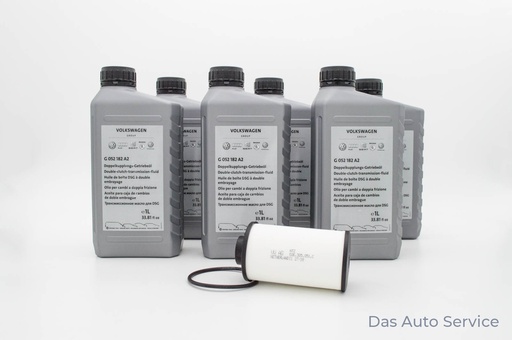
Service kit for a 6-speed DSG gearbox
An oil and filter kit for servicing a six-speed DSG gearbox. Changing them on time can often help resolve the problem.
View in our shop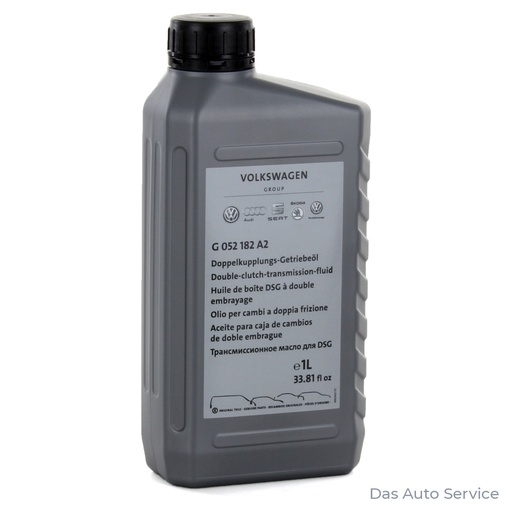
Genuine DSG gearbox oil G052182A2 1 l
Genuine DSG oil that we use when servicing wet-clutch gearboxes.
View in our shopRead more
- Gearbox servicing
- Diagnostics at Das Auto Service
- DSG DQ200 with dry clutches: why does the gearbox jerk and judder?
- DSG DQ250: when does the mechatronic unit fail, and what should you do?
- Mechatronic unit on the workbench: what we check before saying it needs replacing
- Why we don't use a flushing machine to change DSG and automatic gearbox oil
- DSG DQ381 and DQ500 with wet clutches: when should you change the oil?
Frequently asked questions
Can DSG adaptation fix jerking?
Often, yes, provided the clutches and mechatronic unit are in good condition. That's why we run diagnostics first, then carry out the adaptation. Not the other way round.
Is it dangerous to drive with a flashing gear indicator?
Yes. The gearbox is in limp mode, and you risk serious damage. Pull over and give us a call.
How often should a DSG gearbox be serviced?
On wet-clutch DSG gearboxes, we change the oil and filter every 60,000 km. We check all DSG gearboxes during servicing and always carry out an adaptation.