Driving a Golf 7, Passat B8 or Octavia 3 with a 2.0 TDI and thinking it's the same diesel engine as the previous generation? Not quite! The 2.0 TDI EA288 looks very similar to the older EA189, but there are some major changes inside. You'll find it in the Golf 7 and 8, Passat B8, Octavia 3 and 4, Superb 3, Tiguan 2, Audi A3 8V and A4 B9. It's an economical, reliable engine, but there are a few weak points you need to know about. I'll explain what the engineers changed, which 2.0 TDI EA288 problems to watch out for and how to look after the engine before a small fault turns into an expensive repair.
What's different about the EA288 compared with the older EA189?
At first glance, the two engines look much the same. They're both TDI engines and they both do the same job, but the way the EA288 manages airflow, exhaust gases and temperature is quite different. The engineers redesigned several important systems to make the engine more efficient and meet stricter emissions standards. The trouble is, every extra system is another thing that can go wrong. Here are the main differences.
- New cylinder head and intake manifold. The EA288 has a redesigned cylinder head and a new intake manifold with a built-in charge air cooler. It uses coolant to cool the air entering the engine.
- Revised EGR system. EGR sends some of the exhaust gases back into the engine. The EA288 has an EGR cooler and a system that also operates at low pressure. This helps reduce harmful emissions, but it also makes the system more complicated.
- The catalytic converter and DPF are closer to the engine. The DPF is the filter that traps soot from the exhaust gases. Being closer to the engine means it heats up faster and reaches the temperature needed to clean itself more easily.
- New cooling system management. The EA288 has a temperature control module and a switchable water pump. Instead of cooling the engine in the same way all the time, the system adjusts how it works depending on what the engine needs.
- AdBlue on Euro 6 versions. Some versions use AdBlue and an SCR system to reduce harmful nitrogen oxide emissions. The latest versions also have a dual AdBlue dosing system.
So what does all this mean for you? The EA288 is a more complicated engine than the EA189, particularly when it comes to cooling and exhaust emissions control. That doesn't make it a bad engine. It just means you need to know what to check rather than waiting for the car to tell you something is wrong.
What versions of the EA288 are there, and how much power do they produce?
The EA288 isn't just one engine with one power output. It's a whole family of diesel engines, including the 1.6 TDI and several versions of the 2.0 TDI. So two cars with a TDI badge on the back can have different power outputs and different equipment under the bonnet. Here are the main versions.
- 1.6 TDI EA288 – versions producing between 90 and 116 hp.
- 2.0 TDI EA288 – the best-known versions produce 150 and 190 hp. There's also the 184 hp GTD and the 240 hp BiTDI.
- The newer generation, introduced around 2019–2020 – versions producing 115, 150 and 200 hp.
The important thing is not to go by the 2.0 TDI badge alone. Different versions have different equipment and emissions control systems. That matters when diagnosing faults and when servicing the engine. Especially when AdBlue is involved.
What are the most common 2.0 TDI EA288 problems?
Now we get to the interesting part. The engine itself can be very reliable, but several systems around it deserve special attention. The problem is that some faults start with hardly any noticeable symptoms. The car drives normally, there's no rattling, the check engine light isn't on, and you assume everything is fine. But there may already be something that needs checking.
Why does the EGR cooler lose coolant?
This is one of the best-known weak points of the EA288. The EGR cooler uses coolant to cool the exhaust gases before some of them are sent back into the engine. When the cooler starts leaking, the coolant level drops, but you won't necessarily see a leak underneath the car. Sometimes you'll also notice white smoke.
I wouldn't recommend replacing parts based on guesswork here. The cooling system needs a pressure test to find out where the coolant is going. Otherwise, you could replace one part, then another, and still find the coolant disappearing. That's not diagnosis. That's guessing at your expense.
What goes wrong with the AdBlue system?
AdBlue is another system that can cause trouble. It has a heater, a pump, NOx sensors and a dosing injector that sprays the fluid into the exhaust system. Any of these components can fail. And the annoying part isn't just the warning light on the dashboard.
With certain faults, the car starts counting down the remaining kilometres before displaying a "Starting not possible" message. That means you shouldn't put off dealing with the problem. I've written a separate article about AdBlue problems on the 2.0 TDI EA288, where I explain what the warning means and why it's important to act in time.
Why does the DPF get blocked with city driving?
The DPF traps soot and periodically burns it off through a process called regeneration. On the EA288, the filter sits close to the engine, which helps it heat up faster. That's an advantage over older designs. But! If most of your journeys are just 3 km around town, don't expect miracles.
On such short journeys, the conditions aren't always right for regeneration. Soot gradually builds up and the filter can become blocked. That's why simply reading the fault codes isn't enough when diagnosing a DPF problem. We also need to look at what's actually happening inside the system.
Why does the engine take so long to warm up or overheat?
The EA288 has a more complicated cooling system than the older diesel engine. The switchable water pump and thermostat both play a part in controlling engine temperature. If something in this system isn't working properly, the engine may take far too long to warm up or the temperature may start fluctuating. Both symptoms need checking.
Don't automatically assume the thermostat is to blame. The entire cooling system needs to be checked to see how it's operating. That's particularly important if you're also noticing a change in the coolant level alongside the temperature problems. With this engine, you shouldn't ignore symptoms like these.
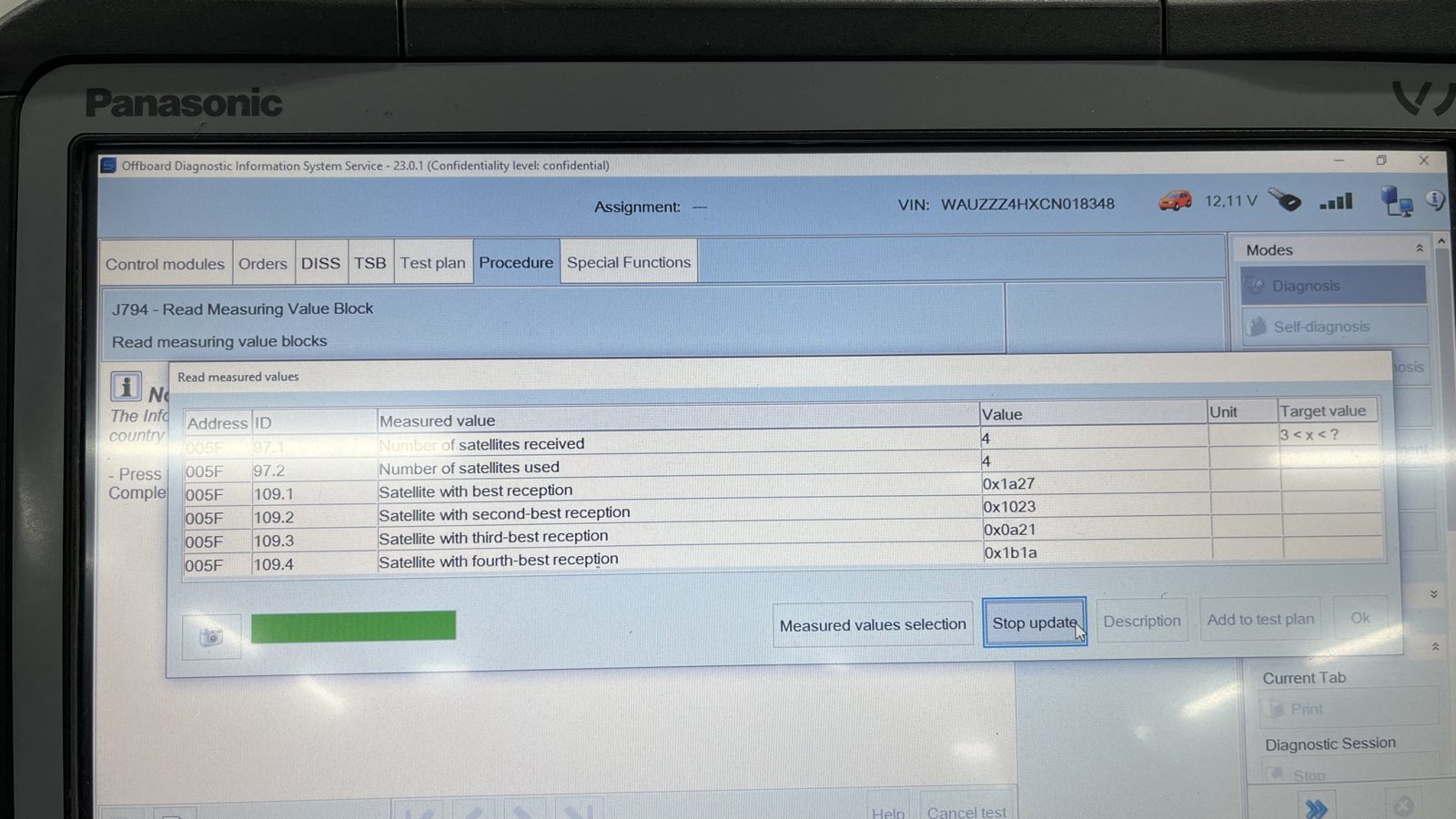
How should I service my 2.0 TDI EA288?
My opinion on this is very clear. There's no point waiting until the engine starts using oil, running at the wrong temperature or showing fault codes before giving it some attention. Proper servicing is much easier than repairing a system that's already failed. And no, LongLife doesn't mean you should leave the oil in the engine for as long as possible.
- Engine oil and all filters – every 10,000 km or once a year, whichever comes first. Replace the oil filter, fuel filter, air filter and cabin filter together. Use engine oil with the correct VW approval specified in the owner's manual, whether it's LongLife oil or not.
- Timing belt and water pump – on engines produced after 2015, every 180,000 km or 5 years, whichever comes first. Don't just go by mileage, because age matters too.
- AdBlue – use fluid that meets the ISO 22241 standard, from a sealed container. This is a system where the quality of the fluid really matters.
- Coolant – replace it every third heating season. Check the level every month, even if the car isn't showing any obvious problems.
For specific models, you can also check the service schedules for the Golf 7 2.0 TDI and Passat B8 2.0 TDI. I also recommend having the car inspected at the workshop every 6 months. That gives you a chance to catch a problem before it turns into a serious failure.
IMPORTANT! If the coolant level keeps dropping but you can't see a leak anywhere, have the EGR cooler checked before you carry on driving. Don't assume it's normal to keep topping up the coolant every now and then.
Is a car with the 2.0 TDI EA288 worth buying?
Yes, absolutely. The EA288 is an economical, reliable diesel engine, provided it's serviced properly and the systems around it are in good condition. The most important things to pay attention to are the cooling system, EGR, DPF and AdBlue. These are the areas that can turn an otherwise good engine into a source of problems.
I certainly wouldn't rule out a car just because it has an EA288 engine. What matters more is how it's been maintained and whether any problems have been diagnosed properly. An engine doesn't become a bad engine simply because it has a few known weak points. The real trouble starts when everyone knows about those weak points but nobody bothers to check them in time.
Tip from Kris Mladenov: Whenever an EA288 comes in for an inspection, I recommend two additional checks: the coolant level and any stored fault codes in the AdBlue system. These take far less effort than trying to find the cause once a serious fault has developed. The best repair is the one you've managed to prevent.
I hope you've found this article useful! If you have, I'd be glad if you shared it with a friend who drives a car with a 2.0 TDI EA288. I've always believed one thing: when I know something, I want more people to know it too. Because the better you understand your car, the harder it is for someone to convince you to replace parts blindly.
The solution in our shop

Genuine Longlife III FE 0W30 oil 5L
Genuine LongLife III engine oil is an option for servicing the engine, provided it meets the required VW oil approval. Despite the LongLife name, I recommend changing it every 10,000 km or once a year.
View in shop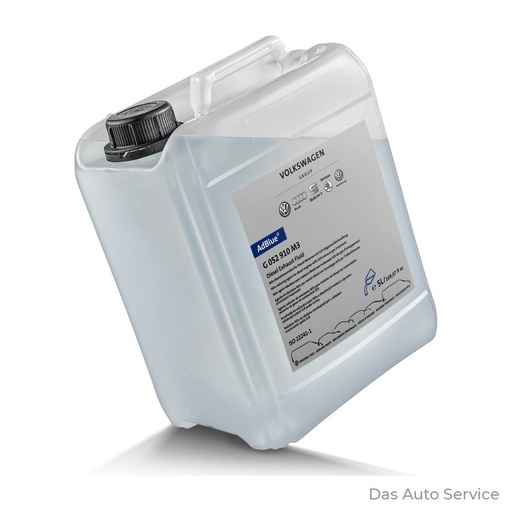
Genuine VAG AdBlue® fluid G052910M4 10l
Genuine AdBlue in a 10-litre container is designed for the SCR system. Use fluid that meets ISO 22241 and comes in a sealed container.
View in shop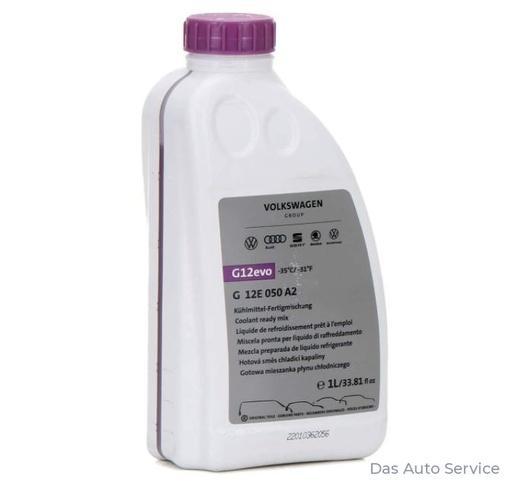
Genuine VAG G12Evo antifreeze G12E050A2 1.0l
Genuine G12evo coolant is suitable for servicing the cooling system when specified for the particular vehicle. Check the coolant level regularly.
View in shopRead more
- Diagnostics
- Routine servicing
- AdBlue No Start in 1000 km: 2.0 TDI EA288
- VW Golf 7 2.0 TDI Service Schedule
- VW Passat B8 2.0 TDI Service Schedule
Frequently asked questions
What's the difference between the EA189 and EA288?
The EA288 has a new cylinder head, a redesigned intake manifold, a different EGR system and more complicated cooling system management. The DPF and catalytic converter sit closer to the engine, and some versions have AdBlue.
What's the EGR problem on the EA288?
The EGR cooler can start leaking coolant. The coolant level drops without any visible external leak, and sometimes there's white smoke. A pressure test is used to check for the leak.
Which cars have the 2.0 TDI EA288 engine?
You'll find the engine in the VW Golf 7 and 8, Passat B8, Tiguan 2, Škoda Octavia 3 and 4, Superb 3, Audi A3 8V and A4 B9.
Does the 2.0 TDI EA288 have AdBlue?
Yes, some Euro 6 versions have AdBlue with an SCR system. The latest versions also use dual AdBlue dosing. The equipment depends on the specific engine version.