It's August, and lots of families are setting off on long journeys. This is when parents come into our workshop and ask me, "Kris, which i-Size child car seat should I buy, and how can I be sure I've fitted it properly?" My friend, this is one thing I won't compromise on, and I don't want you to either. You could be driving the safest car in its class, but if your child's seat isn't right for them or isn't fitted properly, all that safety won't protect your little one the way you expect.
What is i-Size, and why do I recommend it?
i-Size is the newer European standard for child car seats. There's an important difference: you choose the seat based on your child's height, rather than just their weight. The tests also check how well the seat protects your child in a side impact. And there's something else. Young children must travel rear-facing until they're at least 15 months old. Let me explain why. In a head-on collision, a baby's head is relatively heavy, and their neck isn't yet strong enough to support it. When your little one is facing backwards, the seat takes the impact and spreads the force across their whole body. That makes a huge difference!
What does Bulgarian law say?
In Bulgaria, children under 135 cm tall must travel in a child restraint system suitable for their height and weight. If you're fitting a rear-facing seat in the front passenger seat, you absolutely must switch off the passenger airbag. On most Audi and VW models, there's a switch in the glovebox or on the side of the dashboard. Check it carefully before putting your child in the car.
Never put a rear-facing child seat in the front passenger seat while the airbag is switched on. In a collision, the airbag deploys with enormous force, straight towards your child's head. Please, my friend, don't take any chances with this.
Why do I recommend ISOFIX?
ISOFIX uses two metal anchor points built into the seat and firmly attached to the car's body. The child seat clicks straight into them, so you don't run the risk of leaving it loose because you've fitted it incorrectly. With seats secured using only the seat belt, mistakes are common. The belt might be twisted, threaded through the wrong place or simply not pulled tight enough. ISOFIX also has an extra support system: either a support leg that rests on the floor or a top tether strap that stops the seat tipping forwards. It's simple, but it does a very important job.
How can you tell if the car seat is fitted properly?
- Hold the seat firmly near its base and give it a shake from side to side and forwards. It shouldn't move more than a few centimetres.
- Look at the indicators on the ISOFIX connectors and support leg. They should light up green or show green. Make sure you check them.
- Tighten the seat's harness until you can fit just one finger between the straps and your child's shoulder.
- In winter, take off your child's thick coat before strapping them in. With the coat on, the harness might feel tight, but in a collision the padding compresses and your child could slip out. Don't risk it.
- Check the headrest. It should be at the right height for your child's head, not too low.
When should you replace your child's car seat?
Don't go by age alone. It's time to change the seat when your child has outgrown its height limit or their head reaches the top of the backrest. And remember something else that's really important. If your car has been involved in a collision with the child seat inside, replace the seat, even if it still looks brand new. If you're buying a second-hand seat, only do it if you know its history. Otherwise, there's no way to be sure what it's been through.
Advice from Kris Mladenov: Take your child with you when you're buying a car seat, and always try it in your own car before paying for it. A seat might fit perfectly in one car but sit at an awkward angle in another. And one more thing, my friend. On a long journey, stop every two hours. Your little one needs those breaks even more than you do.
I hope you now have a better idea of how to choose the right car seat and fit it securely. I'm telling you all this because I want your child to travel comfortably and safely. If this article has helped you, send it to a friend who's about to become a parent. You might save them a lot of worry.
What you'll find in our shop
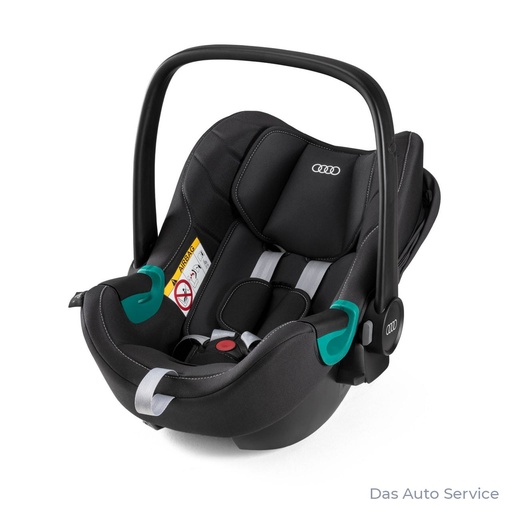
Audi i-Size baby car seat for your little one's first few months. Fitted rear-facing.
View in our shop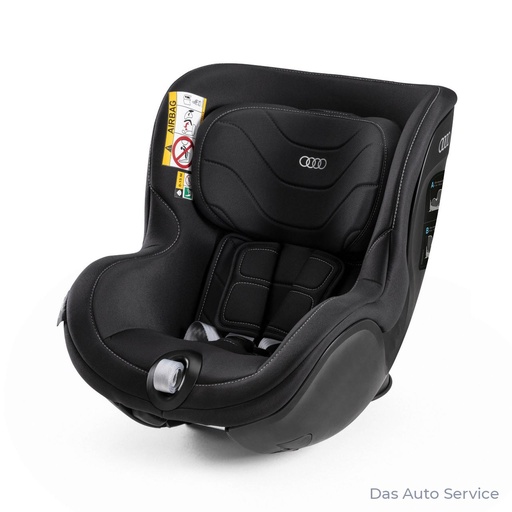
Audi i-Size child car seat for the next stage of your child's growth, with ISOFIX fitting.
View in our shop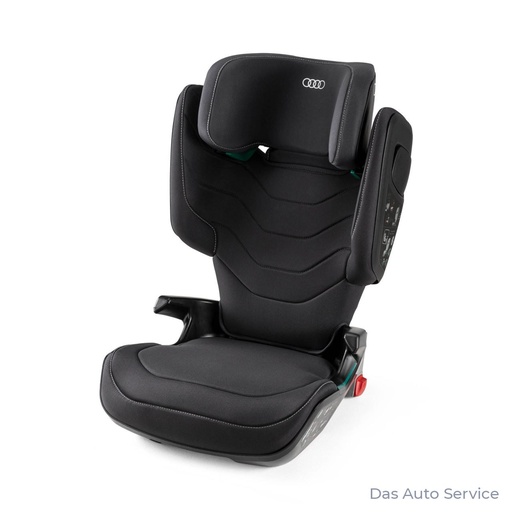
Audi Junior i-Size child car seat
Audi Junior i-Size child car seat for older children, with an adjustable headrest.
View in our shop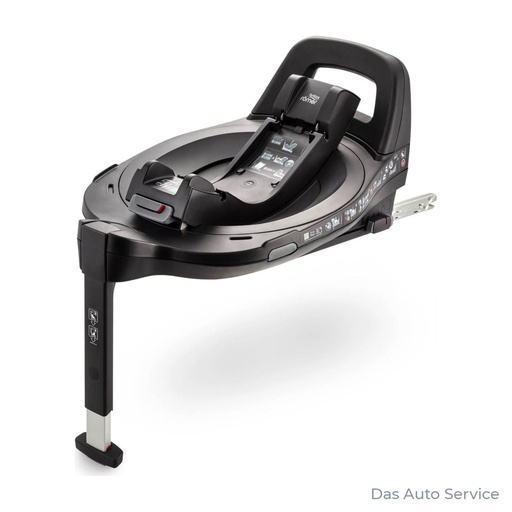
Audi Flex-Base i-Size child car seat base
Audi Flex-Base i-Size base with ISOFIX and a support leg. The child seat clicks into place in seconds.
View in our shop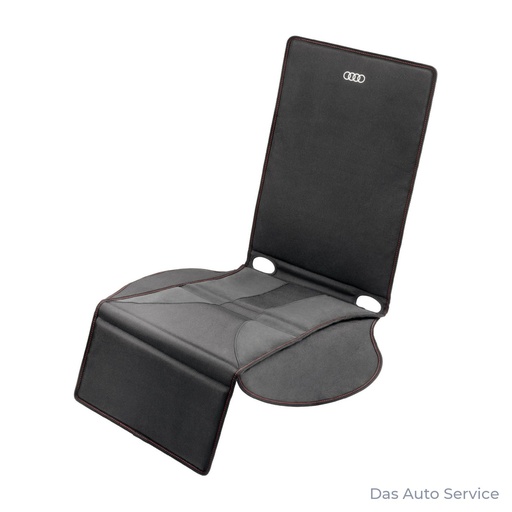
A protective mat for your child's car seat that keeps your upholstery safe from dents and dirt.
View in our shopRead more
Frequently asked questions
How long should a child travel rear-facing?
Under i-Size, until at least 15 months old. But if the seat allows it for your child's height, keep them rear-facing for longer. It's safer.
Can I put a child car seat in the front passenger seat?
Yes, you can. But if the seat is rear-facing, you must switch off the passenger airbag. No exceptions.
Up to what height does a child need a car seat?
In Bulgaria, children under 135 cm tall must travel in a child restraint system suitable for their height and weight.