You've got 4MOTION or quattro, but are you sure your rear wheels actually engage? It's a question many owners never even think to ask until the first snow arrives. Then, all of a sudden, their supposedly four-wheel-drive car behaves just like an ordinary front-wheel-drive car. Another question I hear all the time is: "Have I got Haldex Gen 4 or Gen 5, and when should I change the oil?" It's a fair question. The generation determines which oil you need and how often it should be changed. So I'm going to explain how Haldex works, how to identify your generation and how to look after it, so you don't discover it's stopped working just when you need it most.
What exactly is Haldex and how does it work?
Haldex is a four-wheel-drive system you'll find on many VW, Audi, Škoda and SEAT models with a transverse engine, meaning the engine sits across the car. Think of it as a clutch positioned in front of the rear differential, deciding when to send power to the rear wheels. When you need extra grip, it engages the rear drive. When you don't, the car can run mainly on its front wheels. Sounds simple, doesn't it? But behind all this are a pump, oil and an electronic control unit, and they all need to work properly.
The pump builds the pressure needed to operate the clutch, while the electronic control unit is the brain that tells it what to do. The oil is just as important to the whole system. If the pump fails or the oil becomes old and contaminated, the rear drive may stop engaging properly. And here's the frustrating part. The car can carry on driving perfectly normally, without you ever realising you've effectively lost your four-wheel drive.
How can I tell which Haldex generation I have?
This is the question I hear most often when servicing comes up. There are six generations of Haldex, and they don't all have the same servicing requirements. Plenty of people look at the year their car was built and assume they know exactly what's underneath it. But! The year is only a rough guide. I'll give you a few examples to help narrow it down, but the final check needs to be made on the actual system.
Which cars have first- and second-generation Haldex?
The first two generations are mainly found on four-wheel-drive cars with transverse engines from the late 1990s and early 2000s. These were among the first widely available models to use this type of system. If you drive one of these cars, there's a good chance it has an early-generation Haldex. But don't buy oil based on that information alone.
- VW Golf 4 4MOTION.
- Audi TT 8N and Audi A3 8L quattro.
- Škoda Octavia 1 4x4.
Which cars have Haldex Gen 4?
The system continued to develop through the following generations and appeared in more and more models. This brings us to Haldex Gen 4, which plenty of owners specifically search for. But it's important not to assume that every car on the list below necessarily has the fourth generation. Depending on the exact vehicle, it could have an earlier version. The model helps you narrow things down, but it doesn't replace a proper check.
- VW Golf 5 and Golf 6 4MOTION.
- Audi A3 8P quattro.
- VW Tiguan 1 and Passat B6/B7 4MOTION.
- Škoda Superb 2.
- Audi Q3 8U.
How can I identify Haldex Gen 5 and Gen 6?
The fifth generation arrived with cars built on the MQB platform. That's the shared platform used for many VW, Audi, Škoda and SEAT models. If your car belongs to this group and has Haldex four-wheel drive, it's probably Gen 5. The sixth generation is found in newer vehicles. And the same rule applies here: don't guess, check.
- VW Golf 7 R and Golf 7 4MOTION.
- Audi A3 8V quattro.
- Škoda Octavia 3 and Superb 3 4x4.
- VW Tiguan 2 and Passat B8 4MOTION.
The most reliable way to identify your Haldex generation is through diagnostics and checking the part numbers. That tells us exactly which system is fitted to your car instead of relying on assumptions. It matters because different generations have different servicing requirements. And using the wrong oil isn't something I'd want to experiment with. Especially when we're talking about the system responsible for engaging your rear wheels.
What are the most common Haldex problems?
The worst thing about Haldex is that you won't always notice a fault during normal driving. The car starts, accelerates, steers and seems perfectly fine. But the rear-wheel drive might have stopped working altogether. That's why I don't wait for an owner to complain that their wheels are spinning. I'd much rather check the system before it gets to that point.
Why does the Haldex pump stop working?
The pump is one of the system's weak points. When it isn't working properly, the clutch can't engage the rear drive as it should. The result is a car that may effectively be left with front-wheel drive only. Old oil is one of the main causes of pump problems. And owners often don't realise anything is wrong until winter arrives and the car starts struggling for grip.
Why is the oil so important?
There's one thing I want you to remember: Haldex oil doesn't last forever. It works inside a system with a clutch and pump, and its condition directly affects how well they operate. There's something else plenty of people overlook. Haldex has its own oil, but the rear differential has a separate oil supply too. These are two different servicing points, and you mustn't confuse them.
Could the problem be electrical?
Yes, absolutely. Haldex has its own control unit that manages how the system operates. Faults can develop in the control electronics or wiring. That's why I wouldn't replace the pump simply because the rear drive isn't working. First, we run diagnostics and check what the system is telling us. Only then do we decide what needs repairing.
How should you service Haldex Gen 4, 5 and 6?
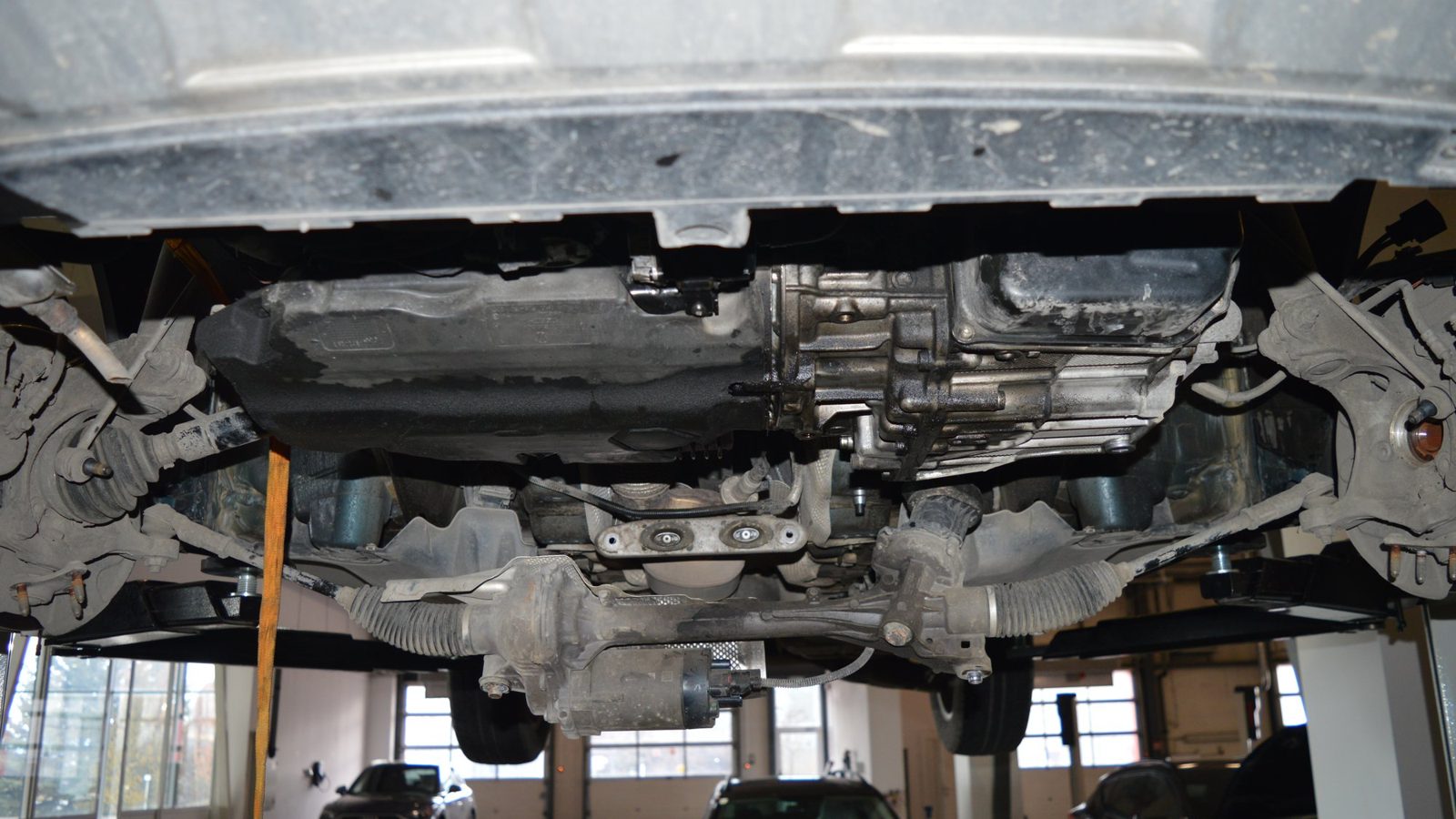
Now we come to the most important part. Servicing Haldex isn't simply a matter of draining some oil and pouring in something else. You need to know exactly which generation you have, which oil it requires and when it was last changed. At Das Auto Service, we follow clear service intervals that I recommend sticking to. And we're not just talking about the Haldex clutch oil. The rear differential oil matters too.
- Haldex Gen 1 to Gen 4 inclusive – change both the Haldex clutch oil and the rear differential oil every 60,000 km.
- Haldex Gen 5 and Gen 6 – change both oils every 30,000 km.
- Use only genuine oil specified for your particular Haldex generation.
- After servicing, we use a diagnostic tester to check that the system is working properly and the rear drive engages.
Why do I insist on genuine oil? Because Haldex isn't just a container that needs some sort of fluid inside it. The oil works together with the pump and clutch, so it has to meet the requirements of that particular system. There's no point saving money on proper servicing only to wonder later why your rear wheels won't engage. At our workshop, we identify the generation first and then choose the correct oil. Doing it the other way round is a mistake.
If you'd like to learn more about the differences between generations, have a look at my detailed article Haldex Gen 1 to 5 – When and How to Service It. Back in 2019, I also wrote specifically about the fifth generation in What You Need to Know if Your Car Has Haldex Gen 5. I recommend reading both if you want to understand the system better. The more you know about your car, the harder it is for someone to convince you that something doesn't need servicing because it's supposedly "filled for life".
IMPORTANT! Just because your boot lid says 4MOTION or quattro doesn't mean the rear-wheel drive is actually working. Your car could be driving normally on its front wheels alone without you noticing. That's why a diagnostic check is essential if you want to be sure the system is working properly.
Is a car with Haldex 4x4 worth buying?
Absolutely. Haldex is a useful system, especially in winter and when you're driving on roads with poor grip. But there's one condition – it needs to work properly and be serviced regularly. Four-wheel drive is no use whatsoever if it only exists as a badge on the boot. And missed oil changes are responsible for a huge number of repairs that could have been avoided.
I don't believe Haldex is an inherently troublesome system. The problem is that many owners don't even know it has its own oil, separate from the rear differential oil. And sometimes nobody has ever explained it to them. That's exactly why I write these articles. I'd rather you knew what needs servicing than found out only after the rear drive has failed.
Tip from Kris Mladenov: Make a note of when the Haldex oil and rear differential oil were last changed. If you don't know when they were serviced, don't automatically assume everything is fine. Check which generation you have and service it accordingly. That's a much better idea than waiting for the first snow to find out whether your rear wheels are working.
I hope you've found this article useful! If you have, I'd appreciate it if you shared it with a friend who drives a 4MOTION or quattro. My mission has always been simple: when I know something, I want more people to know it too. Because owners who understand their cars look after them better and are far less likely to end up paying for unnecessary repairs.
The solution in our shop
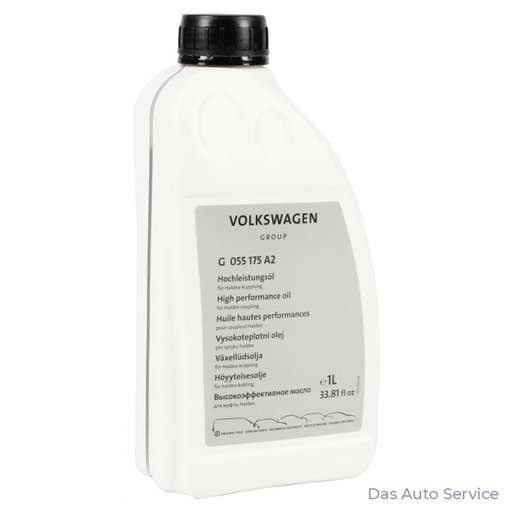
Genuine Haldex oil G055175A2 1L
Genuine Haldex oil for generations up to and including Gen 4. Used when servicing the clutch on these generations.
View in shop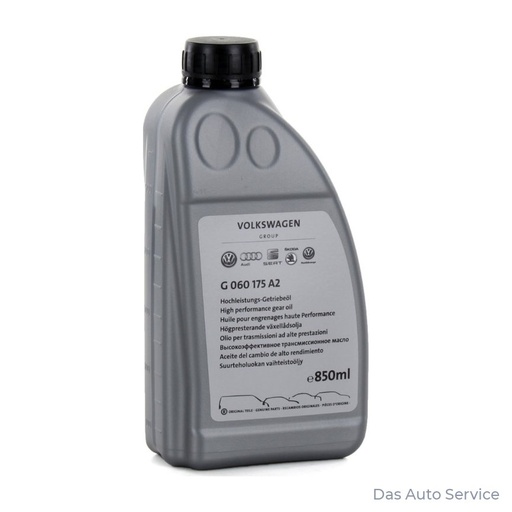
Genuine Haldex oil G060175A2 850ml
Genuine Haldex Gen 5 oil. Designed for servicing the clutch on this version of the system.
View in shop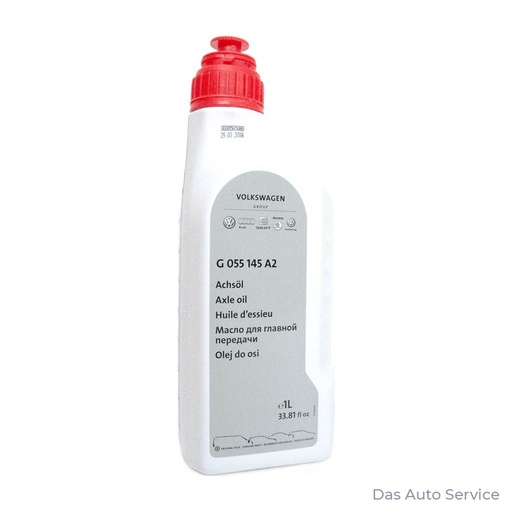
Genuine differential oil G055145A2 1l
Genuine rear differential oil. This is separate from the Haldex clutch oil and also needs changing regularly.
View in shopRead more
- Gearbox servicing
- Diagnostics
- Haldex Service Intervals: Generations 1 to 5
- Haldex Gen 5 Problems: Causes and Solutions
Frequently asked questions
How do I know which Haldex generation my car has?
The most reliable method is a diagnostic check combined with checking the part numbers. The model and year can point you in the right direction, but they aren't enough to give you a definite answer.
When should I change the Haldex oil?
For Gen 1 to Gen 4, we change both the Haldex clutch oil and rear differential oil every 60,000 km. For Gen 5 and Gen 6, the interval for both oils is 30,000 km.
Why isn't my 4MOTION working?
It could be a problem with the pump, old oil, the control unit or the wiring. Diagnostics will tell us what's actually wrong. Guesswork won't.
Do Haldex and the rear differential use the same oil?
No. The Haldex clutch has its own oil, while the rear differential uses a separate oil. Both need changing at the correct interval for your Haldex generation.