Every year, towards the end of October, the phone at our workshop starts ringing with the same question: "Kris, when should I fit my winter tyres?" And straight after that comes another one: "Where should I store my summer tyres so I don't ruin them?" I completely understand. That's why I've put everything together in one place. I'll explain what we check at Das Auto Service and how we look after our customers' tyres, so you don't end up paying out of your own pocket for mistakes you could easily have avoided.
When to fit winter tyres: how do you know it's time?
There are two things I want you to remember here. One is the law. The other is physics, and physics doesn't care what the date is. By law, from 15 November to 1 March, your car must have tyres suitable for winter conditions or tyres with at least 4 mm of tread. That's what Article 139 of Bulgaria's Road Traffic Act says. And yes, the traffic police do check every winter.
But the cold doesn't wait until 15 November. Summer tyres are made from a rubber compound that starts to harden below around 7°C. They lose grip, your stopping distance gets longer, and you might not even notice anything is wrong. Until you suddenly need to brake hard. That's when you discover the difference. So here's my advice: once morning temperatures start dropping below 7°C, change your tyres. In Sofia, that's usually around the end of October or the beginning of November. Don't wait for the calendar to tell you when it's time.
Studded tyres are illegal in Bulgaria. Don't buy them, even if someone offers you an amazing deal from abroad.
How do you know if your winter tyres will last another season?
Before you fit them, get them out and give them a proper inspection. Don't assume they're fine just because there's still plenty of tread. There are a few other important things we always check at the workshop:
- Tread depth. Once a winter tyre drops below 4 mm, it no longer handles snow and slush as well as it should. And the law requires at least that much tread. It's simply not worth the risk.
- Age. There's a four-digit code on the sidewall. For example, 3418 means the tyre was manufactured in the 34th week of 2018. After 6 years, the rubber starts to harden, even if the tread looks brand new. Don't let a good-looking tyre fool you.
- Cracks, bulges and signs of impact damage on the sidewalls. If you spot anything like that, don't tell yourself, "It'll do another season." A tyre in that condition isn't something you patch up. You replace it. Don't compromise on this.
- Tyre markings. Look for the mountain and snowflake symbol. It tells you the tyre is designed for winter conditions. Don't rely on the M+S marking alone.
How do you store your summer tyres without ruining them?
This is where I see the most mistakes. You take your summer tyres off, leave them somewhere in the basement and forget about them until spring. I get it, but tyres still age even when the car isn't moving. Store them badly and you can ruin them in your basement faster than you would on the road. Then you're buying another set of tyres out of your own pocket. The good news? The rules are really simple.
- If the tyres are still fitted to their wheels, lay them flat and stack them or hang them up. If they're off the wheels, keep them upright and turn them roughly every four weeks. That stops them becoming misshapen while they're stored.
- Find somewhere dark, dry and cool. No direct sunlight and no radiator nearby. Don't leave them next to petrol, oils or solvents. All of these can damage the rubber.
- Don't store them next to electric motors or compressors. They produce ozone, which can cause the rubber to crack. Keep your tyres well away from them.
- If you're storing the tyres fitted to their wheels, inflate them to around 0.5 bar above their normal pressure before putting them away for the season.
- Mark where each tyre came from: front left, rear right and so on. When spring comes, you won't be guessing which corner of the car it came off or where it should go back.
And here's another little tip from a friend. Wheel storage bags aren't some pointless luxury. They protect your tyres from dust and light, and they stop your boot and basement getting covered in black marks. Such a small thing, but genuinely useful.
What about the wheel bolts? Be careful with those too!
I've already talked about this in my article "How Were Your Winter Wheels Tightened?", but I'll say it again because it matters. You don't tighten wheel bolts with an impact gun until it won't turn any more. That's what a torque wrench is for. It tightens each bolt to exactly the torque specified by the manufacturer. On most Audi and VW models, that's 120 Nm. Check them again after the first 50–100 km. Simple, but important.
If your car has locking wheel bolts, make sure the locking wheel bolt key is in the car before you head off for a tyre change. Every autumn, we get several customers who've lost theirs. And instead of simply changing the tyres, we first have to remove the locking bolts. Suddenly, a perfectly ordinary tyre change turns into an hour-long repair. Save yourself the hassle.
A tip from Kris Mladenov: Don't wait until the first snowfall to remember your winter tyres. By then, tyre shops are packed, everyone's in a hurry, and that's exactly when someone ends up tightening your wheel bolts as hard as the impact gun will go. Then you're the one left dealing with the consequences. Change your tyres in good time, inspect them properly and store your summer tyres the right way. It doesn't cost much, and it'll save you a lot of frustration.
I hope that's helped. If you've got a friend who spends every autumn wondering when to change their tyres and where to store the summer ones, send them this article. You might save them from making an expensive mistake.
Useful products from our shop
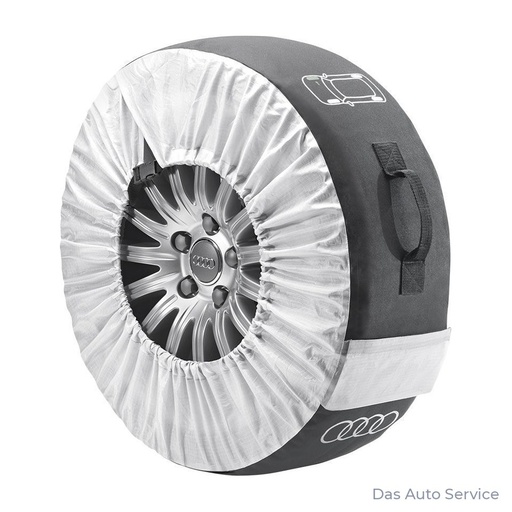
Audi wheel storage bags, size L
Wheel storage bags, size L, suitable for the tyres and wheels of smaller and medium-sized models. They protect them from dust, light and dirt.
View in our shop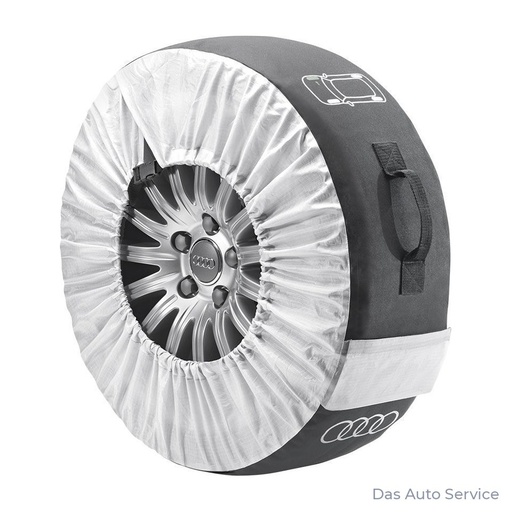
Audi wheel storage bags, size XL
Wheel storage bags, size XL, suitable for the wider tyres fitted to mid-range cars and SUVs.
View in our shop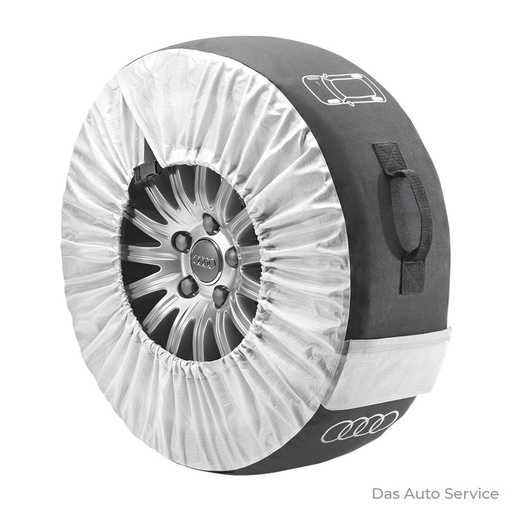
Audi wheel storage bags, size XXL
Wheel storage bags, size XXL, suitable for the large wheels fitted to the Q7, A8 and similar models.
View in our shop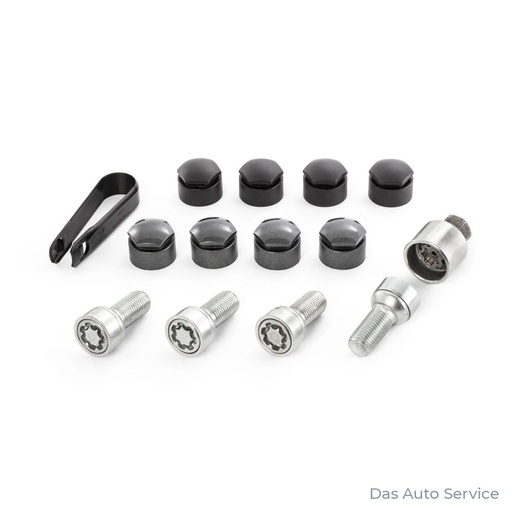
Audi locking wheel bolts M14 x 1,5 x 27
Genuine Audi locking wheel bolts M14 x 1,5 x 27. So you don't come back to your car in a car park one day and find it sitting there without its wheels.
View in our shop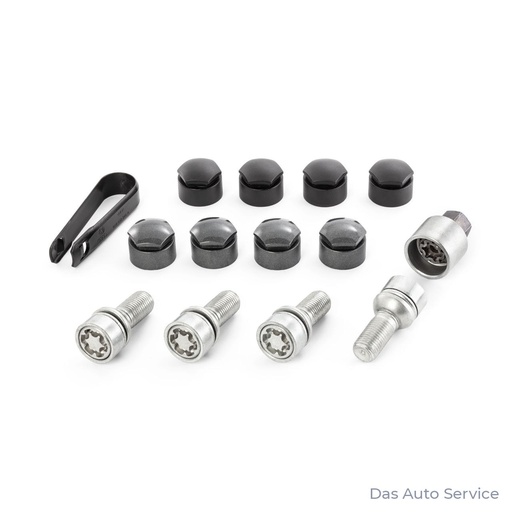
Audi locking wheel bolts M14 x 1,5 x 35,5
Audi locking wheel bolts M14 x 1,5 x 35,5, suitable for models that use a longer bolt.
View in our shop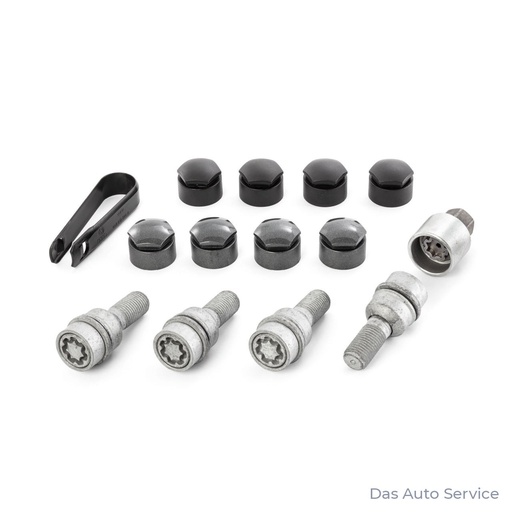
Audi locking wheel bolts M14 x 1,5 x 45
Audi locking wheel bolts M14 x 1,5 x 45, for wheels that require the longest bolt.
View in our shopRead more
- Routine servicing at Das Auto Service
- How Were Your Winter Wheels Tightened?
- Spring Tyre Change: When to Fit Your Summer Tyres
- TPMS: Why Is the Tyre Pressure Warning Light On After Changing Tyres?
Frequently asked questions
When are winter tyres compulsory in Bulgaria?
From 15 November to 1 March, your tyres must either be suitable for winter conditions or have at least 4 mm of tread. That's what Article 139 of Bulgaria's Road Traffic Act says.
At what temperature should I switch from summer to winter tyres?
Once morning temperatures regularly drop below around 7°C, it's time to change them. Summer tyres start to harden in the cold and lose grip. Don't wait for the first snow.
How many years do winter tyres last?
Check the four-digit code on the sidewall. After 6 years, the rubber starts to harden, even if the tread still looks excellent. You can't judge a tyre's condition by its tread alone.
How should I store tyres without wheels?
Keep them upright somewhere dark, dry and cool, away from electric motors. Turn them roughly every four weeks to stop them becoming misshapen while they're stored.