You get into your car, turn on the heating and notice a strange, sweet smell. The windscreen starts misting up, and when you wipe it, you're left with a greasy film that just smears across the glass. You open the bonnet and see that the coolant level has dropped again. Sound familiar? If your car is losing coolant and there's a sweet smell inside, a leaking heater matrix is often to blame. And losing coolant isn't the only problem. You're breathing in the fumes!
Where does the sweet smell inside the car come from?
Your car's heating system uses heat from the engine. Hot coolant flows through a small radiator called the heater matrix, hidden behind the dashboard. The blower fan pushes air through it and into the cabin. That's how you get warm air without needing a separate heater under the dashboard. But when the heater matrix starts leaking coolant, the heat causes it to evaporate, and the fan spreads the smell throughout the car. And you're breathing it in.
That's exactly why the sweet smell is often strongest when you turn on the heating. Some of the vapour settles on the windows, leaving that familiar greasy film that won't come off with a quick wipe. The windscreen mists up from the inside, and you assume there's just too much moisture in the car. But moisture alone doesn't explain why coolant keeps disappearing from the expansion tank. Put those two symptoms together, and you've got a pretty strong clue.
Why is your car losing coolant?
Not every coolant leak comes from the heater matrix. The important thing is to find out exactly where the coolant is going instead of replacing parts based on guesswork. Coolant leaking into the cabin is one thing. Coolant escaping somewhere around the engine is quite another. And sometimes the level keeps dropping even though you can't see a leak anywhere.
- The heater matrix. When it starts leaking, coolant escapes into the heating system. You notice a sweet smell, a greasy film on the windows and sometimes a wet carpet in the passenger footwell. It's one of the first things we check when these symptoms appear together.
- Heater matrix connections and hoses. The heater matrix itself might be perfectly fine, but one of its connections could be leaking. The symptoms are almost identical: a sweet smell, coolant loss and possibly dampness inside the car. That's why I don't immediately blame the heater matrix itself.
- Water pump, thermostat or hoses around the engine. If the sweet smell is coming from outside rather than through the cabin vents, we look for a leak in the engine bay. I've covered this problem in detail on EA888 Gen 3 engines in EA888 Gen 3: Water Pump and Thermostat Leaks.
- Combustion gases entering the cooling system or a problem with the cylinder head. If coolant keeps disappearing but there's no smell and no visible leak, we need to investigate this possibility too. It doesn't automatically mean your engine needs repairing. It means we need to find the cause before jumping to conclusions.
How can you tell if coolant is leaking inside the car?
There are a few things you can check yourself without taking half the car apart. None of them gives you a definite diagnosis, but when several appear together, they strongly suggest a problem with the heater matrix. You don't need specialist equipment to spot the early signs. You just need to know where to look.
- Check the passenger footwell carpet. If it's wet, especially when there's no obvious reason for the dampness, coolant could be leaking into the cabin. Bear in mind, though, that not every heater matrix leak leaves the carpet wet.
- Look at the windscreen. If a greasy film keeps appearing on the inside and smears when you wipe it, pay attention to the smell as well. Misting on its own doesn't prove there's a leak, but combined with a sweet smell, it's an important symptom.
- Keep an eye on the coolant expansion tank. Always check the level when the engine is cold. If it keeps dropping, the coolant is going somewhere. And if you also notice a sweet smell and greasy windows, there's good reason to inspect the heater matrix.
The biggest mistake is to keep topping up the coolant and carrying on driving without finding out why it's disappearing. You're not fixing anything. You're just putting off the problem. And if the leak is inside the cabin, you're breathing in those fumes the whole time. There's no point waiting until the smell becomes unbearable.
What do we check at the workshop?
At Das Auto Service, we start by diagnosing the cooling system, not by blindly replacing the heater matrix. We look for where the system is losing coolant and whether the leak is actually inside the cabin. That's important because similar symptoms can have completely different causes. I want us to fix the problem, not just replace a part and hope for the best.
- We pressure-test the cooling system. This lets us check whether the system holds pressure and helps us find where the coolant is escaping.
- We inspect the heater matrix, its connections and hoses. The aim is to establish whether the heater matrix itself is leaking or whether the problem is somewhere around it. That distinction matters when it comes to the repair.
- We check the coolant's protective properties and whether the correct type has been used. Different coolant specifications aren't simply different colours. If you're wondering what the differences are, read G12, G12++, G13 and G12evo – Can I Mix Them?.
WARNING! Coolant fumes inside the cabin are not harmless. If you notice a sweet smell, a greasy film forming on the windows and a falling coolant level, don't carry on driving like that for long. The problem needs to be checked and repaired.
Which coolant should you use?
Coolant isn't just coloured water that stops your engine from freezing. It also needs to protect the metal components of the cooling system, including the aluminium heater matrix. As coolant ages and loses its protective properties, tiny pits can start forming in the aluminium. And once that happens, a leak may not be far behind. That's why I don't treat coolant as something you only replace when it starts causing problems.
Tip from Kris Mladenov: I recommend changing the coolant every third heating season. Old coolant loses its protective properties and can cause tiny pits to form in aluminium components, including the heater matrix. Don't wait until something starts leaking before you think about replacing it.
I hope you've found this article useful! If you have, I'd appreciate you sharing it with a friend who's constantly topping up their coolant or wondering why their windows keep misting up. My mission has always been simple: when I know something useful, I want more people to know it too. Because an informed car owner can spot a problem early and avoid paying for unnecessary repairs.
The solution in our shop
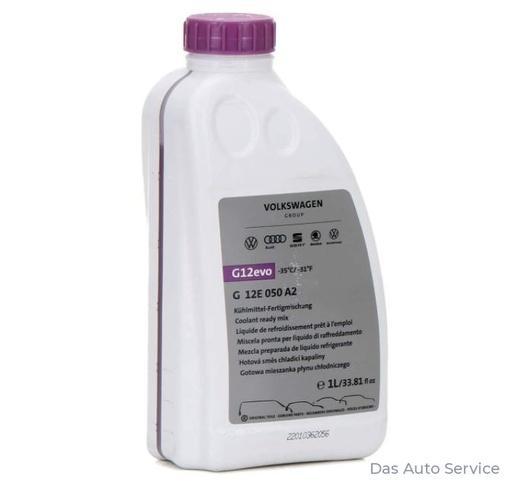
Genuine VAG G12Evo antifreeze G12E050A2 1.0l
Genuine G12evo coolant. Using the correct coolant is important for protecting the cooling system and its aluminium components.
View in shop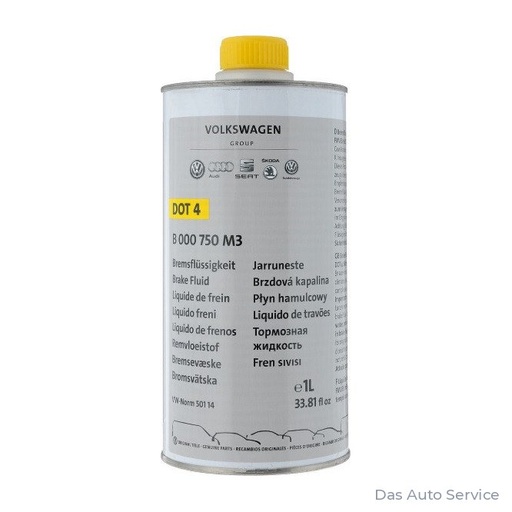
Genuine Audi/Volkswagen DOT 4 brake fluid B000750M3 1l
Genuine DOT 4 brake fluid. This is for the braking system, not the engine cooling system, and should be replaced every 2 years.
View in shopRead more
- Diagnostics
- Engine overhauls
- G12, G13 and G12evo Coolant Compatibility Guide
- 2.0 TSI Water Pump Leak: EA888 Gen3 Problems
Frequently asked questions
Why is there a sweet smell inside my car?
The most common cause is coolant leaking from the heater matrix or one of its connections and evaporating inside the cabin. If you also notice a greasy film on the windows and a falling coolant level, you need to have the cooling system checked.
Are coolant fumes dangerous?
Yes. Coolant fumes are not harmless, and you shouldn't breathe them in for long periods. If coolant is evaporating inside the cabin, don't put off getting the problem diagnosed and repaired.
How can I tell if my heater matrix is leaking?
Look for a wet passenger footwell carpet, a greasy film on the windscreen, a sweet smell and a falling coolant level. To confirm exactly where the leak is coming from, we pressure-test the cooling system and inspect the heater matrix and its connections.
Why is my car losing coolant when there's no visible leak?
The leak might simply be hidden, but we also need to check whether combustion gases are entering the cooling system or whether there's a problem with the cylinder head. A falling coolant level alone isn't enough to make a diagnosis.