"Imported from Germany. One lady owner. Full service history." Sound familiar, my friend? At Das Auto Service, we inspect dozens of cars for potential buyers every month. And yes, some genuinely brilliant cars come from Germany. But so do cars that nobody over there would touch. The trouble is, they all look fantastic in the photos. If you're buying a car from Germany, remember this: the real story only comes out when we get it up on the ramp and plug in the diagnostics.
Why doesn't "from Germany" automatically mean a good car?
Germany has a huge car market, with vehicles arriving from all over Europe and even from across the Atlantic. Accident-damaged cars, flood-damaged cars, auction purchases and cars with clocked mileage. I've already told you about how digital odometers are clocked and how airbags can be disguised after an accident. We see both problems on cars that have come through this route. So take it from me: just because a car comes from Germany doesn't mean it's a good one.
What should you check before going to see the car?
- The VIN. Ask for it over the phone, before you do anything else, my friend. If the seller starts making excuses or refuses to give it to you, that's your first red flag.
- The service history. For VAG cars, service records are stored digitally, and an authorised workshop can check them using the VIN. Don't blindly trust a stamped paper service book. Those are easy enough to print.
- Mileage recorded at roadworthiness inspections. In Germany, the mileage is recorded at every inspection. Those records are much harder to tamper with, so compare them with what's showing on the dashboard.
- Accident history. If you can check it using the VIN, do it. Better to know what the car has been through before it becomes yours.
- Original factory equipment. Compare the specification the car left the factory with against what the seller is promising in the advert. This can also help you spot parts that may have been replaced after an accident.
What do we check when you bring the car to our workshop?
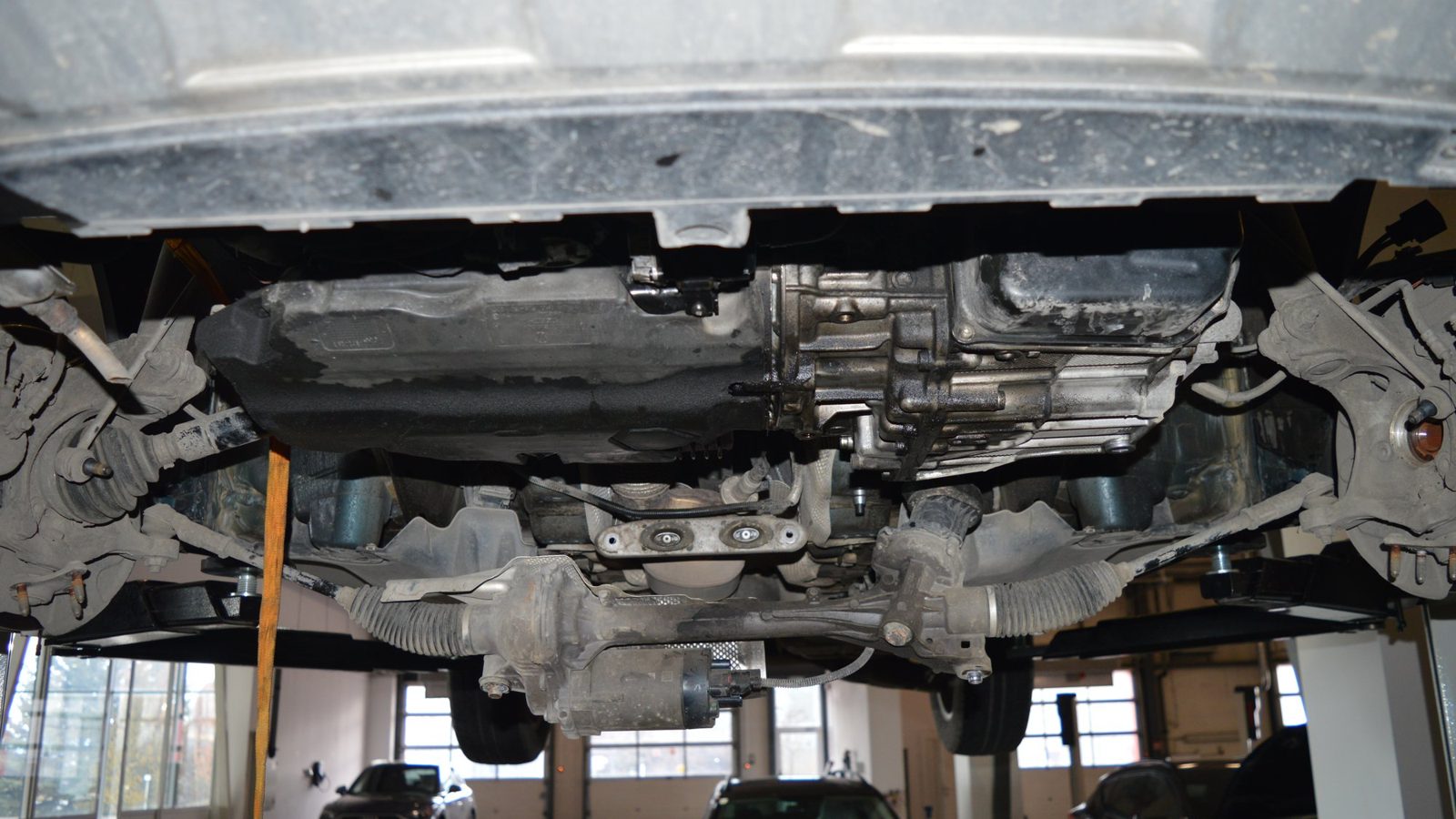
- We get the car up on the ramp and inspect it underneath. We're looking for leaks, signs of accident damage, rust, welding and new bolts in places where there's no obvious reason for them to have been replaced.
- We measure the paint thickness on every body panel. A repainted panel doesn't automatically mean the car is bad. What matters is why it was repainted and what's hiding underneath.
- We scan every control module for fault codes, not just the engine. We check the airbags, gearbox, suspension and all the other systems. Simply looking to see whether the engine warning light is on tells you nowhere near enough.
- We check the live diagnostic data – compression, the turbo, the DPF, the gearbox and clutch adaptations. These readings tell us far more about the car's wear and condition than the mileage on the dashboard.
- We compare the mileage stored in different control modules. If the numbers don't match, we start looking for the reason. Something has been tampered with.
- We take the car for a test drive with both a cold and a warm engine. We want to see how it behaves in both conditions.
Don't put down a deposit on a car that hasn't been inspected by a workshop you trust. I know exactly how it feels when you find a brilliant advert and want to buy the car there and then. But here's the catch! The car that looks like the cheapest bargain can end up costing you the most.
What if you've already bought the car from Germany?
Here's a bit of friendly advice: start with a full service. Straight away. Whatever the service book says. Change the engine oil and filters, replace the brake fluid and have the gearbox serviced if you don't have proof it's already been done. That way, you're starting with a clean slate. You'll know exactly what's been changed and when, and from then on you can keep track of your car's condition without having to guess.
A tip from Kris Mladenov: Don't get fixated on a car just because it has low mileage. What matters more is how well it's been looked after and whether someone can tell you the truth about its condition before you hand over your money. A pre-purchase inspection costs about as much as a service, but it could save you from having to repair an entire engine or gearbox. Trust me, that's a massive difference.
I genuinely hope your next car turns out to be every bit as good as it looks in the photos. If this article has helped you, send it to a friend who's looking for a car. You might save them a whole lot of headaches.
Read more
- Importing Cars from Germany
- Pre-Purchase Car Inspection
- How Are Digital Odometers Clocked on VAG Cars?
- Neglecting Buyer Safety When Buying and Selling Used Cars
- How Can I Check the Genuine Service History of a VAG Car?
- Buying a Car with a DSG Gearbox: What Should You Check?
Frequently Asked Questions
What should I check when importing a car from Germany?
First, ask for the VIN. Check the digital service history, mileage recorded at roadworthiness inspections, any previous accident damage and the car's original factory specification. Then make sure you have it inspected by a workshop you trust. The paperwork matters, but it won't tell you everything.
Can I check the genuine service history of a VW or Audi?
Yes, you can. An authorised workshop can look up the digital service records using the VIN. That's why I always tell you to ask for it before you go to see the car.
Why do I insist on a pre-purchase inspection?
Because photos won't show you hidden accident damage, clocked mileage or how worn the engine and gearbox really are. A car can look absolutely beautiful in the advert, but once we get it up on the ramp, it can be a completely different story.