You're cruising along the motorway when you suddenly notice a faint humming noise coming from underneath the car. Sounds a bit like driving on winter tyres. You pick up speed and the humming gets louder and louder. So you turn up the radio and carry on. But here's the thing, my friend. It's not always the tyres. Very often, that's exactly how wheel bearing noise starts when a bearing is wearing out.
What are the signs of a worn wheel bearing?
- You hear a humming or howling noise that gets louder as you pick up speed.
- The noise changes when you turn – louder in one direction, quieter in the other.
- You feel vibrations through the steering wheel or the floor of the car.
- If the bearing is badly worn, the wheel may develop play and an ABS fault may appear.
Why does a wheel bearing get louder when you turn?
When you turn, the car's weight shifts onto the outside wheels. Imagine the left wheel bearing is starting to wear out. When you turn right, that wheel takes more of the load, and the humming will usually get louder. That's why listening to how the noise changes through corners can often help us work out which side the problem is coming from.
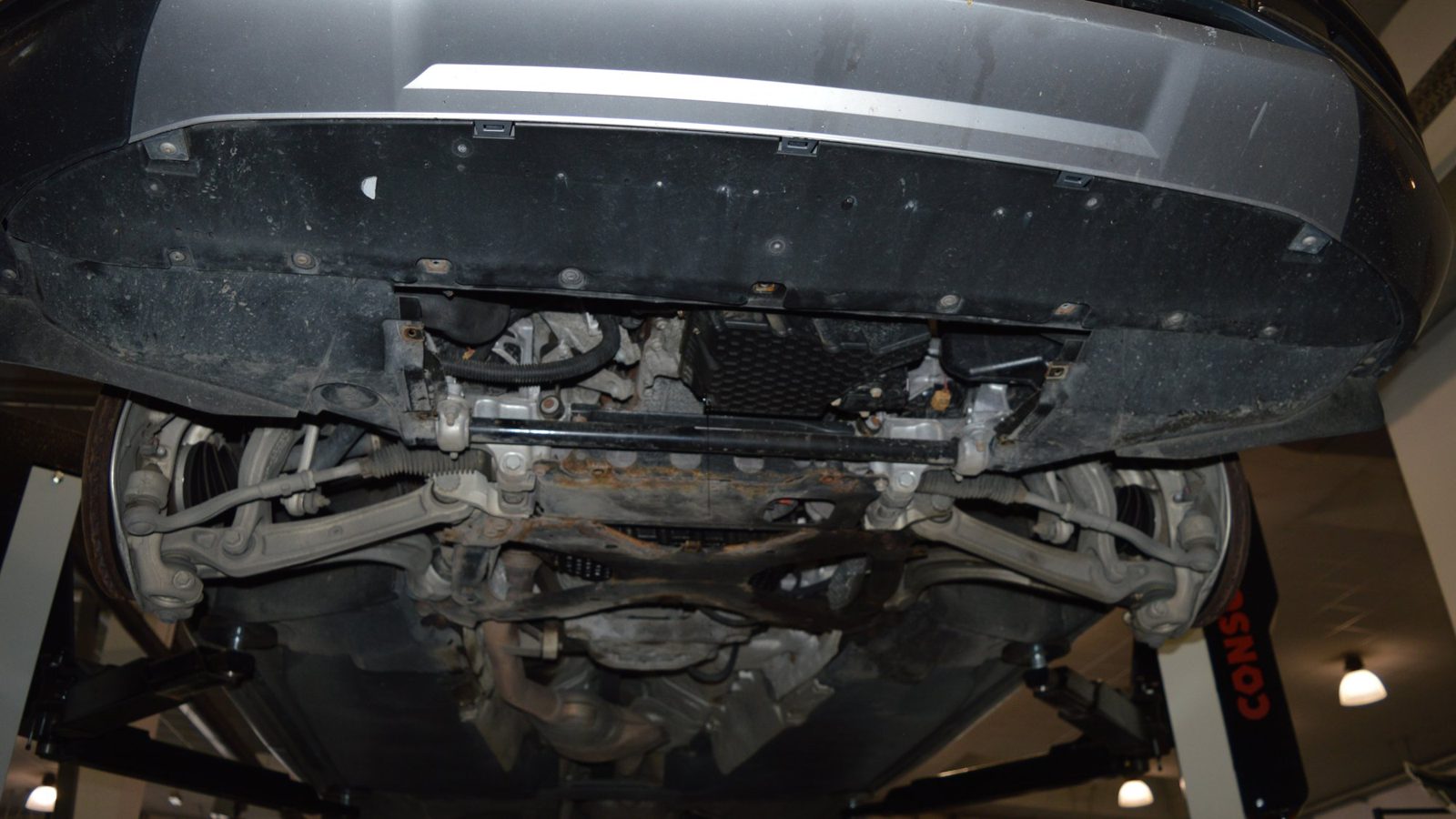
How do we find out which wheel bearing is making the noise?
- First, we take the car for a test drive. We listen for when the humming starts and how the noise changes through corners.
- Then we put the car on a ramp, spin the wheels and listen for any noise coming from the bearings.
- We also check each wheel for play.
- And we inspect the tyres. Uneven tyre wear can cause a similar humming noise and easily send you looking in the wrong direction.
How do we replace a wheel bearing?
On most VAG cars, the wheel bearing comes as part of the hub assembly, so we replace the bearing and hub together. The new hub is tightened with a torque wrench to the exact manufacturer's specified torque, often using a new bolt or nut. And this is where I really want you to listen. No tightening things by feel! If the bearing is overtightened or left too loose, it can wear out again very quickly. And when a repair isn't done properly, guess who ends up paying for someone else's mistake? You do. Out of your own pocket.
If your wheel bearing is humming, don't put off getting it checked. When it's badly worn, the wheel can start to wobble, and in extreme cases the bearing can seize completely.
What causes wheel bearings to wear out?
- Hitting potholes and driving up kerbs.
- Water and road salt getting past the seals.
- Incorrect tightening during a previous repair.
- High mileage.
Advice from Kris Mladenov: If your car starts humming after you've had the tyres changed, don't be too quick to blame the new tyres. Get the wheel bearings checked as well. The problem could quite easily be coming from one of them.
If you're hearing a humming noise from underneath your car that gets louder with speed, bring it to Das Auto Service and we'll take a look. We'll find out which wheel the noise is coming from, check whether it's actually the bearing and replace it properly.
Read more
- Routine Servicing at Das Auto Service
- Diagnostics at Das Auto Service
- Audi A4 and A6 Multi-Link Suspension: Why the Control Arms Knock
- Shock Absorbers: Why We Replace the Mounts, Caps and Dust Boots Together
- TPMS: Why Is the Tyre Pressure Warning Light On After Changing Tyres?
Frequently Asked Questions
How can I tell if the noise is coming from a wheel bearing or a tyre?
When a wheel bearing is worn, the humming often changes as you turn. Tyre noise doesn't always behave like that. Rather than guessing, we put the car on a ramp and check.
Is it dangerous to drive with a worn wheel bearing?
Yes, especially if it's badly worn. The wheel can develop play and start to wobble, and in extreme cases the bearing can seize completely. Don't let it get that far.
Do I need to replace wheel bearings in pairs?
No, there's no need to replace both. We replace the worn bearing, but we always check the one on the opposite side too.