It's July. You're stuck in traffic, and it's 38°C outside. Suddenly, the red temperature warning light comes on, or you notice the temperature gauge climbing. Did you know that what you do in the next two minutes could make the difference between simply topping up the coolant and having to replace the cylinder head? That's exactly why I want you to know how to react when you're dealing with engine overheating.
What should you do immediately if your engine overheats?
- Switch off the air conditioning. It puts extra load on the engine and makes it harder for the cooling system to do its job.
- Turn the heater up to maximum. I know, it's July and the last thing you want is more heat, but the heater helps draw some of that heat away from the engine.
- Pull over somewhere safe as soon as you can.
- Switch off the engine if the temperature keeps rising.
- Open the bonnet to let the heat escape, but be careful not to touch anything hot.
What should you never do when your engine overheats?
- Never unscrew the coolant expansion tank cap. The cooling system is pressurised, and hot coolant can spray straight at you and cause serious burns.
- Never pour cold water into a hot engine. The sudden temperature difference can crack the aluminium cylinder head and engine block.
- Don't keep driving with the red warning light on, telling yourself, "It's only a little further home." That's exactly how a cooling system problem turns into a major engine repair. And that's when things get expensive.
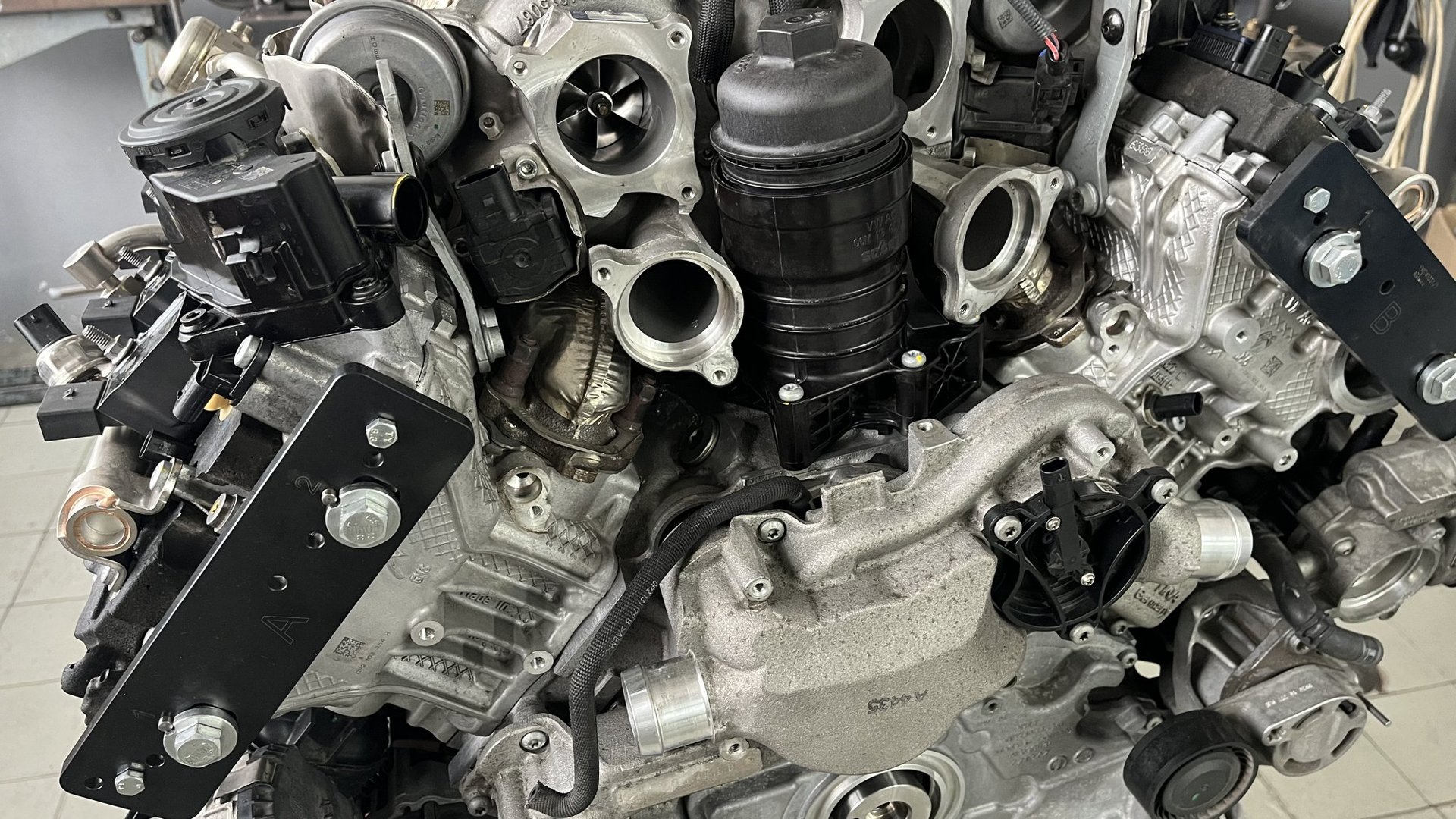
Why does an engine start overheating?
- You're losing coolant. It could be leaking from a hose, the water pump or the radiator.
- The radiator fan isn't working properly, so the engine isn't getting enough cooling, especially when you're stuck in traffic.
- The thermostat isn't opening, preventing the coolant from circulating properly.
- The radiator is clogged on the outside with leaves, dust and insects.
- The water pump is faulty and can't circulate the coolant as it should.
If your engine has seriously overheated, don't start it again until we've checked it. Excessive heat can destroy the cylinder head gasket. And if you carry on driving or restart the engine without fixing the cause, you risk making the damage even worse.
How can you protect your engine from overheating?
Check your coolant level once a month, always when the engine is cold. Change the coolant every third heating season because it loses its protective properties over time, and tiny pits can develop in the aluminium engine block. One more thing: if you notice pink stains underneath your car, don't ignore them. They could be telling you that coolant is leaking somewhere.
Advice from Kris Mladenov: If you're stuck in traffic, the radiator fan isn't coming on and the temperature gauge starts climbing, don't wait for the red warning light. Bring the car in and we'll find out what's going on.
If your engine has overheated before, or you've noticed the coolant level keeps dropping, come and see us at Das Auto Service. We'll find the cause before it turns into something much more serious.
The solution in our shop
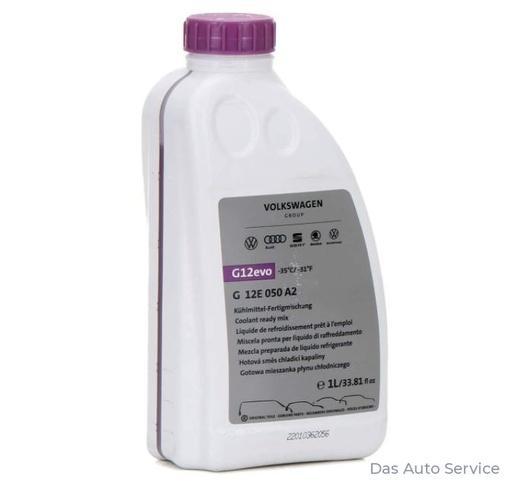
Genuine VAG G12Evo coolant G12E050A2 1.0 l
Genuine G12evo coolant helps protect your engine against overheating and corrosion.
View in our shopRead more
- Diagnostics at Das Auto Service
- Major Engine Repairs
- G12, G12++, G13 and G12evo Coolant: Can I Mix Them?
- 1.4 TSI EA211: The Water Pump and Thermostat
- Hot Weather and Your Car: Battery, Tyres and Air Conditioning
Frequently Asked Questions
Can I top up with water if my engine overheats?
Yes, but only once the engine has cooled down completely. Never pour water into a hot engine.
Why should I turn the heater on when my engine is overheating?
Because the heater takes some of the heat away from the engine and helps it cool down. But remember, this is only a temporary measure, not a fix for the problem.
Can I keep driving if the temperature warning light comes on?
No. Pull over somewhere safe and switch off the engine. Don't risk causing even more damage just to get to the garage under your own steam.