An engine oil change looks like the easiest job in the workshop. Undo the sump plug, drain the old oil, replace the filter and pour in the fresh oil. What could possibly go wrong? Quite a lot, actually. It's these supposedly simple jobs where one little mistake can cost you a fortune. A stripped thread in the sump, an oil leak from the filter, or an engine that's been filled with the wrong oil. And guess who's left paying for it? You.
What do we do during every engine oil change?
- We check the exact oil specification against your VIN. We don't just pour in whatever happens to be on the shelf.
- We drain the old oil while the engine is still warm.
- We fit a new sump plug washer. Every single time.
- We replace the oil filter along with the seals on the filter cap.
- We tighten the sump plug and oil filter cap with a torque wrench, following the exact manufacturer's torque specifications.
- We fill the engine with the correct amount of oil, start it up and check the level again.
- We carefully check for leaks and reset the service interval.
Why do we always replace the sump plug washer?
When you tighten the sump plug, the washer gets compressed to create a proper seal. Reuse the old one and there's a chance it won't seal properly, leaving you with an oil leak. And if you try to stop that leak by tightening the plug even harder, you could strip the thread in the aluminium sump. Suddenly, one tiny washer has turned into a major repair.
A new washer is the cheapest part of the whole service. So why take the risk?
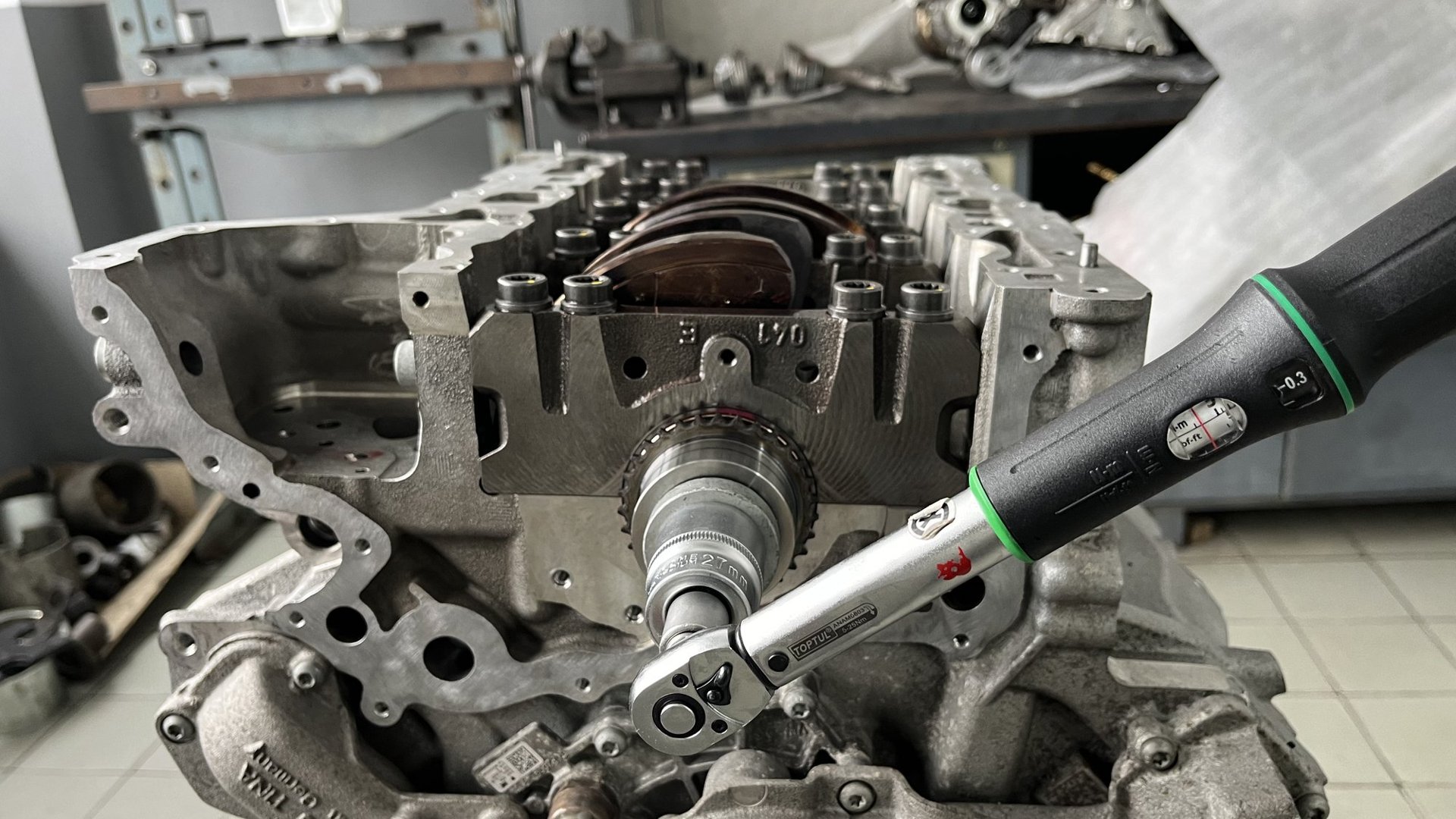
Why do we use a torque wrench?
On VAG cars, the sumps and oil filter caps are often made from aluminium or plastic. Overtighten the sump plug and you can strip the thread. Tighten a plastic filter cap too much and you can crack it. Leave it too loose and the oil could start leaking.
That's why we don't tighten things by feel at our workshop. We get the torque wrench out and tighten everything to the exact manufacturer's specification. That's how the job should be done.
Never let anyone tighten your sump plug with an air impact wrench. If they strip the thread in the aluminium sump, you're looking at repairing or replacing the sump. And guess who ends up paying for that mistake? You, the car owner, not the workshop.
Why do we check the oil level after starting the engine?
When you start the engine, the fresh oil begins filling the filter and the oil passages. That's why the oil level drops compared with the amount we initially poured in.
We check the level again and top it up if necessary. That way, we know your engine won't be running with too little oil. A small detail. But an important one.
A tip from Kris Mladenov: Ask the workshop to show you the old sump plug washer and the old oil filter. That way, you can see for yourself that they've actually been replaced.
If your next oil change is coming up, bring your car to Das Auto Service. We'll do it properly, with the correct oil, a new washer and everything tightened to the manufacturer's specified torque.
The right oil in our shop
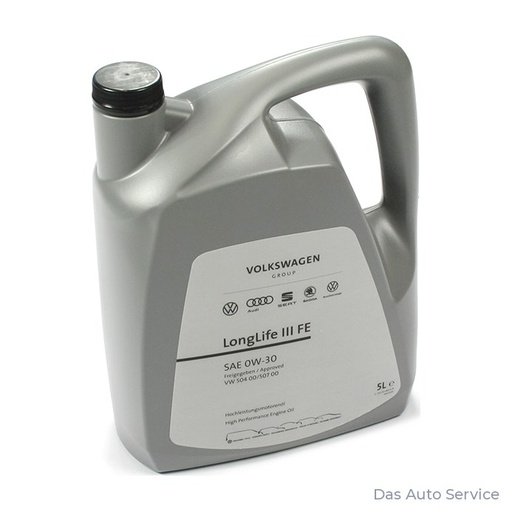
Genuine Longlife III FE 0W30 engine oil 5L
Genuine Longlife III engine oil, which we use in most engines where the manufacturer's specification calls for it.
View in our shop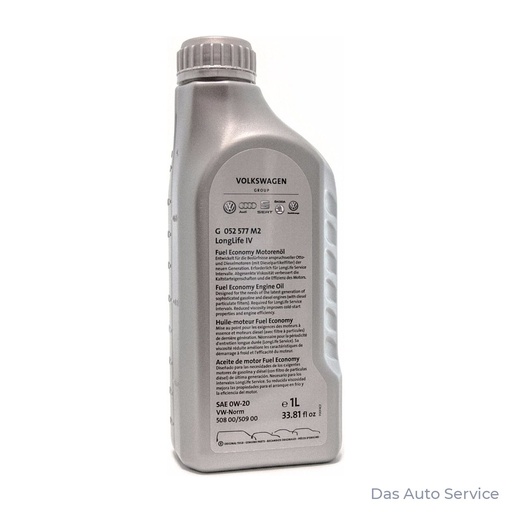
Genuine LongLife IV 0W20 engine oil G S60577M2 1l
Genuine LongLife IV 0W-20 engine oil for newer engines that require the 508.00 specification.
View in our shopRead more
- Routine servicing at Das Auto Service
- Vehicle diagnostics at Das Auto Service
- The torque wrench: why we tighten everything to the correct torque
- The service interval: how to reset it and why you shouldn't do it yourself
- VW 504/507 and LongLife: what the numbers on the bottle mean
Frequently asked questions
Should I replace the sump plug washer at every oil change?
Yes. The old washer might no longer seal properly, so we always fit a new one.
Why is the correct tightening torque so important?
Because overtightening can easily damage the threads in the aluminium sump or crack the plastic oil filter cap. Leave them too loose, and you could end up with an oil leak.
How often should I change my engine oil?
For cars driven in Bulgaria, I recommend changing the engine oil and oil filter every 10,000 km or once a year, whichever comes first, regardless of the oil used.