Polo, Golf, Fabia, Octavia, Ibiza, A1 — you'll find the 1.0 TSI in all of them. It's a small, economical and surprisingly lively little three-cylinder engine. But owners often tell me, "Something's vibrating at idle" or "It sounds like a tractor when it's cold." And naturally, they wonder whether they should be worried. So let me walk you through the common 1.0 TSI engine problems, what's perfectly normal, when something really is wrong and how to look after this little engine.
Why does the 1.0 TSI vibrate more than a four-cylinder engine?
A three-cylinder engine naturally vibrates more than a four-cylinder. That's simply how it's designed. The engineers have done their best to smooth things out using the flywheel, crankshaft pulley and engine mounts. So a slight vibration at idle and that distinctive three-cylinder sound are nothing to worry about. But here's the important bit! If the engine starts shaking badly, the vibrations get worse over time or the whole car shudders when you pull away, it's time to find out what's wrong.
When do 1.0 TSI engine problems cause excessive vibrations?
- Worn engine mounts — particularly the lower mount that supports the engine and gearbox. Once it wears out, you'll feel the engine's vibrations much more strongly.
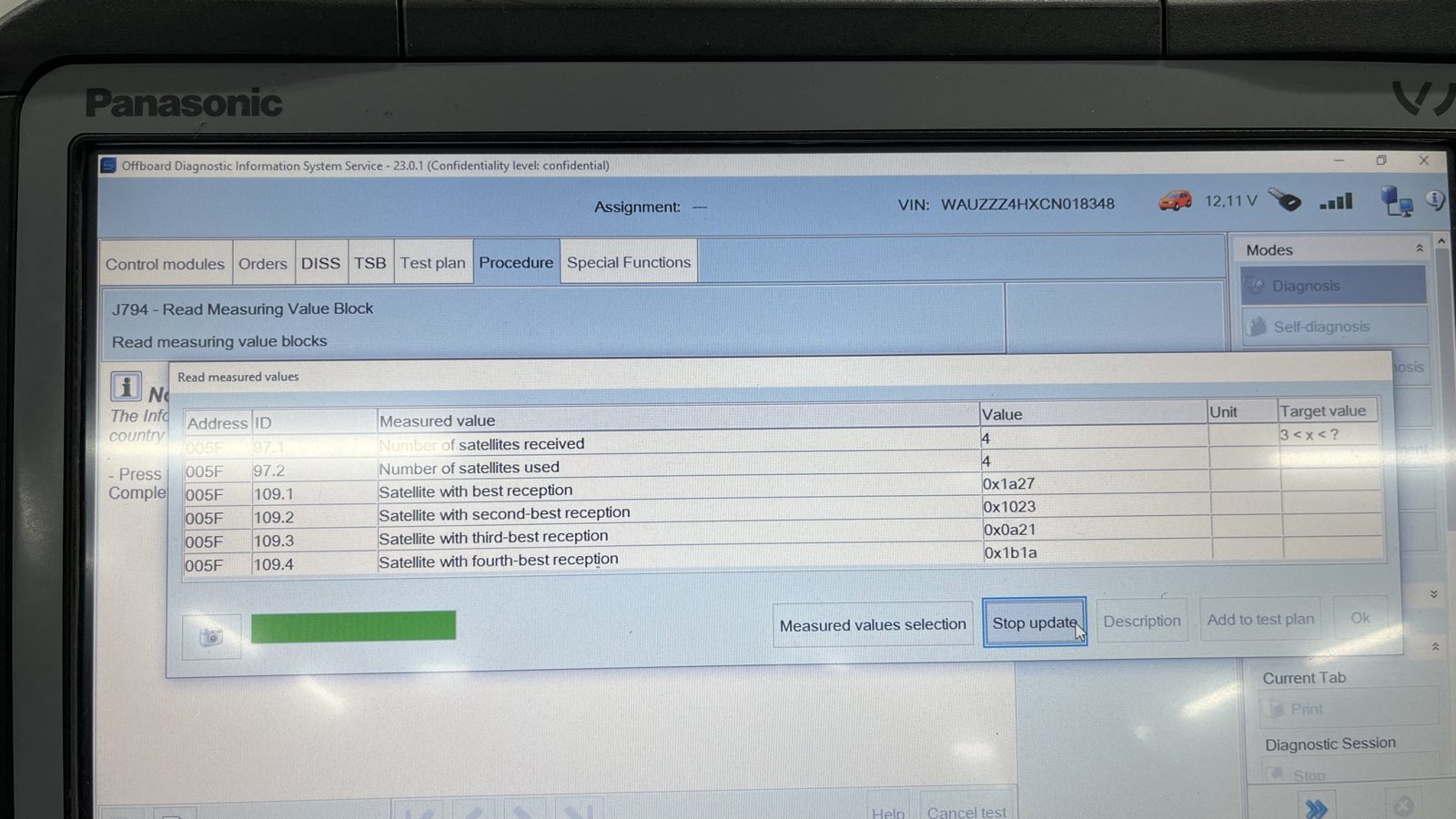
- A misfiring cylinder — this could be caused by an ignition coil, spark plug or injector. The engine starts running unevenly and shaking.
- Carbon build-up on the intake valves — a familiar problem with direct-injection engines.
- A clutch or flywheel problem on manual cars. If you've got a DSG, we'll check the gearbox clutches instead.
How should you service your 1.0 TSI to keep it reliable?
- Change the engine oil and oil filter every 10,000 km or once a year, whichever comes first, regardless of which oil you use. Don't put it off.
- Always use oil that meets the exact specification for your engine. Newer versions need 0W-20 meeting VW 508.00, while older ones require VW 504.00/507.00. Don't mix them up.
- Replace the spark plugs at around 60,000 km. If you mainly drive around town, they might need changing sooner.
- The engine has a timing belt, not a chain. Check it according to the service schedule.
- Change the coolant every third heating season.
How can you protect the turbo on your 1.0 TSI?
On this little engine, the turbo is working almost constantly. That's why I always recommend two things. First, don't put your foot down hard while the engine is still cold. Second, if you've been driving at high speed for a long time, don't switch the engine off straight away. And most importantly, never skimp on regular engine oil changes. That's the best thing you can do for your turbo.
Don't put 0W-20 into an engine that wasn't designed for it. And the reverse is just as important. You'll find the correct oil specification on the oil filler cap, in the owner's manual or by checking the VIN. If you're unsure, check before pouring anything in. Because the wrong oil can lead to an expensive repair. And guess who's paying for that? You are, out of your own pocket.
A tip from Kris Mladenov: If your 1.0 TSI has gradually started vibrating more at idle, check the engine mounts first. They're often the culprit, and putting things right is relatively inexpensive.
If you feel your 1.0 TSI is vibrating more than it should, bring it to Das Auto Service for a diagnostic check. We'll inspect the engine mounts, check how each cylinder is running and track down where those vibrations are coming from. I don't want you spending money replacing parts on a guess. First, we find the cause. Only then do we decide what actually needs repairing.
The solution in our shop
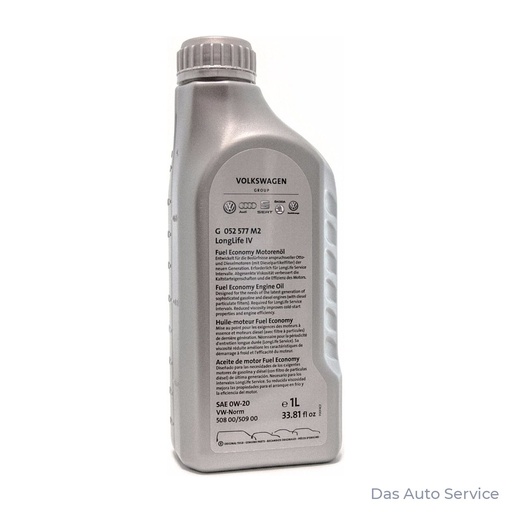
Genuine LongLife IV 0W-20 engine oil G S60577M2 1 l
Genuine LongLife IV 0W-20 engine oil for newer 1.0 TSI engines that require VW 508.00.
View in our shop
Genuine LongLife III FE 0W-30 engine oil 5 l
Genuine LongLife III engine oil for older 1.0 TSI engines that require VW 504.00/507.00.
View in our shopRead more
- Routine servicing at Das Auto Service
- Diagnostics at Das Auto Service
- VW 508/509 0W-20 oil: can you use it in an older engine?
- Carbon build-up on TSI and TFSI valves: why does it happen and how do you clean it?
- DSG DQ200 with dry clutches: why does it jerk and judder?
- Škoda Fabia 3 1.0 TSI service schedule
- 1.4 TSI EA211: water pump and thermostat
Frequently asked questions
Is it normal for a 1.0 TSI to vibrate at idle?
Yes, a little vibration is normal for a three-cylinder engine. But if it starts shaking badly or the vibrations gradually get worse, we need to find out what's causing it.
Does the 1.0 TSI have a timing belt or a chain?
It has a timing belt. On cars built after 2015, the timing belt needs replacing every 180,000 km or 5 years, whichever comes first.
What engine oil should I use in my 1.0 TSI?
That depends on exactly which engine you've got. Newer versions use 0W-20 oil meeting VW 508.00, while older ones need oil meeting VW 504.00/507.00. At Das Auto Service, we check the correct specification against your VIN so there's no risk of putting the wrong oil in.