2.0 TDI oil pressure warning light – what's causing the problem?

▶ 2.0 TDI – what causes the oil pressure warning light to come on?
You're driving uphill when you put your foot down and suddenly the red oil pressure warning light comes on. You pull over, switch off the engine, wait a little while and, when you restart it, the warning light is gone. The next day, however, the same thing happens again, and you start worrying about what's going on inside your engine. You take the car to a garage, hoping it's just a faulty sensor and that you'll get away with a minor repair. And that's where the real drama begins.
What will most garages do?
The truth is that many garages go down the wrong path right from the start. First, they replace the oil pressure sensor, but the warning light keeps coming on. Then they decide the oil pump is to blame and replace that too, but the result is exactly the same. Eventually, the engine gets stripped down, and you keep paying and paying and paying. Yet the problem remains.
In the video, I talk about a case from years ago that I remember very well. The car had been to five different garages, the engine had been stripped down several times, and the owner had practically given up on it. Imagine how much time and money the owner had wasted, not to mention the stress of it all, without anyone managing to find the cause of the problem. We fixed the car in two days.
What actually triggers the 2.0 TDI oil pressure warning light?
On the 2.0 TDI, the pistons themselves have an annular cooling gallery through which oil flows to cool them. Inside the engine block, there's an oil jet for each piston, directing a spray of oil towards it. As well as cooling the pistons, these jets help lubricate the cylinder walls. It all sounds fairly straightforward so far, doesn't it?
Inside each of these piston oil jets, however, there's a small valve that opens at a specific oil pressure. When the jet doesn't need to operate, the valve closes, preventing oil from flowing through it. This maintains the required pressure within the engine's lubrication system.
Over time, as the mileage builds up, these valves wear to the point where they can no longer seal properly. Oil starts leaking past them, and the engine loses oil pressure. At higher engine speeds and under load, the problem can become much more noticeable, with the car's electronics detecting the drop in pressure and triggering the warning light on your dashboard. That's how a few small valves can end up being the reason someone strips down your entire engine.
Why can't the garage find the cause?
When it comes to a loss of oil pressure, the first things a mechanic thinks of are the sensor, the oil pump and the engine bearings. Unfortunately, few mechanics think to check the piston oil jets. Yet on the 2.0 TDI, they're a common cause of this particular problem – everything appears fine at idle, but as soon as you put the engine under load, the warning light comes on. That's why I always say there's a huge difference between diagnosing a car and simply replacing parts.
WARNING! If the red oil pressure warning light comes on, pull over somewhere safe and switch off the engine. Do not continue driving, even if the warning light goes out. Just a few seconds of running with insufficient oil pressure can damage the bearings and pistons.
How do you fix the problem with the piston oil jets?
The first thing we do at Das Auto Service is measure the actual oil pressure with a pressure gauge at different engine speeds and temperatures. I'm not just interested in whether the warning light comes on, but in exactly when it comes on and what's happening to the oil pressure at that moment. If the pressure is normal at idle but drops under load, one of the first things I do is check the piston oil jets.
If we establish that they're causing the problem, we replace all four. Not one, not two, but all four, because they've been subjected to the same operating conditions and covered the same mileage. We also change the oil and filters, as fine metal particles from the worn valves can contaminate the lubrication system. And all without having to strip down your entire engine.
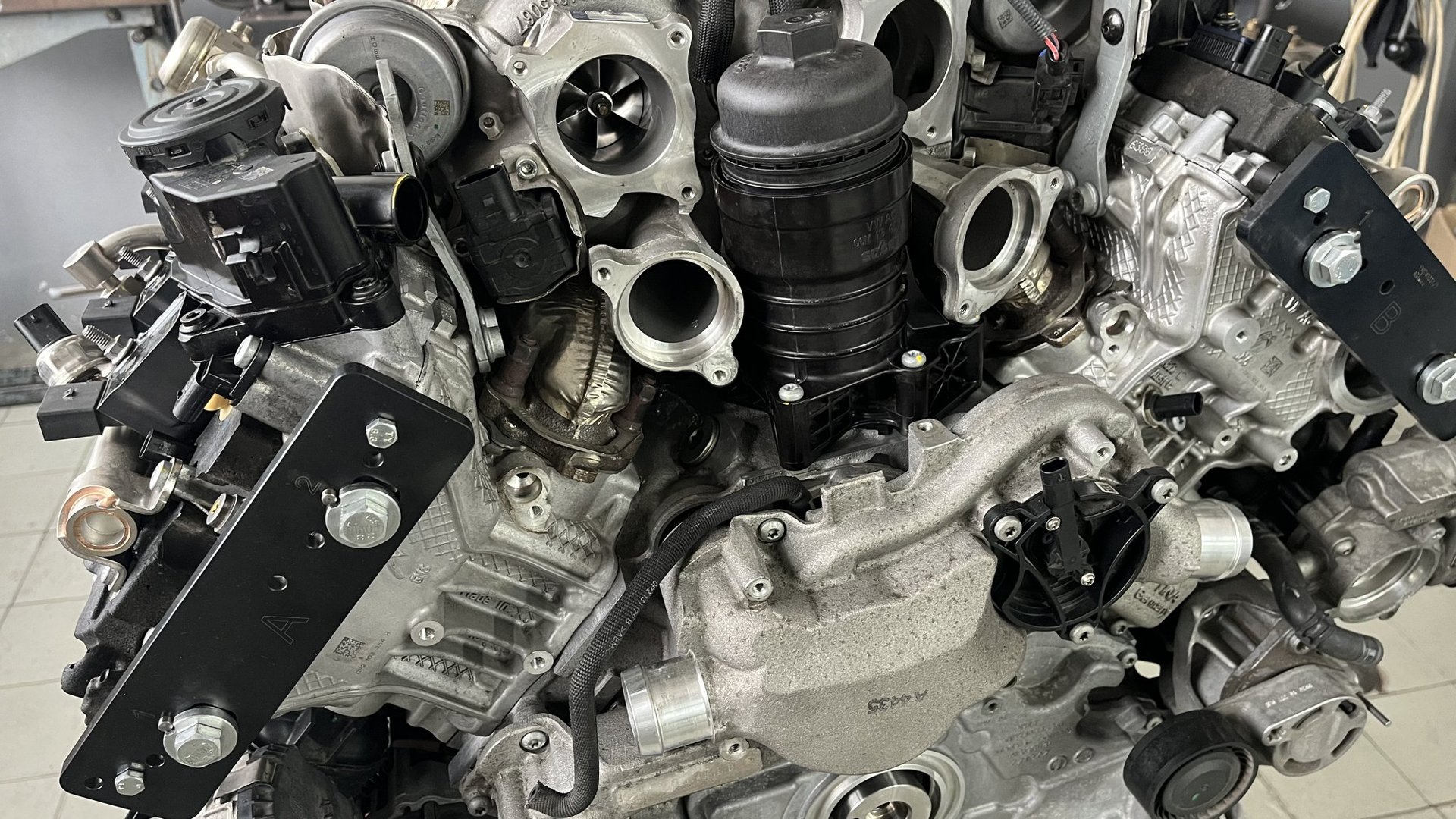
Can I prevent this problem with regular oil changes?
If you drive your car in Bulgaria, I recommend changing the engine oil every 10,000 km or once a year, whichever comes first, regardless of which oil you use or whether your car is on a LongLife service schedule. At the same time, replace the oil filter, fuel filter, air filter and cabin filter. Not at 15,000 km, not at 20,000 km, but at 10,000 km!
Manufacturers' recommendations for extended service intervals are driven by environmental standards rather than concerns about the longevity of your engine. Clean oil protects the oil jet valves, the oil pump, the bearings and the entire lubrication system. Old, contaminated oil acts like very fine sandpaper on the components it comes into contact with. I'm telling you this because, ultimately, you're the one who'll be footing the repair bill.
What can I find in the Das Auto Service shop?
If you're already experiencing this problem, you can book an appointment for diagnostic testing at Das Auto Service. We'll identify the cause of the oil pressure loss before carrying out any repairs. If the piston oil jets turn out to be the culprit, we'll save you from an unnecessary engine strip-down. You can read more about our work on our Engine Overhaulspage.
I also recommend reading Yellow or red oil warning light: what's the difference?I'd also suggest reading How to check whether your garage has changed the oil and filterspage.
Advice from Kris Mladenov: If the oil pressure warning light comes on under load or at high engine speeds, don't rush into authorising an engine strip-down. Insist that the actual oil pressure is measured with a pressure gauge first and that the cause of the pressure loss is investigated. The piston oil jets on the 2.0 TDI are an often-overlooked cause, and replacing them is a considerably less involved repair.
I hope you've found this article useful! If you have, I'd really appreciate it if you shared it with your friends and anyone you know who drives a 2.0 TDI. My aim has always been the same – if I know something, I want to share that knowledge with as many people as possible. And in this case, it could save someone a lot of money and stress.
The solution in our shop
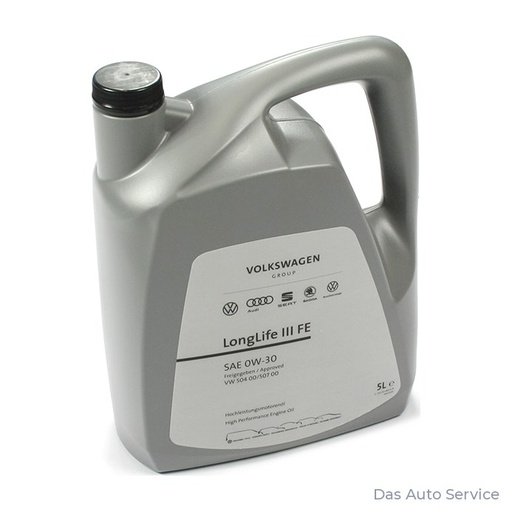
Genuine LongLife III FE 0W30 engine oil, 5 litres
Part of proper preventative maintenance for your engine and its lubrication system.
View in our shopFurther reading
- Diagnostics
- Engine Overhauls
- Yellow or red oil warning light: what's the difference?
- How to check whether your garage has changed the oil and filters
Frequently asked questions
Can I solve the oil pressure problem by using thicker oil?
No. Thicker oil may temporarily increase oil pressure, but it won't repair the worn valves inside the piston oil jets. If they're causing the problem, the jets need to be replaced.
Does the engine need to be removed to replace the piston oil jets?
No, provided the oil jets are accessible once the sump has been removed. This is exactly why proper diagnosis can save you from a major, unnecessary repair.
How many miles can new piston oil jets last?
With genuine piston oil jets and regular oil changes every 10,000 km, the jets can last the lifetime of the engine. Contaminated oil and missed services accelerate wear.