Think a 2.0 TDI timing belt replacement is just a matter of fitting a new belt, a few pulleys and calling it a day? Not quite. This is one of the jobs where I see the most corners being cut, and those shortcuts can end up costing the owner dearly – a blocked DPF, increased fuel consumption or another timing belt replacement just a few months later. The worst part is that you usually only discover these problems after you've already paid for the repair. In the video, I'll show you how we replace the timing belt on a 2.0 TDI Škoda Superb, and here I'll explain exactly what you should expect from your workshop so you don't end up paying twice.

▶ 2.0 TDI – how is the timing belt replaced?
When should I have a 2.0 TDI timing belt replacement?
For both the 1.6 TDI and 2.0 TDI, I recommend replacing the timing belt every 180,000 km or 5 years, whichever comes first. The Superb in the video has covered just 70,000 km, so you're probably thinking, "The car's practically new. Why would you change the timing belt already?" Because mileage isn't the only thing that matters. The rubber in the belt ages, and so do the pulleys, whether the car is driven every day or spends most of its time in the garage. There's simply no point taking that risk just because the mileage is low.
Why does a timing belt replacement take more than a few hours?
If someone promises to replace your timing belt in just a few hours, I'd be asking exactly what's included in the job. Because removing the old belt and fitting a new one is one thing. Properly dismantling everything, cleaning the components, checking for wear and replacing everything that needs replacing is quite another. We don't run a production line where the only priority is getting the car out as quickly as possible. Here are a few things I pay particular attention to.
- We support the engine using the genuine engine support bracket, which rests on the suspension strut mounting. Universal engine supports are often positioned wherever there's somewhere to rest them, and then you wonder why the wings have been pushed out of alignment. I don't want to fix one problem only to create another.
- We thoroughly clean and inspect the timing belt sprockets. Over time, they can wear and become oval-shaped. If we find this kind of wear, we replace them rather than fitting a brand-new belt onto worn sprockets.
- We replace all the timing belt fasteners. These bolts are tightened to precisely specified torque values in Nm and stretch during tightening. They're not designed to be reused. As far as I'm concerned, reusing an old bolt with a new timing belt isn't a job properly done.
What gets overlooked most often during a timing belt replacement?
Now we get to the interesting part. There are several seemingly minor components that can easily be left off a quote because the customer doesn't even realise they need replacing. Yet these are exactly the parts that can ruin the entire job. I'll go through them one by one so you know what to look for.
- The crankshaft and camshaft oil seals. These seals prevent oil from escaping around the shafts. They must be removed and fitted using specialist tools, not a screwdriver and a hammer. Damage the aluminium housing and you'll end up with an oil leak.
- The blanking plug next to the camshaft oil seal. A tiny part that costs next to nothing but can cause enormous trouble. If it leaks, oil gets all over the timing belt assembly. And guess what? Everything has to come apart again, another new belt is needed, and you're paying all over again.
- The timing belt tensioner studs. These can work loose over time, and the tensioner is responsible for maintaining the correct belt tension. If a stud comes loose and the tensioner falls off, the fact that your timing belt is brand new won't save you.
- The crankshaft oil seal housing. The genuine oil seal comes complete with its plastic housing. Often, only the seal itself is replaced to save the cost of the housing. Then the plastic housing starts leaking, the belt becomes soaked in oil and the whole job has to be done again.
- The alternator overrunning pulley. It isn't cheap, and replacing it requires a special tool, so it's often left "until next time". Then the owner comes back saying, "Something's started squealing and rattling at the front." And supposedly everything had been serviced.
IMPORTANT! If the timing belt becomes soaked in oil, it must be replaced again. You don't wash it, and you certainly don't leave it in place "for a little while longer". One overlooked oil seal costing just a few euros can make the entire repair you've already paid for a complete waste of money.
What do the water pump and timing belt have to do with the DPF?
This surprises a lot of people because, at first glance, the water pump and DPF have nothing to do with each other. But the water pump on the 2.0 TDI isn't an ordinary one. It's a "smart" pump with variable operation controlled by the engine. Many aftermarket pumps use nothing more than a resistor in place of the correct control system, fooling the electronics into thinking everything is working properly. And that's where DPF problems can begin. That's why I insist on using a genuine water pump.
There's something else I consider absolutely essential – precise timing belt adjustment. The high-pressure fuel pump and camshaft must be timed accurately in relation to the crankshaft. It's not enough for the timing marks to look roughly right before putting the covers back on. If this fine adjustment is overlooked, combustion deteriorates, fuel consumption can increase and the DPF starts filling up more quickly. We've seen plenty of cars whose owners were told the DPF needed removing, only for the problem to disappear after the timing was set correctly. Just imagine how much unnecessary money can be spent because of one poorly executed repair.
What else should I replace alongside the timing belt?
Once we've dismantled so much of the engine, it makes sense to me to check everything else rather than take the same area apart again a few months later. That doesn't mean replacing parts for no reason. It means doing the job properly and not leaving it half-finished.
- We replace the coolant with genuine coolant because the cooling system has to be opened anyway when replacing the water pump.
- We replace the oil pump belt, as well as the external auxiliary drive belt, together with its pulleys and tensioner. We don't leave the old parts in place just because they appear to be in good condition.
- We check whether the brake fluid, engine oil and all filters are due for replacement. We change the brake fluid every 2 years, while the engine oil, oil filter, fuel filter, air filter and cabin filter are replaced every 10,000 km or once a year, whichever comes first.
The meticulous owner in the video approves the entire quote without asking whether we could manage without the fasteners or perhaps leave out a seal. And I completely understand that approach. When you're carrying out this kind of repair, the aim isn't simply to get the engine started and the car out of the workshop. The aim is to have everything exactly as it was when the car left the factory. Above all, it's about making sure you don't have to pay for the same repair twice.
Advice from Kris Mladenov: Before approving a quote for a timing belt replacement, go through it line by line. Check that it includes the oil seals, blanking plug, studs, new fasteners and every other necessary component, not just the belt and pulleys. If something is missing, ask why. It's better to have that conversation beforehand than to pay for the same dismantling work again a few months later.
I hope you've found this article useful! If you have, I'd appreciate it if you shared it with a friend who drives a 1.6 TDI or 2.0 TDI. I've always believed that if I know something, more people should know it too. Because the more you understand about the work being done on your car, the harder it becomes for someone to sell you half a repair and call it a complete service.
The solution in our shop
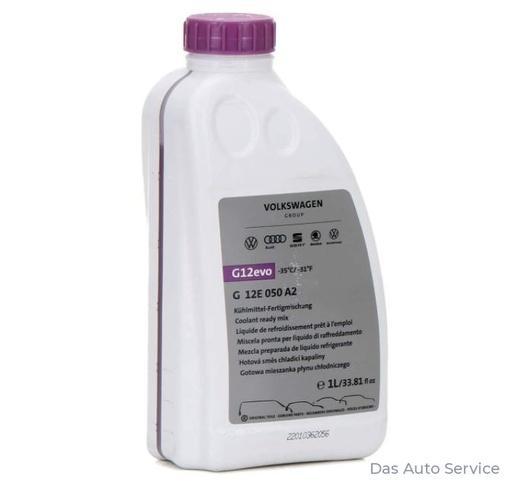
Genuine VAG G12evo coolant G12E050A2 1.0 l
We use genuine G12evo coolant when replacing the timing belt and water pump, as the cooling system has to be opened.
View in our shop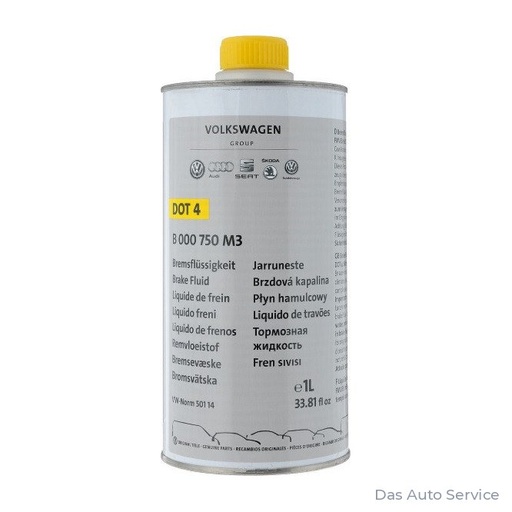
Genuine VAG DOT 4 brake fluid B000750M3 1 l
We also replace the DOT 4 brake fluid during the same service if 2 years have passed since it was last changed.
View in our shopFurther reading
- Routine servicing
- Major engine repairs
- When should the timing belt be replaced on TDI and TSI engines?
- When should the water pump be replaced, and why alongside the timing belt?
- DPF cleaning – when does it help and when is it a waste of money?
Frequently asked questions
When should the timing belt be replaced on a 2.0 TDI?
I recommend replacing it every 180,000 km or 5 years, whichever comes first. The same interval applies to the 1.6 TDI.
Should I replace the water pump with the timing belt?
Yes. It's driven by the timing belt, and if it starts leaking later, the belt can become soaked in coolant and need replacing again. That's why we use a genuine water pump.
Can an incorrectly fitted timing belt cause DPF blockage?
Yes. If the high-pressure fuel pump and camshaft aren't timed correctly in relation to the crankshaft, combustion deteriorates and the DPF fills up more quickly.
Why should I replace the oil seals and bolts when fitting a new timing belt?
Because old oil seals can leak and contaminate the belt with oil, while the bolts stretch when tightened to the correct specification and aren't designed to be reused. Cutting corners on these parts can mean having to do the job all over again.