Do you know which Audi engine can put a smile on your face the moment you touch the accelerator, then catch you out with something as simple as a thermostat? That's the 3.0 TFSI supercharged engine for you. It's a V6 that sounds and pulls like a bigger engine, responds instantly when you put your foot down and is one of Audi's most popular petrol engines. I'm a big fan of it too. But! There are a few weak spots you need to know about, because one small problem left unattended can spoil all the fun. I'll explain which cars use this engine, how it works, what tends to go wrong and how to look after it properly, so you can enjoy driving it instead of wondering why you're back at the garage again.
Which Audi models have the 3.0 TFSI supercharged engine?
You'll find this engine in quite a few different cars. It powers everything from sporty Audis to large family SUVs. And that's what makes it interesting. The same basic engine can feel completely different depending on the car it's fitted to.
- Audi S4 and S5 B8 – sporty models where the supercharged V6 is one of the biggest reasons to love them.
- Audi A6 and A7 C7 – large, comfortable cars where the 3.0 TFSI delivers a lovely balance of power and comfort.
- Audi A8 D4 – here, the engine powers a large luxury saloon.
- Audi Q5 and SQ5 – another home for the supercharged V6.
- Audi Q7 4L – a large SUV that also came with this engine.
- VW Touareg and Porsche Cayenne – you'll also find it in the hybrid versions.
When you're looking for one of these cars, don't just go by the badge on the boot. Two cars with a 3.0 TFSI can have different engine codes and different gearboxes. That's why we first establish exactly what's under the bonnet before talking about servicing or possible problems.
How do I know which version of the 3.0 TFSI I have?
The most reliable way is to check the engine code. You'll find it on the vehicle information sticker in the boot, in the service book or through diagnostics. For example, one of the engine codes used in the Audi S4 B8 is CAKA. Those letters aren't just a random combination. They tell us exactly which version of the engine we're dealing with.
Why am I so particular about that code? Because saying "I've got a 3.0 TFSI" isn't enough when we're ordering parts or tracking down a specific fault. You'll often read in online groups that someone replaced a certain part and the problem disappeared. Great, but first we need to know whether we're talking about the same engine. Otherwise, we end up with one of my least favourite habits in this trade: replacing parts until we happen to find the faulty one.
How does the 3.0 TFSI engine and its supercharger work?
Under the bonnet, you've got a V6 with direct petrol injection and a mechanically driven supercharger sitting between the two banks of cylinders. Think of the supercharger as an air pump that forces more air into the engine. More air means the engine can produce more power. The clever bit is that the supercharger is driven mechanically by the engine, so it responds immediately when you press the accelerator.
And that's where it differs from a turbocharger. A turbo uses energy from the exhaust gases, while a mechanical supercharger takes its drive directly from the engine. That's why the throttle response feels so immediate and satisfying. You don't need to understand all the engineering to feel the difference behind the wheel. Put your foot down and off you go.
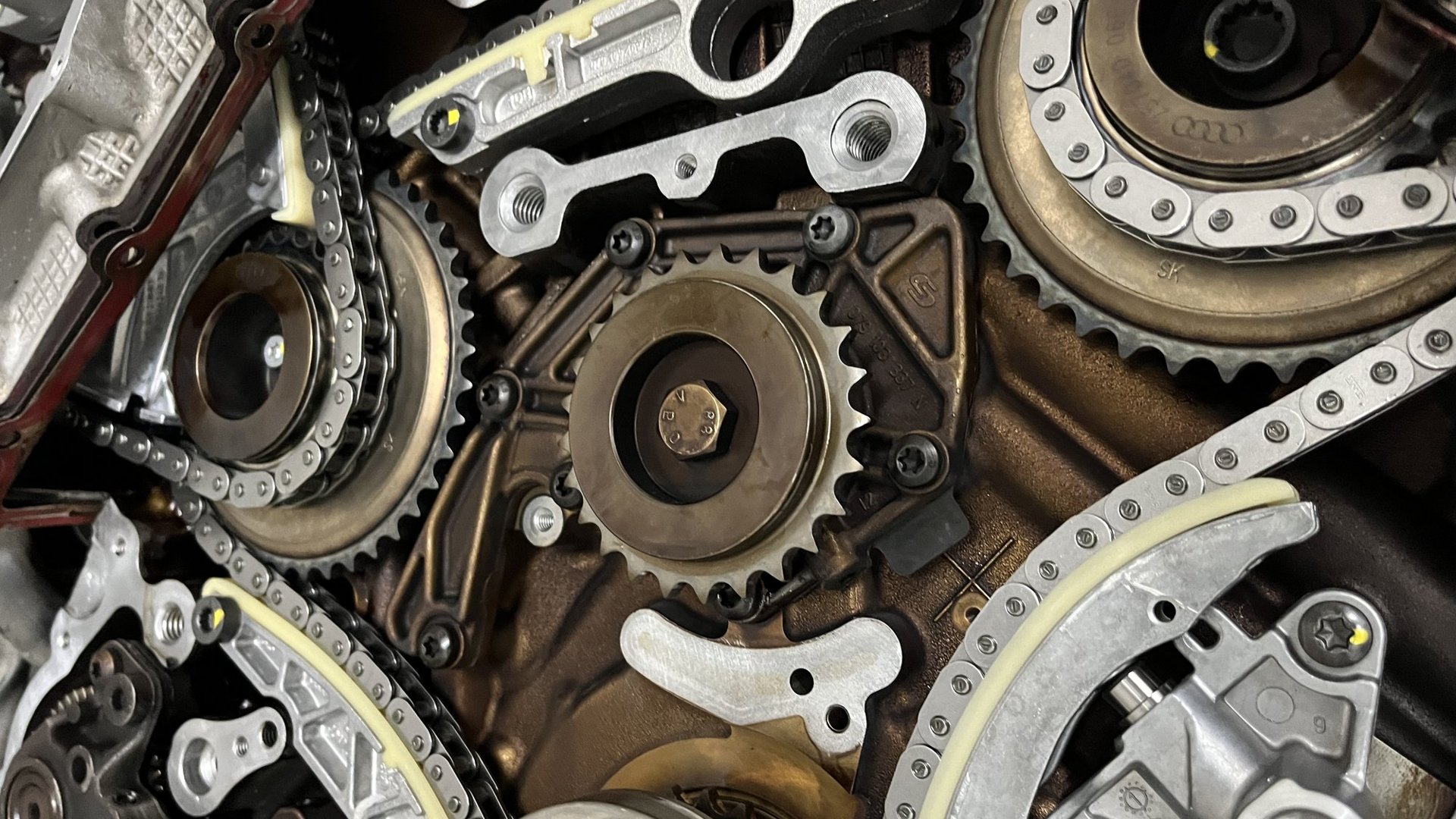
The camshafts are driven by timing chains rather than a timing belt. But that doesn't mean the chains last forever or that you can forget about changing the engine oil. Quite the opposite. Oil is absolutely essential to the health of the entire engine and the proper operation of its moving parts.
Which automatic gearbox comes with this engine?
In the Audi S4, S5, A6 and A7, you'll come across the 7-speed S tronic 0B5. It's a dual-clutch gearbox that changes gears quickly, but it needs proper servicing. The Audi A8, Q7 and VW Touareg use an 8-speed Tiptronic. These two gearboxes work differently, so you shouldn't follow the same service schedule for both.
What are the most common 3.0 TFSI problems?
Now we're getting to the part that interests me most as someone who repairs cars for a living. The 3.0 TFSI is a great engine, but it has a few well-known weak spots. I want you to recognise them because your car will often give you clues that something isn't right long before it turns into a major repair. The question is whether you'll listen.
Why does the 3.0 TFSI warm up slowly or lose coolant?
The thermostat and water pump are among the first things I check when someone comes in with a cooling system problem. Owners tell me things like, "It takes ages to warm up", "The cooling fan is behaving strangely" or "I'm constantly topping up the coolant". None of those symptoms should be treated as normal. The thermostat controls coolant flow according to temperature, while the water pump circulates it through the system.
When something in that system isn't working properly, the engine can no longer maintain its temperature as it should. Sometimes the first sign is simply that it takes too long to warm up. Other times, you'll notice the coolant level dropping. Don't wait for the problem to get worse. The cooling system is one area where I really don't like taking chances.
Why does the supercharger rattle at idle?
One characteristic symptom is a rattling noise at idle that disappears when you press the accelerator. One possible culprit is the supercharger clutch. It's part of the mechanism that transfers drive to the supercharger. When it starts developing problems, you may hear a noise that wasn't there before.
I want to be very clear about something here. Not every rattle means the supercharger is faulty. We need to listen to the engine, work out exactly where the noise is coming from and only then decide what needs repairing. If someone immediately suggests replacing expensive parts without identifying the cause, ask for a proper diagnosis first. That's how you avoid wasting money.
Why does the engine whistle, shake or burn oil?
The crankcase ventilation system is another area worth paying attention to. It deals with the gases that build up inside the engine's crankcase. When it isn't working properly, you might hear a whistling noise, notice a rough idle or find that the engine has started using oil. Sometimes an owner tells me, "The car drives fine, but there's this strange whistle and it shakes a bit."
Those little changes are exactly what you should pay attention to. An engine doesn't have to stop running for something to be wrong. On petrol engines, I recommend servicing the crankcase ventilation filter every 60,000 km. It's an important part of maintenance that shouldn't be overlooked.
Why does carbon build up on the valves?
The 3.0 TFSI uses direct injection, and carbon build-up on the valves is a well-known issue with this type of engine. These deposits accumulate over time and can eventually interfere with the way the engine runs. It's not something you need to panic about, but ignoring it isn't a good idea either. I've explained the causes and cleaning methods in detail in my article about carbon build-up on TFSI valves.
Where can engine oil leak from?
The valve cover gaskets are one of the places we inspect when looking for oil leaks. Over time, the seals can deteriorate and oil can start seeping out. Don't assume every oil leak is normal just because your car is getting older. You can read more about the causes and repairs in my article on oil leaks from the valve cover.
How should I service my 3.0 TFSI to make it last?
My answer is simple: service it regularly and use the correct parts and fluids. Don't wait for the engine warning light to come on before thinking about a visit to the garage. I recommend having your car inspected every 6 months because we can spot many problems before they become serious. And with the 3.0 TFSI, there are a few things I'm particularly strict about.
- Engine oil and all filters – every 10,000 km or once a year, whichever comes first. That means changing the oil filter, fuel filter, air filter and cabin filter together with the engine oil. This is the interval we recommend for cars driven in Bulgaria, regardless of whether you're using LongLife oil. Extended service intervals are designed around environmental targets, not the long-term health of your engine.
- S tronic 0B5 – change the gearbox oil every 60,000 km, always using genuine oil. This gearbox uses two different oils, so it needs to be serviced correctly. Have a read of my article about the S tronic 0B5, its mechatronics and two oils.
- Tiptronic in Audi A models – service every 120,000 km, or every 80,000 km in S models and hybrids. After servicing an automatic gearbox, we always carry out an adaptation.
- Tiptronic in the Q7, Touareg and Cayenne – service every 90,000 km, together with the transfer case and differential oils. I've explained this in more detail in my ZF 8HP Tiptronic servicing guide.
- Coolant – use only genuine coolant and check the level every month. I recommend replacing the coolant itself every third heating season.
- Brake fluid – replace it every 2 years. Don't forget about it just because we're talking about the engine.
WARNING! If your 3.0 TFSI takes ages to warm up, don't just assume that's how the engine behaves. Have the thermostat checked and replace it if it's faulty, before a small problem turns into something much worse. The same applies if your coolant level keeps dropping.
Is an Audi with the 3.0 TFSI worth buying?
Yes, absolutely. I like this engine because it's powerful, lovely to drive and can be very durable when properly maintained. Its weak spots are well known, and that's actually an advantage. We know where to look and what to check. I certainly wouldn't walk away from a good car with a 3.0 TFSI just because I'd read a few horror stories online.
But I wouldn't buy one with my eyes closed either. I'd check the cooling system, listen to the supercharger, look for leaks and pay attention to how the engine runs. I'd also check the gearbox service history. Because a good engine doesn't make up for poor maintenance, and once you've bought the car, any repairs will be coming out of your own pocket.
Tip from Kris Mladenov: When you're inspecting a 3.0 TFSI, let the engine idle for a while and listen carefully. The supercharger can tell you quite a lot, especially if there's a rattling noise that disappears when you press the accelerator. Check that the engine warms up normally and that the coolant level stays stable. Don't buy a car just because it sounds fantastic and accelerates hard.
I hope you've found this article useful! If you have, I'd really appreciate you sharing it with a friend who owns or is looking for a car with the 3.0 TFSI. My mission is simple: when I know something useful, I want more people to know it too. Because the right information can save you a lot of trouble, and I'd much rather see you enjoying your car than paying for problems you could have prevented.
The solution in our shop

Genuine Longlife III FE 0W30 oil 5L
Genuine LongLife III engine oil meeting VW 504 00 specification. Using the correct oil is important for protecting your engine, but even with LongLife oil, don't extend the service interval beyond 10,000 km or once a year.
View in shop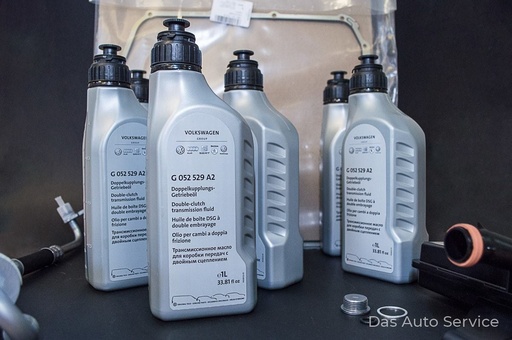
Genuine service set for Audi S-Tronic automatic gearboxes
Genuine service kit for the 7-speed S tronic 0B5, including oil, filters and seals. Everything needed to service the gearbox properly is included in one kit.
View in shop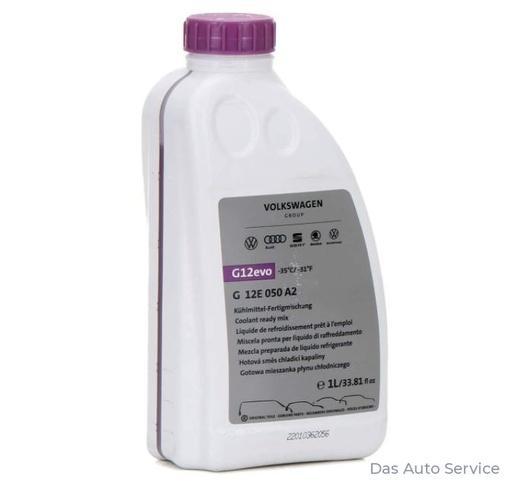
Genuine VAG G12Evo antifreeze G12E050A2 1.0l
Genuine G12evo coolant. Use the correct coolant to look after your engine's cooling system.
View in shopRead more
- Routine servicing
- Diagnostics
- S tronic 0B5 Problems: Mechatronic, Clutches and Oil
- TFSI Carbon Build-Up on Intake Valves: Causes & Fix
- ZF 8HP Tiptronic Oil Change: Touareg, Q7 & Cayenne
Frequently asked questions
What are the most common problems with the 3.0 TFSI?
The best-known issues involve the thermostat and water pump, supercharger clutch, crankcase ventilation system, carbon build-up on the valves and oil leaks. The important thing is to identify the actual cause rather than replacing parts based on guesswork.
Does the 3.0 TFSI have a timing chain or a timing belt?
The supercharged 3.0 TFSI uses timing chains to drive the camshafts. That doesn't mean you can neglect regular engine oil changes.
How long does a 3.0 TFSI engine last?
There's no single mileage figure that applies to every car. It's a durable engine, but a lot depends on how well it's been serviced, the condition of the cooling system and whether problems have been dealt with promptly.
What is a supercharger, and how is it different from a turbo?
A mechanical supercharger forces air into the engine and is driven directly by the engine itself. A turbocharger uses energy from the exhaust gases, while the supercharger gives you a very immediate response when you press the accelerator.