Searching for Audi A3 8V common problems or owner reviews of the A3 2.0 TDI because you've found one you like, but you're worried you might be buying trouble along with it? I get it. The Audi A3 8V (2012–2020) is the generation that made the smaller Audi feel properly modern. A lovely interior, a nice feel behind the wheel and diesel engines capable of covering serious mileage. I'm talking about the 1.6 TDI with 105–116 hp and the 2.0 TDI with 150 or 184 hp, both from the EA288 family. But! Not every A3 is an equally good buy. Let me tell you what we see at the workshop, which problems to watch out for and which version I'd choose myself.
Who is the Audi A3 8V right for?
If you cover plenty of miles, want a nice car but don't need something big, the A3 8V fits the bill. You get a quality interior and that proper Audi feeling without having to drive a large car everywhere. The diesel engines suit someone who does a lot of driving and wants sensible fuel consumption. But there's one thing I always say: don't buy a car just because it looks good and the dashboard shows low mileage. What matters is how it's been looked after and what's going on under the bonnet.
What gearboxes and drivetrains does the Audi A3 8V have?
This is where things get interesting. Two A3s that look identical can have completely different automatic gearboxes. And that makes a difference, both to how the car drives and to the problems you might run into. So before choosing between the 1.6 and 2.0 TDI, find out which gearbox is fitted.
- 1.6 TDI – manual gearbox or 7-speed S tronic DQ200 with dry clutches. This is the gearbox you'll often read about on forums when people complain about jerking and hesitation.
- 2.0 TDI – manual gearbox or 6-speed S tronic DQ250 with wet clutches. With proper maintenance, this is the more reassuring choice.
- quattro – all-wheel drive with a 5th-generation Haldex coupling. There are oils here that you mustn't forget about either.
If you ask me which combination I'd prefer, my answer is the 2.0 TDI with the DQ250. Not because the other one is guaranteed to break, but because this combination gives me more peace of mind. Of course, that only applies if the previous owner has looked after it properly.
What are the Audi A3 8V common problems we see?
Why does the 1.6 or 2.0 TDI lose coolant?
One of the familiar problems with EA288 engines is the EGR cooler. EGR is the system that sends some of the exhaust gases back into the engine, and its cooler uses engine coolant. An owner comes in and tells me, "The coolant keeps dropping, but I can't see a leak anywhere." That's exactly when the EGR cooler needs checking. It doesn't automatically mean the cooler is to blame, but it's one of the first things I'd investigate.
Why does the S tronic jerk and hesitate?
Jerking is a well-known issue with the dry-clutch DQ200. If you're looking at an automatic A3 1.6 TDI, have a read of why the DSG DQ200 jerks and hesitates. The 6-speed DQ250 in the 2.0 TDI is the more reassuring option, but it still needs servicing on time. And please don't accept "they all do that" as a reasonable explanation when an automatic gearbox is banging into gear. Diagnose the problem first. Then decide what needs fixing.
Where does the rattling from the steering rack come from?
On the A3 8V, I also pay close attention to the electric steering rack – the part that turns the wheels when you turn the steering wheel. Rattling or fault codes from this system are not things I'd ignore during an inspection. Especially if you hear noises from the front of the car when driving over bumps. I've explained more about rattling and faults in the electric steering rack. The important thing is to find exactly where the noise is coming from, rather than replacing parts based on guesswork.
What should I know about Haldex on a quattro?
If you've got your eye on an A3 quattro, you need to know that Haldex isn't something you can forget about once you've bought the car. On the 5th-generation system, we change both the Haldex coupling oil and the rear differential oil every 30,000 km. Yes, we're talking about two separate oils. It's not enough for someone to tell you "the quattro has been serviced" without knowing exactly what was changed. Ask for a clear service history.
What should I check before buying an Audi A3 8V?
I wouldn't rely on a quick drive around the dealership forecourt. The car might look fantastic and drive perfectly well, yet still have problems you simply won't notice in a few minutes. I'd start with three checks.
- Check the coolant level in the expansion tank before the engine has been started.
- Run a proper diagnostic check on the EGR, DPF and S tronic. Simply reading the fault codes and clearing them isn't enough.
- Drive the car over uneven roads and listen for rattling from the front end, including the steering rack.
These are the main things to look at, but they're no substitute for a proper pre-purchase inspection. I'm telling you this as a friend: it's much better to discover a problem before the car becomes yours. Once you've bought it, the repair bill comes straight out of your own pocket.
How should I service an Audi A3 8V TDI?
Maintenance is what separates a good used car from a future headache. At Das Auto Service, we don't wait for the manufacturer's maximum service intervals. Those intervals also take environmental requirements into account, while I'm thinking about the long-term health of your engine. Here's what I recommend for an A3 8V driven in Bulgaria.
- Engine oil and all filters – oil, fuel, air and cabin – every 10,000 km or once a year, whichever comes first. Regardless of the oil used, including LongLife.
- S tronic DQ200 and DQ250 – change the gearbox oil every 60,000 km using genuine oil, followed by a mandatory gearbox adaptation after servicing.
- 5th-generation Haldex and rear differential – change both oils every 30,000 km.
If you drive a 2.0 TDI, you can also take a look at my detailed Audi A3 8V 2.0 TDI service schedule. Don't wait until something starts rattling, the engine warning light comes on or the gearbox starts jerking before you think about visiting the workshop. Regular maintenance is a much smarter approach.
IMPORTANT! If your EA288 engine keeps losing coolant, don't just keep topping it up. You need to find the cause, including checking the EGR cooler.
Is the Audi A3 8V TDI worth buying?
Yes, I think the Audi A3 8V TDI is a good car, provided you find one that's been properly maintained. If I had to choose between the 1.6 TDI with the DQ200 and the 2.0 TDI with the DQ250, I'd take the second option. But I wouldn't buy even that one without a diagnostic check and a proper look at its service history. Because even the best engine and gearbox combination can't make up for poor maintenance. It's as simple as that.
Tip from Kris Mladenov: Before starting the engine of an A3 you're thinking of buying, have a look at the coolant expansion tank and check the level. If it's low, don't immediately accept the explanation that it just needs topping up. Ask for the cause to be found before handing over your money.
I hope you've found this article useful! If you have, I'd really appreciate you sharing it with a friend who owns or is looking for an Audi A3. My mission is simple: when I know something, I want more people to know it too. Because having the right information can save you a lot of headaches and unnecessary repairs.
The solution in our shop

Genuine Longlife III FE 0W30 oil 5L
Genuine LongLife III engine oil for servicing your engine. I recommend changing it every 10,000 km or once a year, together with all the filters.
View in shop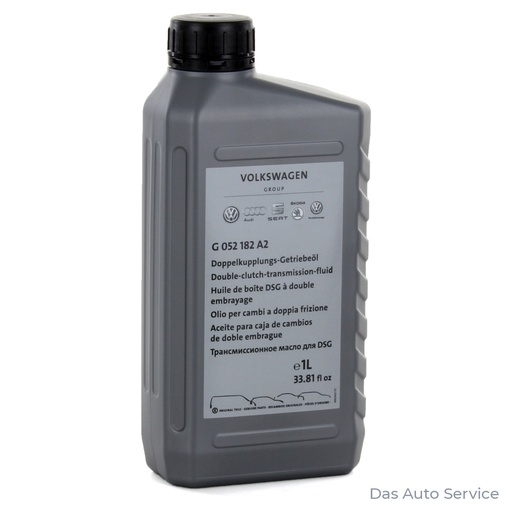
Genuine DSG gearbox oil G052182A2 1l
Genuine gearbox oil for the 6-speed S tronic DQ250 fitted to the 2.0 TDI. Used when servicing the gearbox every 60,000 km, followed by a gearbox adaptation.
View in shop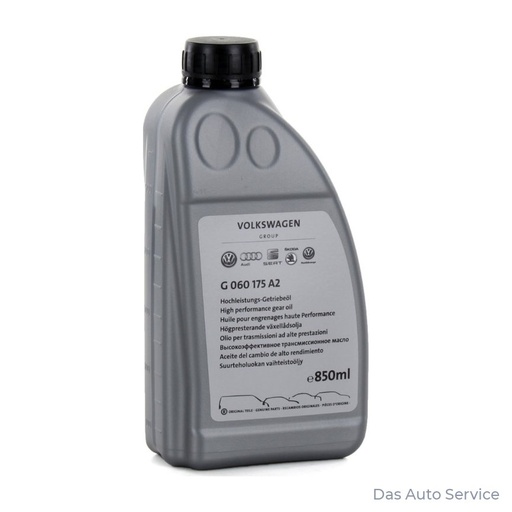
Genuine Haldex oil G060175A2 850ml
Genuine oil for the 5th-generation Haldex coupling. Change it every 30,000 km, together with the separate rear differential oil.
View in shopRead more
- Pre-purchase inspection
- Routine servicing
- Audi A3 8V 2.0 TDI Service Schedule
- Golf 7 Electric Steering Rack Problems
- DSG DQ200 Problems: Jerking and Gearbox Faults
Frequently asked questions
What are the common problems with the Audi A3 8V 2.0 TDI?
On the EA288 engine, we watch out for EGR cooler problems and coolant loss. We also check the S tronic gearbox, DPF and electric steering rack.
Should I choose the Audi A3 8V 1.6 or 2.0 TDI?
I'd choose the 2.0 TDI with the 6-speed S tronic DQ250 over the 1.6 TDI with the DQ200. But the car's condition and service history are what really matter.
Is the Audi A3 8V quattro worth buying?
Yes, provided it's been properly maintained. On the 5th-generation Haldex system, both the coupling oil and the rear differential oil need changing every 30,000 km.
How often should I change the S tronic gearbox oil?
At Das Auto Service, we service all versions of S tronic every 60,000 km using genuine oil. We always carry out a gearbox adaptation after the oil change.