Audi Q4 e-tron servicing – what needs replacing, and when?
"My Audi is electric, so I don't need to take it to a workshop for another two years, right?" I hear this a lot from Audi Q4 e-tron owners. And I can understand why, because the manufacturer does specify an inspection every 2 years, regardless of mileage. But there's a catch! Over those two years on Bulgarian roads, the car goes through two winters of road salt, mud and moisture, and some components suffer precisely because they're hardly ever used. I'll explain what no longer needs servicing, what still does and why an electric car needs regular check-ups too. This Audi Q4 e-tron service schedule will help you understand what needs looking after.
What no longer needs servicing on the Audi Q4 e-tron?
With the Q4 e-tron, almost everything you're familiar with from petrol and diesel cars disappears from the service schedule. The electric motor drives the wheels through a single-speed reduction gearbox. There's no clutch, no DSG and no gear changes. Rear-wheel-drive versions have a motor at the back, while quattro versions have an additional motor at the front. Here's what you no longer need to replace:
- Engine oil and oil filter
- Spark plugs, ignition coils, timing belt kit and drive belts
- Fuel filter, DPF, EGR, AdBlue and exhaust system
- Clutch and automatic gearbox oil
Sounds brilliant, doesn't it? Fewer components, less servicing. But the remaining systems don't suddenly last forever just because you plug the car in. In fact, some need even more attention.
Why does the Audi Q4 e-tron have rear drum brakes?
You buy an Audi and discover it has drum brakes at the back. Your first reaction is probably, "Seriously?" But there's a good reason for it. When you lift off the accelerator, the electric motor can slow the car down and recover energy to recharge the battery. This is called regenerative braking. It means the conventional brakes are used less often, particularly the rear ones, and a brake disc that's hardly ever used starts to rust. A drum is enclosed and better protected from mud and road salt.
But! Moisture can still get trapped inside. After washing the car or leaving it parked in wet, cold conditions, the brake shoes can sometimes stick to the drum. When you pull away, you might hear a cracking noise or notice the brakes grabbing unevenly just before the car comes to a stop. Audi has documented this issue in its technical information. That's why we inspect the rear drums, check the front discs for rust, and clean and lubricate the brake caliper guide pins. If your steering wheel shakes when you brake, have a read of my article about vibration when braking.
Brake fluid doesn't last forever either. It absorbs moisture from the air, even if you hardly ever use the brakes. That's why we replace it every 2 years, just as we do on other cars.
What still needs servicing on the Q4 e-tron?
Coolant
In this car, the coolant isn't there to cool a petrol or diesel engine. It regulates the temperature of the high-voltage battery, charging system and electric motors. And these are some of the most expensive components in the car. We replace the coolant every third heating season and check its protective properties every autumn. Over time, it loses its ability to protect aluminium components against corrosion.
Air conditioning and heat pump
Air conditioning isn't just about keeping you cool in summer. In hot weather and during rapid charging, it also helps cool the battery. Some versions have a heat pump, which heats the cabin in winter while using less electricity. Every spring, we inspect the system and replace the filter-drier and oil. But there's one very important detail.
The compressor is electric, operates at high voltage and uses a special electrically insulating oil. Even a small amount of conventional oil left in a servicing machine from another car can compromise its electrical insulation. So taking your car somewhere just to have the "air con gas topped up" isn't a good idea. You need someone who knows exactly what they're doing.
The 12-volt battery
Yes, an electric car still has a conventional battery. It powers the locks, lights and electronic control modules, and also operates the contactors that bring the main battery online. If it goes flat, you could have a fully charged high-voltage battery but a car that won't unlock or start. That's why we check it at every inspection, especially before winter.
Cabin air filter
We replace it every 10,000 km or once a year, whichever comes first. Just because your car doesn't have an exhaust doesn't mean the air outside is clean. I've explained in detail why you shouldn't put off replacing it in my article about the cabin air filter.
Tyres and suspension
The Q4 e-tron is a heavy car that delivers power the moment you press the accelerator. That takes its toll on the tyres. If the wheel alignment is out, they'll also start wearing unevenly. That's why we inspect the tyres, suspension arms and bushes, and check the reduction gearbox for leaks at every check-up.
High-voltage battery
Diagnostics are essential here. We read the fault codes and check the battery's condition, even when there are no warning lights on the dashboard. Audi provides an 8-year or 160,000 km warranty covering the retention of at least 70% of the battery's capacity. If you're buying a used Q4 e-tron, the battery is exactly where I'd start. See what's included in our pre-purchase inspection.
WARNING! Orange cables carry high voltage. Never work on them or the high-voltage battery at home or in a workshop without trained specialists. One mistake here can be dangerous, and putting it right afterwards can be extremely expensive. Ultimately, it's the owner who has to pay the bill.
How do I prepare my Audi Q4 e-tron for winter?
There are three things I want you to check. First, the 12-volt battery and the coolant's frost protection. Second, the charging socket, because wet snow and sub-zero temperatures can cause moisture around the connector to freeze. The charging cable can then become difficult or impossible to plug in or remove. There's a special protective cover designed to prevent this.
Third, switch on the heating while the car is still plugged into the charger. That way, you use electricity from the mains instead of draining the battery to warm the cabin. And don't be alarmed if your driving range drops in winter. That's normal.
How often should I follow the Audi Q4 e-tron service schedule?
According to the manufacturer's service schedule, inspections are due every 2 years. Personally, I think that's far too infrequent for conditions in Bulgaria. That's why I recommend a check-up every 6 months, including for electric and hybrid vehicles. We don't wait for a fault warning to appear before finding out what's wrong. Here's our service schedule:
- Every 6 months – inspect the brakes, tyres and suspension, check for leaks and carry out diagnostics
- Every 10,000 km or 1 year – replace the cabin air filter
- Every spring – service the air conditioning system
- Every autumn – check the coolant and 12-volt battery
- Every 2 years – replace the brake fluid
- Every third heating season – replace the coolant
If you've previously driven a VW ID.4, most of this will sound familiar. The two cars have similar servicing requirements. I've covered the subject in more detail in my article about VW ID.4 servicing.
Advice from Kris Mladenov: My advice: Regular servicing on the Q4 e-tron protects its most expensive components – the battery, air conditioning compressor and brakes. Don't wait two years just because there's no engine oil to change. Have the car inspected every 6 months and use genuine service parts and fluids. A little care today could save you from major repairs tomorrow.
I hope you've found this article useful! If you have, I'd appreciate it if you shared it with a friend who drives an Audi Q4 e-tron or is thinking of buying one. For me, it's simple – when I know something useful, I want more people to know it too. That way, everyone can take better care of their car.
The solution in our shop
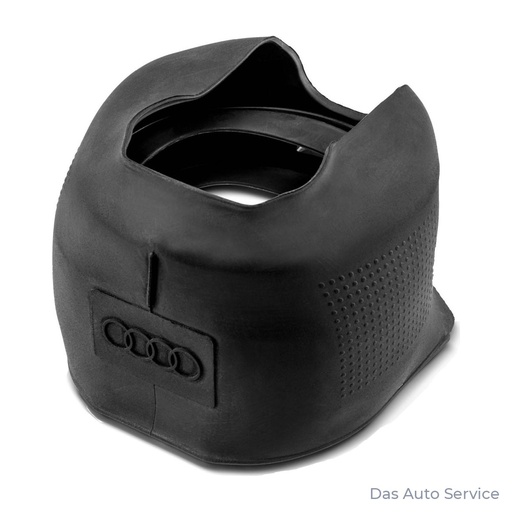
Audi protective cover to prevent the Type 2 charging connector from freezing
Protective cover for the Type 2 charging connector. Protects the connector from moisture and freezing in winter.
View in shop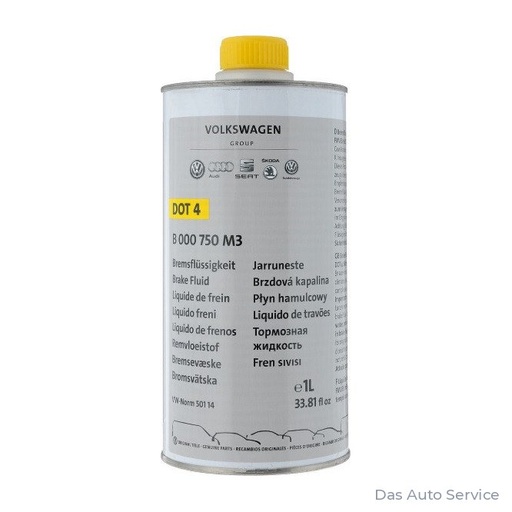
Genuine VAG DOT 4 brake fluid B000750M3 1 l
Genuine DOT 4 brake fluid. We replace it every 2 years, even though the electric car uses regenerative braking.
View in shop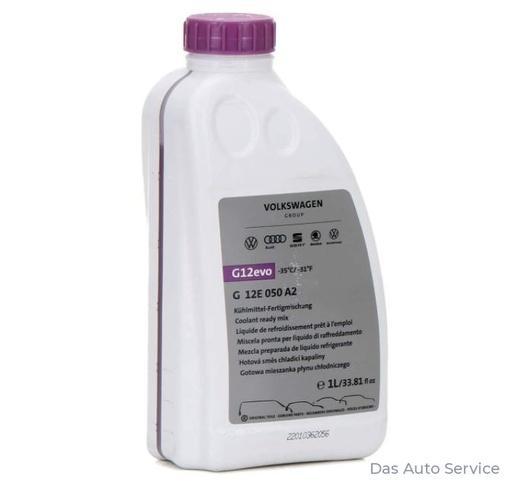
Genuine VAG G12evo coolant G12E050A2 1.0 l
Genuine G12evo coolant. Protects the battery cooling system and electronics against corrosion.
View in shop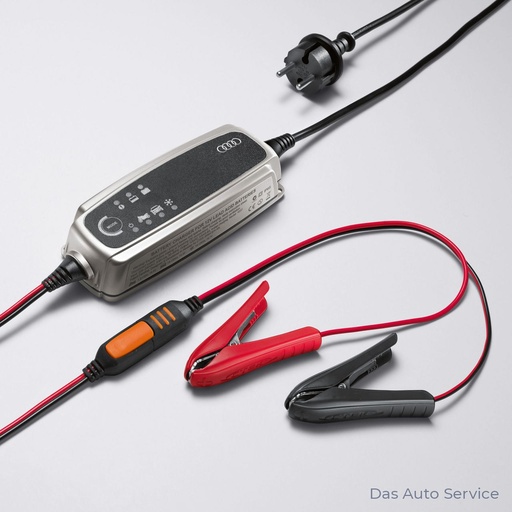
Audi battery charger. Helps keep the 12-volt battery charged when the car is parked for long periods.
View in shopRead more
- Electric and Hybrid Vehicles
- Routine Servicing
- Air Conditioning
- Electric Cars and Servicing: What Needs Maintaining on the VW ID.4?
- Vibration When Braking: Discs, Hubs or Something Else?
- Cabin Air Filter: When to Replace It and What Happens If You Don't
Frequently Asked Questions
How often should an Audi Q4 e-tron be serviced?
Audi specifies an inspection every 2 years, but I recommend a check-up every 6 months. We replace the brake fluid every 2 years and the coolant every third heating season.
Why does the Audi Q4 e-tron have rear drum brakes?
Because of regenerative braking, the rear brakes are rarely used, and conventional brake discs would be prone to rust. Drum brakes are better protected from mud and road salt, but they still need inspecting.
Does the Audi Q4 e-tron need an oil change?
There's no engine oil, but there is oil in the reduction gearbox and air conditioning system. We replace the air conditioning compressor oil every spring, along with the filter-drier.
What is the battery warranty on the Audi Q4 e-tron?
Audi provides an 8-year or 160,000 km warranty covering the retention of at least 70% of the high-voltage battery's capacity.