Thinking about buying a used Audi Q7 3.0 TDI, but worried you might be buying someone else's problems? Search for an Audi Q7 3.0 TDI review and you'll find all sorts of opinions, from "the best family SUV" to "stay well away, it'll bankrupt you". The truth is somewhere in between. The second-generation Q7 (4M), launched in 2015, is a huge, comfortable car with seven seats and plenty of technology. At Das Auto Service, we see both the good and the bad sides of this model. Let me show you what to look out for, because I want you to end up with a lovely car, not somebody else's repair bills.
Who is the Audi Q7 4M right for?
If you've got a big family, spend a lot of time travelling or need something that can tow, the Q7 is definitely worth considering. There's room for everyone, their luggage and all the things that come with a family trip. It's especially good on long journeys. But remember one important thing: you're buying a big, complicated car, even if the second-hand price looks tempting. The maintenance costs are still those of an Audi Q7, not those of a car that originally cost what you're paying for it now.
What's under the bonnet and underneath?
With the second generation, you've got a choice of the 3.0 TDI V6 diesel, producing between 218 and 286 hp, the petrol 3.0 TFSI and plug-in hybrid versions. There's also the SQ7 with its V8 TDI, but that's another story altogether. I'm going to focus on the 3.0 TDI here, because that's the engine most people are looking at when buying a used Q7.
- The 3.0 TDI V6 comes with an 8-speed ZF Tiptronic automatic gearbox. Permanent quattro all-wheel drive takes care of sending power to all four wheels.
- Many Q7s have air suspension. Instead of ordinary springs, it uses air springs that help keep the car at the correct ride height.
- The facelift also brought a 48 V mild-hybrid system. That means more electrical components to check before you buy.
What problems should you look for in an Audi Q7 3.0 TDI review?
AdBlue – why do the warning lights come on?
On the diesel Q7, the AdBlue system is one of the common reasons for warning messages appearing. The pump, heater and NOx sensors are the parts that most often cause trouble. Those NOx sensors measure harmful nitrogen oxides in the exhaust gases. If a seller tells you, "I've cleared the fault codes, so everything's fine", don't be too quick to believe them. Clearing a fault code doesn't mean the problem has been fixed. I want you to know exactly what's wrong before you hand over your money.
Air suspension – why does the Q7 sink overnight?
Imagine parking your Q7 perfectly level in the evening, then coming back in the morning to find one side sitting lower than the other. That's something you really shouldn't ignore. Air suspension makes the Q7 wonderfully comfortable on a journey, but when something starts leaking, the repair isn't something to take lightly. I've explained why air suspension sinksin detail. Have a read before you fall in love with all those extras.
Mild hybrid – what should you check on the 48 V system?
Versions with the 48 V system have a starter-generator as part of the mild-hybrid setup. It's not an ordinary starter motor like you'd find on older cars. That's why, when inspecting one, I want to see what the diagnostics are telling us, not just whether the engine starts. If you're looking at one of these versions, read my guide to the 48 V starter-generatoras well. It'll help you understand exactly what you're buying.
Tiptronic – is the automatic gearbox reliable?
The 8-speed ZF Tiptronic is one of the reasons I like this particular setup. But even a good gearbox needs servicing. If the seller tells you the gearbox oil never needs changing, I'd ask to see the car's service history. Don't wait until the gearbox starts jerking or banging into gear before you give it any attention. I've written a separate guide on ZF 8HP Tiptronic: when to service it.
Timing chains – what happens at high mileage?
On a high-mileage 3.0 TDI, you also need to pay attention to the engine's timing chains. If you hear an unusual rattling noise, don't just accept someone telling you, "All diesels sound like that." You need to find out exactly where the noise is coming from. Replacing the timing chains on this engine is a major job because the engine has to come out. I've explained why in 3.0 TDI: why the engine has to come out for timing chain replacement.
What should you check before buying a used Q7?
This is where I really want you to be careful. A beautiful interior and shiny paintwork can win you over in minutes, but neither tells you what's happening mechanically. Here's where I'd start.
- Run a full diagnostic check on the AdBlue system, air suspension and 48 V system, if the car has one. Don't just read and clear fault codes. Check that everything actually works.
- Leave the car parked overnight. In the morning, check whether it's sitting level before anyone starts the engine or adjusts the suspension height.
- Check the service history with an authorised Audi dealer. I want to see what's been serviced and repaired, not just hear someone promising that everything is perfect.
If you're not sure how to carry out these checks, have a look at our pre-purchase inspectionservice. The idea is simple: first find out what condition the car is really in, then decide whether to buy it. Not the other way round.
How should you service an Audi Q7 4M 3.0 TDI?
Now we come to the really important part. Even if you buy a beautifully maintained Q7, you can ruin it by putting off servicing. I'm not a fan of long service intervals, especially for cars driven in Bulgaria. I'd much rather see you change the oil on time than have to talk to you about a major engine repair later.
- Change the engine oil and all filters – oil, fuel, air and cabin – every 10,000 km or once a year, whichever comes first. That applies regardless of which engine oil you use, including LongLife oil.
- Change the oil in the 8-speed Tiptronic gearbox, transfer case and differentials together every 90,000 km. Always use genuine oil for the gearbox and carry out an adaptation after servicing.
To make it easier to keep track of what needs doing and when, I've put together an Audi Q7 4M 3.0 TDI service schedule. I also recommend having the car checked at the workshop every six months. That gives us a chance to catch a problem before it turns into an expensive repair.
IMPORTANT! An Audi Q7 becomes expensive to maintain when its previous owner has skipped servicing. Before buying, carefully check the air suspension and AdBlue system. Don't leave those questions until after you've paid for the car.
Is a used Audi Q7 4M 3.0 TDI worth buying?
For me, the answer is yes. The Q7 4M 3.0 TDI is one of the best large SUVs worth considering if you want space, comfort and a car that can cover plenty of miles. But there's one big condition: it needs a clear service history and a properly checked mechanical condition. Don't buy the one that looks best in the photos. Buy the one where you know what's already been done and what work is coming up. I'm telling you this as a friend, because if you overlook the problems now, you'll be the one paying for them out of your own pocket later.
Tip from Kris Mladenov: Leave the Q7 parked overnight before your inspection. In the morning, before anyone starts it, check whether it's sitting level. It's a simple test that could reveal an air suspension problem before you've bought the car.
I hope you've found this article helpful! If you have, I'd really appreciate you sharing it with a friend who's thinking about buying a used Audi Q7. My mission is simple: when I know something useful, I want more people to know it too. That way, we can all buy better cars and make fewer expensive mistakes.
The solution in our shop

Genuine Longlife III FE 0W30 oil 5L
Genuine LongLife III oil is an option for servicing the engine, provided it meets the requirements of your particular car. Whatever the LongLife label says, I recommend changing the engine oil and all filters every 10,000 km or once a year, whichever comes first.
View in shop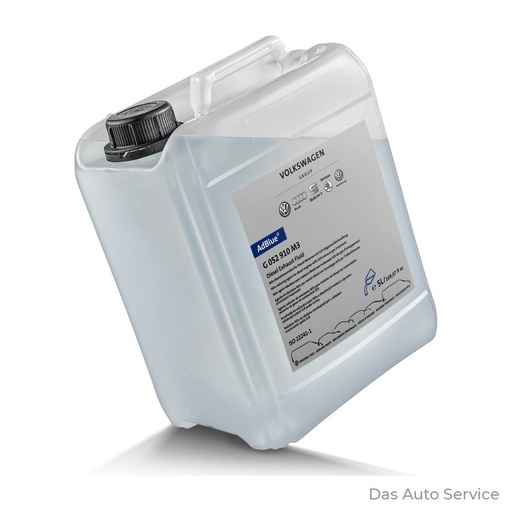
Genuine VAG AdBlue® fluid G052910M4 10l
Genuine AdBlue in a 10-litre container is used to top up the system on diesel versions. Just remember that topping it up won't fix a faulty pump, heater or NOx sensor.
View in shopRead more
- Pre-purchase inspection
- Routine servicing
- Audi Q7 4M 3.0 TDI service schedule
- Audi Air Suspension Problems: Why Does It Sag?
- Audi 48V Mild Hybrid Problems: A6, A7, A8 and Q7
- ZF 8HP Tiptronic Oil Change: When Is It Due?
Frequently asked questions
What are the most common problems with the Audi Q7 4M?
On diesel versions, I pay particular attention to the AdBlue system, air suspension, timing chains on high-mileage cars and the 48 V system on versions fitted with it. All of these need checking before you buy.
How long does an Audi Q7 3.0 TDI last?
There's no honest way to answer that with a single mileage figure. A lot depends on servicing, the car's genuine mileage and how well it's been looked after. For me, a proper service history matters far more than the seller's promises.
Audi Q7 4M or VW Touareg?
If you need seven seats and a large family car, the Q7 is definitely worth serious consideration. But if I were choosing between two used cars, I'd go for the one with the better service history and mechanical condition, not the one with the most impressive extras.
How often should you change the Tiptronic gearbox oil on a Q7?
At Das Auto Service, we service the 8-speed Tiptronic every 90,000 km, together with the transfer case and differentials. We use genuine oil and always carry out a gearbox adaptation after servicing.