In the photo, you can see an Audi RS up on the ramp while we're changing its gearbox oil. There's something I want you to understand – this isn't a job you rush. An RS gearbox has a serious amount of power to handle, and one mistake with the oil or its level could cost you a fortune. And when that repair bill arrives, it's coming out of your pocket, not the workshop's. So let me show you exactly how we do it, step by step.
Which gearbox does your Audi RS have?
- RS3 and TT RS — seven-speed S tronic with a wet dual clutch.
- B8-generation RS4 and RS5 — seven-speed S tronic 0B5 with two separate oils.
- RS6 and RS7 from the C7 generation onwards, along with newer RS4 and RS5 models — eight-speed Tiptronic.
Each of these gearboxes needs its own specific oil, has its own servicing procedure and its own oil change interval. That's why, before we even touch the car, we check exactly which gearbox is fitted. There's no room for guesswork here.
How do we carry out an Audi RS gearbox oil change?
- First, we run a diagnostic check. We look for fault codes and check the clutch readings and gearbox oil temperature.
- We put the car on the ramp and make sure it's perfectly level. Otherwise, there's no way to measure the oil level accurately.
- We drain the old oil and inspect the magnets for metal particles.
- We replace the filter, seals and plugs.
- We fill the gearbox with fresh genuine oil using a special filling tool.
- We monitor the oil temperature through the diagnostic equipment and check the level within the exact temperature range specified by the manufacturer.
- We carry out a gearbox adaptation. This step is essential after every service.
- We take the car for a test drive, then check it once more for leaks.
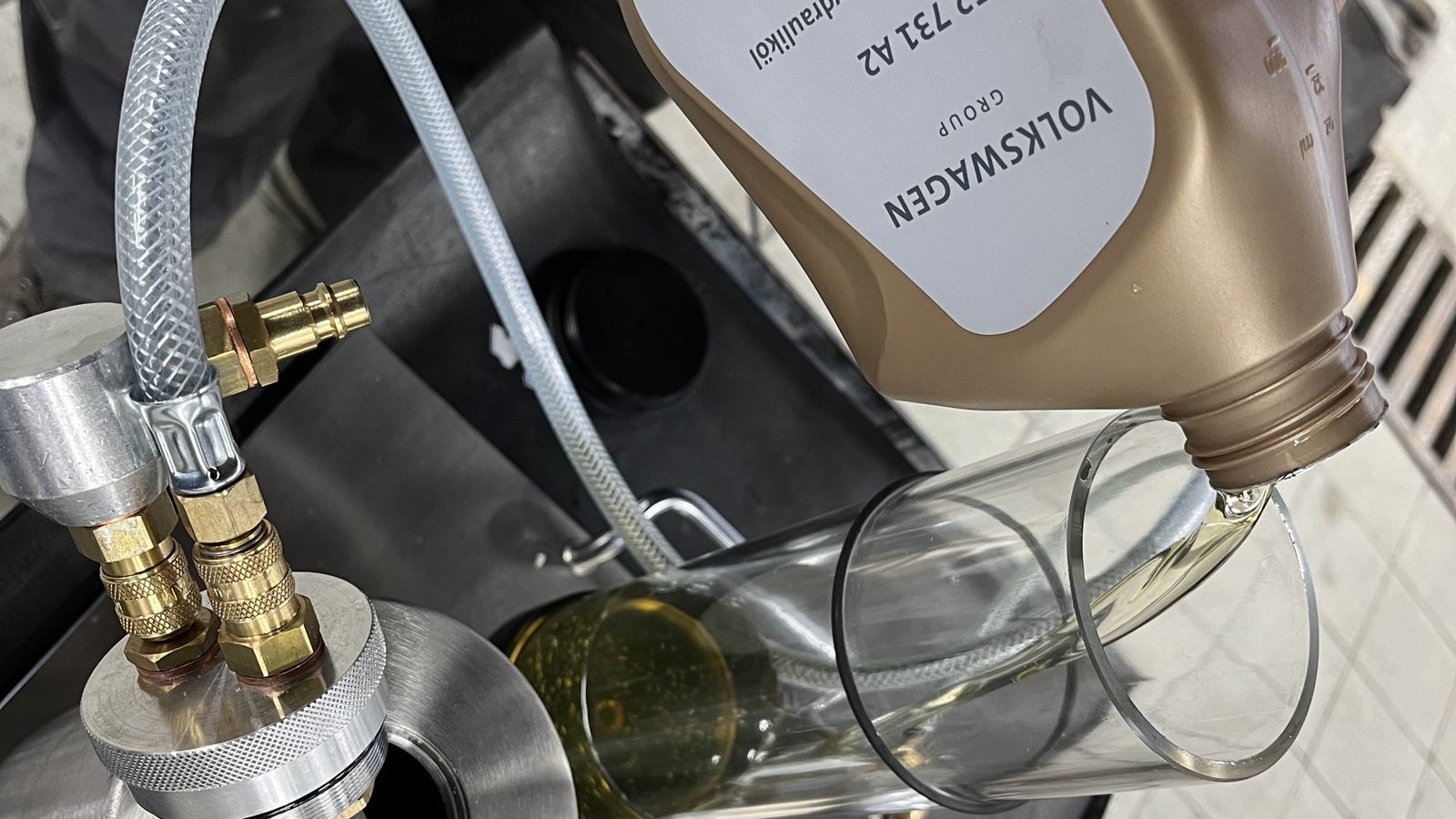
Why is gearbox oil temperature so important?
Because oil expands as it warms up. If you check the level when the gearbox is cold, you risk leaving either too much or too little oil inside. Neither is good. Too little oil and the clutches overheat. Too much and the oil starts to foam. That's why we monitor the temperature through the diagnostic equipment and only measure the level within the correct range. No guessing.
Don't let anyone change the gearbox oil in your RS using a flushing machine without checking the level at the correct temperature afterwards and carrying out an adaptation. I'm telling you this because skipping just one of those steps could leave you facing an expensive repair. And you'll be the one paying for it, not the workshop.
A tip from Kris Mladenov: If you take your RS on track or regularly pull away hard, don't wait for the standard gearbox oil change interval. That kind of driving makes the gearbox run at significantly higher temperatures, so it's worth servicing it more often.
If you drive an Audi RS and can't remember when the gearbox oil was last changed, bring it to Das Auto Service. We'll check exactly which gearbox you've got and service it properly. Because I don't want one missed step today to turn into an expensive repair for you tomorrow.
The solution in our shop
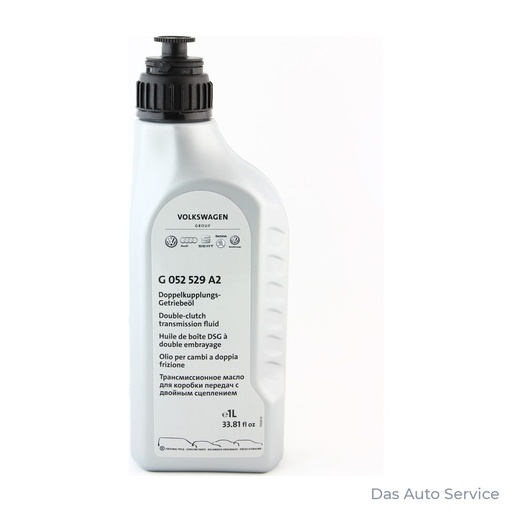
Genuine S-Tronic dual-clutch gearbox oil G052529A2 1l
The genuine S tronic oil we use in wet-clutch gearboxes.
View in our shop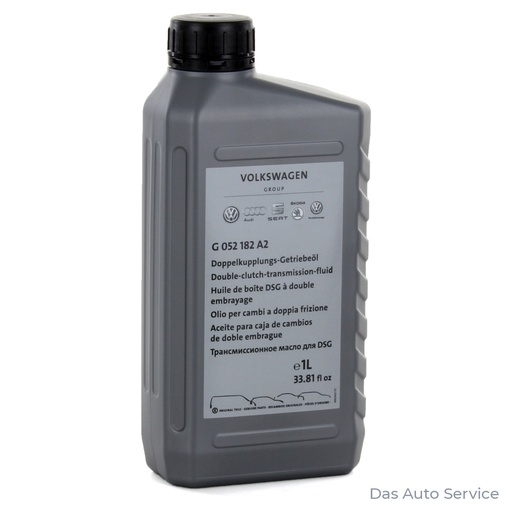
Genuine DSG gearbox oil G052182A2 1l
The genuine DSG gearbox oil we use when servicing the RS3 and TT RS.
View in our shop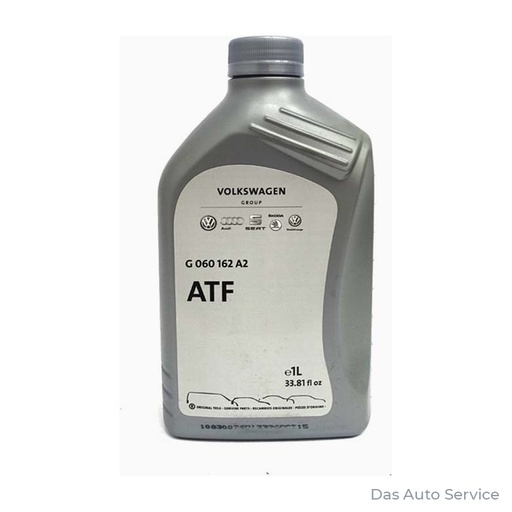
Genuine automatic transmission oil 1L
The genuine transmission oil for the automatic Tiptronic gearboxes in the RS6 and RS7.
View in our shopRead more
- Gearbox servicing
- Diagnostics at Das Auto Service
- S-tronic 0B5 (DL501): mechatronic unit, clutch and two oils
- The 2.5 TFSI five-cylinder engine in the RS3 and TT RS: what it needs
- Automatic gearbox servicing with a genuine kit: what's inside?
- Manual gearbox oil: does it really never need changing?
- Wet-clutch DSG DQ381 and DQ500: when should you change the oil?
Frequently asked questions
How often should you change the gearbox oil in an Audi RS?
It depends on which gearbox your RS has. For a wet-clutch S tronic, the interval is 60,000 km. For the Tiptronic in S and RS models, it's 80,000 km. But if you enjoy driving a bit harder, I'd advise you not to wait that long.
Why do we carry out a gearbox adaptation after changing the oil?
Because the gearbox needs to learn how to work with the fresh oil. Skip the adaptation and you might end up with harsh gear changes, jolts or jerking. And that's the last thing we want.
Can you change the gearbox oil using a flushing machine?
I wouldn't recommend it. At our workshop, we change the oil following the manufacturer's procedure and always check the level at the correct temperature. That way, we know the job has been done properly.