The repair's done, your car's been washed and it's waiting for you outside the workshop. But hang on! Before I hand you the keys, there are a few more things I always want us to check. You won't see them listed separately on your invoice, but these car checks after a repair are exactly what help us make sure you won't be coming back with the same problem.
What car checks do we carry out after a repair?
- Bolt tightening — we go over the bolts on the parts we've worked on with a torque wrench, making sure every one is tightened to the exact specified torque.
- Fluid levels — we check the engine oil, coolant, brake fluid and screenwash.
- Leaks — we put the car back on the ramp and carefully inspect the areas we've worked on.
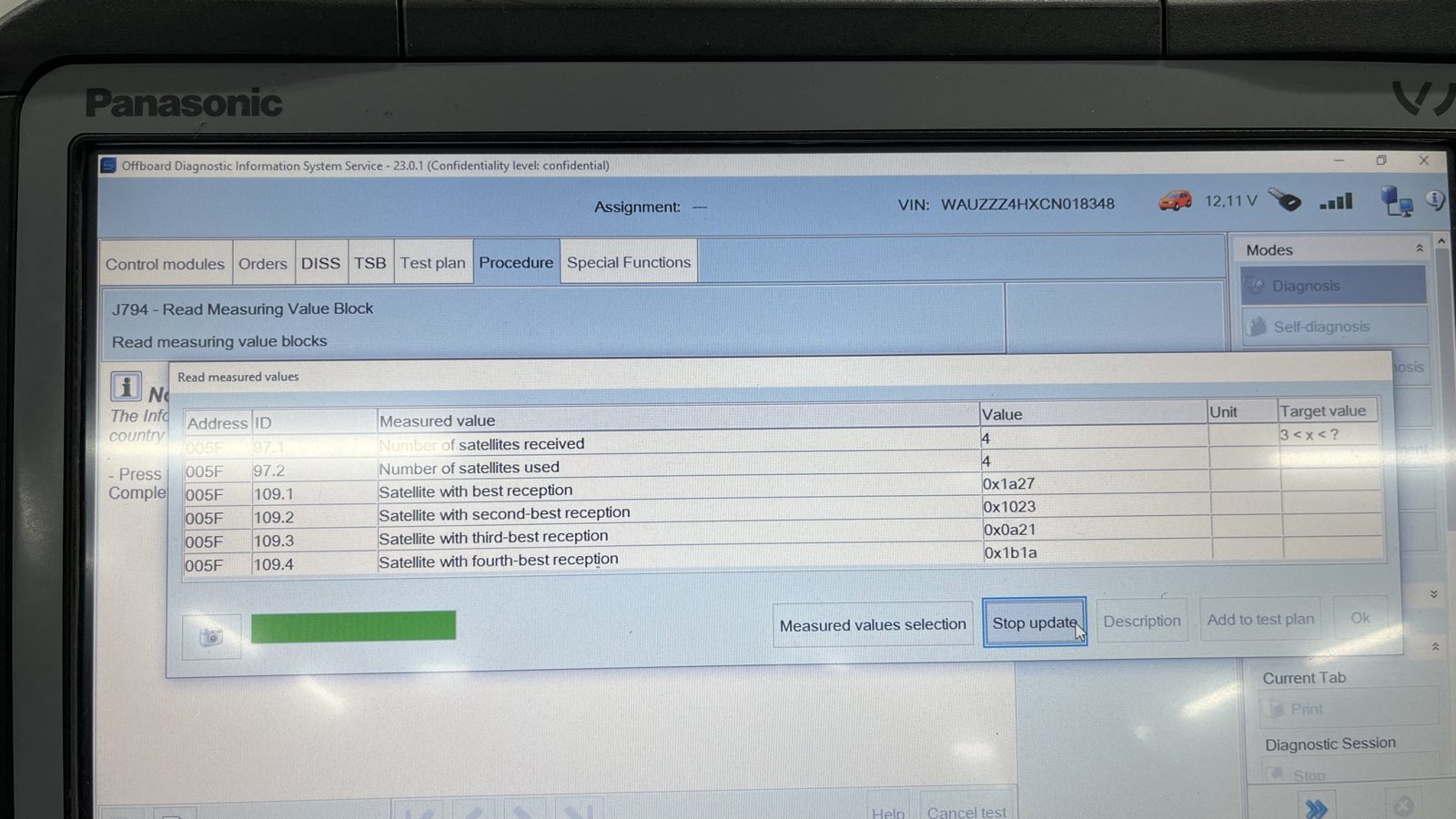
- Fault codes — we run a diagnostic scan of every control module. We only clear the fault codes we're certain are related to the repair.
- Adaptations — if we've worked on the gearbox, throttle body, brakes or suspension, we carry out the necessary basic settings.
- Test drive — we take the car out on the road to make sure the original problem has gone and listen out for any new noises.
What do we show you when you collect your car?
First, the old parts. I want you to see for yourself what we've replaced and why. We'll talk you through exactly what we've done and what to keep an eye on over the next few days. And if we've spotted something else during the repair that might need attention soon, we'll tell you. But we won't go ahead and fix it without your permission.
What should you see on your invoice?
- Which parts we've fitted, including their part numbers.
- Which fluids we've used and the specifications they meet.
- The car's mileage.
- The warranty terms and conditions.
If you hear an unfamiliar noise, a warning light comes on or you spot a leak after the repair, call us straight away. Don't wait for it to turn into something more serious.
What should you watch out for in the first few days after a repair?
If we've replaced the brakes or clutch, take it a little easier for the first few miles while the new parts bed in. If we've done any work on the engine, keep an eye on the oil and coolant levels. And if anything worries you, give me a call. I'd much rather you rang me over nothing than have us miss a problem.
A tip from Kris Mladenov: Always ask to see the old parts. It's the simplest way to see for yourself exactly what's been replaced on your car.
If you're curious about how we work at Das Auto Service, come and have a look. We'll show you everything, from the diagnostic checks right through to the moment we hand your keys back. As far as I'm concerned, a repair doesn't end when we've fitted the new part. It ends when we've checked the car and know everything's right.
Read more
- Car diagnostics at Das Auto Service
- Routine car servicing at Das Auto Service
- Car repair warranty: what's covered and what isn't
- How to choose a VAG specialist: what to ask
- Torque wrenches: why we tighten everything to the correct torque
Frequently asked questions
Can I see the old parts?
Of course. Always. We'll show you the old parts when you collect your car.
What should I do if a warning light comes on after the repair?
Give us a call and bring the car back so we can take a look. Just don't clear the fault code before we've checked what caused it.
Why do you need to test-drive the car after a repair?
Because we want to be sure the problem is actually fixed and there are no new noises or fault codes. A diagnostic scan in the workshop alone can't tell us everything.