"The gearbox is jerking, PRNDS is flashing and I've been told I need a whole new DSG." I hear stories like this all the time, and what annoys me most is when someone has already written off the gearbox without checking what's actually wrong with it. The DSG DQ250 was the VW Group's first DSG and remains one of the best automatic gearboxes they've ever made. You'll find it in the Golf 5 and 6 GTI and TDI, Passat B6 and B7, Škoda Octavia 2, Tiguan 1 and Audi A3 8P, where it's called S tronic. This gearbox can last hundreds of thousands of kilometres if you know how to look after it. That's exactly what I'll explain in this DSG DQ250 service guide: how it works, what goes wrong, when to change the oil and why every little jerk doesn't mean an expensive repair.
What is the DSG DQ250 and how does it work?
The DQ250 is a 6-speed automatic gearbox with two clutches. Imagine two manual gearboxes combined into one, except instead of you pressing the clutch pedal and changing gears, everything happens automatically. One clutch handles one set of gears, while the other handles the rest. This allows the gearbox to prepare the next gear while you're still driving in the current one. That's why it changes gear so quickly.
- Six gears and two wet multi-plate clutches. "Wet" means they run in oil, which keeps them cool and helps them cope with the load.
- One oil supply for the clutches, gears and mechatronic unit. This is particularly important because the same oil that lubricates the mechanical parts also works in the gearbox control system.
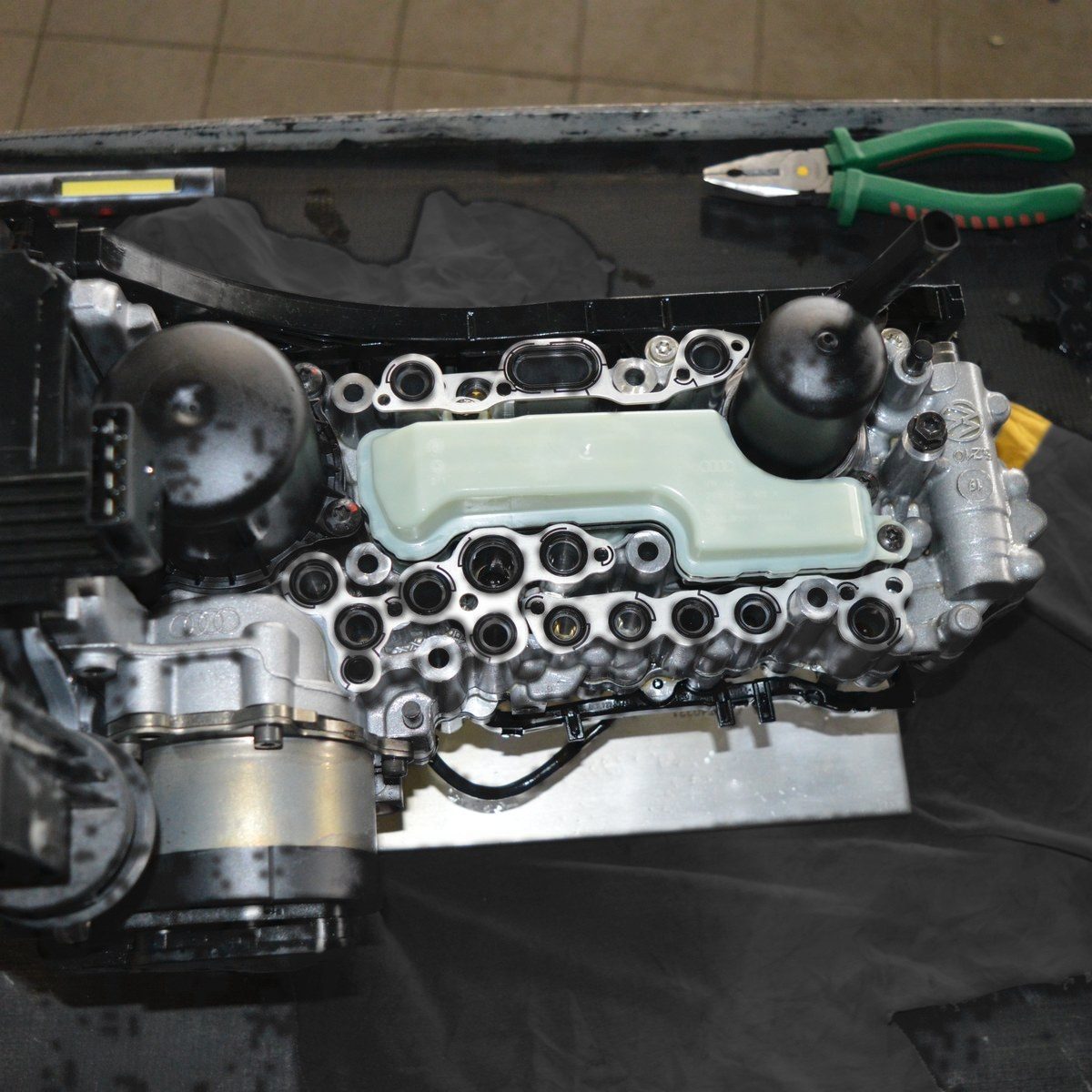
- The mechatronic unit is the brain of the DSG. It contains valves, sensors and electronics that control when and how each gear engages.
This is where the DQ250 differs so much from a normal manual gearbox. It's not enough for the gears themselves to be in good condition. The clutches and mechatronic unit must work properly, and the oil must be clean. If any of these starts causing trouble, you'll feel it when driving. Sometimes it's a slight jerk. Other times, it's a serious thump when the gearbox changes gear.
Which cars use the DSG DQ250?
The DQ250 is mainly fitted to more powerful models with transverse engines, meaning the engine sits across the car. It appeared in the mid-2000s and was used in many cars until around 2016. This isn't some rare gearbox that nobody knows anything about. Quite the opposite. It's one of the best-known DSG gearboxes, which makes it even more important to tell genuine faults apart from incorrect diagnoses.
- VW Golf 5 and Golf 6, including GTI and TDI versions.
- VW Passat B6 and Passat B7.
- VW Tiguan 1 and VW Touran.
- Škoda Octavia 2.
- Audi A3 8P, where the gearbox is called S tronic.
- SEAT Leon 2.
If you drive one of these cars, don't automatically assume you've got a DQ250. It was fitted to certain versions and engines. You need to know exactly which gearbox your car has before ordering parts or arranging a service. Because DSG isn't one single gearbox. It's a whole family of them.
What are the common problems with the DSG DQ250?
Now we get to the interesting part. The DQ250 is a tough gearbox, but it isn't indestructible. There are three main areas worth watching: the mechatronic unit, the clutches and the dual-mass flywheel. The problem is that their symptoms can sometimes be very similar. And if someone rushes the diagnosis, you could end up replacing a perfectly good part while the car carries on jerking just as before.
How can I tell if the mechatronic unit is faulty?
The mechatronic unit is the gearbox's brain. It controls gear selection and clutch operation. When it starts going wrong, you might see PRNDS flashing on the dashboard, lose either the even or odd gears, or find the gearbox has gone into limp mode. Suddenly, the car stops behaving normally. But that doesn't mean you should rush out and buy a new mechatronic unit.
At Das Auto Service, we first test the mechatronic unit on the bench before deciding whether it needs replacing. That's the difference between proper diagnostics and guesswork. I'm not a fan of the "let's replace it and see what happens" approach. If you'd like to know more, read DQ250: when the mechatronic unit fails and what to do.
How can I tell if the clutches are worn?
When the clutches start wearing out, the gearbox may jerk when changing from first to second gear. Another common sign is clutch slip under acceleration. It's an unpleasant feeling because you expect the car to accelerate smoothly, but instead something feels wrong with how the power reaches the wheels. But! Not every jerk means the clutches are worn. First, you need to find out what's actually causing the problem.
If you're curious about what everything looks like inside, I've shown the dual clutch up close and what a worn one looks like. Once you've seen the actual parts, it's much easier to understand what's happening inside the gearbox.
Why does the dual-mass flywheel rattle?
The dual-mass flywheel is another part that often confuses owners. If you hear rattling at idle or feel vibrations when pulling away, the flywheel could be responsible. Not the mechatronic unit or the clutches. That's why I always say you need to find out exactly where a noise is coming from before taking anything apart. Otherwise, you could repair the gearbox and still have exactly the same rattle afterwards.
How and when should I service my DSG DQ250?
The answer is simple. Change the oil and filter every 60,000 km, using genuine parts and oil. Don't wait for the gearbox to start jerking. Don't wait for a warning light on the dashboard. And don't assume everything is fine just because the gear changes feel smooth. In the DQ250, the oil works in the clutches, gears and mechatronic unit at the same time. That's why clean oil matters so much. It's not just something we pour in to keep the moving parts lubricated.
- Every 60,000 km – change the gearbox oil and filter using genuine oil.
- After every service – clutch adaptation is essential to make sure the clutches operate correctly.
- No flushing machines. The service needs to be done properly, not turned into an experiment.
Clutch adaptation isn't some optional extra you can skip. It's part of the service. The gearbox needs to adjust how the clutches operate after the oil change. That's why we always do it at Das Auto Service. Simply changing the oil doesn't mean the service is finished.
I wrote about the correct service interval for this gearbox back in 2019. You can also read how often you should service your 6-speed DSG gearbox. My advice hasn't changed. Regular servicing makes far more sense than waiting for the first signs of trouble.
WARNING! Old oil in a DQ250 can destroy the mechatronic unit. Skipping an oil change could end up costing you far more than regular servicing. Don't wait until the gearbox starts jerking before you remember the oil needs changing.
Is the DSG DQ250 reliable and worth having?
Yes, absolutely. In my opinion, the DQ250 is one of the most durable DSG gearboxes the VW Group has ever produced. It can cover hundreds of thousands of kilometres when the oil is changed on time and the clutches are adapted correctly. That doesn't mean it'll never break down. It means there's no reason to be afraid of it just because it's a DSG.
The biggest mistake is judging a gearbox purely by how smoothly it changes gear today. A car might drive perfectly well, but nobody knows when the gearbox was last serviced. Equally, a gearbox that jerks doesn't necessarily need replacing. You need a proper diagnosis, not a verdict over the phone. Especially when we're talking about the mechatronic unit, clutches and flywheel, which can all cause similar symptoms.
Tip from Kris Mladenov: If you're buying a car with a DQ250, the first thing I'd ask is when the gearbox oil was last changed. If nobody knows and there's no service history, change it straight away using genuine oil and a new filter, then carry out the clutch adaptation. Don't wait for the gearbox to start jerking. This gearbox responds much better to being serviced on time than being repaired after something goes wrong.
I hope you've found this article useful! If you have, I'd be happy if you shared it with a friend who drives a car with a DSG DQ250 or is thinking about buying one. My mission has always been simple: when I know something, I want more people to know it too. Because the more you understand your car, the harder it is for someone to convince you to replace perfectly good parts.
The solution in our shop
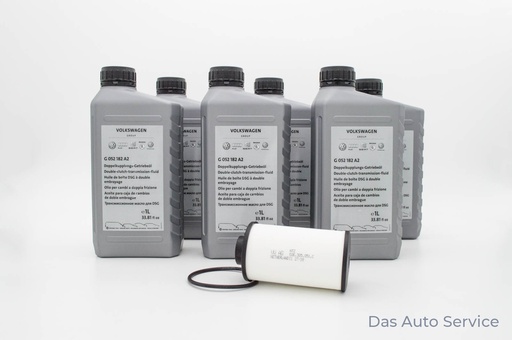
Genuine service kit for the 6-speed DSG DQ250, including oil, filter and seals. These are the parts and fluids needed for a proper service.
View in shopGenuine service kit for the 6-speed DSG DQ250, including oil, filter and seals. These are the parts and fluids needed for a proper service.
View in shop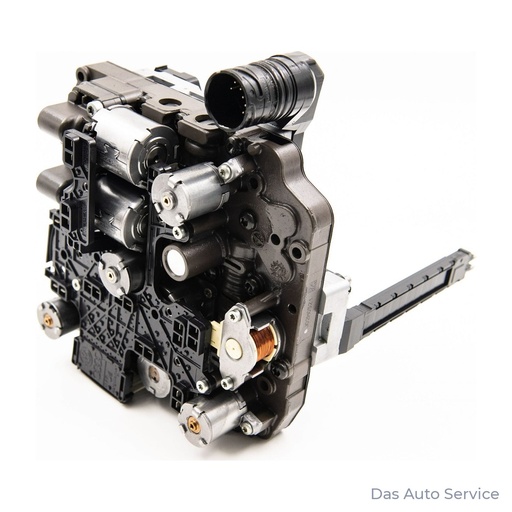
Mechatronic unit for the 6-speed DSG. When testing confirms that replacement is unavoidable, this is the unit responsible for controlling the gearbox.
View in shopRead more
- DSG and S tronic gearbox repair
- Gearbox servicing
- 6-Speed DSG Oil Change Interval: When to Service It
- DSG DQ250 Mechatronic Problems: Signs and Causes
- DSG Clutch Wear: Signs, Causes and Replacement
Frequently asked questions
When should I change the oil in a DSG DQ250?
Every 60,000 km, using genuine oil and a new filter. Clutch adaptation must always be carried out after the oil change.
How many kilometres can a DSG DQ250 last?
The DQ250 can last hundreds of thousands of kilometres if it's serviced properly. Regular oil changes and correct clutch adaptation are the most important things.
What are the signs of a faulty DQ250 mechatronic unit?
Flashing PRNDS, loss of either the even or odd gears, and the gearbox going into limp mode. The mechatronic unit should be tested before replacement because not every gear-changing problem is caused by it.
Is clutch adaptation necessary after a DQ250 oil change?
Yes, always. Clutch adaptation is an essential part of the service, not something you only do when the gearbox starts jerking.