"My EPC light is on – can I still drive?" I hear this question almost every day at the workshop. The yellow EPC warning light comes on in the dashboard, sometimes the car loses power, and you immediately start thinking the worst. The truth is, the EPC light can come on because of something as simple as a faulty brake light switch, but it can also mean there's a problem with the engine management system. That's exactly why I don't like diagnoses along the lines of "EPC light on, so let's replace the throttle body". First, we need to find out why the light is on. Then we can decide what actually needs repairing.
What does the EPC light on VW and Audi mean?
EPC stands for Electronic Power Control. In simple terms, it's the system that monitors what you're asking the engine to do and how the engine responds. You press the accelerator, the computer receives a signal, controls the throttle valve and decides how the engine should respond. If something goes wrong anywhere along the way, the EPC light may come on.
The yellow colour isn't there by accident. It means "warning", not necessarily "stop immediately". But! If the computer decides it can no longer control the engine properly, it may put the car into limp mode. That's when you press the accelerator and the car doesn't pull like it used to. It doesn't automatically mean you're facing a major repair. It means the system has detected a problem and is limiting engine performance to protect it.
Can I drive with the EPC light on?
It depends on how the car is behaving. If the EPC light is yellow, the engine is running normally and you have no other symptoms, you can carefully drive to a workshop. I wouldn't recommend carrying on with your normal driving and waiting for the light to go out on its own. It's come on for a reason, and we need to find out what that reason is.
But if the car has lost power, keeps stalling or the EPC light comes on together with a red warning light, pull over somewhere safe. Don't try to make up for the lack of power by pressing the accelerator harder. There's an important difference between a car that's running normally with a yellow warning light on and an engine that's already showing signs of trouble. In the second case, don't continue driving.
What are the most common causes of the EPC light coming on?
Now this is where it gets interesting. The same warning light can come on for completely different faults. So when someone asks me, "My EPC light is on. What should I replace?", my answer is simple: nothing yet. Let's see what the car is telling us first. Here are the possible causes we need to check.
- Brake light switch. This is a classic problem on VW models. It's a small switch that sends a signal when you press the brake pedal. If it isn't working properly, the EPC light may come on, and sometimes the brake lights themselves stop working. A small part, but an important one.
- Throttle body. This controls how much air enters the engine. If it's dirty or its sensor is faulty, the computer may detect a problem and switch on the EPC light.
- Accelerator pedal sensor. When you press the accelerator, this sensor tells the computer how much power you're asking for. If the signal is incorrect, the engine may not respond normally.
- Ignition coils and spark plugs on petrol engines. When there's a misfire, meaning the fuel isn't burning properly in one of the cylinders, the engine may start running unevenly and the EPC light can come on.
- Mass airflow sensor and crankshaft and camshaft sensors. The mass airflow sensor measures the air entering the engine, while the other sensors help the computer monitor how the engine is running. An incorrect signal from any of them can also trigger the EPC light.
See how different those causes are? Everything from a brake light switch to a sensor monitoring the engine. Yet the warning light is exactly the same. That's why replacing parts based on a guess isn't diagnostics. It's just guesswork.
What do we check at the workshop when the EPC light is on?
At Das Auto Service, we start with diagnostics, not ordering parts. The car's computer stores fault codes, but a fault code doesn't always tell us exactly which part has failed. It points us in the right direction. We then need to check whether we've actually found the cause.
- First, we read the fault codes from every control module in the car, not just the engine. This lets us see whether any other faults have been recorded that might help explain what's happening.
- Next, we look at the live data, also known as measuring blocks. These are the readings the car provides in real time, such as throttle valve position, accelerator pedal signal and sensor readings. We compare what should be happening with what the computer is actually reporting.
- We check the brake lights and their switch. It's a simple check that shouldn't be overlooked just because the problem appears to be engine-related.
- Only once we've identified the cause do we replace a part. Not before. Otherwise, we risk replacing something that's working perfectly well, only to find that the EPC light is still on.
If you'd like to understand exactly how we read data from a car, I've explained it in detail in my article about car diagnostics and what measuring blocks tell us. You'll see why reading a fault code is only the beginning, not a complete diagnosis.
WARNING! Clearing a fault code is not a repair. You can switch off the warning light with a diagnostic tool, but if you haven't fixed the cause, the EPC light may come back on. Just because the light has disappeared doesn't mean the problem has been solved.
Which dashboard warning lights are more serious than EPC?
Not all dashboard warning lights mean the same thing. A yellow EPC light usually warns you about a problem that needs checking, while a red warning light needs much more urgent attention. It's important to look at how the car is behaving, not just the colour of the light. If you're not sure when it's safe to carry on driving and when you need to stop, read my article about which dashboard warning lights are dangerous and which can wait. It's something every driver should know.
Tip from Kris Mladenov: When the EPC light comes on, first check whether your brake lights are working. You can do this yourself in a minute, and it might point you towards one of the cheapest possible causes – the brake light switch. If the brake lights are working, that doesn't mean everything is fine. The next step is diagnostics, not blindly replacing parts.
I hope you've found this article useful! If you have, I'd be happy if you shared it with a friend who drives a VW or Audi. My mission is simple: when I know something, I want more people to know it too. Because the more you understand your car, the harder it is for someone to convince you to pay for a repair you don't actually need.
The solution in our shop

Genuine Longlife III FE 0W30 oil 5L
LongLife III engine oil for regular engine servicing. Regardless of whether you use LongLife oil, for cars driven in Bulgaria I recommend changing the engine oil and all filters (oil, fuel, air and cabin) every 10,000 km or once a year, whichever comes first.
View in shop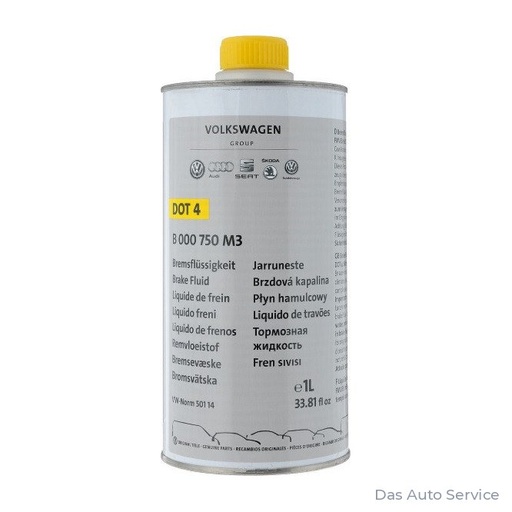
Genuine Audi/Volkswagen DOT 4 brake fluid B000750M3 1l
Genuine DOT 4 brake fluid for brake system servicing. I recommend changing the brake fluid every 2 years.
View in shopRead more
- Diagnostics
- Dashboard Warning Lights Meaning: Which Are Dangerous?
- VAG Live Data Diagnostics: What the Readings Reveal
Frequently asked questions
What does EPC mean on the dashboard?
EPC stands for Electronic Power Control. The warning light means the computer has detected a problem with the engine management system.
Can I drive with the EPC light on?
If the car is running normally and there are no other warnings, you can carefully drive to a workshop. If the car has lost power, keeps stalling or a red warning light also comes on, pull over somewhere safe.
Can a faulty brake light switch trigger the EPC light?
Yes, especially on VW models. A faulty brake light switch is one possible cause of the EPC light coming on, and sometimes the brake lights stop working too.
Will the EPC light go out if I clear the fault code?
The light may go out, but that doesn't mean you've fixed the problem. If the underlying cause is still there, the EPC light may come back on.