If you've been looking at a used Volkswagen Golf 7 (5G), built between 2012 and 2020, I bet you've already searched for a Golf 7 2.0 TDI review. People often ask me whether the 150 hp 2.0 TDI is a better choice than the 1.6 TDI. Personally, I'd choose the 2.0. It pulls harder, feels right at home on the motorway and still gives you lovely fuel economy. But! This engine has its weak points too, and they can take the shine off owning one. So I want to tell you what we see at Das Auto Service, what you should check before handing over your money and how to look after your Golf so it keeps you happy for years.
Who is the Golf 7 2.0 TDI right for?
If you cover a lot of miles, regularly drive on the motorway and want a car that still pulls strongly with a full boot and everyone on board, the Golf 7 2.0 TDI could be just what you need. You won't constantly be wondering whether you've got enough power to overtake. If you've been driving a 1.6 TDI until now, you'll feel the difference straight away. And the best bit? You get that extra pulling power without having to worry about high fuel consumption.
If you fancy a Golf that's even more fun to drive, have a look at the 184 hp GTD. It's livelier, doesn't use much fuel and is a lovely choice if you enjoy driving. But remember something, my friend. Just because a car goes well doesn't mean you can skip its servicing. However much you love driving it, I'd rather know how well it's been maintained than what badge it wears on the boot.
Which engines and gearboxes does the Golf 7 2.0 TDI have?
With the Golf 7, we're talking about the EA288 diesel engine, and I'll focus on its two main versions. Both have their advantages, but when you're buying used, I'd check how the car has been serviced before worrying about how much horsepower it's got. The same goes for the gearbox. Believe me, I'd much rather have a well-maintained Golf than a shiny advert hiding a whole load of problems.
- 2.0 TDI EA288 – 150 hp (110 kW). The most common version. Plenty of pulling power, low fuel consumption and a great everyday engine.
- Golf GTD – 184 hp. For you if you enjoy a more spirited drive but still want good fuel economy.
- Gearboxes – 6-speed manual, 6-speed DSG DQ250 and, on newer cars, 7-speed DSG DQ381. Both DSG gearboxes use wet clutches.
What problems do we see with the Golf 7 2.0 TDI?
The EA288 is a good engine, but it isn't indestructible. We see Golfs with all sorts of mileages and service histories, and there are a few things I always check. I want you to know about them too. If something rattles, smokes or behaves strangely, don't immediately tell yourself, "That's probably normal." Sometimes that little symptom the owner has been ignoring for months tells us more about the car's condition than anything else.
The EGR cooler
This is one of the known weak points of the 2.0 TDI EA288. The coolant level starts dropping, sometimes there's white smoke from the exhaust, and you might notice a smell of coolant. Plenty of people simply top it up and carry on because the Golf still drives normally. But! Coolant shouldn't keep disappearing. You need to find out where it's going, not get used to topping it up. If I were buying one of these Golfs, the EGR cooler would be one of the first things I'd check.
The DPF – diesel particulate filter
A diesel Golf likes being driven properly, not just doing a few kilometres around town every day. With that sort of use, the DPF, the filter that traps soot, can become clogged and start causing trouble. If the car has spent most of its life doing short urban journeys, make sure the DPF is checked with diagnostic equipment. And don't relax just because the seller says, "There are no warning lights on the dashboard." I want you to know what condition the filter is actually in, not rely on someone's promises. Because if it goes wrong afterwards, you're the one paying the repair bill.
The DSG gearbox – DQ250 and DQ381
Both gearboxes can cover plenty of miles if you service them properly and on time. The trouble is that quite a few owners only remember the gearbox needs oil when the DSG starts banging into gear or jerking during shifts. By then, we're no longer talking about preventative maintenance. At Das Auto Service, we change the oil in every DSG version every 60,000 km, use genuine oil and always carry out an adaptation afterwards. If you'd like to know more, have a read about when the DQ250 mechatronic unit fails and when to change the oil in the DSG DQ381 and DQ500.
The dual-mass flywheel and timing belt
If the engine rattles at idle, pay attention to the dual-mass flywheel, or simply the dual-mass, as we call it in the workshop. Don't assume every rattle is "normal for a diesel", especially when you don't know the car's history. The other important thing is the timing belt. We replace the belt together with the water pump, following the manufacturer's instructions. With both of these, I'd much rather check their condition than guess and hope everything is fine.
What should I check before buying a Golf 7 2.0 TDI?
If I were buying a used Golf 7, I wouldn't trust a few nice photos, a quick spin around the block and the seller's word. Especially if it's been a company car and could have covered some serious mileage. I'd want to see the condition of the important systems and whether the service history matches what the car is actually telling us. Because it's your money on the line. Here's what I'd check before getting my wallet out.
- Check the coolant level and colour. If the level is low or anything looks suspicious, find out why before deciding whether to buy.
- Have a full diagnostic check carried out, especially on the EGR, DPF and DSG. Simply checking whether the engine management light is on or the glow plug warning light is flashing isn't enough.
- Check the service history and genuine mileage. Plenty of Golf 7s have been company cars, and some have covered a serious number of kilometres.
- Take the car for a proper test drive. Feel how the engine pulls, watch for unusual exhaust smoke and check that the gearbox changes gear smoothly.
These checks can save you a lot of headaches after buying. At Das Auto Service, we carry them out as part of our pre-purchase inspection, because I want you to know exactly what you're buying before you hand over your money. Nice photos in an advert don't mean a car is mechanically sound. And a proper diagnostic check often tells us far more than all the seller's promises put together. Better to know about the problems beforehand than discover them when the Golf is already yours.
Golf 7 2.0 TDI review: how should you service it?
This is where the difference lies between simply driving a car and genuinely looking after it. I'm a big believer in regular servicing because I see what happens when people put it off every single day. Changing the engine oil once and forgetting about everything else isn't enough. The engine, gearbox, cooling system and brakes all need attention too. Give them that attention on time. It'll save you from repairs you could have avoided.
- Engine oil and filters – every 10,000 km or once a year, whichever comes first. That's what I recommend for cars driven in Bulgaria, regardless of the oil used or what the LongLife service schedule says.
- DSG DQ250 and DQ381 – change the oil every 60,000 km, always using genuine oil. After every automatic gearbox oil change, we always carry out a gearbox adaptation.
- Timing belt – replace it together with the water pump at 180,000 km or 5 years, whichever comes first (for engines built after 2015).
- Brake fluid – change every 2 years, and coolant every third heating season.
- Preventative inspection – every 6 months. I'd rather we know how your Golf is doing than wait for something to break.
If you want to know exactly what needs servicing and when, take a look at the VW Golf 7 2.0 TDI service schedule. To me, good maintenance isn't about boasting how long you've managed to stay away from a workshop. I want your Golf to start reliably, pull well and get you where you're going without worrying about repair bills you could have avoided by servicing it on time.
IMPORTANT! Long LongLife service intervals on company cars are one of the main reasons we see tired engines and gearboxes. When buying, look for a service history showing oil changes every 10,000–15,000 km, not every 30,000 km. Once you've bought the car, my advice for Bulgaria stays the same: change the engine oil and oil filter every 10,000 km or once a year, whichever comes first. Don't put it off.
So, what's my verdict on the Golf 7 2.0 TDI?
For me, the Golf 7 2.0 TDI is one of the best used buys in its class, provided you find the right car. The 150 hp engine pulls nicely and uses very little fuel, while the GTD makes driving even more enjoyable. But! I wouldn't hand over my money without checking the cooling system, EGR, DPF and gearbox first. Especially with a DSG, I'd want to know exactly how it's been serviced. Remember this: a well-looked-after Golf 7 is worth every penny. A neglected one, on the other hand, can quickly take all the joy out of your purchase.
Advice from Kris Mladenov: If you've found a Golf 7 that's come from a company fleet, don't just ask when the oil was last changed. Ask how many times it's been changed throughout the car's life and at what mileage intervals. That'll tell you much more about how well it's been looked after.
I hope you've found this helpful! If you have, send the article to a friend who drives a Golf 7 or is thinking of buying one. Do you know why I share all this with you? Because I don't want everything I've learnt in the workshop to stay with me. I want you to have that knowledge too, so you can make better decisions about your car. That's where looking after it properly really begins.
The solution from our shop

Genuine LongLife III FE 0W30 5L engine oil
LongLife III is engine oil. But don't let the LongLife name fool you. At our workshop, we change the engine oil every 10,000 km or once a year. We don't wait any longer.
View in our shop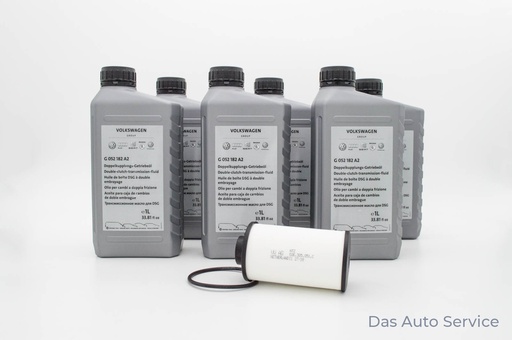
This kit is for servicing the 6-speed DSG gearbox. What matters is changing the oil properly and always carrying out a gearbox adaptation afterwards.
View in our shop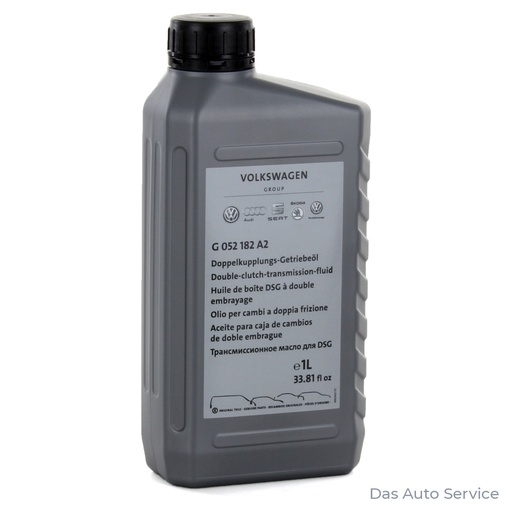
Always choose the correct genuine oil for your particular DSG gearbox. That's something we insist on at Das Auto Service, and we change it every 60,000 km.
View in our shopRead more
- Pre-purchase inspection
- Routine servicing
- VW Golf 7 2.0 TDI Service Schedule
- DSG DQ250: when does the mechatronic unit fail and what should you do?
- DSG DQ381 and DQ500 with wet clutches: when should you change the oil?
Frequently asked questions
Golf 7 2.0 TDI or 1.6 TDI – which should I choose?
I'd go for the 150 hp 2.0 TDI if you do plenty of miles, spend a lot of time on the motorway and want that extra pulling power. But do you know what matters more, my friend? How well that particular car has been looked after, not which of the two engines is under the bonnet.
What's the EGR problem on the 2.0 TDI EA288?
One of the known weak points is the EGR cooler. If the coolant level keeps dropping, the car blows white smoke or you notice a smell of coolant, don't ignore it. My advice is to get a proper diagnostic check and find out where the problem is coming from.
When should I change the DSG oil in a Golf 7?
At Das Auto Service, we change the oil in the DQ250 and DQ381 every 60,000 km. We use genuine oil and always carry out a gearbox adaptation afterwards.
Is the 184 hp Golf 7 GTD worth buying?
Yes, if you enjoy a car that pulls well without using much fuel. But before buying one, check the same important systems and service history as you would on the 150 hp version. A car that drives beautifully hasn't necessarily been looked after properly.