"Genuine mileage" – you'll see that in almost every used car advert. But how many of those cars really have genuine mileage? Back in 2021, I wrote an article about how mileage is rolled back on VAG digital odometers. I explained how it was done. Today, I'll show you the other side – how to check if car mileage has been clocked before you hand over your money. Because buying a high-mileage car when you know exactly what you're getting is one thing. Paying for a car that supposedly has half its actual mileage is something else entirely.
What can the car itself tell me about its mileage?
The first thing I look at is wear and tear. I don't need a diagnostic tool to spot when the mileage on the dashboard doesn't match the condition of the interior. Of course, some people look after their cars better than others. But when several things look far too worn for the advertised mileage, that's enough to make me suspicious. And I start looking more closely.
- The steering wheel, gear lever, pedals and driver's seat – these are the parts you use all the time. A worn steering wheel, heavily used pedals and a sagging driver's seat can tell you much more than the numbers on the dashboard.
- Buttons and upholstery – check whether the markings on the buttons have worn away, whether the upholstery looks tired and whether the overall condition of the interior matches the mileage. Don't judge the car by one worn button. Look at the whole picture.
- Tyres, brakes and suspension – their condition should also make sense for the mileage. Brake pads, discs, suspension arms, bushes and ball joints can all show signs of heavy use. But! These are replaceable parts, so none of them proves anything on its own.
There's something else to remember. A car can have very high mileage and still look excellent if it's been properly looked after. Another car might have been badly treated and look worn out despite covering far fewer miles. That's why I don't jump to conclusions like "the steering wheel is worn, so the mileage must have been clocked". I look for several signs that tell the same story. The truth is usually in the details.
What should the paperwork tell me?
If the car looks good, my next step is to check its history. And I'm not talking about a service book with a few stamps in it. I mean proper records showing dates, mileage and work carried out. Those records should tell a consistent story. If they don't, that's when I start asking questions.
- Service history – compare the dates and recorded mileage from each visit. Find out how to check the genuine service history and why it matters so much when buying a car.
- Vehicle inspection records – look for the mileage recorded during previous inspections and compare it with the other documents. If an older inspection shows more mileage than the dashboard does today, you've got a serious problem.
- Oil change stickers and invoices – sometimes these small bits of paperwork are exactly what you need to piece together a car's history. Check the date, mileage and whether the details match the other records.
The most important thing is the timeline. Mileage should go up, not down. If there are big gaps in the history, that doesn't automatically mean someone has tampered with the odometer. It means you don't have enough information. And when you're buying a used car, missing information is a risk in itself.
Can a diagnostic tool reveal the true mileage?
In modern cars, mileage isn't stored only in the instrument cluster. Information may also be stored in other electronic control units – the engine, gearbox and various other modules. These are the separate electronic "brains" that control different systems in the car. During a diagnostic check, we look at the information stored in those modules and compare it with the mileage shown on the dashboard.
If the dashboard shows one mileage reading but another module has different information stored, that's a serious reason to investigate possible tampering. But don't jump to conclusions. Not every module stores mileage in the same way, and not every difference automatically means someone has cheated. You need to understand exactly what you're reading and what it means. That's why proper diagnostics involve more than plugging in a scanner and pressing a button.
And here's another important point – a diagnostic tool can't always tell you the exact true mileage. If the information has been changed in several places, checking becomes much harder. That's why I never rely on diagnostics alone. I compare the results with the paperwork and the condition of the car. All three checks need to support each other.
What should I check before buying a used car?
If you've found a car you like and you're going to view it, don't start by asking how much you can knock off the asking price. First, find out what you're actually buying. Here's the order I'd follow, without skipping a single step.
- Compare the wear and tear with the mileage. Check the steering wheel, seat, pedals, buttons, tyres, brakes and suspension. Look for a consistent overall picture, not just one suspicious detail.
- Ask for the service history. Compare the dates, mileage readings, invoices, stickers and vehicle inspection records. Don't take someone's word that everything has been serviced on time as proof.
- Run diagnostics on all the electronic control units. Not just the engine. Check what information the different modules have stored and whether it matches everything else you already know about the car.
And don't forget to look underneath the car. There's plenty to see down there too, especially when you're trying to judge its overall condition. I've explained in detail what we look for underneath a car during a pre-purchase inspection. At Das Auto Service, we bring all these checks together in one pre-purchase inspection. The idea is simple – know what you're buying before you pay for it.
WARNING! A car with clocked mileage may also have missed important servicing. If its actual mileage is higher than advertised, you can't be sure the necessary maintenance was carried out on time. You could end up paying once for the car and then paying again to fix problems that were hidden from you.
Why is servicing so important when the mileage is suspicious?
Because mileage isn't just a number on the dashboard. It's what you use to work out when different systems in the car should have been serviced. If someone has tampered with the mileage, you can no longer rely on that information. Which means you need to look even more carefully at the service records instead of simply trusting what the dashboard says.
For cars driven in Bulgaria, I recommend changing the engine oil and all filters – oil, fuel, air and cabin – every 10,000 km or once a year, whichever comes first. That applies even if you're using LongLife oil. Extended service intervals are aimed at meeting environmental targets. I'm more interested in keeping the engine healthy. But when the mileage is in doubt, your first job is to establish what servicing has actually been done.
Tip from Kris Mladenov: Don't look for the car with the lowest mileage. Look for the one with the clearest history. I'd rather buy a car with verifiable mileage and documented servicing than one that looks fantastic in the advert but has a mileage history nobody can explain. Buy on condition and history, not numbers.
I hope you've found this article useful! If you have, I'd be glad if you shared it with a friend who's looking for a used car. My mission has always been simple – when I know something, I want more people to know it too. Because the more you know before buying, the harder it is for someone to mislead you.
The solution in our shop
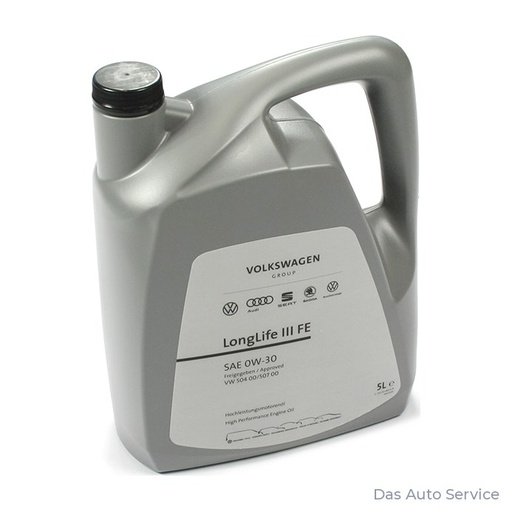
Genuine Longlife III FE 0W30 oil 5L
Genuine LongLife III oil is an engine servicing product. But choosing the right oil doesn't remove the need for regular oil changes.
View in shopRead more
- Pre-purchase inspection
- Diagnostics
- VAG Digital Odometer Mileage Rollback Explained
- VAG Service History Check: How to Verify a Car
- Used Car Inspection: What to Check Underneath
Frequently asked questions
How can I tell if a car's mileage has been clocked?
Compare the car's wear and tear, service history and information stored in its electronic control units. One sign isn't enough, but several inconsistencies are a strong reason to investigate further.
Can a diagnostic tool show the true mileage?
Sometimes it can reveal differences between the mileage stored in various control units and the reading on the dashboard. But it can't always establish the exact true mileage.
What are the signs of clocked mileage?
An excessively worn interior, inconsistencies in the paperwork and different mileage records stored in the electronic control units. The important thing is to consider all these signs together.