"Karoq 1.5 TSI, 150 bhp, petrol, automatic – should I buy one?" I get asked this a lot, because the Škoda Karoq is exactly the sort of family SUV that looks like a sensible buy. It's not too big, it's easy to live with in town, and the 1.5 TSI petrol engine with cylinder deactivation is an interesting option if you don't want a diesel. But there are a few things I want you to know before you hand over your money. Because a good car and a good purchase aren't always the same thing.
Who is the Škoda Karoq 1.5 TSI right for?
If you mostly drive around town but like to get out of the city at weekends, the Karoq 1.5 TSI is worth a look. It's a good fit for a family that wants a petrol engine without having to worry about the quirks of a diesel. The engine produces 150 bhp and has a system that switches off some of the cylinders when they're not needed. Put simply, the engine doesn't use all its cylinders all the time – it adjusts to how much power you need. Clever stuff, but what matters more to me is how the particular car you're looking at actually drives.
And here's something I keep telling my friends. Don't buy a car just because it looks perfect on paper. Get behind the wheel, take it for a drive and see whether you like how it pulls away, changes gear and feels on the road. Especially if you're coming from a different car and expect it to behave the same way. Sometimes those little differences are exactly what decides whether you'll be happy with your purchase.
What gearboxes does the Karoq 1.5 TSI come with?
With this engine, you've got two choices – a 6-speed manual gearbox or a 7-speed DSG DQ200. Both have their advantages, but they feel quite different to drive. The manual gives you direct control over the clutch and gear changes, while the DSG does all that for you. That's handy, especially when you're stuck in traffic every day. But there are a few things about the DSG you really shouldn't overlook.
- 6-speed manual gearbox – for you if you prefer controlling the clutch and changing gears yourself.
- 7-speed DSG DQ200 – for you if you want an automatic, but make sure you check carefully how it pulls away and changes gear.
What problems do we see with the Karoq 1.5 TSI at our workshop?
First, I want to make an important distinction – there's a difference between how a car naturally behaves and an actual fault. Online, people tend to lump everything together: "That engine is unreliable" or "That gearbox is rubbish." I don't like jumping to conclusions like that. At Das Auto Service, we prefer to find out exactly what's happening before deciding whether there's a problem. Here's what I pay attention to on this model.
Why does the 1.5 TSI hesitate when pulling away cold?
Picture this. You start your car in the morning, select first gear and feel a slight hesitation as you pull away. You press the accelerator, but the car doesn't move off as smoothly as you'd expect. This is a familiar issue with the 1.5 TSI, and I've covered it in detail in 1.5 TSI: Why It Hesitates When Cold. The engine software affects how the car behaves, which is why checking it matters. Don't assume every bit of hesitation is normal, but don't rush into replacing parts before you've found the cause either.
Why does the DSG DQ200 jerk and judder?
"Kris, the gearbox keeps jerking, especially when I'm pulling away slowly." That's exactly how owners describe the problem, and I know what they mean. The DSG DQ200 is a dry-clutch gearbox, so how it behaves when pulling away is particularly important. If it judders, jolts or hesitates, that doesn't automatically mean you need a whole new gearbox. We need to check how it's working, including the clutch and the mechatronic unit – the brain that controls the gear changes. I've explained it in more detail here: DQ200: Why the Gearbox Jerks and Judders.
What should I know about the water pump and thermostat?
On the 1.5 TSI, the water pump and thermostat are part of a plastic housing assembly, similar to other engines in the same family. It's part of the engine's cooling system, so its condition is something I'd never ignore. When we inspect one, we look for signs of coolant leaking around the assembly. If the car is losing coolant, you need to find out where it's going. Simply topping it up and carrying on isn't good enough.
What should I check before buying a Karoq 1.5 TSI?
The most important thing is not to turn up for a viewing when the engine is already warm and everything seems perfect. I want you to see how the car behaves when you first pull away, how the gearbox works and whether there are any signs of cooling system problems. These are things that could change your mind about buying it. And when you're buying a used car, you want to make that decision based on facts, not wishful thinking.
- Start with a cold engine. Pay attention to any hesitation and whether the car pulls away smoothly.
- If it has a DSG, try pulling away on a hill. Watch out for jerking, jolting or juddering from the gearbox.
- Check for coolant leaks around the water pump and thermostat. Don't ignore any visible signs of leaking coolant.
If you're not sure how to check all this yourself, book a pre-purchase inspection. To me, that makes far more sense than finding out what you've bought after the car is already yours.
How should I service my Škoda Karoq 1.5 TSI?
My rules here are simple. For cars driven in Bulgaria, I recommend changing the engine oil and all filters – oil, fuel, air and cabin – every 10,000 km or once a year, whichever comes first. That applies regardless of the LongLife service intervals or the oil you're using. The engine oil must meet the correct VW specification for your particular engine. And if your car has a DSG gearbox, don't skip its servicing either.
- Engine oil and all filters – oil, fuel, air and cabin – every 10,000 km or once a year, whichever comes first.
- DSG DQ200 – service with genuine gearbox oil every 60,000 km, followed by mandatory gearbox adaptation.
- Brake fluid – every 2 years, and coolant – every third heating season.
- Workshop inspection – every 6 months to keep an eye on the car's condition.
I've put together the full service schedule here: Škoda Karoq 1.5 TSI Service Schedule. There's one thing I want you to remember – servicing isn't just about changing the oil. It's about catching small problems before they turn into expensive ones.
IMPORTANT! If you mostly drive around town and can't stand a car that hesitates or judders when pulling away, make sure you test the Karoq 1.5 TSI first thing in the morning, with the engine completely cold. Don't let the seller warm it up beforehand. You need to know whether you're happy with how it drives before you buy it.
Is the Škoda Karoq 1.5 TSI worth buying?
In my opinion, the Karoq 1.5 TSI is a good family SUV, especially if you're looking for a petrol car for town driving and a mix of other journeys. But I'd choose one with checked and updated engine software, a properly serviced DSG if it's an automatic, and no cooling system problems. I wouldn't rule out the model just because of cold-start hesitation or the stories you hear about the DQ200. I'd simply check those things carefully. Because at the end of the day, you're not buying someone's opinion on the internet. You're buying an actual car that you'll be driving and maintaining with your own money.
Tip from Kris Mladenov: If you've found a Karoq 1.5 TSI you like, arrange to see it early in the morning and test it with the engine completely cold. Then check the DSG, cooling system and engine software. Don't rush your decision – it's better to walk away from one car than to buy a problem you'll end up paying to fix out of your own pocket.
I hope you've found this article useful! If you have, I'd love you to share it with a friend who's thinking about buying a Škoda Karoq. My mission is simple – when I know something useful, I want more people to know it too, so they can make better decisions about their cars.
The solution in our shop
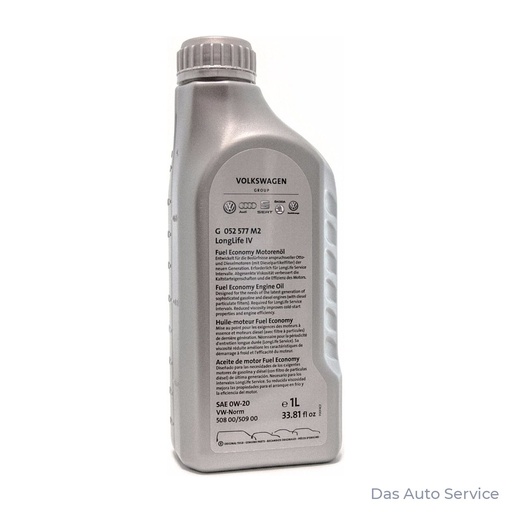
Genuine LongLife IV 0W20 oil G S60577M2 1l
Genuine LongLife IV 0W20 engine oil for engines that require it. Only use it if it meets the correct oil specification for your car.
View in shopRead more
- Pre-purchase inspection
- Routine servicing
- Škoda Karoq 1.5 TSI Service Schedule
- 1.5 TSI Cold Engine Jerking: Why Does It Happen?
- DSG DQ200 Problems: Jerking and Gearbox Faults
Frequently asked questions
What are the common problems with the Škoda Karoq 1.5 TSI?
Watch out for hesitation when pulling away with a cold engine, how the DSG DQ200 behaves, and possible coolant leaks from the water pump and thermostat assembly. Check the engine software too.
Should I choose a Karoq 1.5 TSI with DSG or a manual gearbox?
If you want the convenience of an automatic, the DSG is a good option, provided it's been properly checked and serviced. If you prefer controlling the clutch and gear changes yourself, go for the 6-speed manual.
Does the 1.5 TSI engine use oil?
I wouldn't draw conclusions based on the engine model alone. Check the individual car, its service history and whether there's any evidence of oil consumption.