You press the accelerator, the revs shoot up, the engine roars, but the car doesn't accelerate. Sound familiar? That's one of the clearest slipping clutch symptoms. I hear it all the time at the workshop: "The car drives fine, but when I put my foot down, it's like something's slipping." With a manual gearbox, we're usually talking about wear that won't fix itself. Quite the opposite! The longer you drive like this, the more likely you are to damage other parts too. I'll explain how to spot the problem, what causes it and how long you can carry on driving.
How do I know if my clutch is slipping?
The clutch connects the engine to the gearbox. When you release the pedal, it should transfer the engine's power to the wheels. If it's worn or isn't gripping properly, it starts to slip. The engine revs up, but the power doesn't reach the wheels as it should. It's like pedalling a bicycle with a chain that keeps slipping. There are several signs you can look out for.
- The revs rise, but your speed doesn't. You're driving in a high gear, you press the accelerator and the rev counter shoots up. But the car doesn't pick up speed to match. This is the most obvious sign of a slipping clutch.
- There's a burning smell. Especially after driving uphill or pulling away with a heavy load. When the clutch slips, it generates a lot of heat. That smell is a warning that something is getting hotter than it should.
- The clutch bites higher and higher. Your car used to start moving when you released the pedal about halfway, but now it only starts moving when the pedal is almost fully released. This can be a sign of wear, especially if the clutch is also slipping.
- There's rattling or vibration when pulling away. This could mean there's a problem with the flywheel too. Particularly if your car has a dual-mass flywheel, which is designed to absorb vibrations from the engine. I've explained what happens when it starts to fail in my article about the dual-mass flywheel.
It's important to understand that not every one of these symptoms automatically means the clutch is worn out. Rattling and vibrations, for example, can also come from the flywheel. That's why I don't like repairs based on guesswork. First, we find out where the problem is coming from. Then we decide what needs replacing. Otherwise, it's all too easy to pay for a repair that doesn't actually solve anything.
Why does a clutch start slipping?
The most common cause is a worn clutch disc. Think of it as a part that needs enough grip to transfer the engine's power. Over time, its friction surface wears down and it can no longer grip properly. It starts slipping, initially under heavier loads and eventually even during normal acceleration. But wear isn't the only possible cause.
- Worn clutch disc. The friction material has worn down, so the disc can no longer transfer the engine's power properly.
- Oil on the clutch disc. If an engine or gearbox oil seal is leaking, oil can get onto the clutch. Even a disc that isn't completely worn out can start slipping when this happens.
- A problem with the hydraulics. This is the system that operates the clutch when you press the pedal. If it isn't working properly, the clutch might not engage fully.
- Engine remap without a suitable clutch. If the engine has been tuned to produce more power but the clutch hasn't been upgraded to handle the extra load, it can start slipping. More engine power doesn't automatically mean the other components can cope with it.
That's why simply saying "the clutch is finished" isn't enough. We need to understand why it started slipping in the first place. If the cause is an oil leak and we only replace the disc, the problem could come back. If the hydraulics aren't working properly, fitting a new clutch kit won't fix the underlying fault. A proper repair needs to fix the cause, not just the damage it has left behind.
How long can I drive with a slipping clutch?
The short answer is: not long. And I certainly wouldn't recommend putting off the repair. Every time the clutch slips, heat builds up between the friction surfaces. That heat puts stress not only on the clutch disc but also on the pressure plate and flywheel. So a problem that started with the clutch alone can turn into a much bigger repair.
I can't tell you exactly how many kilometres it will last. It depends on how badly it's slipping and how you drive the car. A little slipping under acceleration is one thing. A car that can barely transfer the engine's power is something else entirely. But in both cases, the wear continues. The longer you leave it, the greater the risk of damaging the flywheel too.
IMPORTANT! A slipping clutch isn't just a repair issue. It's also a safety concern. You could pull out to overtake, press the accelerator and watch the revs shoot up while the car barely accelerates. Just when you need the power, it won't reach the wheels. Don't rely on a car with a slipping clutch for overtaking, and don't put off getting it checked.
How do we diagnose slipping clutch symptoms at our workshop?
At Das Auto Service, we don't start by replacing parts straight away. First, we need to establish whether the clutch really is slipping and what's causing it. It matters whether the problem comes from wear, an oil leak or the hydraulic system. Because the aim isn't simply to fit a new clutch kit. It's to make sure the car works properly after the repair.
- We check the clutch hydraulics and the biting point as you release the pedal. This helps us assess whether the clutch operating system is working correctly.
- If the clutch is worn, we replace the clutch kit. We also inspect the flywheel because it may have been damaged by the slipping. If it needs replacing, we replace that too.
- If there's oil on the clutch disc, we find out where it's coming from. We check whether an engine or gearbox oil seal is leaking. The leak must be repaired, otherwise the new clutch could start slipping again.
There's one important distinction I want to make. So far, we've mainly been talking about manual gearboxes. DSG and S tronic gearboxes use clutches that are designed and operated differently, so the repair process is different too. If your car has one of these gearboxes, read my article about DSG clutch replacement. We shouldn't confuse the two types of repair.
How can I stop my clutch from slipping?
A lot of how long your clutch lasts comes down to how you use it. You don't need to do anything special. Just avoid making it slip unnecessarily. When you pull away, the idea is to engage the clutch smoothly, not to hold the engine at high revs while the clutch struggles to grip. And don't rest your foot on the clutch pedal when you're not using it.
Tip from Kris Mladenov: Don't drive with your foot resting on the clutch pedal, and don't use unnecessarily high revs when pulling away. All you're doing is increasing clutch slip and wear. If you notice the revs shooting up without the car accelerating, don't wait for the problem to get worse. Have it checked early.
I hope you've found this article useful! If you have, I'd be glad if you shared it with a friend who drives a manual car. My mission has always been simple: when I know something, I want more people to know it too. Because spotting a problem early can save you a lot of headaches. And you don't need to be a mechanic to understand what your car is trying to tell you.
The solution in our shop
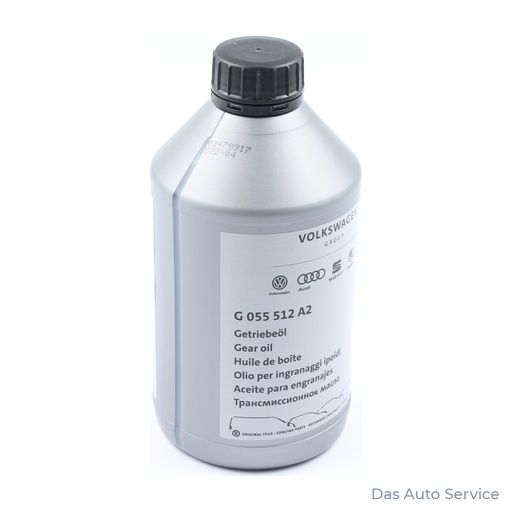
Genuine manual transmission oil G 055512A2 1l
Genuine transmission oil for manual gearboxes. Using the correct oil is important for the gearbox to work properly, but it can't fix a worn clutch.
View in shop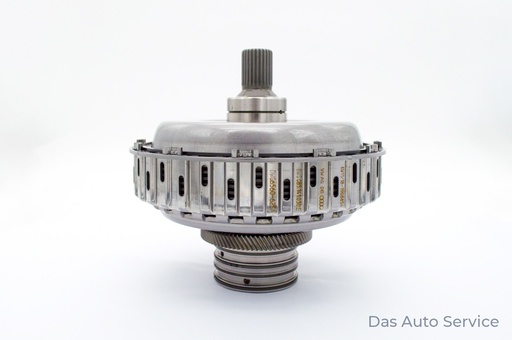
Clutch kit for S tronic 0B5. Designed for this type of gearbox, where clutch inspection and replacement are different from those on a manual gearbox.
View in shopRead more
- DSG and S tronic gearbox repair
- Diagnostics
- DSG Clutch Replacement: Step-by-Step Workshop Guide
- 2.0 TDI Dual-Mass Flywheel: Signs of Failure
Frequently asked questions
How do I know if my clutch is slipping?
You press the accelerator, the revs rise, but the car doesn't accelerate as it should. That's the most obvious sign. You might also notice a burning smell or that the clutch starts biting higher and higher as you release the pedal.
How long can you drive with a slipping clutch?
There's no guaranteed distance. The more the clutch slips, the hotter the clutch disc, pressure plate and flywheel get. Don't put off having it checked because the problem will only get worse.
Do I need to replace the flywheel too?
Not necessarily. If the flywheel is in good condition, there's no reason to replace it just because the clutch is worn. But if the flywheel is damaged, it needs replacing too.
Can a clutch slip even if it isn't worn out?
Yes. Oil leaking from an engine or gearbox oil seal can get onto the clutch disc. A problem with the hydraulic system can also stop the clutch from working properly.