"When should I change my timing belt?" I hear this question all the time at the workshop. And rightly so! The timing belt is one of those parts you hardly think about while everything is running smoothly. But if it snaps, you suddenly realise just how important it was. With 1.9, 2.0 and 1.6 TDI engines, as well as 1.4 and 1.5 TSI engines, there's no single answer that covers them all. It depends on the exact engine, how old the belt is and, most importantly, whether you know when it was last replaced. And that's where things get interesting.
Why is the timing belt so important?
The timing belt keeps the pistons and valves moving in sync, making sure everything happens at exactly the right moment. Think of it as the conductor of an orchestra. If the conductor stops doing their job, the musicians start getting in each other's way. Except inside an engine, the consequences are much more serious. On VW, Audi, Škoda and SEAT engines, a snapped timing belt almost always means the valves hit the pistons. And that means a major engine repair.
And do you know the worst part? In most cases, that repair could have been avoided. The timing belt isn't something you wait to break before replacing. You replace it before it fails, because once it snaps, it's too late. That's why I always explain to customers that this isn't about doing unnecessary maintenance. It's about protecting the entire engine.
What is the TDI and TSI timing belt replacement interval?
I want to clear something up here, because you'll find all sorts of figures online. There is no universal replacement interval for every TDI and TSI engine. The manufacturer sets the interval according to the specific engine code, not simply whether the badge on the boot says 1.9 TDI or 2.0 TDI. So the safest approach is to check your service book or give us your VIN. That way, we can identify exactly which engine you have.
- On older 1.9 and 2.0 TDI engines with unit injectors (pump-injector systems), the replacement interval is shorter than on newer common rail engines. These are different generations of engines, and you shouldn't follow the same service interval for both.
- On 1.6 and 2.0 TDI common rail engines, the interval depends on the specific engine code. Don't rely on general tables without checking whether they actually apply to your car.
- For newer TDI and TSI engines built after 2015, I recommend replacing the timing belt every 180,000 km or 5 years, whichever comes first. Yes, even if the car hasn't covered many kilometres. The belt ages even when the car is sitting unused.
- For 1.4 and 1.5 TSI engines from the EA211 generation, I recommend the same interval: 180,000 km or 5 years. If there's any doubt about the belt's condition or service history, it should be replaced sooner.
- Older 1.2 and 1.4 TSI engines from the EA111 generation, as well as EA888 engines, use a timing chain rather than a belt. That's a different system, and you shouldn't confuse the maintenance requirements of the two.
There's something I want to point out because people often overlook it: age matters just as much as mileage. You might drive very little, look after your car and assume the belt is practically new. But rubber ages whether the car is driven every day or not. So don't just look at the mileage. Look at the calendar too.
When should you replace the timing belt immediately, regardless of mileage?
There are situations where I wouldn't wait for the scheduled replacement interval at all. Even if the engine is running perfectly, that doesn't mean the timing belt is in good condition. The problem is that it can appear perfectly sound right up until the moment it fails. And when that happens, the consequences can be serious.
- You have no paperwork showing when the belt was last replaced. Someone saying "the previous owner told me it was changed" isn't proof.
- The belt is cracked, contaminated with oil or squeaking. These are warning signs you shouldn't ignore.
- The water pump is leaking. It's part of the timing belt service, and a problem with the pump is a good reason to check the entire system.
- You're buying a used car with an unclear service history. In that situation, I wouldn't rely on guesswork, regardless of what the mileage says.
With used cars in particular, I often hear that the timing belt has been changed, but there's no paperwork to prove it. Fair enough, perhaps it has. But I have no way of knowing whether all the parts were replaced, whether the correct timing belt kit was used or exactly when the work was done. And when the risk is a major engine repair, I'd rather have proof than rely on someone's word.
What should be included in a timing belt replacement?
When I talk about replacing the timing belt, I don't mean changing just the belt itself. I mean the complete timing belt kit: the belt, rollers, tensioner and water pump. All these parts work together. If you leave an old roller or water pump in place, a new belt won't protect you if one of those parts fails. That's why at Das Auto Service I recommend using a genuine timing belt kit rather than replacing individual parts. I've explained exactly what's included in a genuine timing belt kitin a separate article.
And here's where I'm going to be a little critical of our own industry. It's not right to offer a belt-only replacement without explaining to the customer what risks remain when the old rollers and water pump are left in place. The same goes for aftermarket parts, which can drastically shorten the interval before the next replacement. I wrote about this back in 2019 in my article on service intervals for transverse-engine platforms. Something that looks like a saving today doesn't always turn out to be a saving tomorrow.
WARNING! Replacing only the timing belt, without the rollers, tensioner and water pump, is a shortcut that could cost you the entire engine. This is one service where you really shouldn't cut corners.
Tip from Kris Mladenov: If you're buying a used car and have no proof of when the timing belt was last replaced, change it straight away. Don't wait for a noise or a problem to appear. As far as I'm concerned, it's the cheapest insurance against one of the most expensive engine repairs.
I hope you've found this article useful! If you have, I'd really appreciate you sharing it with a friend who drives a VW, Audi, Škoda or SEAT. My mission has always been simple: when I know something useful, I want more people to know it too. Because an informed car owner can make better decisions about their car and avoid a lot of unnecessary repairs.
The solution in our shop
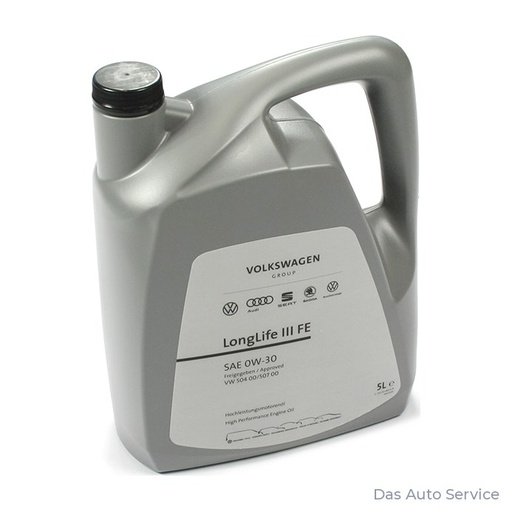
Genuine Longlife III FE 0W30 oil 5L
Genuine LongLife III engine oil is used for engine servicing. Remember, the engine oil and all filters (oil, fuel, air and cabin) must be changed every 10,000 km or once a year, whichever comes first.
View in shop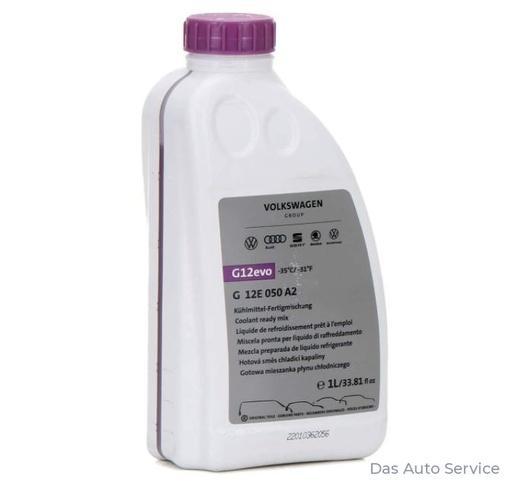
Genuine VAG G12Evo antifreeze G12E050A2 1.0l
Genuine G12evo antifreeze is suitable for the cooling system after replacing the water pump, provided it's specified for your particular vehicle.
View in shopRead more
- Routine servicing
- Engine overhauls
- 2.0 TDI Timing Belt Kit: What's Included?
- VW Passat B7 and CC Service Schedule – 1.6 & 2.0 TDI
- VW Golf and Passat Service Schedule
Frequently asked questions
When should the timing belt be changed on a 1.9 TDI?
It depends on the specific engine code. On 1.9 TDI engines with unit injectors, the replacement interval is shorter than on newer common rail engines. That's why you need to check the correct interval using the car's VIN.
Does the 1.4 TSI have a timing belt?
It depends on the engine generation. The 1.4 TSI EA211 has a timing belt, which I recommend replacing every 180,000 km or 5 years. The older EA111 uses a timing chain instead.
Should I replace the water pump when changing the timing belt?
Yes. I recommend replacing the complete timing belt kit, including the belt, rollers, tensioner and water pump. That way, you're not leaving old parts in place that could cause problems after the service.
Should I replace the timing belt if I don't know when it was last changed?
Yes. If you have no paperwork confirming the last replacement, I wouldn't take the risk, regardless of the mileage. It's better to replace the timing belt now than have to repair the engine later.