TDI low fuel rail pressure – is it the pump or the injectors?
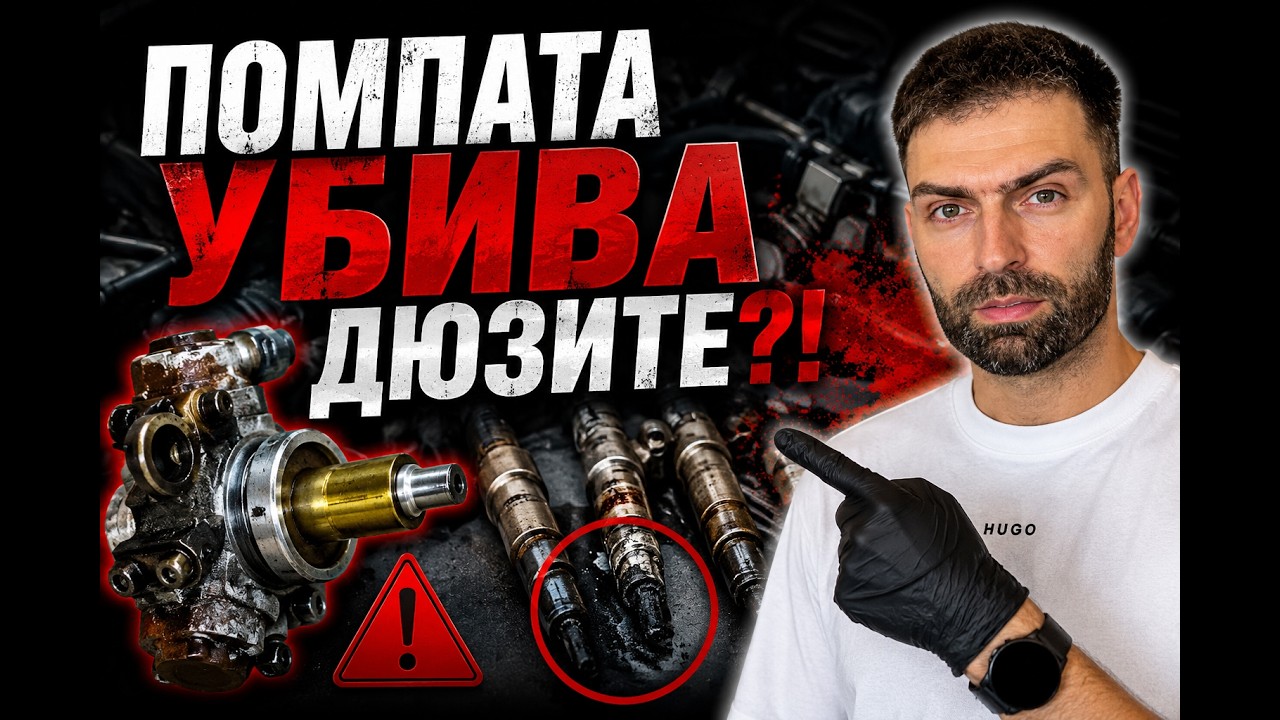
▶ Tell Me About: Common rail fuel system problems in VAG engines
The engine management light comes on, your car loses power and goes into limp mode, and the diagnostic tool shows a TDI low fuel rail pressure fault. You go onto one of the TDI groups and start reading: “Replace the rail pressure sensor”, “Replace the valve”, “Mine turned out to be the fuel filter”. You start replacing one part after another, but the fault keeps coming back. The truth is that, with these engines, there are two places we very often need to look – the high-pressure fuel pump and the injectors. In the video, I show you what a damaged pump looks like inside, and here I'll explain how to find the cause without replacing perfectly good parts.
Which fuel system does my TDI have?
On newer VW Group TDI engines, you'll mainly find fuel systems from two manufacturers – Bosch and Denso. If you've got a Denso pump, you'll have Denso injectors too. These days, both systems are similarly reliable, so I'm far more interested in how well the car has been maintained than in the brand of the pump.
The pump's job is to supply fuel to the rail at extremely high pressure. From there, the injectors deliver it into the cylinders. The injectors themselves are manufactured to tolerances of just a few microns. Imagine how little contamination it takes to cause problems with them.
There's also one detail that's very often overlooked when replacing the timing belt. The high-pressure fuel pump is driven by the timing belt and has a two-piece sprocket, so the pump must be timed correctly. Get this wrong and the engine will still run. But there's a catch! Both the DPF and the AdBlue system suffer as a result. I've covered the timing belt in detail in my article 2.0 TDI Timing Belt Kit: What's Included?.
What does a TDI low fuel rail pressure fault mean?
This is fault code P0087, which tells us that the fuel pressure in the rail is lower than the engine control unit is requesting. You'll usually notice the problem when you put your foot down – the car loses power, goes into limp mode and sometimes becomes difficult to start. Many garages in Bulgaria start by replacing the sensor, then the valves and finally the fuel filter. And the fault is still there.
Very often, the cause of low fuel pressure is the pump itself rather than the injectors. One of the mechanical checks we carry out is to remove the timing drive and turn the pump by hand. A healthy pump is very difficult to turn. If wear on the piston inside the pump results in excessive clearance, the pump can't generate the required pressure.
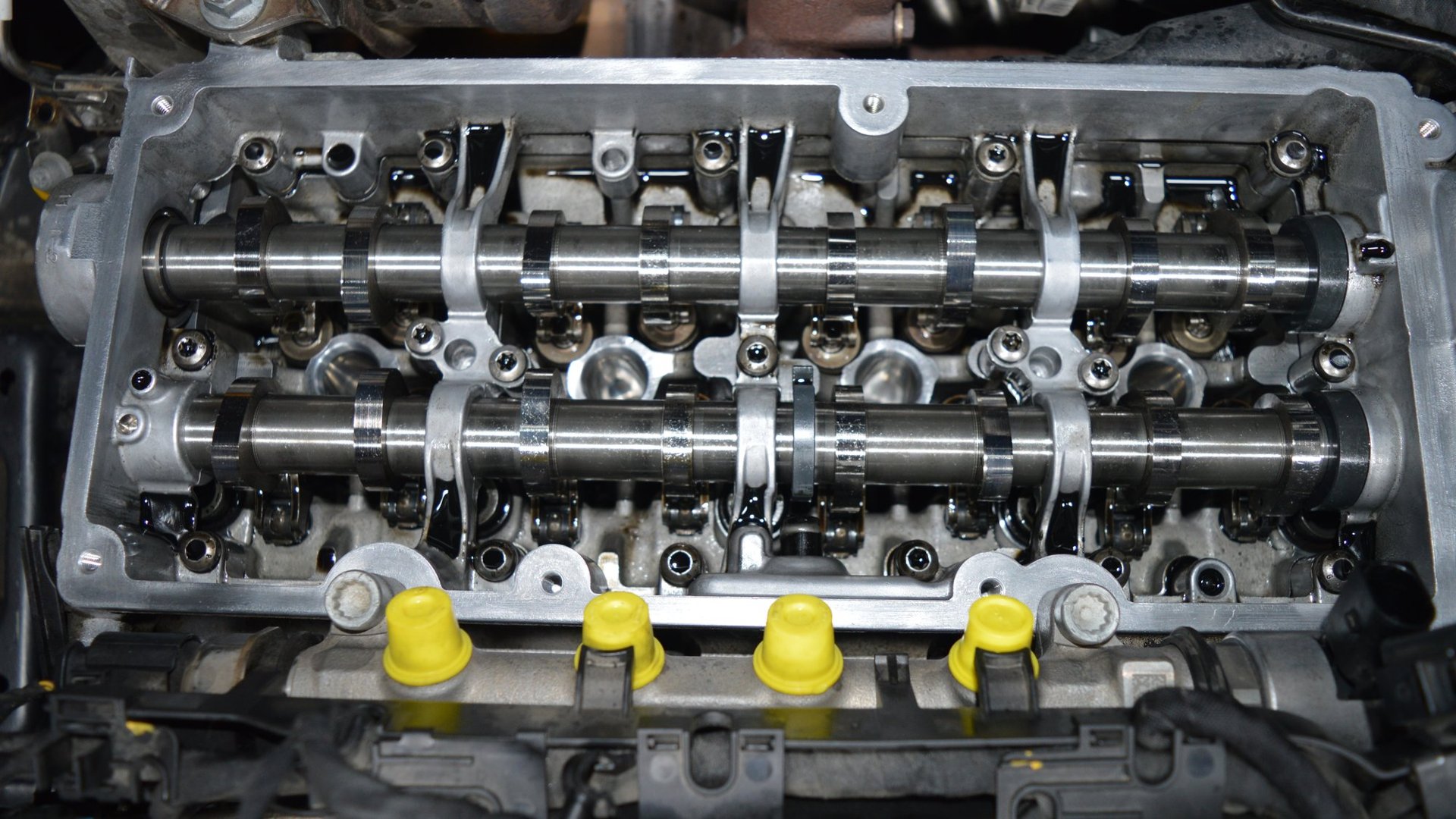
Why do I need to replace the injectors when the pump fails?
Because a worn pump doesn't just stop generating pressure – it also starts releasing fine metal particles into the fuel. Remember those injectors I mentioned earlier, manufactured to tolerances of just a few microns? Imagine running sandpaper through them. The metal particles damage the injectors and remain in the fuel rail and fuel system pipes. The pump is no longer your only problem.
That's exactly why the manufacturer sets out in its workshop instructions what needs to be done if metal particles are found in the fuel system. The pump, high-pressure fuel pipes, fuel rail, all the injectors, return lines and fuel filter must be replaced. If you leave any of those metal particles in the system, you'll damage the new pump as well. We use genuine pumps and injectors, and I've explained why we replace all the injectors in my article TDI Common Rail Injectors: When Do We Replace All Four?.
In the video, I show you exactly this type of pump from our workshop – with a worn shaft, a broken piston and a broken spring. The pump was leaking because its bearing was worn. “Can't we just replace the shaft seal?” You can, but a new seal won't fix a worn bearing, and the pump will still leak.
What if I have a high fuel rail pressure fault?
Fault code P0088 tells us that the fuel pressure in the rail is higher than the engine control unit is requesting. One of the things we look at in this case is injector leak-off. We check whether the injectors are returning too much fuel and whether the non-return valve in the fuel return line is working correctly. Cars with these problems are often difficult to start as well.
IMPORTANT! If you have a high fuel rail pressure fault, don't rush into replacing sensors and valves. The injector leak-off must be measured first.
Why do my injectors pass the bench test?
Because the injectors are tested outside the engine and under different conditions. Yes, an injector can pass a bench test and still cause problems when fitted to your car. That's why I think it's so important to measure the leak-off from each injector with the engine running. This allows us to see which injector is returning more fuel than the others under the very conditions in which the fault occurs.
What must be replaced when fitting new injectors?
- The spring bolts and injector retaining clamps – always fit new ones. Otherwise, an injector may come loose from its seat.
- The fuel filter – replace it whenever work is carried out on the fuel system.
- If the pump has failed and there are metal particles in the fuel – the pump, all the injectors, the high-pressure fuel pipes, the fuel rail and the return lines.
- If the pump has been removed, it must be timed correctly in relation to the timing drive.
How should I look after my TDI to avoid these problems?
Don't skimp on the fuel filter or put off diagnostic checks when a fuel pressure fault appears. For cars driven in Bulgaria, we recommend changing the engine oil and all the filters – oil, fuel, air and cabin filters – every 10,000 km or once a year, whichever comes first. This applies regardless of which oil you use or whether your car is on a LongLife service schedule. You can book your next service through our Routine Servicingpage or, if you already have a fuel rail pressure fault, through our Diagnostics.
Don't confuse fuel pressure with engine oil pressure. If you're also having problems with oil pressure, read my article 2.0 TDI: Oil Pressure Warning Light at High RPM.
How We Fix It in Our Workshop
Advice from Kris Mladenov: If you have a fuel rail pressure fault, don't start by replacing the cheapest part. First, measure the fuel pressure and injector leak-off, and check the pump. If the pump has released metal particles, replace everything at once using genuine parts. I'm telling you this because cutting corners on a repair means paying for the same job twice.
I hope you've found this article useful! If you have, I'd be delighted if you shared it with your friends and anyone else you know who drives a TDI. It's always been important to me to share what I know with as many people as possible.
How We Fix It in Our Workshop
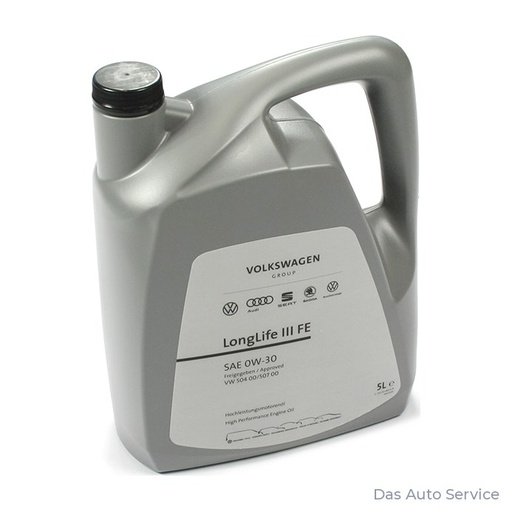
Genuine LongLife III FE 0W30 engine oil, 5-litre container
Genuine LongLife III 0W30 engine oil – for routine servicing of your TDI every 10,000 km or once a year.
View in Shop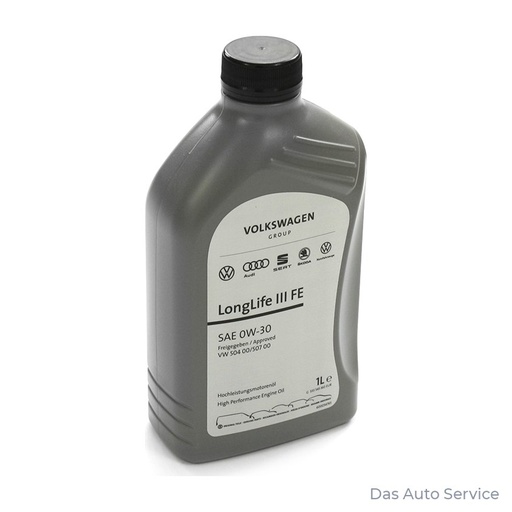
Genuine LongLife III FE 0W30 engine oil, 1-litre bottle
The same genuine engine oil in a one-litre bottle for topping up the oil between services.
View in ShopFurther Reading
- Diagnostics
- Routine Servicing
- TDI Common Rail Injectors: When Do We Replace All Four?
- 2.0 TDI Timing Belt Kit: What's Included?
- 2.0 TDI: Oil Pressure Warning Light at High RPM
Frequently Asked Questions
What causes low fuel rail pressure in a TDI engine?
Very often, the high-pressure fuel pump is to blame. One way to check it is to turn the pump by hand with the timing drive removed – a healthy pump is very difficult to turn.
What causes high fuel rail pressure?
Check the injector leak-off and the non-return valve in the fuel return line. Don't start by replacing sensors.
Do I need to replace the injectors when replacing the high-pressure fuel pump?
If the pump has released metal particles into the fuel, you must replace the pump, all the injectors, the fuel rail, the high-pressure fuel pipes, the return lines and the fuel filter. Otherwise, you risk damaging the new pump as well.