For a lot of people, the 140 hp VW Golf 6 2.0 TDI is the pick of this generation. And I can see why. The engine pulls nicely, the car is a pleasure to drive and, if it's been looked after properly, it can be a very sensible buy. But! There's a world of difference between a well-maintained Golf 6 and one that's been through several owners, with nobody knowing what's been done to it or when. Whenever you ask me for my opinion on the Golf 6 2.0 TDI, I always tell you the same thing: liking the model isn't enough. You need to know exactly what you're buying. In this VW Golf 6 2.0 TDI buying guide, I'll share what we see at Das Auto Service, where the weak spots are and how I'd choose one myself.
Who is the VW Golf 6 2.0 TDI buying guide for?
If you cover plenty of miles and like an engine that pulls strongly from low revs, the Golf 6 2.0 TDI is well worth a look. Especially the 140 hp version. To me, it strikes a lovely balance between performance and everyday practicality. You can drive it comfortably without worrying whether the engine will have enough power when you need it. But if all you do is short trips around town every day, think carefully about the DPF. That's exactly the sort of driving that gives it trouble.
The 170 hp GTD is another interesting option. It's for someone who wants a bit more fun behind the wheel, but it also deserves extra attention when it comes to maintenance. I wouldn't buy a GTD just for the extra horsepower. I'd first want to see how it's been looked after. Because a well-maintained 140 hp Golf makes far more sense than a neglected GTD.
Which engines and gearboxes were available in the Golf 6 2.0 TDI?
The VW Golf 6, model designation 5K, was produced between 2008 and 2012. By this generation, the 2.0 TDI had moved to the EA189 common rail engine family, which uses a common rail diesel fuel injection system. I want you to look beyond the horsepower quoted in the advert and check the exact engine version. That determines what we'll need to inspect before you buy. Here are the main options:
- 2.0 TDI 140 hp (103 kW) – CBAB engine, followed later by CFFB. Both have a DPF and EGR.
- 2.0 TDI 110 hp – the more relaxed option if outright performance isn't your priority.
- 2.0 TDI 170 hp – the GTD, if you enjoy a more spirited drive.
- Gearboxes – 6-speed manual or 6-speed DSG DQ250 with wet clutches.
If you've found a Golf with DSG that you like, I'd start by checking the gearbox. Not because the automatic is necessarily bad, but because so much depends on how it's been maintained. The bodywork might be gleaming and the engine might sound lovely, yet the moment you pull away, the DSG could start jerking or snatching. That's why I always say: don't buy a car just because it looks good.
What problems do we see with the Golf 6 2.0 TDI at the workshop?
The EGR valve and its cooler
One of the familiar weak spots on this engine is the EGR valve and its cooler. The car might go into limp mode, the engine management light might come on and you might lose power. Behind those symptoms could be a build-up of carbon in the EGR valve or a cracked EGR cooler. But! That doesn't mean you should immediately rush out and buy a new EGR valve. We first use diagnostics to find the actual cause. I've explained this in more detail in 2.0 TDI EA189: EGR, cooler and limp mode.
The DPF – diesel particulate filter
The DPF is another thing I check very carefully, especially if the Golf has spent most of its life around town. On short journeys, regeneration often doesn't finish properly, and soot gradually builds up inside the filter. The DPF itself isn't the problem. The problem is that your driving habits might not give it enough opportunity to clean itself properly. That's why I'm not satisfied just because there are no warning lights on the dashboard. I want to see how heavily loaded the filter is and what the regeneration history looks like.
DSG DQ250 – why does the gearbox start jerking?
The 6-speed DSG DQ250 is a lovely gearbox to drive when it's healthy. But if it starts jerking between first and second gear, or the mechatronic unit – the gearbox's brain – starts logging faults, it's time to investigate properly. My first question is always when the oil was last changed and whether an adaptation was carried out afterwards. Regular servicing can save you a lot of trouble, but if the mechatronic unit is already faulty, fresh oil alone won't fix it. I've explained more in when the DQ250 mechatronic unit fails.
The turbo and dual-mass flywheel
On Golfs that have mainly been driven around town, we also see the turbo's variable geometry mechanism sticking. That's the mechanism that controls how the turbo builds boost. It's something we need to check if the car isn't pulling properly. Another familiar trouble spot is the dual-mass flywheel, which can start rattling. Don't ignore these symptoms, even if the seller tells you that "all Golfs do that". No, my friend. They don't.
What should you check before buying a Golf 6 2.0 TDI?
If I were buying a used Golf 6 2.0 TDI, I certainly wouldn't rely on a quick drive around the block. A test drive matters, but it doesn't replace proper diagnostics or a service history. Especially with a DSG gearbox, DPF and EGR system, there are quite a few things I'd want to check before telling you to go ahead and buy it. Here's how I'd inspect the car:
- Full engine and DSG diagnostics, including all stored fault codes.
- Check the soot load in the DPF and its regeneration history.
- Check for evidence of when the timing belt kit and water pump were last replaced.
- Test drive – check how the engine pulls from low revs, whether it smokes and how smoothly the DSG changes gear.
These are exactly the things we look at during our pre-purchase inspection. We're not looking for excuses to put you off buying the car. I simply want you to know what you're getting. If there's a problem, it's far better to find it before you hand over your money rather than afterwards. Especially when we're talking about an automatic gearbox or an engine that's already showing signs that something isn't right.
How should you service a Golf 6 2.0 TDI for peace of mind?
This is one area where I won't compromise. Proper servicing is what lets you enjoy your car without constantly worrying about it. I don't care whether the oil container says LongLife. For cars driven in Bulgaria, I follow clear service intervals and stick to them. I don't wait for something to break before thinking about maintenance. Here's what I recommend for the Golf 6 2.0 TDI:
- Engine oil and filters – every 10,000 km or once a year, whichever comes first, regardless of the oil used or whether it's LongLife. The engine oil must meet VW 507 00.
- DSG DQ250 – genuine gearbox oil and a new filter every 60,000 km. We always carry out an adaptation after the oil change.
- Timing belt kit and water pump – follow the manufacturer's interval and check when they were last replaced.
- Brake fluid – every 2 years.
- Coolant – every third heating season.
- Workshop inspection – every 6 months, so we know how the car is doing overall.
If you'd like a clear breakdown of everything your car needs, have a look at our VW Golf 6 2.0 TDI service schedule. It's a much more sensible approach than waiting for something to start rattling or a warning light to appear. And with the DSG, I'm particularly strict about using genuine oil and carrying out the adaptation afterwards. Proper gearbox servicing really isn't something worth cutting corners on.
WARNING! If your DSG has covered more than 60,000 km without an oil change, you're already taking a gamble. The mechatronic unit could give you some serious headaches. That's why a missing service history isn't a small detail you can simply overlook.
So, is the Golf 6 2.0 TDI worth buying?
For me, the 140 hp Golf 6 2.0 TDI remains one of the most sensible buys in its class. But you need to find the right one. I want to see a genuine service history, a clean diagnostic scan and an engine and gearbox that work exactly as they should. If all of that checks out, I'd happily consider buying one. But if the seller knows nothing about the servicing, the DSG is jerking and the engine feels down on power, I'd look for another car. The Golf 6 is a good enough car that you shouldn't have to settle for obvious problems.
Advice from Kris Mladenov: If you're looking at a Golf 6 2.0 TDI with DSG, ask for the gearbox service history. And I mean specific records. When was the oil changed, and was an adaptation carried out afterwards? If nobody can answer those questions, assume the gearbox still needs servicing and factor that into your purchase decision. It's much better to check now than to wonder later why the DSG keeps jerking.
I hope I've helped you look at the Golf 6 2.0 TDI a little differently. If you've found this article useful, share it with a friend who owns one or is thinking of buying one. I believe in something very simple: if I know something important about cars, I want you to know it too. Because when you understand what you're driving, you make better decisions. And you save yourself from nasty surprises.
The solution from our shop

Genuine LongLife III FE 0W30 5L engine oil
LongLife III oil is a good choice for this engine, provided it meets the required VW 507 00 specification. Just remember to change it every 10,000 km or once a year, whichever comes first.
View in our shop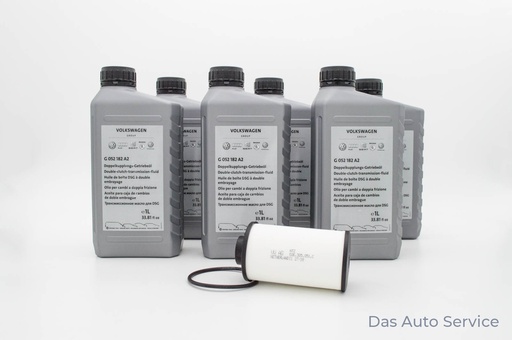
6-speed DSG gearbox service kit
This 6-speed DSG service kit gives you what you need for an oil and filter change. But remember, an adaptation is essential after servicing.
View in our shop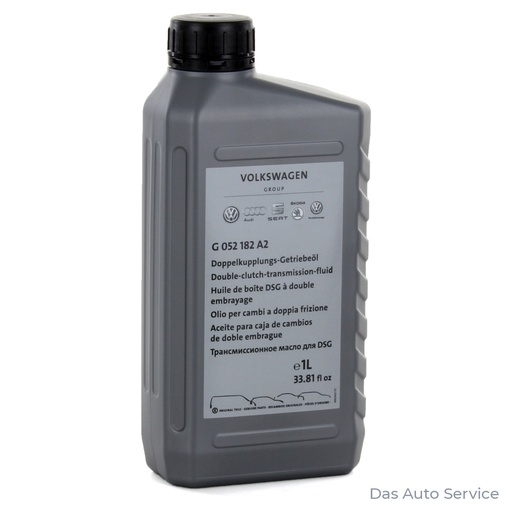
For the DQ250, I choose genuine DSG gearbox oil. This isn't a gearbox where I'd experiment with alternative oils.
View in our shopRead more
- Pre-purchase inspection
- Routine servicing
- VW Golf 6 2.0 TDI Service Schedule
- 2.0 TDI (EA189): EGR, cooler and limp mode
- DSG DQ250: when does the mechatronic unit fail and what should I do?
Frequently asked questions
Which Golf 6 2.0 TDI should I choose – 110, 140 or 170 hp?
I'd go for the 140 hp version. It's got plenty of pulling power and makes a great everyday car. The 170 hp GTD is more fun to drive, but trust me, the car's condition and service history matter far more than a few extra horsepower.
What are the most common problems with the Golf 6 2.0 TDI?
We pay particular attention to the EGR valve and its cooler, the DPF, the DSG DQ250, the turbo's variable geometry and the dual-mass flywheel. That doesn't mean every Golf will have these problems. That's why we diagnose first and draw conclusions afterwards.
How long does the DSG gearbox last in a Golf 6 2.0 TDI?
Nobody can promise you a particular mileage from a DQ250. What matters to me is changing the genuine gearbox oil and filter every 60,000 km, carrying out an adaptation after servicing and making sure the gearbox itself is in good condition.
Is the Golf 6 2.0 TDI suitable for city driving?
Yes, but there's a catch. Short journeys often interrupt DPF regeneration, allowing soot to build up inside the filter. If you mainly drive short distances, make sure the DPF is checked thoroughly.