"The Golf 8 1.5 TSI jerks when it's cold. Is that normal, or am I buying myself a problem?" I hear this question all the time from people who've got their eye on a petrol Golf 8 but have read all sorts of horror stories online. Some say the engine is brilliant. Others complain that the car kangaroos, the DSG gearbox jerks and the screens seem to have a mind of their own. The truth is, the VW Golf 8 (CD), which has been in production since 2020, has plenty going for it with the 1.5 TSI petrol engine. But there are a few things I want you to know before you part with your money. In this VW Golf 8 1.5 TSI review, I'll tell you what we see at the workshop, what I'd check myself and when I'd happily tell you to go ahead and buy one.
Who is the VW Golf 8 1.5 TSI right for?
If you mostly drive around town but enjoy a longer trip at the weekend, this engine is a really nice choice. It's quiet, economical and you don't have to worry about a DPF like you would with the diesel versions. You don't need to spend your life on the motorway to keep it happy. And that's exactly why the 1.5 TSI makes sense if you want one car that can do a bit of everything.
But there's something I always tell my friends. Just because an engine is good on paper doesn't mean every car fitted with it is a good buy. Especially when we're talking about a used car with an unknown history. I'd look beyond the engine and check the gearbox, software and overall condition too. Because at the end of the day, you're the one who'll be driving it, not the person selling it to you.
What engines and gearboxes does the Golf 8 have?
With the petrol Golf 8, you'll come across several versions of the 1.5-litre engine. The differences aren't just about horsepower. They also affect how the car drives. So when you're looking through adverts, I want you to know exactly what's under the bonnet rather than choosing purely because it says TSI on the back.
- 1.5 TSI with 130 hp – the lower-powered petrol version. Some versions have a system that switches off cylinders when the engine doesn't need all its power.
- 1.5 TSI with 150 hp – the more powerful petrol version, also available with cylinder deactivation on some versions.
- 1.5 eTSI – this one comes with a 48-volt mild hybrid system that helps the petrol engine do its job. It's only available with the 7-speed DSG DQ200.
- Gearboxes – with the 1.5 TSI, you'll find a 6-speed manual and a 7-speed DSG.
If you ask me whether to go for a manual or a DSG, I'm not going to make that decision just by looking at an advert. Both have their place, but the automatic gearbox needs a bit more attention during the test drive. Especially the DQ200. It can be lovely to drive, but if it starts jerking, please don't accept "they all do that" as a diagnosis.
What are the common problems in this VW Golf 8 1.5 TSI review?
Now we're getting to the interesting bit. I don't want to frighten you with every horror story you can find on the internet, but I'm not going to pretend everything is perfect either. There are a few well-known complaints worth paying attention to. The important thing is to find out what's actually causing them rather than throwing parts at the car and hoping for the best.
Why does the 1.5 TSI jerk when cold?
You start the car in the morning, pull away and it begins to kangaroo slightly, almost as if it hasn't quite decided whether it wants to move. This is a known behaviour with the 1.5 TSI, and you shouldn't ignore it just because it disappears once the engine warms up. We need to diagnose the cause and check the software, not start replacing parts at random. I've explained it in detail in my article about the 1.5 TSI jerking when cold.
Why does the DSG DQ200 jerk and judder?
"Kris, the gearbox jerks when I pull away, and sometimes it actually gives me a shove." That's exactly how the driver experiences the problem, and I know what they mean. The DQ200 is a 7-speed DSG with dry clutches, and we need to pay close attention to how it behaves when pulling away. Not every jerk means the same thing has gone wrong, so our first job is to find the cause. If you'd like to understand it better, have a read of why the DSG DQ200 jerks and judders.
Why do the screens and infotainment system play up?
The Golf 8 is a modern car, and so many of the things you use every day are controlled through the screens and infotainment system. Unfortunately, those are sometimes the very things that give you a headache. The good news is that software updates fix most of these complaints. That's why, before buying, I'd check which software version is installed and whether the car has received the updates it needs. Don't rush to blame the hardware before you've checked the software.
What can go wrong with the mild hybrid system?
With the 1.5 eTSI, there's another system you need to know about – the 48-volt mild hybrid setup. It includes a starter-generator and a small lithium battery. If something goes wrong, you might see fault messages or notice that Start/Stop has stopped working. That doesn't automatically mean the battery needs replacing. It means we need to read the fault codes and find out exactly what's happening.
What should I check before buying a Golf 8 1.5 TSI?
If you've found a particular car you like, I wouldn't start by asking whether it looks good in the photos. I'd start by finding out how it actually runs. There are three checks I really don't want you to skip.
- Check the software version and service campaigns. I want to know whether the car has received all the necessary updates.
- Test the DSG when cold and when pulling away uphill. Don't settle for a five-minute drive in a car that's already warmed up.
- Run a diagnostic scan of every control module. Not just the engine, because problems aren't always hiding where you'd expect to find them.
If you can't carry out these checks yourself, book a pre-purchase inspection. It's much better to know what you're buying now than to spend your time afterwards wondering why the car isn't working properly.
How should I service my Golf 8 1.5 TSI to make it last?
I'm very firm on this one. For cars driven in Bulgaria, I recommend changing the engine oil and every filter every 10,000 km or once a year, whichever comes first. That means the oil filter, air filter, fuel filter and cabin filter. It doesn't matter whether you're using LongLife oil. The manufacturer's longer service intervals are partly linked to environmental requirements, but I'd rather look after your engine.
- Engine oil – every 10,000 km or once a year, using oil with the correct VW approval for your particular engine.
- All filters – change them together with the engine oil. Don't leave one until the next service.
- DSG – change the gearbox oil every 60,000 km using genuine oil. We always carry out an adaptation after servicing the gearbox.
I've also put together a separate VW Golf 8 1.5 eTSI service schedule, which you can use as a guide.
IMPORTANT! If your Golf 8 1.5 TSI kangaroos when cold, don't expect an engine oil change to fix it. You need proper diagnostics and a software check. Otherwise, you're just wasting your time.
What's my verdict on the VW Golf 8 1.5 TSI?
I like what this car has to offer. A quiet, economical petrol engine, a modern car and a good choice for city driving and a mix of different journeys. But I'd only buy one after checking the software, DSG and the rest of the car's systems. If everything works as it should, the Golf 8 1.5 TSI is well worth considering. If the seller won't let you test it from cold or refuses a diagnostic check, I'd keep looking.
Tip from Kris Mladenov: Arrange to see the car in the morning, when the engine is completely cold. Start it, pull away gently and pay attention to any jerking, how the DSG engages and how the car behaves on a hill. That's when you'll notice things that can be completely hidden once the engine warms up.
I hope you've found this article useful! If you have, I'd love you to share it with a friend who's looking for a Golf 8. My mission is simple – when I know something useful, I want more people to know it too. Because good information can save you a lot of trouble, and if you buy the wrong car, it's your own pocket that ends up paying for it.
The solution in our shop
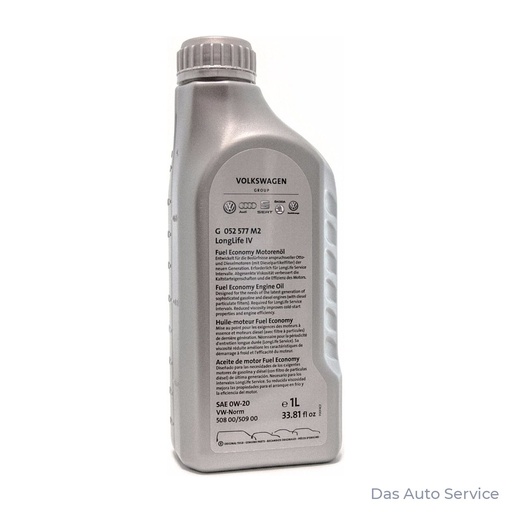
Genuine LongLife IV 0W20 oil G S60577M2 1l
Genuine LongLife IV 0W20 engine oil for engines that specifically require this oil approval. Always check the requirements for your particular car.
View in shop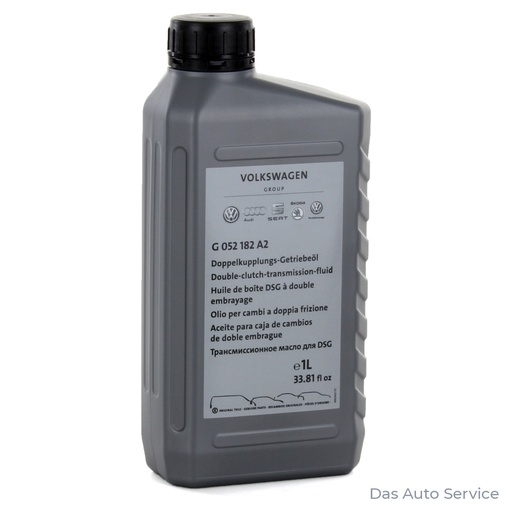
Genuine DSG gearbox oil G052182A2 1l
Genuine DSG gearbox oil, which we use when servicing gearboxes according to the requirements of each specific gearbox.
View in shopRead more
- Pre-purchase inspection
- Routine servicing
- VW Golf 8 1.5 eTSI Service Schedule
- 1.5 TSI Cold Engine Jerking: Why Does It Happen?
Frequently asked questions
What are the most common problems with the Golf 8 1.5 TSI?
The best-known complaints are jerking when cold, the DSG DQ200 juddering or jerking, and software problems affecting the screens. On eTSI models, you may also encounter faults in the mild hybrid system.
What does eTSI mean on a Golf 8?
It's the 1.5 TSI petrol engine with a 48-volt mild hybrid system that uses a starter-generator and a small lithium battery. On the Golf 8, this version comes with the 7-speed DSG DQ200.
Why does the Golf 8 1.5 TSI kangaroo when cold?
It's a known engine behaviour that needs proper diagnostics and a software check. Don't rush into replacing parts before you've found out what's actually causing it.