"What's the point of washing it when it'll be dirty again tomorrow?" I'm sure you've said that yourself in winter. And I get it. But winter grime isn't just ordinary mud. The roads are covered in salt and de-icing chemicals that stick to your car and slowly eat away at the paintwork, clear coat and underbody. And that's the problem. Washing your car in winter isn't just about keeping it looking nice. It's about protecting it.
When is the best time for washing your car in winter?
- At least once every two weeks. If you regularly drive on roads treated with salt and de-icing chemicals, wash it more often.
- Choose days when the temperature is above freezing.
- Give the car enough time to dry before the temperature drops below freezing again.
How do you wash your car properly in winter?
- Start by giving it a thorough rinse with a pressure washer. That gets the salt and grit off before you even think about rubbing the paintwork.
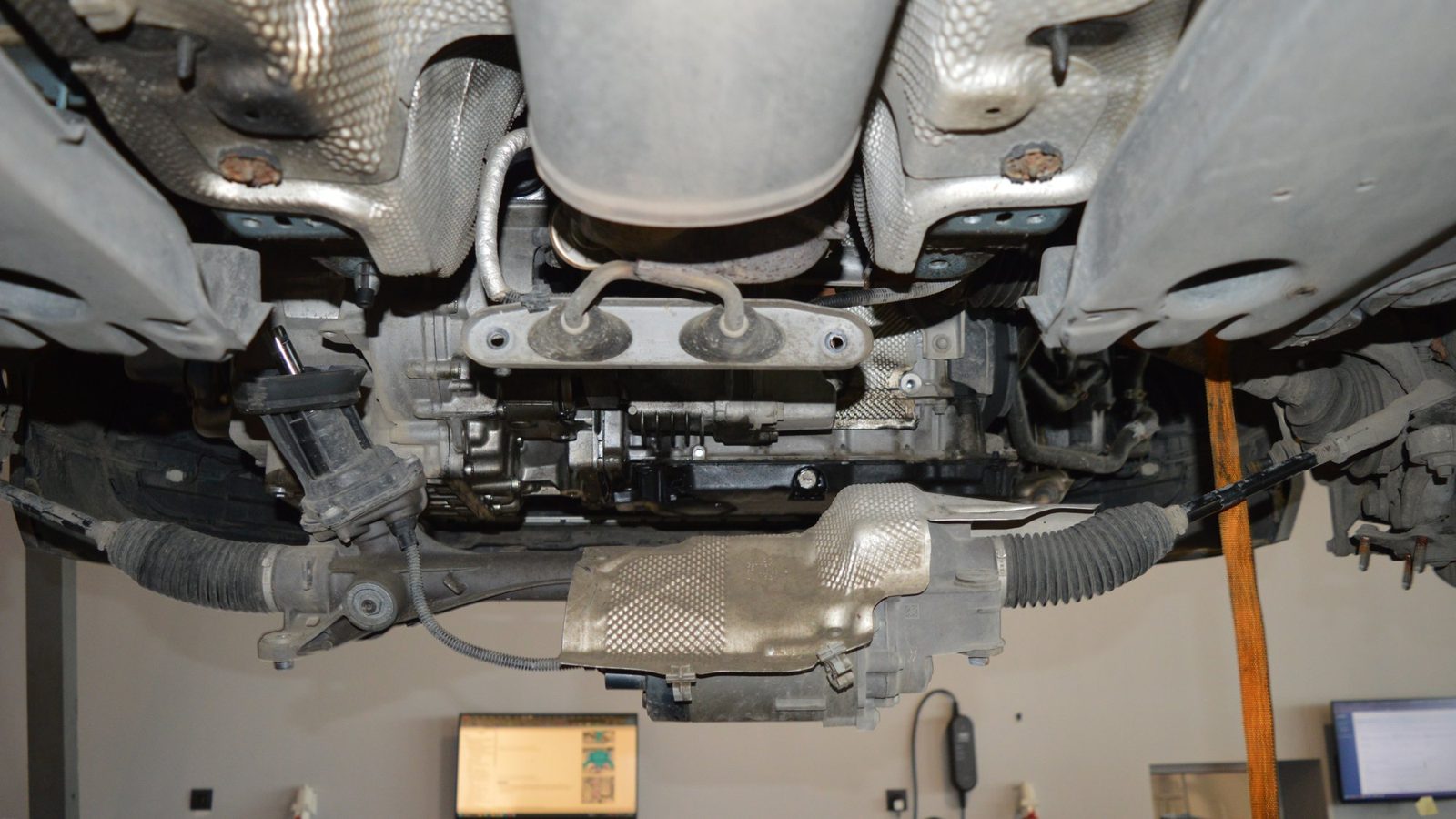
- Don't forget the underside, sills and wheels. That's where a lot of the winter grime builds up.
- Apply the foam and give it a few minutes to work. Don't rush straight in with the sponge.
- Use a soft wash mitt or sponge and work from the top down.
- Rinse everything thoroughly and dry the car.
- Finally, dry the door seals and locks as well. Otherwise, they could freeze.
What should you avoid when washing your car in winter?
- Don't wash your car in seriously cold weather. Water gets into the locks, seals and mirrors, then freezes.
- Don't rub dried-on mud off without wetting it first. The grit acts like sandpaper and will scratch your paintwork.
- Don't use aggressive wheel cleaners while the brakes are still hot.
Never pressure-wash a hot engine with cold water. The sudden temperature change can damage plastic components, and pressurised water can get into electrical connectors. Don't give yourself problems you could easily avoid.
Why do you need to wash the wheels too?
Brake dust is constantly building up on your wheels, and in winter, road salt gets mixed in with it. Together, they form a stubborn layer that sticks to the wheels and gradually starts eating away at the clear coat. That's why I recommend using a wheel cleaner that dissolves brake dust without damaging the finish. And don't leave the wheels for another day. Clean them every time you wash the car.
Tip from Kris Mladenov: After washing your car in winter, take it for a short drive and apply the brakes a few times. This helps dry the brake discs and stops the pads from sticking.
If you want to protect your car's paintwork and underbody, have a look at the cleaning products in our shop. And once winter is over, bring your car to Das Auto Service so we can take a look underneath. That way, we'll see what damage the road salt has left behind.
What can you use from our shop?
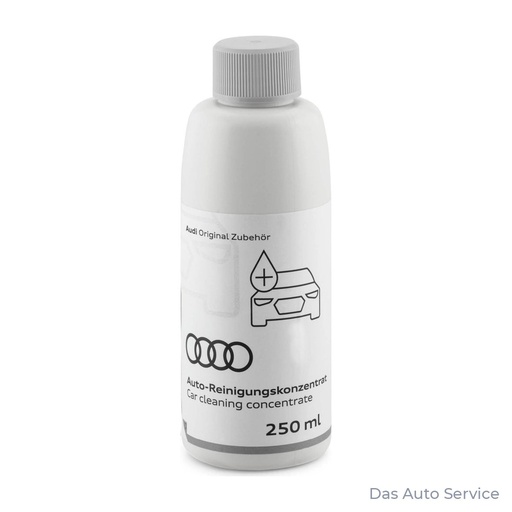
Audi car wash concentrate, 250 ml
Audi car wash concentrate removes salt and dirt without damaging the paintwork or seals.
View in our shop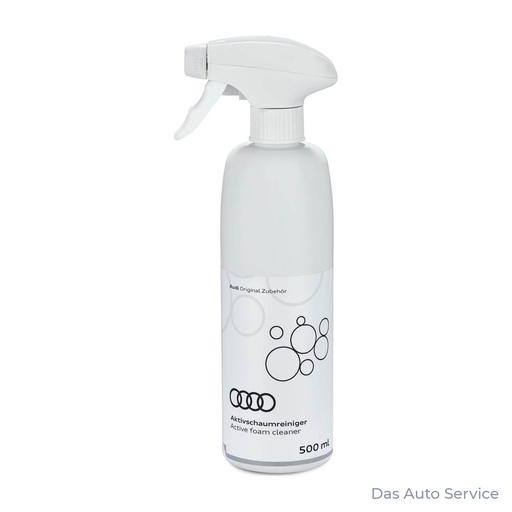
Audi active cleaning foam, 500 ml
Audi active cleaning foam softens the dirt before you go over the car with a wash mitt or sponge. That means less risk of scratching the paintwork.
View in our shop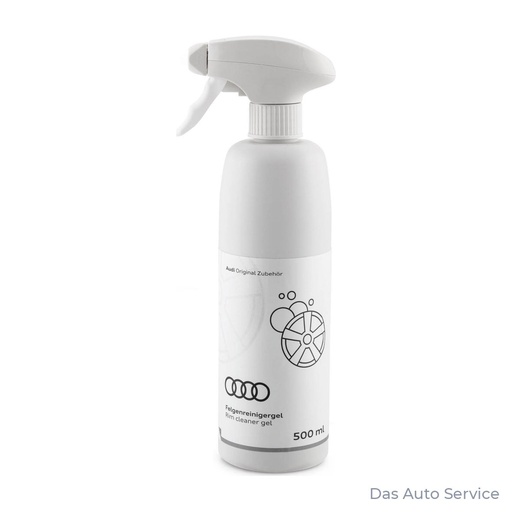
Audi wheel cleaning gel, 500 ml
Audi wheel cleaning gel dissolves the brake dust and road salt stuck to your wheels.
View in our shop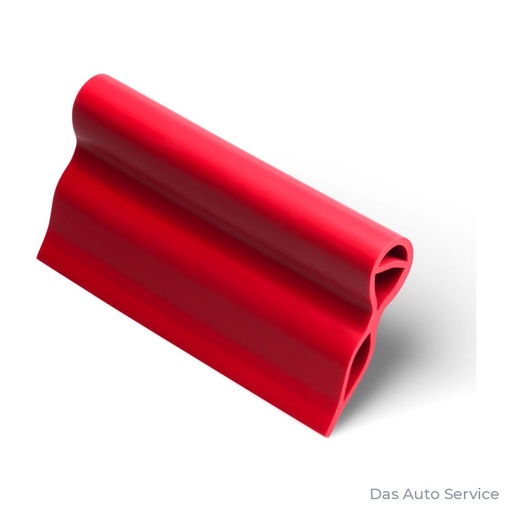
The water removal blade helps you dry your car quickly without leaving scratches.
View in our shopRead more
- Car care products in our shop
- Routine servicing at Das Auto Service
- Road salt and your car's underbody: how to protect it in winter
- How do I wash my car after winter without scratching the paintwork?
- Winter car care kit: what you need to keep in your car
Frequently asked questions
How often should I wash my car in winter?
At least once every two weeks. If you regularly drive on roads treated with salt and de-icing chemicals, don't wait that long. Wash it more often.
Can I wash my car when it's below freezing outside?
I wouldn't recommend it. Water can freeze inside the locks and door seals. You're better off waiting for a day when the temperature is above freezing.
Do I need to wash underneath my car as well?
Absolutely. That's where road salt does the most damage. If you only wash what you can see on the outside, you're missing the most important bit.