People still tell legendary stories about the 1.9 TDI. A million kilometres, cheap maintenance and plenty of pulling power from low revs. And there's some truth behind those stories. Plenty of these cars are still on the road today. But here's the thing! However tough this TDI engine might be, it has its weak points too. If you're already driving one with the PD injection system, or you're thinking of buying one, I want you to know about the 1.9 TDI PD common problems and exactly what to watch out for.
How does the PD (Pumpe Düse) injection system actually work?
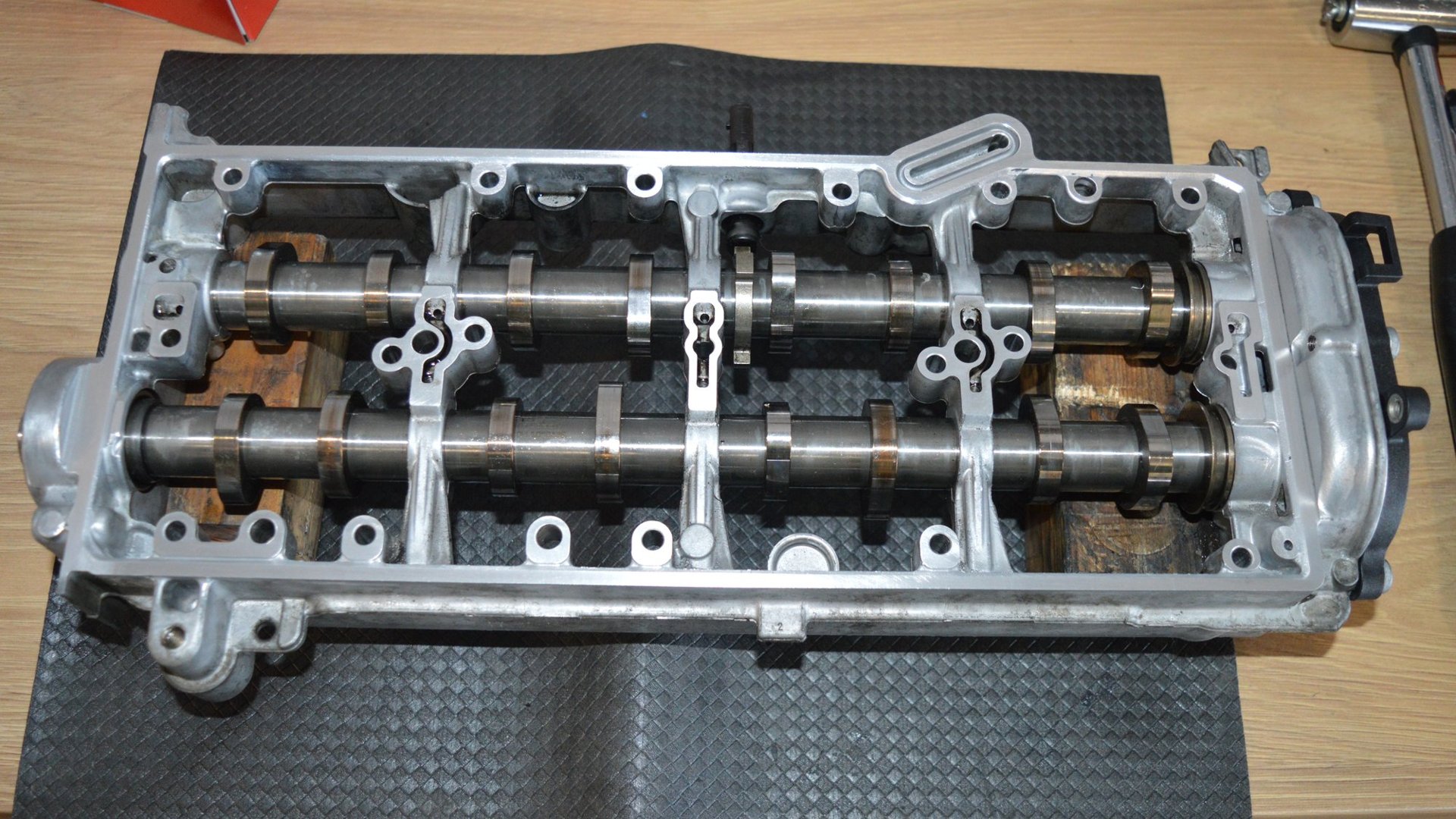
On these engines, each cylinder has its own unit injector, which generates the pressure needed to inject the fuel. It's driven directly by the camshaft. Just imagine the load that puts on the camshaft lobes. That's exactly why using the right oil matters so much. Apart from that, the system is tough and durable, although it's noisier than common rail. Once you've heard that distinctive PD injector clatter, you'll recognise it anywhere.
What are the most common 1.9 TDI PD problems?
Why do the camshaft lobes wear out?
This is one of the well-known weak points of these engines. If someone has been using oil that doesn't meet the VW 505.01 specification, the camshaft lobes start wearing down. Gradually, the engine loses power and doesn't pull like it used to. Eventually, you're looking at replacing the camshaft, rocker arms and hydraulic tappets. And believe me, that's when things start getting expensive.
What can go wrong with the tandem pump?
The tandem pump sits at the end of the cylinder head. Its job is to generate vacuum and supply fuel to the injection system. Over the years, though, it can start leaking oil or fuel. That's why, whenever we're tracking down a leak, we always check the tandem pump too.
Why does the injector wiring cause misfires?
The PD injector wiring loom sits underneath the rocker cover, right in the engine oil. Over time, oil can work its way into the connectors and the electrical connections start playing up. You might notice one cylinder misfiring or find fault codes stored in the ECU. But don't rush into replacing an injector. Check the wiring first.
What problems do the turbo and dual-mass flywheel cause?
If you mainly drive around town, soot builds up and the turbo's variable geometry can start sticking. And once the mileage gets high, the dual-mass flywheel can start giving you trouble too. You'll often recognise it by the rattling noise when you switch the engine off. Both are familiar problems on these TDI engines.
What should you watch out for on the 2.0 TDI PD?
The 2.0 TDI PD has a few other weak points that I really don't want you to underestimate. On some engines fitted with balance shafts, the oil pump drive wears out. Certain versions can also suffer from cracked cylinder heads. That's why, when we inspect one of these cars before purchase, we always want to see the exact engine code and service history. Not every 2.0 TDI suffers from the same problems.
Never put oil into a PD engine unless it meets the VW 505.01 specification. The camshaft can wear out quickly, and fixing it certainly isn't cheap. I'm telling you this because, when the repair bill arrives, you're the one paying for it out of your own pocket, not the garage.
How can you keep your 1.9 TDI running for many more miles?
- Change the engine oil and oil filter every 10,000 km or once a year, whichever comes first, regardless of the oil used. And always use oil that meets the VW 505.01 specification.
- Replace the timing belt kit on time, together with the water pump. Don't wait for something to go wrong.
- Take the car on longer journeys outside town regularly to help prevent the turbo's variable geometry from sticking.
- Change the coolant every third heating season.
Advice from Kris Mladenov: If you've found a car with a 1.9 TDI that you like, make sure you listen to the engine when it's cold. If there's a loud rattling noise from the top, the camshaft lobes may already be worn. Don't turn a blind eye to it.
If you're driving a 1.9 TDI PD and want it to keep serving you well for years to come, bring it to Das Auto Service and let us take a look. We'll check the condition of the engine and tell you what actually needs doing. No guesswork repairs and no replacing parts unnecessarily.
The solution in our shop
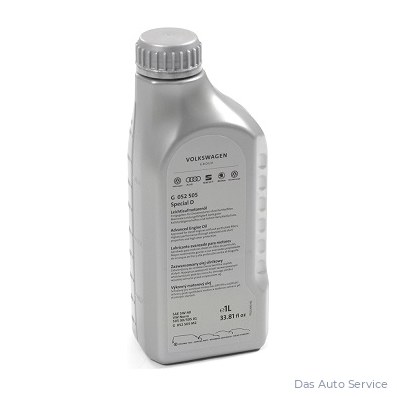
Genuine Volkswagen SpecialD 5W-40 1-litre diesel engine oil
Genuine 5W-40 engine oil meeting the VW 505.01 specification for PD engines. Using the correct oil matters because it protects the camshaft lobes and the unit injectors themselves against wear.
View in our shopRead more
- Diagnostics at Das Auto Service
- Complete engine rebuilds
- Inside the TDI cylinder head: camshafts and hydraulic tappets
- 2.0 TDI with balance shafts: the oil pump problem
- 2.0 TDI: the vacuum pump that leaks oil
- Škoda Octavia 2 1.9 and 2.0 TDI service schedule
Frequently asked questions
What oil should I use in my 1.9 TDI PD?
Only oil that meets the VW 505.01 specification. Use the wrong oil and the camshaft can wear out surprisingly quickly. Trust me, this is one place where cutting corners simply isn't worth it.
Is a car with a 1.9 TDI still worth buying?
Yes, provided it has a proper service history and has been thoroughly checked. Many of these engines have already covered serious mileage. So judge the actual engine in front of you, not all the wonderful things you've heard about the 1.9 TDI.
Why is my 1.9 TDI losing power and rattling from the top of the engine?
Worn camshaft lobes are often to blame. If your engine no longer pulls like it used to and there's a rattling noise from the top, get it checked. Don't leave it, because the problem can get worse.