Sound familiar? "Starts first time every morning, but if I stop at a petrol station for 15 minutes, it just cranks and cranks without starting. Let it cool down, and it fires straight up again." That's the classic TDI hot start problem on 1.9 and 2.0 TDI engines with PD (Pumpe Düse) injectors. The car drives beautifully, nothing seems wrong, but switch off a warm engine and suddenly you're cranking forever. Then it cools down and starts as if nothing ever happened. I want to explain why this happens, how we track down the cause at Das Auto Service and why I'm asking you not to rush out and buy new injectors. Because it's your money we're talking about.
How do I know if I have a TDI hot start problem?
There's one very distinctive thing about this fault: everything depends on engine temperature. And that's exactly what makes it so difficult to catch. You leave the car at the garage, the engine cools down, the mechanic turns the key and it starts first time. Meanwhile, you're standing there wondering whether you've imagined the whole thing. You haven't. The fault simply shows up under certain conditions.
- When the engine is cold, the car starts immediately without the starter motor having to crank for ages.
- After driving and stopping for 10–30 minutes, the starter cranks for a long time, but the engine either won't fire or really struggles to start.
- Once the engine cools down, the car starts perfectly normally again, as though nothing happened.
- Sometimes the engine even cuts out while you're driving when it's hot, then refuses to restart until it cools down.
I want you to pay attention to exactly when it happens. If your car starts perfectly in the morning but refuses after a short stop with a warm engine, we've already got a good idea where to look. But if it struggles to start when cold as well, the cause could be completely different. Not every starting problem is the same. And not every one is fixed by replacing the same part.
What does diagnostics tell us when the car won't start warm?
First, I check the fault codes stored in the ECU and the live data in the measuring blocks. I don't start replacing parts, because one proper check could save you a lot of money. For example, P0322 and P0335 point towards the G28 crankshaft position sensor, P0341 towards the G40 camshaft position sensor, and there may also be fault codes relating to the G62 coolant temperature sensor. But here's the thing! Just because there's a stored fault code doesn't mean we've found the culprit. And equally, having no fault codes doesn't mean everything is fine.
We look at the engine speed the ECU is seeing while the starter is cranking, how much fuel it's delivering during starting and what engine temperature it's reading. Then we compare those values when the engine is cold and when it's warm, right at the moment the car refuses to start. That's what matters. Otherwise, we could spend all day checking a car that's running perfectly at that particular moment. If your TDI struggles to start in the morning, have a read of why your TDI struggles to start when cold. The causes are different.
Why won't my car start when it's warm?
There are several possible causes, and I want you to understand them before someone starts suggesting expensive repairs. On 1.9 and 2.0 TDI PD engines, the sensors, fuel system, wiring and starter motor all need to work together. All it takes is one of those components to start playing up at high temperatures, and suddenly the car won't start when warm. Yet when it's cold, everything seems perfectly fine. That's why we check things in a sensible order.
The G28 crankshaft position sensor
This is one of the first suspects in a classic hot start problem. When the sensor gets hot, it can sometimes stop sending a signal to the ECU, and the engine simply refuses to start. It can even cut out while you're driving. Then the sensor cools down, the signal comes back and the car starts first time again. The tricky part is that if we only test it when it's cold, it might appear to be working perfectly.
The G40 camshaft position sensor
G40 also tells the ECU what's happening inside the engine so it can start properly. If that signal is missing or incorrect, the starter may have to crank for much longer. Sometimes the engine won't fire at all. That's why we don't focus exclusively on G28. We check G40 as well, including its wiring and connectors.
The G62 coolant temperature sensor
The ECU uses information from various sensors, including G62, to decide how much fuel to deliver when starting. If G62 is reporting the wrong temperature, the ECU may calculate the wrong amount of starting fuel. This often becomes most noticeable when the engine is warm. And here's the catch. The starter might be turning the engine over beautifully, but if the ECU is getting the wrong information, the engine still won't start properly.
The PD injectors and their wiring
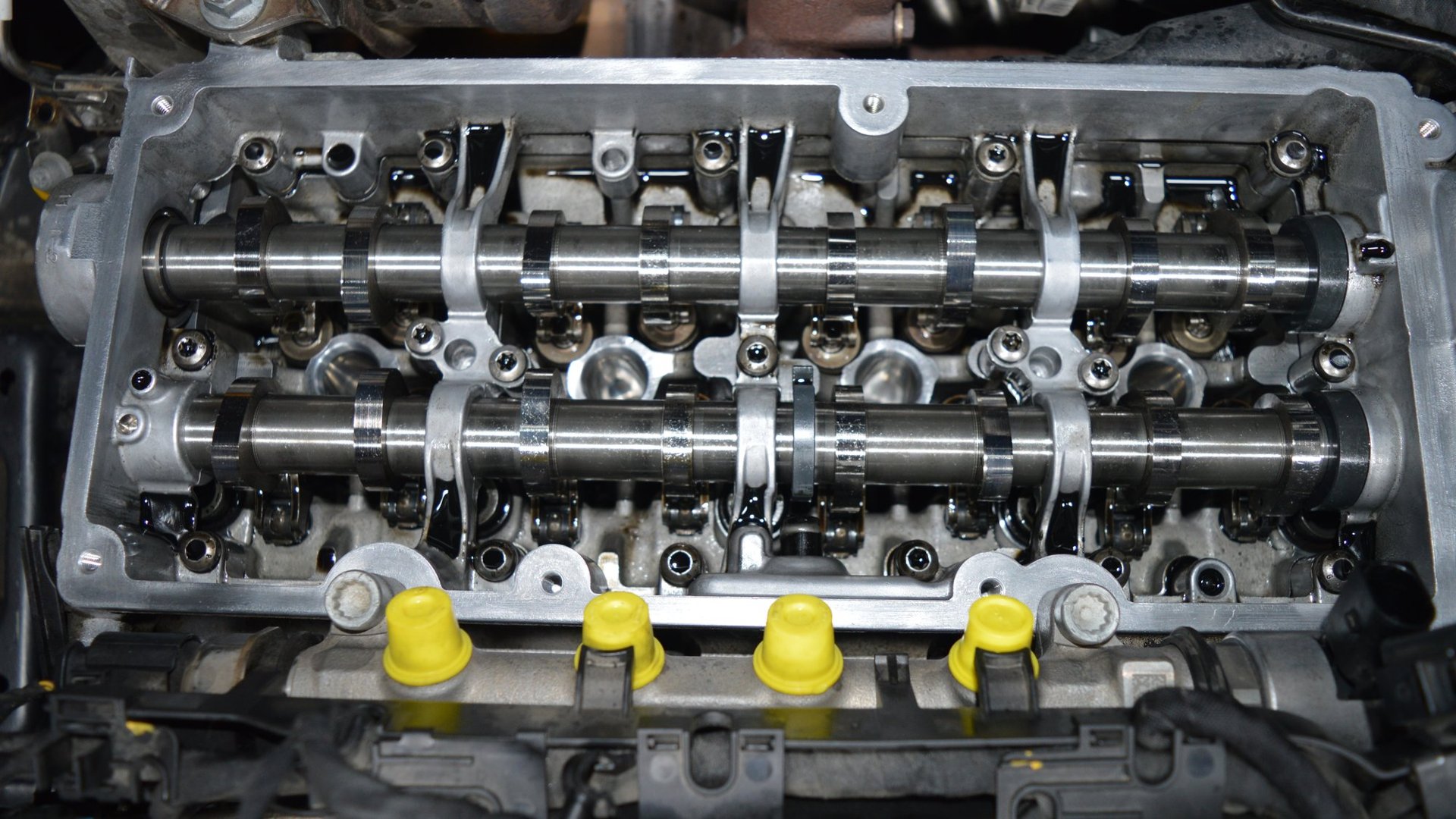
Yes, the PD injectors themselves can also be responsible. When they're worn, the problem can sometimes be most noticeable with a hot engine. There's something else worth checking too: the wiring loom underneath the rocker cover. Oil and ageing electrical connections in there can cause intermittent faults. Sometimes difficult starting comes with black smoke as well. But! None of that means you should immediately replace every injector.
The fuel system and starter motor
Don't overlook the simpler things either: the fuel filter, air getting into the fuel system or a worn tandem pump. Any of these can stop the fuel getting where it needs to go during starting. Then there's the starter motor, which can sometimes turn more slowly precisely when it gets hot. A PD engine needs a certain minimum cranking speed to start. If the starter can't reach it, you can keep cranking for as long as you like. The engine simply won't fire.
What should I NOT do if my car won't start warm?
Please don't start replacing parts on a hunch. One person tells you, "It's the injectors." Someone else offers to "reprogram" the ECU. A third person suggests you simply keep cranking for longer. Eventually, the battery goes flat, your money disappears and the car still won't start. Imagine replacing every PD injector only to discover that a relatively inexpensive sensor was responsible all along. That's why I insist on finding the fault first and repairing it afterwards. Not the other way round.
What's the right way to fix the problem?
At Das Auto Service, we work through the checks step by step because I don't just want to get your car started once and send you on your way. I want us to understand why it refuses to start specifically when it's warm. We begin with diagnostics, then check the components that can fail at high temperatures. We don't jump straight to the most expensive repair. The order of the checks matters.
- We read the fault codes and live data in the measuring blocks with both a cold and warm engine, then compare the readings.
- We check the G28, G40 and G62 sensors, along with their wiring, plugs and electrical connections.
- We check the fuel system, including the filter, fuel pressure and whether air is getting in.
- Only after that do we move on to the PD injectors and the wiring loom underneath the rocker cover.
If your car is behaving exactly like this, what you really need is professional diagnostics, not a shopping spree for parts you hope might fix it. And if you'd like to understand these engines a little better, have a read of 1.9 and 2.0 TDI PD engines: the legend and its weak points. I've explained in more detail how they work and where their weaknesses lie.
Can I keep driving if my car won't start when warm?
You can, but as a friend, I'd strongly advise you not to. Today it might leave you stranded at a petrol station. Tomorrow it could cut out while you're driving. When the engine stops, you lose the normal assistance for your steering and brakes. And that can be dangerous, especially at high speed. Don't wait until the car refuses to start altogether. Find the cause while you still can.
WARNING! If your engine cuts out while you're driving when it's hot, that's not just the car "being temperamental". It's a fault that could leave you stranded on the motorway. Don't carry on driving until we've found and fixed the cause.
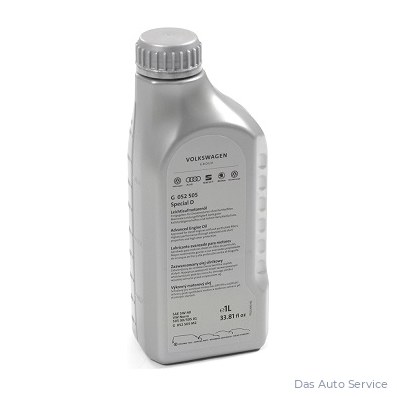
One more important thing about looking after your PD engine. These engines need engine oil that meets VW 505 01 specification. For cars driven in Bulgaria, I recommend changing the engine oil and oil filter every 10,000 km or once a year, whichever comes first. That applies regardless of which oil you use or what the LongLife service intervals say. But don't confuse good maintenance with finding the specific cause of a starting problem.
A tip from Kris Mladenov: If your car starts first time when cold but refuses when warm, please don't spend money on parts until you know what's actually faulty. Check the sensors and the readings with the engine warm first. The culprit is often much cheaper than you think. Replacing the injectors without proving they're faulty isn't diagnostics.
I hope I've helped you understand why your TDI might refuse to start when it's warm. If you've got a friend dealing with the same problem, send them this article. You could save them a lot of headaches and unnecessary repairs. My mission is simple: I want you to know what I know. Because when you understand what's happening with your car, you make better decisions. And you keep more of your hard-earned money in your pocket.
The solution in our shop
Read more
- Diagnostics
- 1.9 and 2.0 TDI PD engines: the legend and its weak points
- TDI hard starting when cold: glow plugs and checks
Frequently asked questions
Why won't my diesel engine start when it's warm?
On 1.9 and 2.0 TDI PD engines, the problem could be the G28, G40 or G62 sensor, the fuel system, the injectors or a starter motor that turns too slowly when hot. To find the real cause, we need to run diagnostics while the problem is actually happening.
Could the crankshaft position sensor be causing the problem?
Yes, G28 is one of the most common suspects. When it gets hot, it can stop sending a signal to the ECU. Once it cools down, it starts working again as though nothing happened.
Should I replace the injectors if my car won't start when warm?
Don't rush into replacing the injectors. We check the sensors, fuel system and electrical connections first. We only repair or replace the injectors once we've confirmed they're actually causing the problem.
Why does my car start normally again after cooling down?
Some electrical components, particularly the G28 sensor, can stop working when they get hot and start working again once they cool down. That's why checking the engine only when it's cold can mean missing the fault completely.