Going away for a few months? Got a second car in the family? Or perhaps you simply don't drive yours during winter? You park it, lock it and forget about it. But here's the thing: cars don't like sitting unused. That's why I've put together this car storage checklist. After a few months, you could come back to a flat battery, rusty brake discs and chewed wiring. And instead of getting in and driving away, you've got a load of problems to deal with.
Car storage checklist: what happens when a car sits unused?
- The battery slowly loses its charge. Even with the engine switched off, the car's control modules still use electricity.
- The tyres lose pressure and can develop flat spots where they've been sitting against the ground.
- Rust forms on the brake discs, and if there's enough moisture, the brake pads can actually stick to them.
- The engine oil and other fluids continue to age, even when the car hasn't moved an inch.
- Martens and mice love a quiet, warm spot under the bonnet. Unfortunately, the wiring often ends up being exactly what they decide to chew.
How should you prepare your car before leaving it parked?
- If a service is coming up, change the engine oil beforehand. Used oil contains acids, and you don't want those sitting inside your engine for months.
- Fill the fuel tank. This helps reduce the risk of condensation building up inside.
- Wash the car and clean the interior. Don't leave food or moisture inside while you're away.
- Inflate the tyres slightly above their normal pressure. This helps reduce the risk of flat spots developing while the car is parked.
- Connect a battery maintenance charger. If you haven't got one, at least make sure you charge the battery regularly.
- If the car is parked on level ground, don't leave the handbrake on for months. The brake pads can stick. If you've got an automatic, leave the gear selector in P.
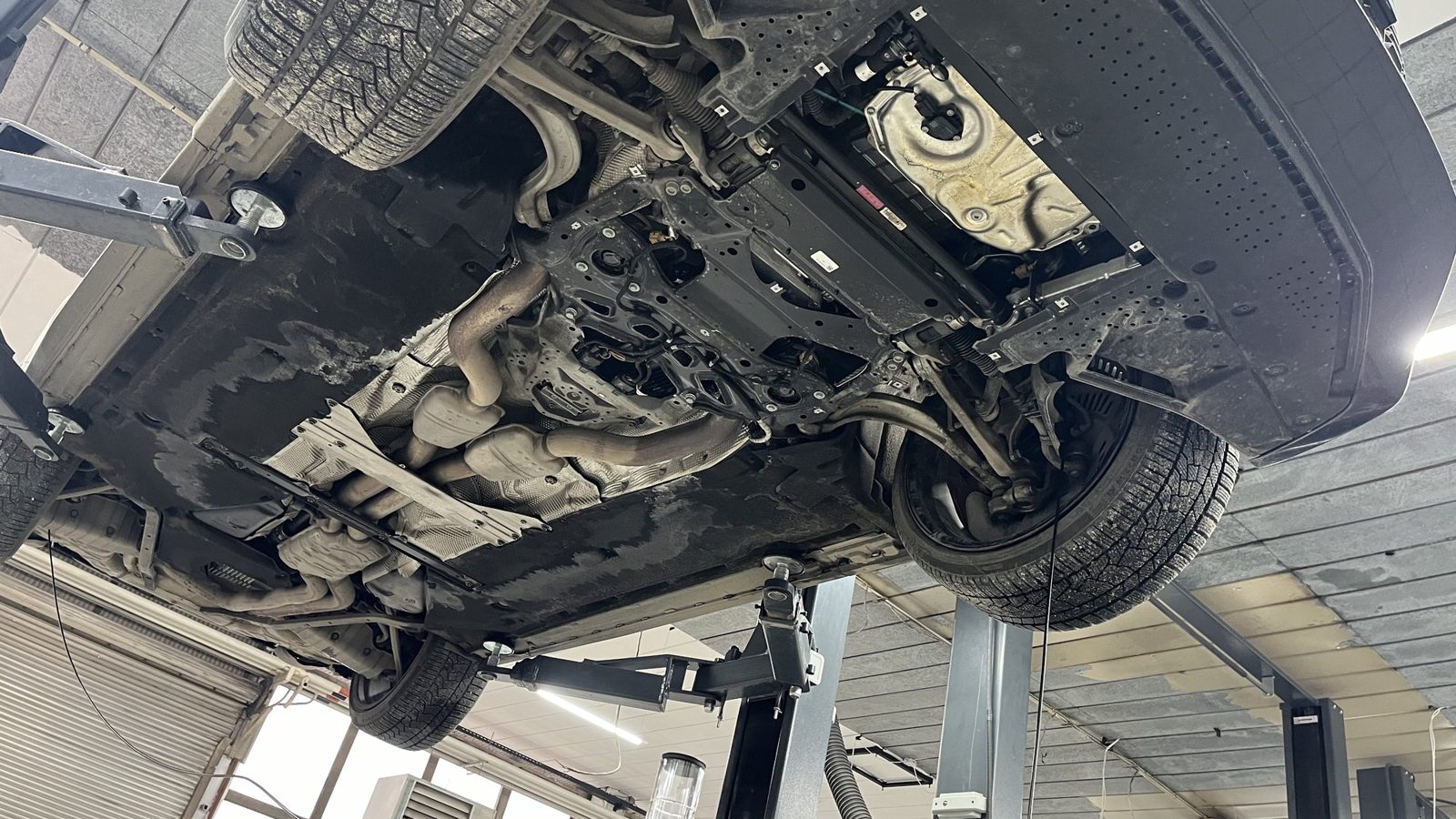
What should you check before starting and driving your car?
- The battery. If it's gone completely flat, a diagnostic scan might show faults stored in all sorts of control modules.
- The tyre pressures. Have a good look at the tyres too, checking for flat spots caused by sitting in the same position for so long.
- Under the bonnet. Check carefully for chewed wiring, signs of rodents and any nests they might have built.
- The brakes. Don't be surprised if the first few stops are noisy because of rust on the discs.
- The engine oil, coolant and brake fluid levels. Take your time and check them before setting off.
If the battery has gone completely flat, don't rush to jump-start the car using another vehicle. Voltage spikes can damage the electronics, and that's when things get expensive. I'm telling you this because I'd rather save you the trouble. It's better to recharge the battery with a proper charger.
A tip from Kris Mladenov: If you're not going to use your car for more than a month, take it out for a 20–30-minute drive at least once every two weeks. That gives the battery a chance to recharge, keeps the brakes moving and stops the seals from sitting in exactly the same position all the time. It's much better than forgetting about the car for months.
If your car has been sitting unused for a long time and you're wondering whether everything is still OK, bring it to us at Das Auto Service. We'll check the battery, brakes and fluids. We'll tell you what condition the car is in and whether you can safely get back on the road. I'd much rather we find a problem in the workshop than have your car let you down somewhere on your journey.
What you'll find in our shop
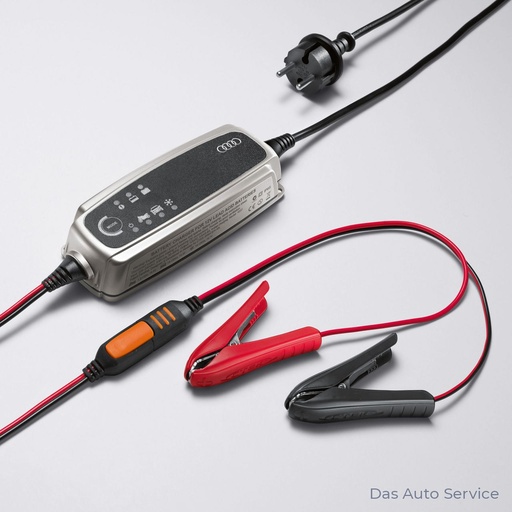
The Audi battery charger keeps your battery charged while the car is parked, so you don't have to worry about it becoming deeply discharged.
View in our shop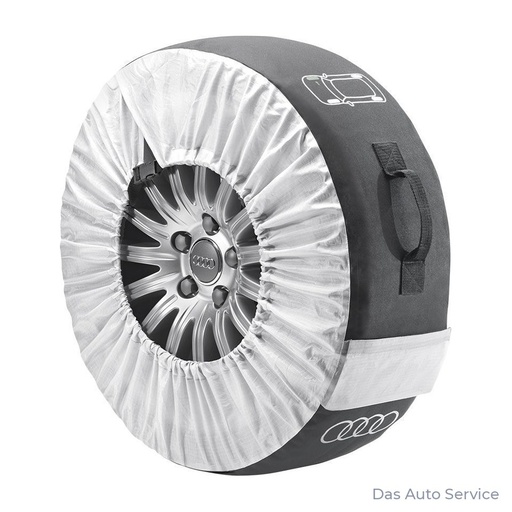
Audi wheel storage bags, size L
If you keep a set of wheels in storage, these wheel bags help keep them clean and make them easier to put away.
View in our shop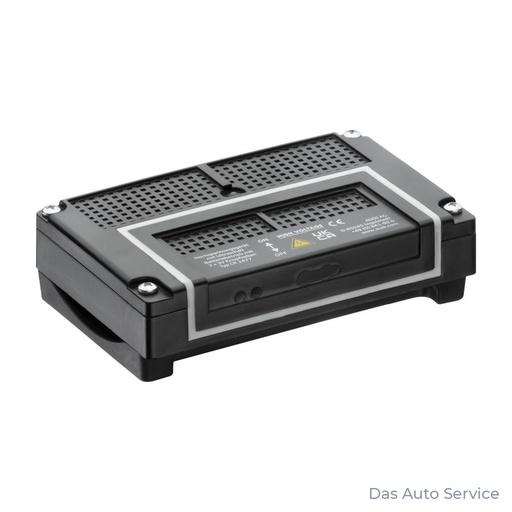
Audi ultrasonic marten repellent device
The ultrasonic device helps keep martens away from the space under your bonnet while the car is parked.
View in our shopRead more
- Routine servicing at Das Auto Service
- Diagnostics at Das Auto Service
- Why does Start/Stop stop working in winter, and why does a new battery need coding?
- Martens under the bonnet: what do they chew and how can you stop them?
- When should you fit winter tyres, and how should you store your summer tyres?
- Hot weather and your car: battery, tyres and air conditioning
Frequently asked questions
How long can you leave a car parked without starting it?
It depends on the model and the condition of the battery. In many modern cars, the battery can start getting weak after just three or four weeks. With a battery maintenance charger, though, you can safely leave the car parked for months.
Should you change the engine oil if your car has been parked for a long time?
Yes, if it's been a year since the last oil change. Engine oil ages even when the engine isn't running. Just because you haven't covered many miles doesn't mean the oil is still as good as new. Don't forget that.
Why do the brakes squeak after a car has been parked for a long time?
It's usually rust on the brake discs. The noise normally disappears after you've used the brakes a few times. But if they keep squeaking, we need to find out why. Don't just leave it.