You take off an intercooler hose and find oil inside. Your first thought? "That's it, the turbo's gone." I get it. Sometimes you're right, but a little oil in the intake system is perfectly normal. If there's quite a bit of it, though, the cause could be something else entirely. That's why I want us to find out where the oil is coming from before we start replacing parts that might be perfectly fine.
Why is there oil in the TDI intercooler?
The crankcase breather sends gases from inside the engine back into the intake system. A little oil mist travels with them and sticks to the inside of the hoses and intercooler. On an engine that's covered a fair few miles, that thin oily film is nothing unusual. And no, it doesn't automatically mean your turbo needs replacing.
When should you start worrying?
- Oil is actually dripping from the hoses, or a significant amount has collected inside the intercooler.
- You're getting bluish smoke from the exhaust, especially when accelerating.
- The engine starts using oil between services.
- There's play in the turbo shaft.
What could be causing the problem?
- The turbo seals are worn.
- The pipe that returns oil from the turbo is blocked.
- The crankcase breather isn't working properly, allowing pressure to build up inside the crankcase.
- The piston rings are worn, letting more combustion gases escape past them into the crankcase.
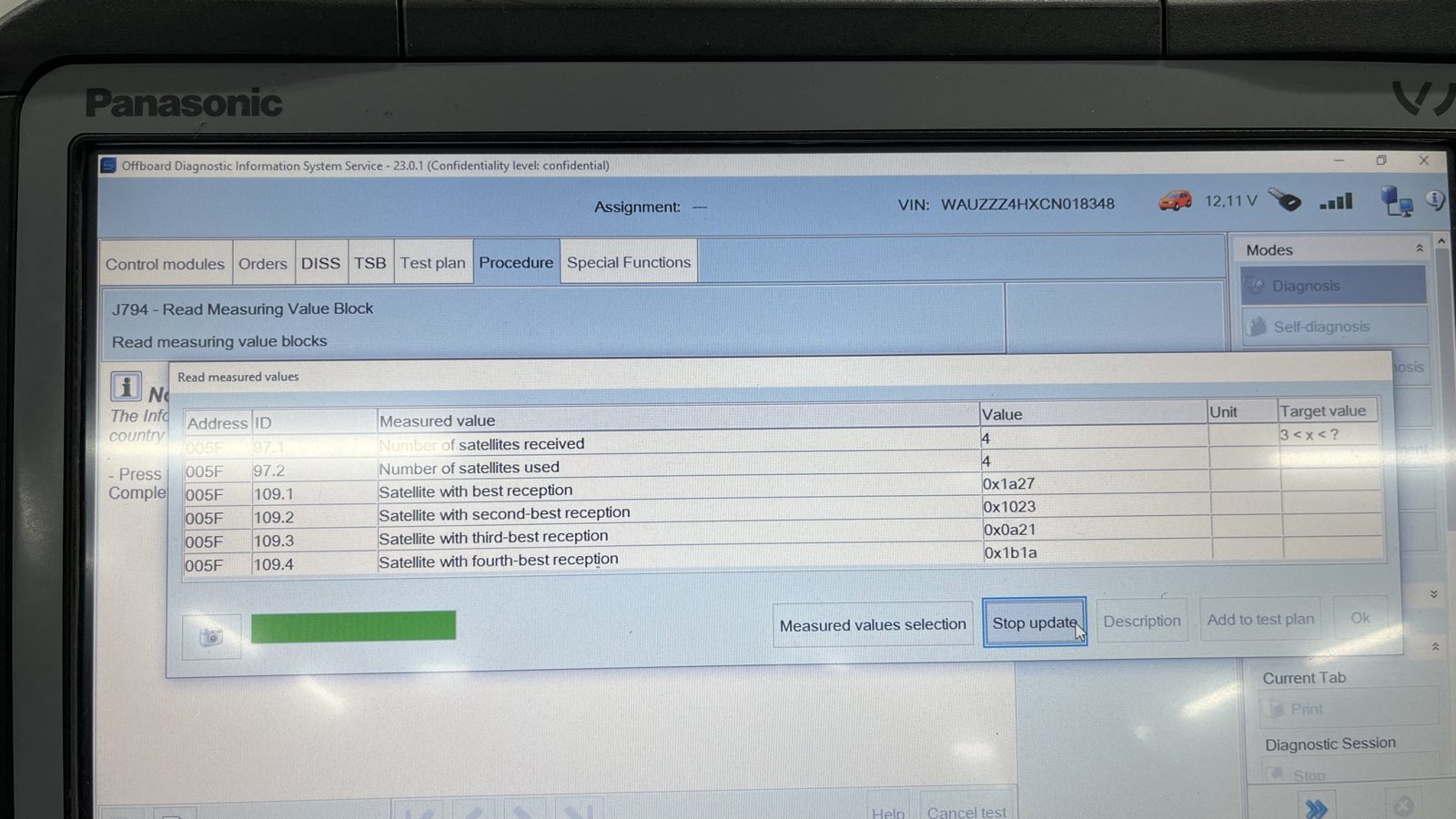
How do we find out where the oil is coming from?
- We check the turbo shaft for play.
- We check that the crankcase breather is working properly and measure the pressure inside the crankcase.
- We check that the turbo oil return pipe isn't blocked.
- We monitor how much oil the engine is using to see whether consumption is higher than normal.
Don't rush into replacing the turbo before we've checked the crankcase breather and oil return pipe. If that's where the problem lies, even a brand-new turbo could start leaking oil. And then things get expensive. I'm telling you this because you'll be the one paying for that mistake out of your own pocket, not the garage.
What do we do after replacing the turbo?
If the turbo has failed and needs replacing, we always clean the intercooler and hoses. There could still be oil inside, and sometimes even bits of the broken turbo. Leave those behind and there's a risk they'll go straight into the engine. That's the last thing we want. So cleaning everything out is an essential part of the repair, not an optional extra.
Tip from Kris Mladenov: Keep an eye on your oil level between services, too. If you notice the engine starting to use more oil than usual, bring it in and we'll check it before things get worse. Don't let a small problem turn into a major engine repair.
Found oil in your TDI's intercooler? Don't write off the turbo just yet. Bring your car to Das Auto Service and let us diagnose it properly. We'll check the whole system, find out where the oil is coming from and only then decide what actually needs repairing.
The solution in our shop
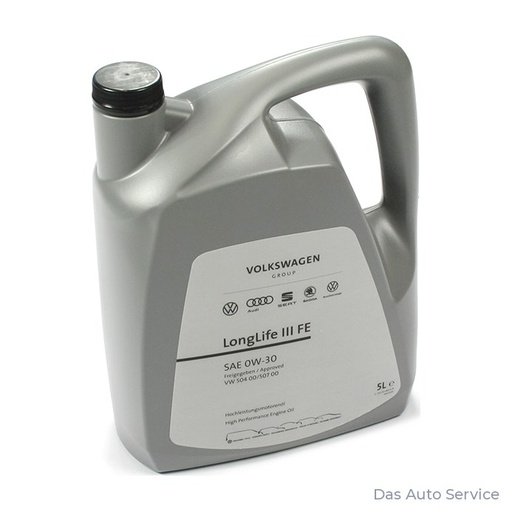
Genuine LongLife III FE 0W-30 engine oil, 5 litres
Genuine engine oil that meets the correct VW specification helps the turbo work as it should and reduces the oil mist coming from the crankcase.
View in our shopRead more
- Vehicle diagnostics at Das Auto Service
- Major engine repairs
- 2.0 TDI turbo: Whistling, smoke and loss of power
- 2.0 TFSI using oil and whistling: Crankcase breather problems
- Oil leaks from the rocker cover and sump
Frequently asked questions
Is it normal to have oil in the intercooler?
A thin film of oil is perfectly normal. But if oil is dripping from the hoses or collecting inside the intercooler, we need to find out where it's coming from.
Is the turbo always to blame for oil in the intercooler?
No. The problem could be the crankcase breather or the turbo oil return pipe. That's why we check the cause first and only then decide what needs repairing.
Does the intercooler need cleaning after a turbo replacement?
Yes, absolutely. We clean the intercooler and hoses to remove any leftover oil and debris from the damaged turbo.