Your 2.0 TDI has lost power, the engine warning light is on, you might hear a whistle, and there could even be smoke coming from the exhaust. Your first thought? "The turbo's gone." And you might be right. But you'd be surprised how often the turbo is absolutely fine and the real problem is something around it. That's why I want to show you how we find out what's actually wrong before we even start talking about replacing it.
How does the 2.0 TDI turbo work?
The 2.0 TDI uses a variable geometry turbo. Imagine a set of small vanes inside the turbo that open and close to give you pulling power at both low and high revs. The engine's computer controls how those vanes move. But when soot starts getting in their way, your car loses power. And here's the important bit: the turbo itself might not be damaged at all.
What can cause your car to lose power?
- The variable geometry vanes get stuck because of soot build-up, especially if you do a lot of town driving.
- A split hose or loose clamp between the turbo and the intercooler.
- The variable geometry control system isn't working properly.
- A blocked DPF or a problem with the EGR valve.
- A faulty boost pressure sensor.
When does the turbo actually need replacing?
- The turbo makes a loud whining or whistling noise that gets worse as the revs rise.
- Bluish smoke comes from the exhaust and the engine is burning oil.
- There's play in the turbo shaft.
- A large amount of oil has collected inside the intercooler.
How do we diagnose 2.0 TDI turbo problems?
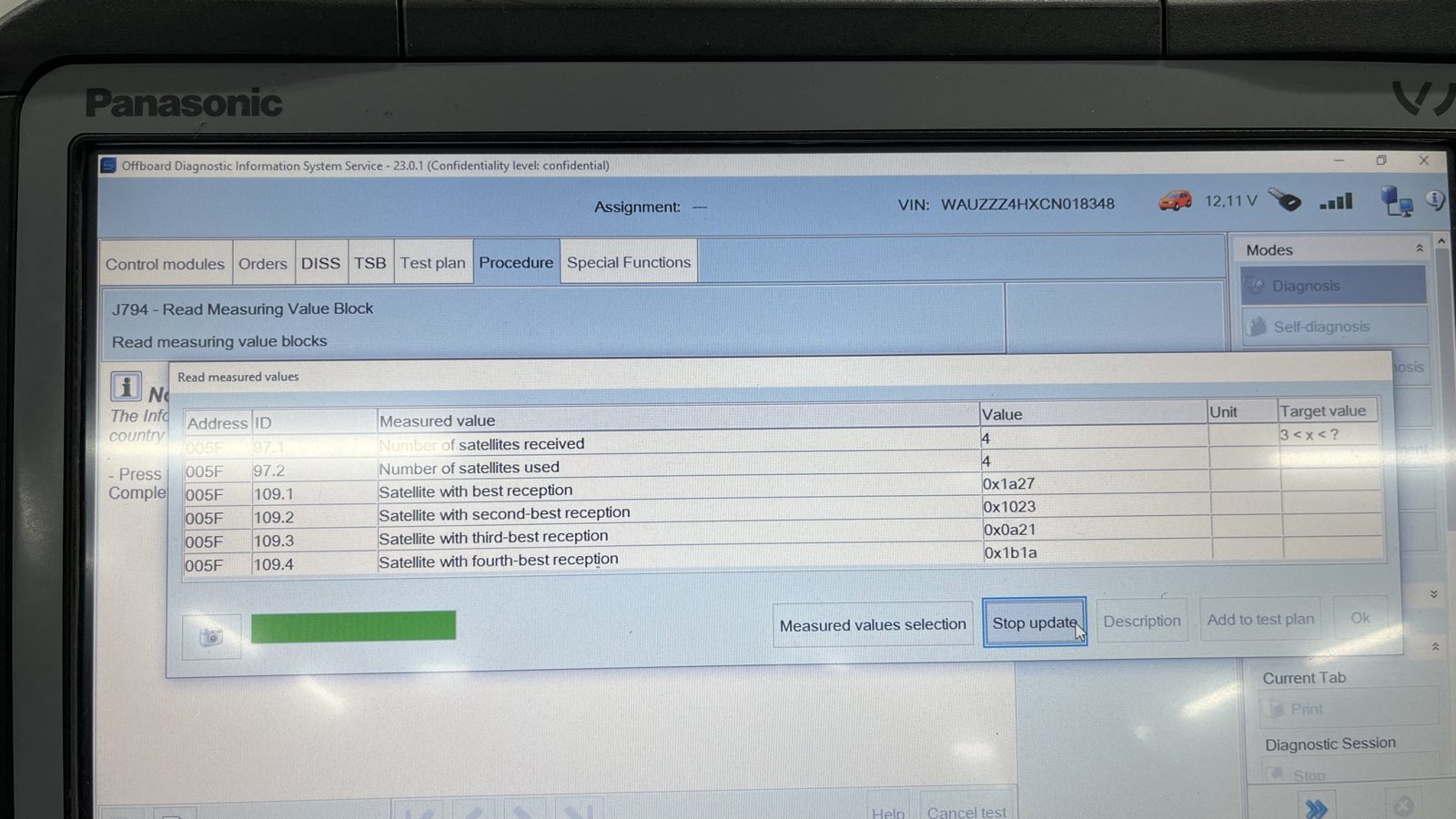
- We read the fault codes and compare the boost pressure the engine's computer is asking for with the pressure the turbo is actually producing while driving.
- We inspect the hoses and intercooler for boost leaks.
- We check that the variable geometry vanes move freely and that their control system works properly.
- Only after all these checks do we decide whether the turbo really needs replacing.
If your turbo has failed because of an oil-related problem, don't rush to fit a new one before finding the cause. A blocked oil feed pipe or old engine oil can destroy the replacement turbo too. And then things get expensive. I'm telling you this because you'll be the one paying for that mistake out of your own pocket, not the garage.
How can you look after your 2.0 TDI turbo?
- Change the engine oil and oil filter every 10,000 km or once a year, whichever comes first, regardless of which engine oil you use.
- Don't put your foot down or rev the engine hard while it's still cold.
- After a long, fast drive, let the engine idle for a minute before switching it off.
- Take the car out of town regularly to help prevent the variable geometry vanes from sticking.
A tip from Kris Mladenov: If your car occasionally loses power but drives normally again after you switch the engine off and restart it, sticking variable geometry vanes are often to blame. Don't wait until they seize completely.
If your TDI isn't pulling properly, don't rush out and buy a new turbo. Bring it to Das Auto Service and we'll check it together. First, we'll find out exactly what's stopping it from working properly. Then we'll decide what actually needs repairing.
The solution in our shop

Genuine Longlife III FE 0W30 engine oil, 5L
Genuine Longlife III engine oil meeting VW 507.00 – fresh oil is the best protection you can give your turbo.
View in our shopRead more
- Diagnostics at Das Auto Service
- Complete Engine Overhauls
- DPF and Town Driving: How to Prevent Blockages
- 2.0 TDI (EA189): EGR, Cooler and Limp Mode
- TDI Common Rail Injectors: When to Replace Them and Why Often All Four
- Audi Q5 FY 2.0 TDI Service Schedule
- Oil in the Intercooler: Turbo or Crankcase Breather?
Frequently Asked Questions
How can I tell if my turbo is faulty?
By running diagnostics and checking boost pressure while driving. Quite often, it's a hose or the turbo control system causing the trouble, and the turbo itself is perfectly fine.
Why does the turbo's variable geometry get stuck?
Usually because soot builds up, especially if you mostly drive around town at low revs.
What damages a turbo?
The biggest culprits are old engine oil and putting your foot down before the engine has warmed up.