You ring up to ask about a part and get offered three options: genuine, OEM and aftermarket. Sometimes one costs twice as much as another. Naturally, you're wondering why you should pay more when they're all supposed to do the same job. Let me explain the real difference between genuine vs OEM vs aftermarket car parts. No sales pitch, just what you need to know.
What exactly is a genuine car part?
A genuine part is one sold by Volkswagen, Audi, Škoda or SEAT under their own brand and part number. It's either the same part fitted at the factory or an officially improved version of it. It comes in genuine packaging and has passed the car manufacturer's quality checks. And here's something important. If a problem has come to light over time and the manufacturer has improved the part, you get the updated version. That's what can make all the difference.
What does OEM mean?
OEM means the part comes from the same supplier that makes the genuine part. The two often look almost identical, but don't be too quick to assume they're exactly the same. An OEM part might be an older version, made to a different specification or missing the latest improvement introduced by the car manufacturer. So remember what I'm telling you: the same supplier doesn't necessarily mean the same part.
What is an aftermarket part?
An aftermarket part is made by another manufacturer using its own designs. And the difference in quality can be enormous. There are some excellent aftermarket parts out there, but there are also ones I wouldn't fit to any car. For certain service items, an aftermarket alternative does the job perfectly well. But! When we're talking about something important to your engine or your safety, the risk is completely different. And if you make the wrong choice, you're the one paying for that expensive repair out of your own pocket.
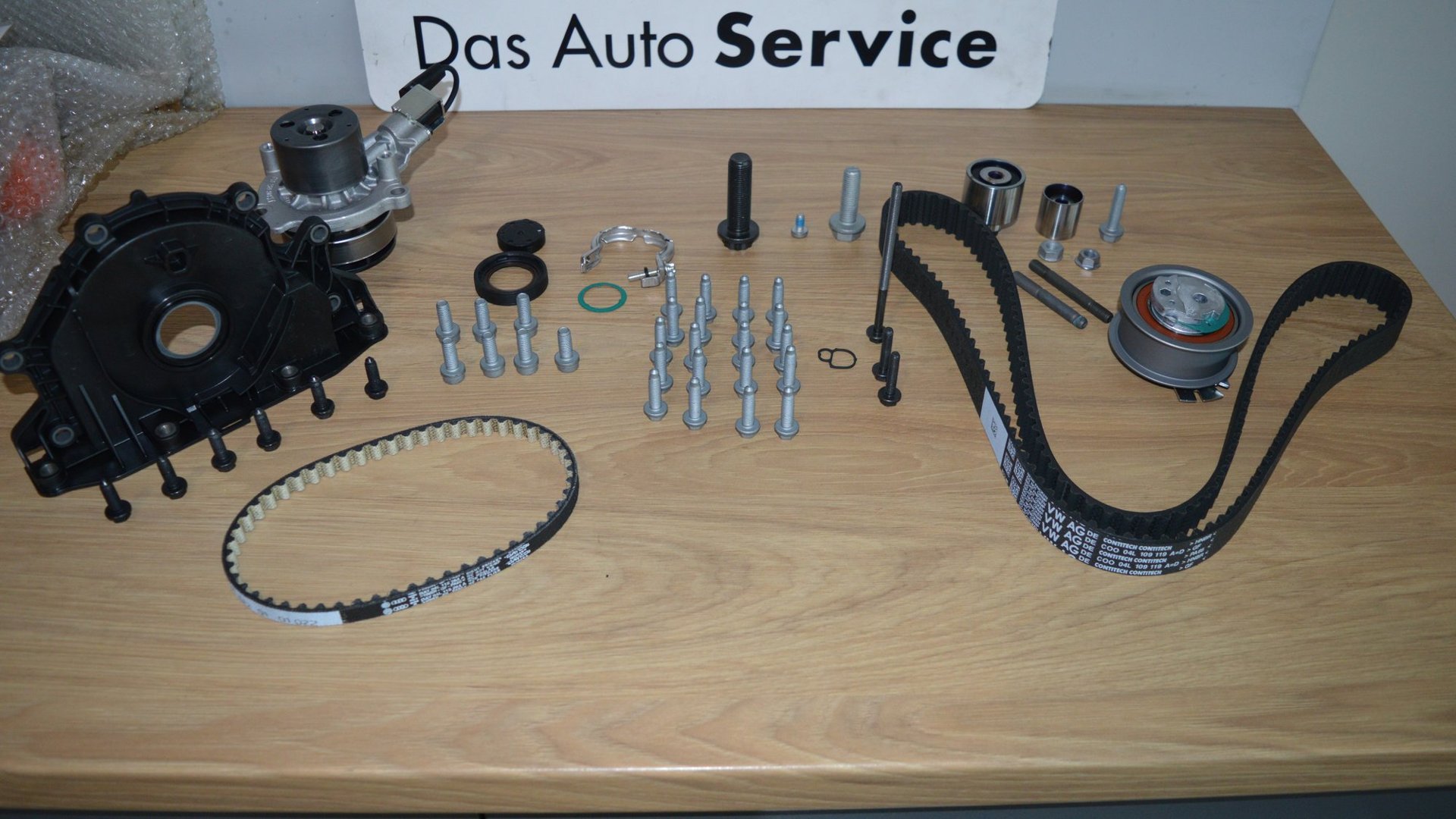
Which car parts should you be most careful with?
- Timing belt, water pump and tensioner pulleys — if something goes wrong here, you could be looking at a major engine repair.
- Brakes — discs, pads and brake fluid. This is about your safety.
- DSG gearbox parts and the mechatronic unit — getting the exact specification right is absolutely crucial.
- Sensors and control modules — especially when they need coding and have to communicate properly with the car's other systems.
- Oils and fluids — the correct specification matters far more than a fancy label.
Don't fit an aftermarket sensor or control module without checking compatibility first. Especially if your car requires coding or Component Protection. The part might not work at all, or you could start getting faults in other systems. And in the end, you've paid for a part that's no use to you whatsoever.
Why do we insist on genuine parts at Das Auto Service?
It's simple. We provide a warranty on our repairs, and we want to know that the parts we've fitted will last. That's why we order genuine parts using your car's VIN, so we know they're exactly right for your vehicle. If you'd prefer a different part, we'll explain the risks. Not because we're trying to talk you into buying something at any cost, but because if things go wrong, having the job done again can cost you far more. And guess who's paying for that mistake? You are, out of your own pocket.
A tip from Kris Mladenov: When you're comparing prices, first check that you're actually looking at the exact same part with exactly the same part number. Because quite often, what looks like a "cheaper genuine part" turns out not to be genuine at all.
If you need a genuine part for your car, send us your VIN. We'll check exactly which part fits and tell you what you need and how much it costs. No guesswork.
What can you find in our shop?
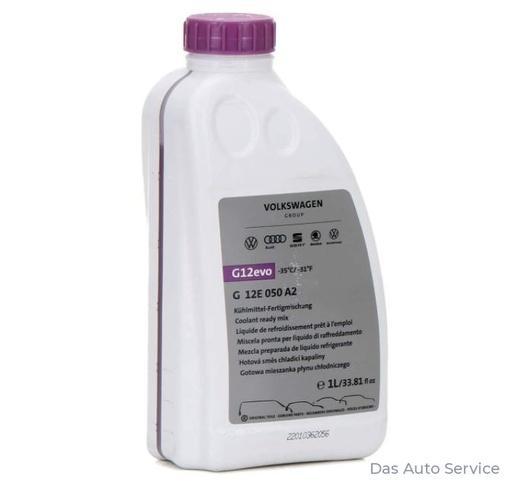
Genuine VAG G12evo coolant G12E050A2 1.0 litre
Genuine G12evo coolant is a perfect example of why getting the specification right matters more than the price. Put the wrong coolant in your car and you risk damaging the engine.
View in our shop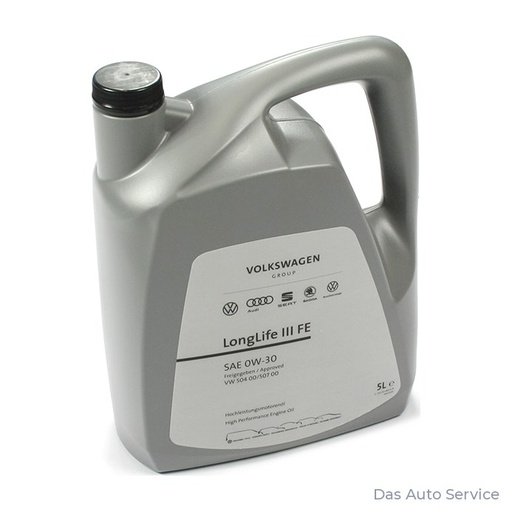
Genuine LongLife III FE 0W30 engine oil 5 litres
Genuine LongLife III engine oil meets the VW specifications required for the relevant engines. You might find a cheaper oil, but that certainly doesn't mean it meets the specification your engine needs.
View in our shopRead more
- Spare parts and accessories
- Routine servicing at Das Auto Service
- Timing belt kit with water pump: what's included in the genuine kit?
- How can I check the genuine service history of a VAG car?
- Buying a car from Germany: what should I check before paying?
- Vehicle identification number (VIN): why do we need it for every part?
Frequently asked questions about genuine vs OEM vs aftermarket car parts
Are OEM parts the same as genuine parts?
Not always, my friend. They might come from the same supplier, but they could be made to a different specification or be an older version. That's why you need to look at the actual part, not just the manufacturer's name.
Will I lose my warranty if I use aftermarket parts?
It depends on the circumstances. Fitting an aftermarket part doesn't automatically mean you lose your warranty. But if the wrong part causes damage, that damage won't be covered by the warranty.
How do I know which part is right for my car?
By checking the vehicle identification number (VIN). That lets us find the exact part specified for your car instead of guessing based on the model, year and engine.