Is the SEAT Ateca worth buying, or are you about to buy yourself a whole load of trouble on four wheels? I get asked about this car quite often. It looks good, it's not too big, and it offers plenty of the things people like about the Tiguan and Karoq. And there's a good reason for that. The Ateca is closely related to both, just with a slightly different character. It's been around since 2016, with quite a choice of engines, gearboxes and 4Drive all-wheel drive. But! Not every Ateca is the same, and that's where things get interesting. I'll explain what we look for at Das Auto Service, where the weak spots are, and what I'd check before spending my own money on one.
Who is the SEAT Ateca right for?
If you've got a family, like sitting a little higher up and need something practical, but don't fancy driving a massive SUV, the Ateca makes a lot of sense. You get the benefits of a taller car without the size and running costs of a big SUV. That's one of the reasons I think it's worth considering. But don't choose one just because it looks nice or has plenty of extras. First, find out which engine is under the bonnet and which gearbox it's paired with. Those two things will make a big difference to what you'll spend on maintenance later.
Which engines, gearboxes and drive systems are available?
There's plenty of choice here, which is exactly why I don't like being asked, "Is the Ateca reliable?" Which Ateca? The one with a small petrol engine and a manual gearbox, or a 2.0 TDI with DSG and 4Drive? They might look almost identical from the outside, but they're quite different when it comes to servicing. Here's what you'll find.
- Petrol engines – 1.0 TSI, 1.4 TSI on earlier models, 1.5 TSI and 2.0 TSI. Don't assume they're all the same just because they run on petrol.
- Diesel engines – 1.6 TDI and 2.0 TDI from the EA288 family. With these, I pay particular attention to the exhaust emissions systems as well.
- Gearboxes – manual and DSG. Smaller engines can come with the dry-clutch DQ200, while the 2.0 and 4Drive versions use wet-clutch gearboxes. That difference matters, especially when it comes to maintenance.
- Drive systems – front-wheel drive or 4Drive. The 4Drive system uses Haldex, a coupling that brings in the rear wheels when extra traction is needed. And yes, that needs servicing too.
What problems do we see with the SEAT Ateca in our workshop?
I'm not going to tell you that every Ateca suffers from exactly the same problems. That's simply not true. There are a few things I pay particular attention to, depending on the engine, gearbox and drive system. The important thing is knowing what to check, rather than blindly replacing parts because someone on a forum said their car had the same problem.
Why does the 1.5 TSI hesitate when cold?
"When I pull away in the morning, the car jerks a bit, but then it settles down." That's a familiar complaint with the 1.5 TSI, and I wouldn't brush it off by saying, "Oh, they all do that." You need to establish exactly when it happens and how the engine behaves. If you're looking at an Ateca with this engine, make sure you drive it from cold, not just after the seller has warmed it up for you. I've explained this in more detail here: 1.5 TSI – Why It Jerks When Pulling Away Cold.
What should I know about the 2.0 TDI, EGR, DPF and AdBlue?
With a diesel Ateca, I don't just check how the engine runs. I also look at what's happening with the EGR, DPF and AdBlue systems. The EGR sends some exhaust gases back into the engine, the DPF traps soot, and AdBlue helps reduce harmful nitrogen oxide emissions. They're three different systems, and you shouldn't confuse them. If the engine warning light comes on, the glow plug light starts flashing, or you get an AdBlue warning, don't assume it's something minor until the car has been properly diagnosed. Especially if there's a message telling you the engine won't start after a certain distance. Have a read of AdBlue on the 2.0 TDI EA288.
What happens to the Haldex system on 4Drive models?
There's something really important I want you to remember here. The Haldex coupling and the rear differential are not the same thing, and they use separate oils. On an Ateca with 4Drive, I recommend changing both oils every 30,000 km. Don't wait until you notice something wrong. The rear-wheel drive can stop working without the car giving you a clear warning. Meanwhile, you're driving around thinking everything is fine. I've explained more in Haldex Generations 1 to 5.
Should I be worried about the DSG gearbox?
I wouldn't rule out an Ateca just because it has a DSG gearbox. But I do want to know exactly which gearbox is fitted and whether it's been serviced properly. On wet-clutch DSG gearboxes, the oil needs changing every 60,000 km using genuine oil. After the service, we always carry out an adaptation. In simple terms, we recalibrate the gearbox so it operates properly again. I recommend the same 60,000 km interval for the other DSG versions too. If the gearbox kicks, bangs into gear or jerks, we find out why before doing anything else. For the wet-clutch versions, have a look at DSG DQ381 and DQ500.
What should I check before buying a SEAT Ateca?
I wouldn't buy an Ateca after nothing more than a quick drive around the block. I'd want to know exactly which version it is, how it's been maintained and whether everything works as it should. Especially if it has DSG and 4Drive. Here's where I'd start.
- Identify the exact engine and gearbox. An advert that simply says "automatic" or "petrol" doesn't tell you enough.
- If it's a 4Drive, ask for records showing when the Haldex and rear differential oils were changed. Don't take the seller's word for it when they say, "Everything's been serviced."
- On a diesel, check the AdBlue, EGR and DPF systems. A proper diagnostic check tells you far more than someone promising there are "no fault codes".
If you're not sure what you're looking at, book a pre-purchase inspection. It's much better to know the car's condition before you pay for it than to discover nasty surprises afterwards. And I'm telling you this because you'll be the one paying for those surprises out of your own pocket.
How should you service a SEAT Ateca properly?
My approach is simple. Don't wait for your car to break down before you start looking after it. My recommendations are based on driving conditions in Bulgaria, not on stretching the time between workshop visits as far as possible. There are a few service intervals I really want you to stick to.
- Engine oil and all filters – oil, fuel, air and cabin – every 10,000 km or once a year, whichever comes first. The oil must meet the correct specification for your engine, whether it's LongLife or not.
- DSG – change the gearbox oil every 60,000 km using genuine oil. An adaptation must always be carried out after servicing.
- Haldex and rear differential on 4Drive models – change both oils every 30,000 km.
IMPORTANT! If you drive an Ateca 4Drive and don't know when the Haldex oil was last changed, don't put off having it checked. The rear-wheel drive can stop working without giving you a clear warning on the dashboard.
Is the SEAT Ateca worth buying? My verdict
Yes, I think the Ateca is a sensible family SUV, provided you choose the right version. If you mainly do short journeys, think about whether you really need a diesel. If you cover a lot of miles, the diesel versions are worth considering too, but make sure their systems are thoroughly checked. And if you want 4Drive, accept that Haldex servicing is simply part of looking after the car. Don't buy the shiniest car in the adverts. Buy the one where you know exactly what you're getting.
Tip from Kris Mladenov: With an Ateca 4Drive, my first question is always when the Haldex and rear differential oils were last changed. If there's no service history, have the system checked and serviced. And remember, choosing the right engine and keeping the car properly maintained matter far more than having a long list of extras.
I hope you've found this article useful! If you have, I'd really appreciate you sharing it with a friend who's thinking about buying a SEAT Ateca or already owns one. My mission is simple. When I know something useful, I want more people to know it too. Because getting the right information at the right time can save you a lot of headaches and money.
The solution in our shop

Genuine Longlife III FE 0W30 oil 5L
Genuine LongLife III engine oil. Use it when it meets the required specification for your engine, and don't extend your oil change interval just because it says LongLife on the bottle.
View in shop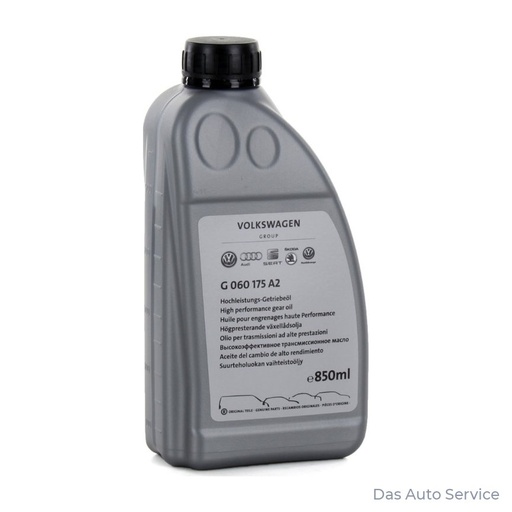
Genuine Haldex oil G060175A2 850ml
Genuine Haldex Generation 5 oil. For proper servicing of the rear-drive coupling on the relevant version.
View in shop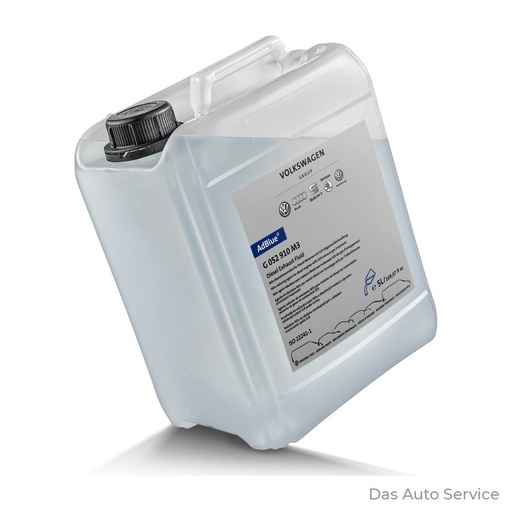
Genuine VAG AdBlue® fluid G052910M4 10l
Genuine AdBlue, 10 l, for diesel versions equipped with an AdBlue system. It's important to use the correct fluid whenever your car needs topping up.
View in shopRead more
- Pre-purchase inspection
- Routine servicing
- 1.5 TSI Cold Engine Jerking: Why Does It Happen?
- Haldex Service Intervals: Generations 1 to 5
- AdBlue No Start in 1000 km: 2.0 TDI (EA288)
Frequently asked questions
What are the most common SEAT Ateca problems?
It depends on the version. With the 1.5 TSI, I pay attention to hesitation and jerking when cold. With the 2.0 TDI, I check the EGR, DPF and AdBlue systems. And with DSG and 4Drive, I look at how everything operates and whether it's been serviced properly.
Should I choose a petrol or diesel SEAT Ateca?
If you mainly drive short distances, I'd look at the petrol versions. If you cover a lot of miles, a diesel can make sense too, but check the condition of the EGR, DPF and AdBlue systems first.
Which is better, the SEAT Ateca or VW Tiguan?
The two models are closely related. I'd make my choice based on the particular engine, gearbox, genuine mileage and service history, rather than just the badge on the bonnet.
How often should I change the DSG oil on a SEAT Ateca?
I recommend changing it every 60,000 km using genuine oil, regardless of which DSG version you have. We always carry out an adaptation after servicing.