Every spring, cars arrive at our workshop with soaking wet floor mats, and their owners ask me, "Kris, where on earth is all this water coming from?" And do you know what? Quite often, the culprit is right above your head. Sunroofs and panoramic roofs aren't completely watertight. They're designed to let a little water past the glass, but that water is supposed to escape through the drains. When those drains get blocked, the water finds another way out. Unfortunately, that way often leads straight into your car. That's why sunroof drain cleaning is something I always recommend after winter.
How does water drain out of the sunroof?
There's a drainage tray around the glass that catches the water. Thin tubes run from its corners, usually four of them. The front ones run down the windscreen pillars, while the rear ones carry water towards the back of the car. When everything is working properly, the water drains underneath the car and you never even notice it. But leaves, pollen and dust that have built up over winter can block the ends of those tubes. And that's when the water starts collecting somewhere we really don't want it.
How can you tell if your sunroof drains are blocked?
- The headlining is wet, or the trim around the pillars and grab handles feels damp.
- You find water in the front footwells, especially after rain or washing the car.
- The windows keep misting up, they're difficult to clear, and there's a damp smell inside.
- You can see water sitting in the tray around the glass, and it just won't drain away.
Please, don't ignore a wet floor. On many models, there are wiring looms and electronic control modules underneath the carpet and seats. If water reaches them, one blocked little drain tube can turn into a very expensive repair. And the worst part? All of it could have been avoided with a simple clean.
How do we clean and service sunroof drains each spring?
I've already explained in my article about service intervalsthat your sunroof needs servicing after every winter. And I don't just mean wiping away the dirt you can see. Here's what we do at our workshop:
- We thoroughly clean the drainage tray and the seals around the glass.
- We check and blow through every drain tube until water flows freely again.
- We remove the old grease and built-up dirt from the guide rails.
- We apply fresh grease in the right places, using the correct type.
- We check the mechanism, the sun blinds and whether the glass closes properly and seals tightly.
If you keep skipping this maintenance, the mechanism can start squeaking, the sun blind can begin sticking, and sometimes the plastic guides even break. And by that point, a simple clean won't be enough. We might have to remove the entire headlining to carry out the repair.
What else should you check on your car after winter?
- Give the underside of your car a proper wash. Road salt left on the chassis and inside the sills keeps eating away at the metal long after winter has ended.
- Swap your winter screenwash for summer screenwash. It's better at removing dead insects and greasy dirt.
- Check your wiper blades. Winter is hard on them, and spring is often when they start leaving streaks across the glass.
- Replace your cabin filter, especially if pollen triggers your allergies.
- Check your tyres and wheels if you've been swapping between summer and winter sets.
A tip from Kris Mladenov: Your sunroof is one of those things you hardly ever think about until you discover water inside your car. That's why I recommend servicing it every spring, along with the rest of your maintenance. It's nothing complicated, but it could save you from a soaked carpet, a mouldy smell and an expensive electronics repair. I'm telling you this because I'd much rather you avoided all that trouble.
I really hope you don't find any water on your floor mats this spring. And if this article has helped you, send it to a friend who has a sunroof. You might save them a lot of headaches.
What you'll find in our shop
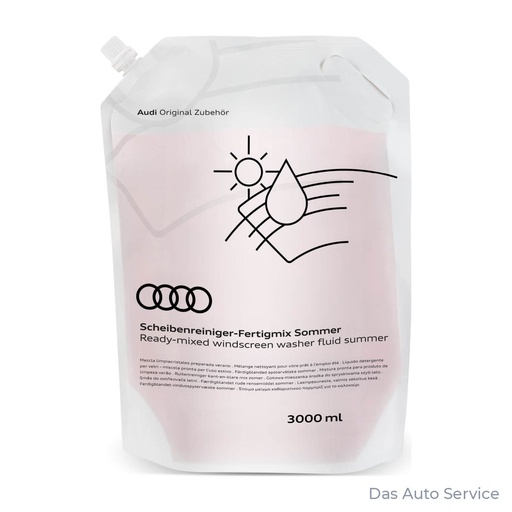
Genuine Audi summer screenwash, 3 litres
Genuine Audi summer screenwash, 3 litres. Removes dead insects and greasy dirt more effectively than winter screenwash.
View in shop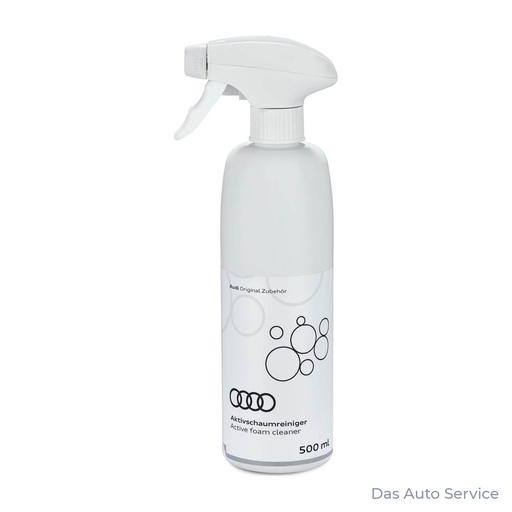
Audi active cleaning foam, 500 ml
Audi active cleaning foam for giving your car a proper spring clean. You can use it on the seals too.
View in shop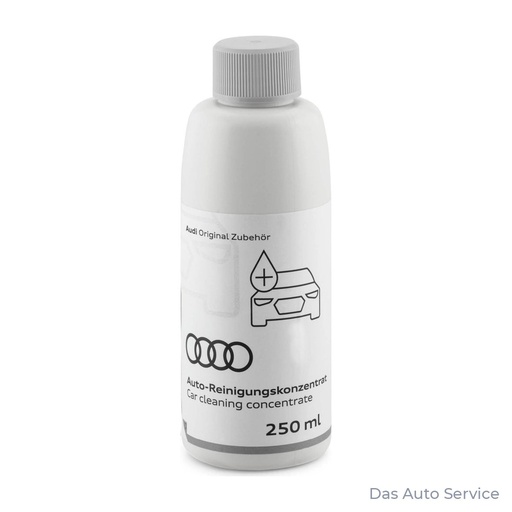
Audi car wash concentrate, 250 ml
Audi car wash concentrate to help remove the road salt and dirt that's built up over winter.
View in shopRead more
- Routine servicing at Das Auto Service
- Interior repairs
- Service intervals for transverse-engine platforms (Golf, Passat…)
- Which screenwash should I use in winter?
- Squeaky sunroof and sun blind: grease and guides
Frequently asked questions
Where does water get into the car if you have a sunroof?
Blocked sunroof drains are usually to blame. Water collects in the tray around the glass, overflows and runs down the headlining and pillars. Eventually, you find it inside the car.
How often should I service my sunroof?
Once a year, after winter. We clean the drainage tray, blow through the drain tubes and replace the grease on the guide rails. That keeps the mechanism moving smoothly and the water draining where it should.
Can I clear the sunroof drains myself?
You can check whether they're draining by pouring a little water into the tray around the glass. If it doesn't drain away, leave the clearing to a workshop. The drain tubes can easily come loose, and instead of fixing one problem, you could end up creating another.