After winter, one of the first things I want us to check on your car is the brakes. Salt, water and cold weather are hard on them. The discs and pads wear out faster than you might think. And do you know what almost everyone asks me? "Kris, do I just need new pads, or should I replace the discs as well?" That's exactly what this guide to brake discs and pads replacement is about. The answer isn't the same for every car. You don't automatically have to replace both together, but brake discs don't last forever either. What matters is their condition and how much they've worn. That's why we measure them. Simple as that.
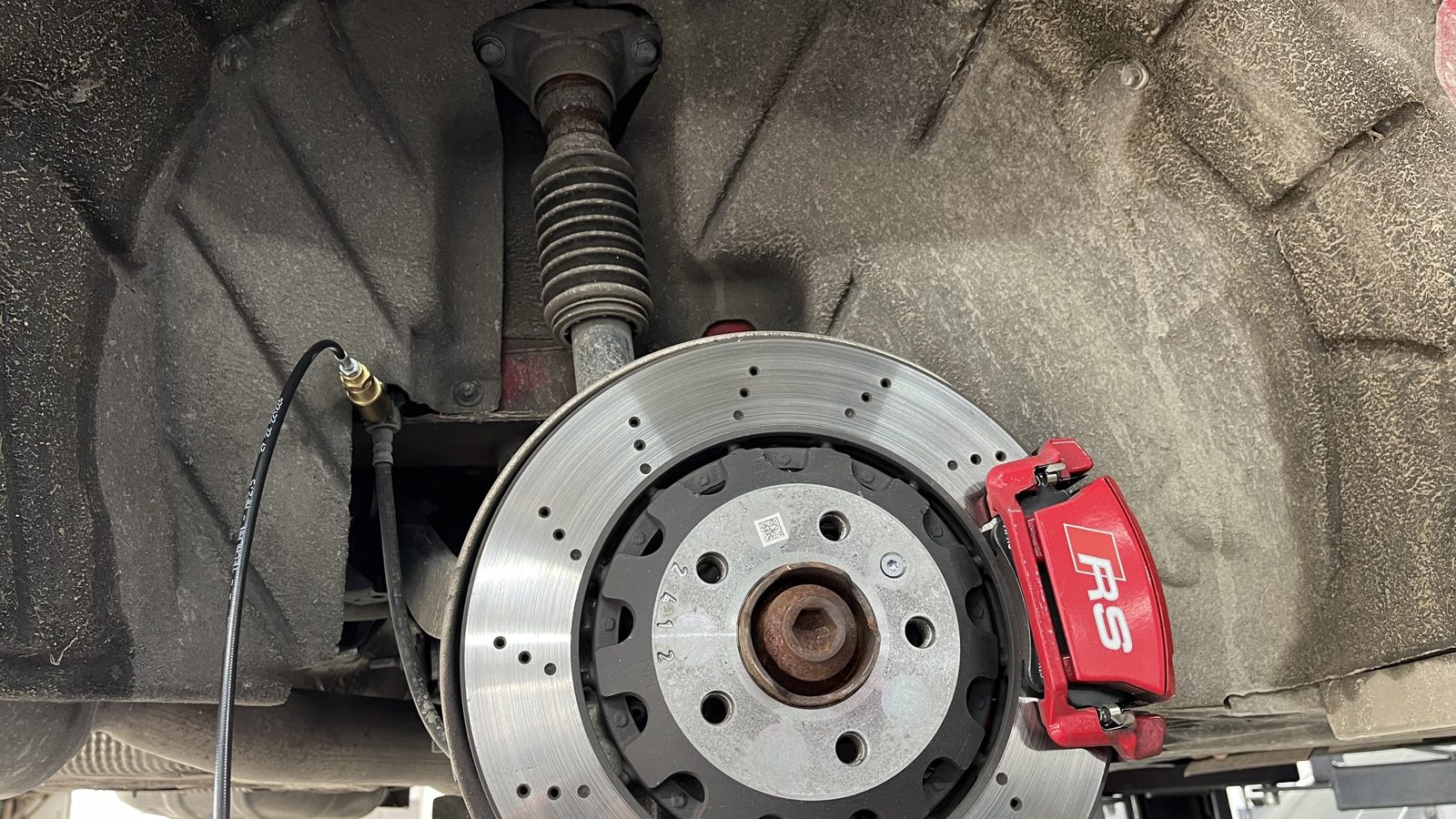
When is it time for brake discs and pads replacement?
Every brake disc has a minimum thickness below which it's no longer safe to use. On most discs, you'll find it marked near the hub. Look for MIN TH and the number next to it. At the workshop, we use a micrometer to measure the disc in several places because it doesn't always wear evenly. If it's below the minimum or getting close to it, we replace it. But there are a few other things I want us to look for:
- There's a noticeable lip around the outer edge of the disc, one you can even feel with your fingernail.
- You can see deep grooves or cracks on the surface where the pads make contact.
- When you brake from higher speeds, the steering wheel vibrates or you feel the brake pedal pulsing under your foot.
- There's heavy rust on the disc that doesn't disappear even after braking several times.
A good brake disc will usually last through two sets of pads. But don't take that as a guarantee. I've seen people judge their brakes purely by how many miles they've covered without even looking at the discs. And those discs can be in a completely different condition from what they'd expect. That's why, at Das Auto Service, we measure and inspect everything first. We don't just guess.
Why do we replace brake discs and pads in pairs on each axle?
Because, my friend, the left and right wheels need to brake evenly. If you replace the disc or pads on just one side, you could end up with different braking forces. The car might start pulling to one side when you brake, and the ABS and ESP will have to deal with different levels of grip on each side. That's why we replace the discs or pads on both wheels of the same axle. I won't compromise on this. I want you to feel safe and confident behind the wheel.
For the first 200–300 km after fitting new brake pads, the brakes might not bite quite as well while the pads bed in. Avoid harsh braking from high speeds unless the situation demands it.
What else do we check when replacing brake discs and pads?
Changing the brakes isn't just a matter of pulling out the old pads, fitting new ones and closing up the calliper. There are a few other important things we always check. Because if we skip them, even brand-new brakes can start giving you trouble. And why would you want to put yourself through that?
- We clean and lubricate the calliper guide pins. If they stick, the pads can't move freely and start wearing unevenly.
- If your car has a brake pad wear sensor, we fit a new one.
- We tighten the bolts with a torque wrench so they're tightened to exactly the right specification. No guessing by feel.
- If your car has an electronic parking brake, we use the diagnostic tool to put it into service mode before replacing the rear pads. Skip that procedure and you could break the mechanism.
- We also check the brake fluid. I've already explained in my article about brake fluidthat we change it every 2 years or when replacing the discs and pads.
Genuine brake pads or "the same ones, just cheaper"?
I know you've probably wondered about this too. Two brake pads can look absolutely identical, but that doesn't mean they'll stop your car equally well. Genuine pads are chosen to suit the car's weight, its top speed and the way the ABS works on that particular model. Cheap pads often start squealing, leave more brake dust on your wheels and don't stop as well once they get hot. And when your brakes are hot, that's exactly when you need to be able to trust them. So my advice is simple: don't try to save a few quid on something as important as your brake pads.
A tip from Kris Mladenov: My friend, don't wait until you hear metal scraping against metal. Once the brake pad material is gone, its metal backing plate starts grinding into the disc and can ruin it in just a few days. Have your brakes checked at every service, and definitely after winter.
I don't want you to think about your brakes only when they start squealing or grinding. Get them checked in good time. That way, you'll know your car will stop properly when you press the pedal. I hope this explanation has helped you. If it has, share the article with a friend who's about to have their brake discs and pads replaced.
What you'll find in our shop
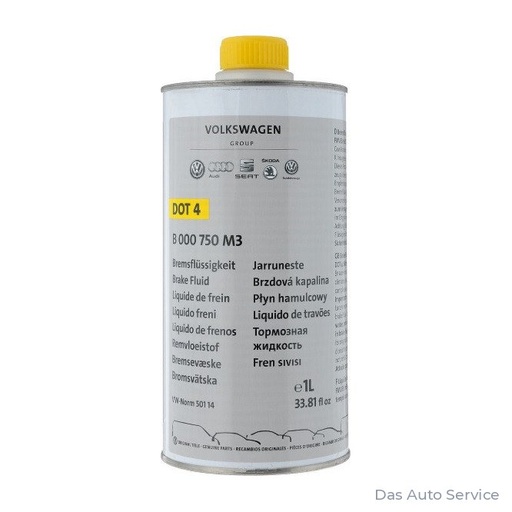
Genuine Audi/Volkswagen DOT 4 brake fluid B000750M3, 1 litre
Genuine Audi/Volkswagen DOT 4 brake fluid, 1 litre, for when it's time to change your brake fluid.
View in our shop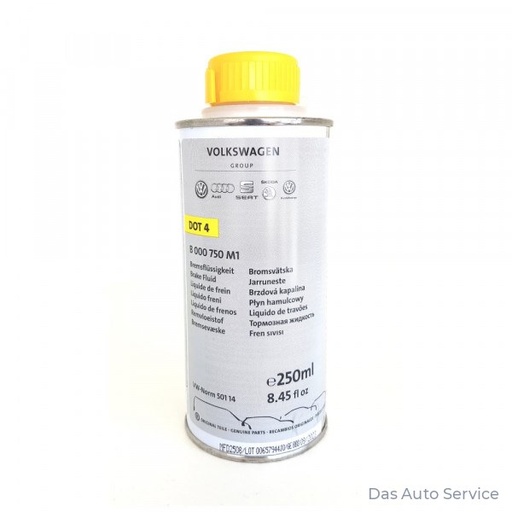
Genuine Audi/Volkswagen DOT 4 brake fluid B000750M1, 250 ml
Genuine DOT 4 brake fluid, 250 ml, if you need some for topping up.
View in our shop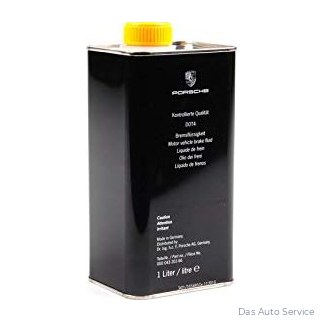
Genuine Porsche DOT 4 brake fluid 00004330552, 1 litre
Genuine Porsche DOT 4 brake fluid, suitable for Cayenne, Macan and Panamera.
View in our shopRead more
- Routine servicing at Das Auto Service
- Diagnostics
- VAG brake fluid: does it need changing, and when?!
- What should I check before my annual vehicle inspection?
- Audi RS brakes: bleeding and brake fluid
- Electronic parking brake: service mode when replacing brake pads
Frequently asked questions
When should I replace my brake discs?
When they're thinner than the minimum thickness marked on the disc, or they've developed a big lip, deep grooves, cracks or vibration under braking. That's why we measure and inspect them first, my friend.
Do I need to replace the discs every time I change the pads?
No, my friend. If the discs are in good condition and still within the permitted thickness, there's no reason to replace them every time. A good disc will usually last through two sets of pads. But! We measure first and decide afterwards. We don't just go by mileage.
How do you replace rear brake pads with an electronic parking brake?
We use a diagnostic tool to put the electronic parking brake into service mode. If you try to retract the mechanism without doing this first, you could damage the motors on the brake callipers. And that's an expense you really don't need.