2.0 TDI oil pressure warning light at high revs
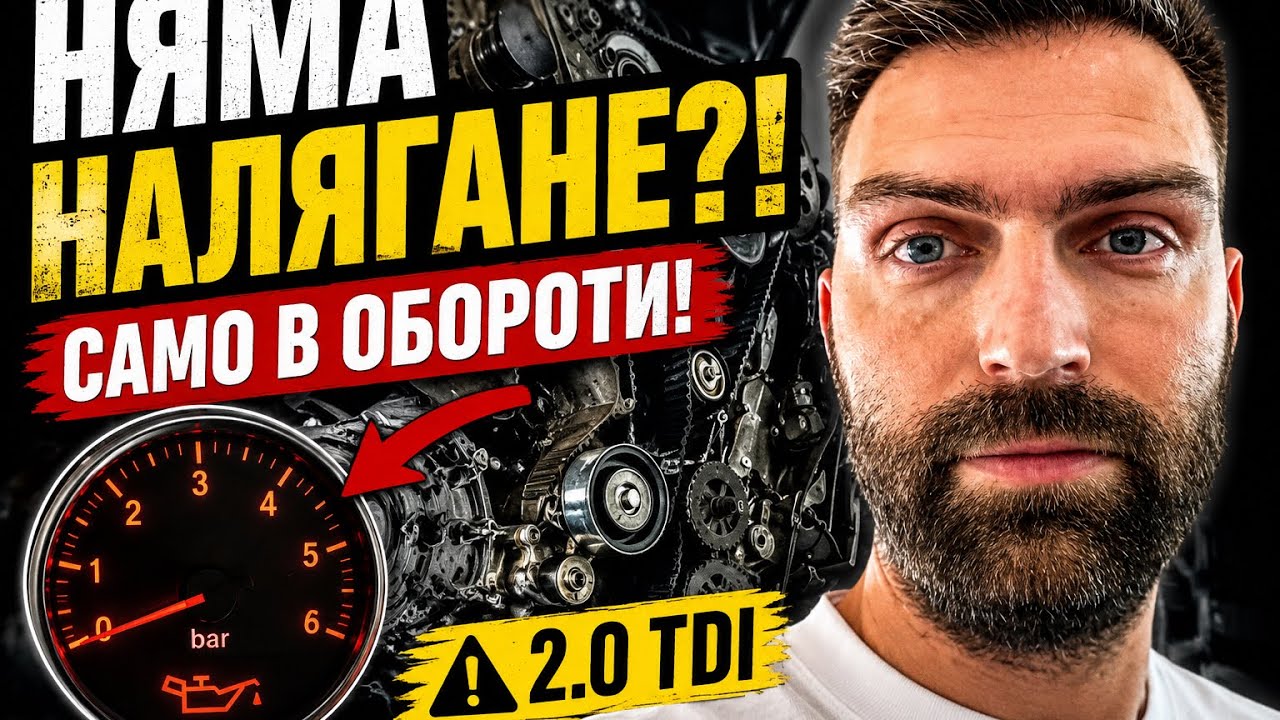
▶ 2.0 TDI – what causes the oil warning light to come on?
The oil pressure warning light comes on in your 2.0 TDI. You replace the sensor, change the oil pump and even have the engine stripped down, yet the problem persists. I hear this from many owners of cars with this engine, and I know how frustrating it is to spend money on repairs without anyone actually fixing the problem. Yet the cause could be four small components that few mechanics think to check. In the video below, I show you exactly what I'm talking about.
What are the symptoms?
You're driving along quite happily when you put your foot down going uphill and suddenly the red oil pressure warning light comes on. It might happen under hard acceleration, at higher engine speeds or even when cornering on a mountain road with the car on an incline. At idle and low revs, however, everything seems fine. This is exactly what misleads many mechanics and sends them looking for the fault in the wrong place.
What will most workshops do?
The truth is that most workshops follow the same approach. First, they replace the oil pressure sensor, but the warning light keeps coming on. Next, they replace the oil pump, sometimes even twice, check the bearings, put thicker oil in the engine and eventually strip the engine down. Meanwhile, you keep paying, again and again. The problem, however, isn't with the parts they've replaced but with the way they've diagnosed the fault.
What really triggers the 2.0 TDI oil pressure warning light?
In 2.0 TDI engines, there's a small piston cooling oil jet beneath each piston. Its job is to spray oil onto the underside of the piston to cool it. Each oil jet incorporates a non-return valve that opens at a certain oil pressure and closes when the pressure drops. Sounds fairly straightforward, doesn't it?
Over time, as the mileage increases, the valves in these oil jets wear out and no longer seal properly. Oil starts flowing through them even when it shouldn't. At higher engine speeds and under load, this leakage can cause a drop in pressure throughout the engine's lubrication system. The sensor detects the drop and the red warning light comes on.
Imagine a tap that doesn't shut off completely and keeps dripping. Something similar happens to the valves in the piston cooling oil jets. At low revs, the pressure loss may not be enough to trigger the warning light, but under load, the engine no longer has the oil pressure it needs. And because of these four tiny valves, someone might end up stripping down your entire engine.
How should the problem be diagnosed?
The first thing to do is measure the actual oil pressure using a mechanical pressure gauge fitted in place of the oil pressure sensor. I'm not talking about reading fault codes with a diagnostic tool, but about physically measuring the oil pressure. Measurements should be taken with the engine both cold and warm, at idle and at higher revs. If the oil pressure drops at high revs when the engine is warm, and the oil pump and bearings have been checked and found to be in good condition, the next thing to check is the piston cooling oil jets.
WARNING! If the red oil pressure warning light comes on, pull over somewhere safe and switch off the engine. Do not continue driving, even if the warning light goes out. Just a few seconds of running without adequate lubrication can damage the bearings and lead to costly engine repairs.
How do we fix the problem with the piston cooling oil jets?
If we establish that the piston cooling oil jets are causing the problem, we replace all four. The job itself isn't particularly complicated, but you need access to the bottom of the engine and you need to know what you're doing. With new oil jets and properly functioning valves, normal oil pressure is restored. And the warning light stops coming on.
At our workshop, we only use genuine piston cooling oil jets. That's because the manufacturing tolerances of these valves are measured in microns, and the material must withstand the high temperatures of the engine oil. Any deviation from those tolerances could land you back in the workshop with exactly the same problem. This is one job where I wouldn't compromise on the quality of the parts.
Can four small oil jets save me from an engine rebuild?
Years ago, a car came into our workshop after having been to five different workshops. The engine had been stripped down several times, the sensor, oil pump and bearings had all been replaced, and the owner had already given up on the car. Imagine how much money and time he'd spent and how frustrated he must have been. We fixed the car in two days.
We measured the oil pressure properly and replaced all four piston cooling oil jets. The owner couldn't believe that this had been the cause of the problem all along, but the warning light hasn't come on since. That's why I always say there's a huge difference between properly diagnosing a fault and simply replacing parts. Measure first, repair second!
What can I do to prevent this problem?
If you drive your car in Bulgaria, I recommend changing the engine oil every 10,000 km or once a year, whichever comes first, regardless of which oil you use or whether your car is on a LongLife service schedule. Whenever you change the engine oil, replace the oil filter, fuel filter, air filter and cabin filter as well. Manufacturers recommend extended service intervals to meet environmental standards, not to protect your engine. I'm telling you this because, ultimately, you'll be the one paying for the repairs.
What can I find in the Das Auto Service shop?
Regular oil and consumable changes help protect the entire engine lubrication system. For the 2.0 TDI, we recommend Genuine LongLife III FE 0W-30 or Genuine Special D 5W-40 depending on the oil specification required by your particular engine.
If you're already experiencing oil pressure problems with your 2.0 TDI, you can contact us to arrange a diagnostic checkand tell us exactly when the warning light comes on.
Advice from Kris Mladenov: If the oil pressure warning light comes on at high revs, don't rush into having your engine stripped down. Ask the workshop to measure the actual oil pressure using a mechanical pressure gauge first. If the pump and bearings are in good condition but the pressure drops under load, ask them to check the piston cooling oil jets. Trust measurements, not assumptions.
I hope you've found this article useful! If you have, I'd appreciate it if you shared it with your friends and anyone you know who drives a car with a 2.0 TDI engine. My aim has always been the same – when I know something, I want more people to know it too. And in this case, that knowledge could save someone a fair amount of money and a lot of frustration.
Frequently asked questions
The solution in our shop
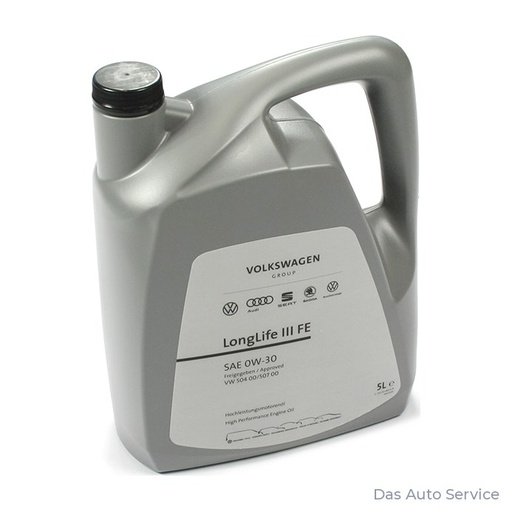
Genuine LongLife III FE 0W30 engine oil, 5 litres
Genuine LongLife III FE 0W-30 engine oil for engines that require this specification.
View in shop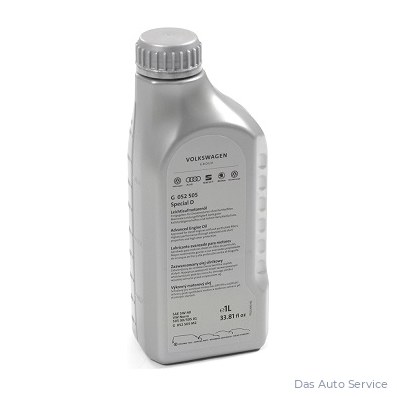
Further reading
- Diagnostics
- Engine rebuilds
- Yellow or red oil warning light: what's the difference?
- How to check your oil level without a dipstick
- Exhaust smoke colour: white, blue or black
Frequently asked questions
Can I keep driving if the oil pressure warning light only comes on briefly?
No! Even a brief drop in oil pressure can damage the bearings. Pull over somewhere safe and switch off the engine.
Do I need to replace the oil pump if the warning light comes on at high revs?
Not necessarily. The oil pressure must first be measured using a pressure gauge to establish the cause of the problem. The piston cooling oil jets or bearings could be responsible.
At what mileage do piston cooling oil jets wear out?
There is no set mileage, as wear depends on the quality of the oil and the load placed on the engine. Using genuine engine oil and changing it along with all the filters every 10,000 km or once a year, whichever comes first, is the best preventative measure for cars driven in Bulgaria.