If you ask me to name one of the best diesel engines ever made, the 3.0 TDI would definitely be near the top of my list. You'll find this V6 in the Audi A4, A5, A6, A7, A8, Q5, Q7 and Q8, VW Touareg and Phaeton, and Porsche Cayenne and Macan. It's quiet, powerful and durable, and it can serve you well for years if you look after it. But! Neglect it and the repair bills can get serious. The biggest problem is that many owners don't know exactly which engine they've got or what they need to keep an eye on. So I'll take you through the different generations, the common 3.0 TDI problems and how to avoid the most expensive repairs.
What are the different generations of the 3.0 TDI?
Not all 3.0 TDI engines are the same. Over the years, Audi has changed the engine, its power output, fuel system and emissions equipment. So whenever someone tells me the 3.0 TDI has a particular problem, my first question is: which engine exactly? Here are the main generations.
- First generation (from 2004) – BMK with 225 hp, ASB with 233 hp, BUG with 233 hp in the Q7 and BKS with 224 hp in the Touareg. Later came the CASA with 240 hp and the CCWA with 240 hp, found in the A4, A5 and Q5. These are the early versions, where the timing chains, swirl flaps and injectors deserve particular attention.
- Second generation (from around 2010, Euro 5) – CDUC with 245 hp, CDUD with 204 hp and the BiTDI CGQB with 313 hp. The engine continued to evolve, but the basic rules for looking after it stayed the same. Don't overlook the timing chains or the fuel system.
- Euro 6 versions (from around 2014) – available with 218, 272 and 320 hp. These engines also have an AdBlue system to reduce harmful emissions. That's another system you need to keep an eye on and diagnose properly when something goes wrong.
- Latest versions (from 2018) – with 231 and 286 hp and a 48-volt mild hybrid system. This uses electrical equipment to help the car operate, but the main engine is still the diesel V6.
If you're not sure which engine you've got, you can find its code on the vehicle identification sticker, in the service book or with a diagnostic tool. Don't rely on the power output alone when researching problems. The engine code tells you much more.
How is the 3.0 TDI built, and what should I know?
All these engines are V6 diesels with a displacement of 2,967 cc. They use common rail injection, a fuel system that delivers diesel to the piezo injectors at high pressure. This helps the engine run quietly while producing plenty of power. But the fuel system needs attention, especially as the mileage starts to build up.
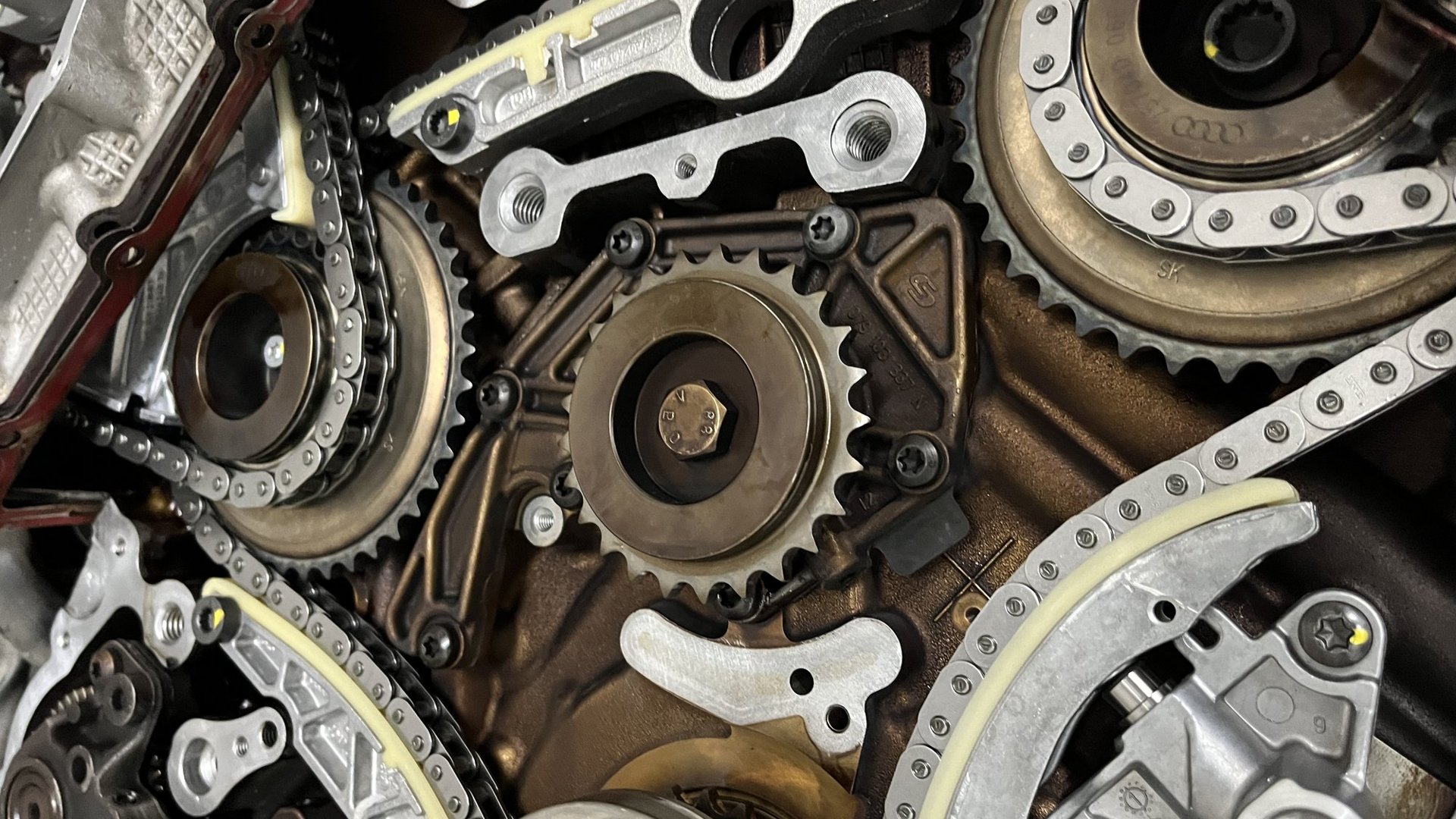
- The camshaft timing chains are located at the rear of the engine, on the gearbox side. This is one of the most important things to understand about the 3.0 TDI because it makes replacing them a labour-intensive job.
- Older versions have swirl flaps in the intake system. These control how air flows into the engine, and the mechanism that operates them is a known weak point.
- The engine has an EGR system with a cooler and a DPF to trap soot particles. Euro 6 versions also have AdBlue. All these systems need to work properly to keep the engine running as it should.
What are the most common 3.0 TDI problems?
Now for the interesting part. The 3.0 TDI is a strong engine, but it has a few weak points you should know about. Some problems develop gradually, while others first make themselves known through an unusual noise or a warning light on the dashboard. The important thing is not to wait until the car breaks down before doing something about them.
Timing chains and tensioners
If your engine rattles on a cold start, that's a warning sign I wouldn't ignore. The cause could be the timing chains or the tensioners that keep them tight. A diagnostic scan may also show camshaft timing faults. The big problem is where the chains are fitted: at the rear of the engine, next to the gearbox. Replacing them means removing the engine. I've explained why in detail in my article about replacing the 3.0 TDI timing chains.
Swirl flaps
On first-generation engines, problems with the swirl flaps and the motor that operates them usually appear between 100,000 and 150,000 km. The check engine light comes on, the car doesn't pull like it used to, and the owner starts wondering what's going on. The flaps are part of the intake system and control airflow into the engine. When the mechanism stops working properly, it affects how the engine runs. The answer here is to start with a proper diagnosis, not to replace parts blindly.
Injectors
Some early BMK engines were fitted with a known batch of faulty piezo injectors. That's a specific issue worth remembering with these engines. But the BMK isn't the only engine where we check the injectors. As mileage builds up, it's sensible to keep an eye on their condition in the other versions too. Especially if the engine is no longer running as it should.
Cooling system – thermostat and water pump
One familiar problem is an engine that never reaches its normal operating temperature. The thermostat or water pump could be responsible. But you can't simply look at a temperature gauge that isn't rising and decide which part is faulty. You need to check how the cooling system is actually working. If your 3.0 TDI isn't warming up properly, have a look at why your 3.0 TDI won't warm up – thermostat or water pump.
EGR, oil cooler, DPF and AdBlue
As these engines get older, we see oil leaks around the oil cooler, carbon build-up in the EGR system and blocked DPFs. On Euro 6 versions, the AdBlue system adds another possible source of trouble. These are different faults and shouldn't all be treated as the same problem. A check engine light doesn't automatically mean the DPF needs replacing or that the EGR is to blame. First we find the cause. Then we fix it.
How should I service my 3.0 TDI to avoid expensive repairs?
My rules here are simple. It doesn't matter whether you drive an old BMK, a newer CDUC or a Euro 6 version with mild hybrid technology. Regular servicing is the key to making this engine last. And I'm not just talking about changing the engine oil whenever the car's computer reminds you.
- Engine oil and all filters – every 10,000 km or once a year, whichever comes first. We replace the oil filter, fuel filter, air filter and cabin filter together with the engine oil. This applies to cars driven in Bulgaria, regardless of which oil you use or the LongLife service intervals.
- Timing chains – on high-mileage engines, we check them with a diagnostic tool at every service. We monitor the camshaft timing and never ignore rattling on a cold start.
- Antifreeze – we replace it every third heating season. The cooling system is essential to keeping the engine running properly.
- S tronic – gearbox oil change every 60,000 km using genuine oil. After servicing, we always carry out a gearbox adaptation.
- Tiptronic on Audi A models – every 120,000 km, or every 80,000 km on S/RS and hybrid versions.
- Tiptronic on the Touareg, Q7, Q8 and Cayenne – every 90,000 km, together with the transfer case and differential oils. After servicing the gearbox, we carry out an adaptation.
- Brake fluid – every 2 years. Full vehicle inspection at the workshop – every 6 months.
If you want to see what a specific service schedule looks like, take a look at the Audi A4 B8 3.0 TDI service schedule. The idea is to know what's been replaced, when it was replaced and what's due next. Not to wait for a problem to remind you.
WARNING! Getting the servicing wrong on a 3.0 TDI can be very expensive. LongLife oil change intervals shorten the life of the timing chains, and replacing them isn't a straightforward timing belt job. The manufacturer's recommendations also take emissions regulations into account, but I put the health of the engine first.
Is a car with a 3.0 TDI worth buying?
Yes! For me, the 3.0 TDI is still one of the best diesel engines ever made. It's powerful, smooth to drive and durable when properly maintained. But I wouldn't buy one just because the car looks good and the engine sounds quiet at idle. I'd want to see the service history and I'd always have the timing chains checked with diagnostic equipment.
The most important thing is knowing what you're buying. Two cars with exactly the same engine can be in completely different condition depending on how they've been maintained. That's why the service history and actual mechanical condition matter more than the seller's promises. With a 3.0 TDI, a good purchase starts with a thorough inspection.
Tip from Kris Mladenov: If you remember just one thing about the 3.0 TDI, make it this: change the engine oil every 10,000 km. To me, that's the cheapest insurance against one of the most expensive repairs – the timing chains. And when you're buying a car with this engine, never skip a diagnostic check of the chains.
I hope you've found this article useful! If you have, I'd really appreciate you sharing it with a friend who drives a 3.0 TDI or is thinking about buying one. I believe that when I know something useful, more people should know it too. That's why I share my experience – so you can make better decisions about your car.
The solution in our shop
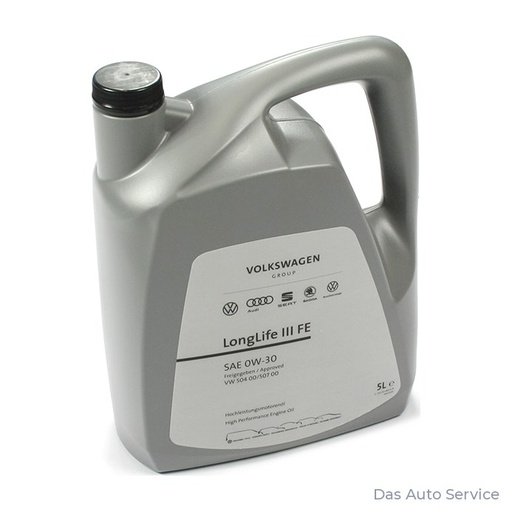
Genuine Longlife III FE 0W30 oil 5L
Genuine LongLife III oil is suitable for servicing this engine. Even with this oil, I recommend changing it every 10,000 km or once a year.
View in shop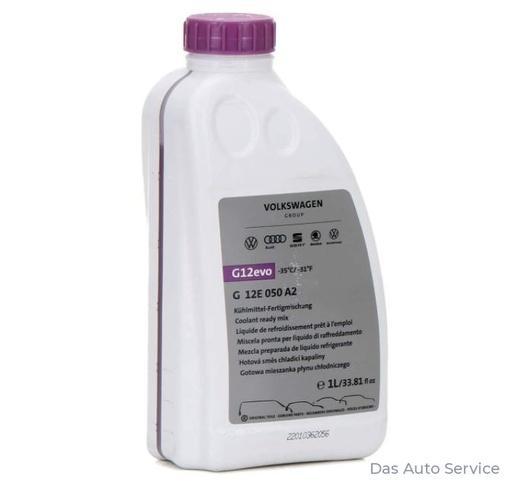
Genuine VAG G12Evo antifreeze G12E050A2 1.0l
Genuine G12evo antifreeze is used when servicing the cooling system. Don't forget to replace it every third heating season.
View in shop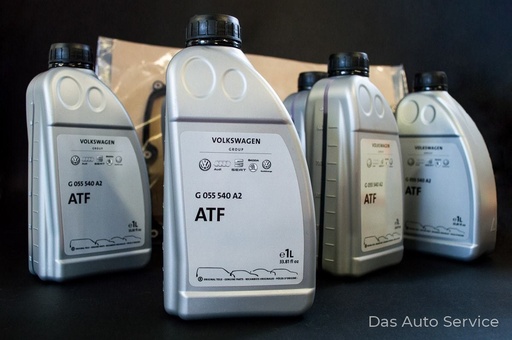
Genuine Tiptronic gearbox service set for Q7 / Cayenne / Touareg
The genuine Tiptronic service kit for the Q7, Cayenne and Touareg is designed for changing the gearbox oil. I recommend servicing every 90,000 km, with a gearbox adaptation afterwards.
View in shopRead more
- Engine overhauls
- Diagnostics
- 3.0 TDI Timing Chain Replacement: Why Remove the Engine?
- 3.0 TDI Thermostat Problems: Slow Warm-Up or Overheating
- Audi A4 B8 3.0 TDI Service Schedule
Frequently asked questions
Which generation of the 3.0 TDI is best?
There isn't one generation that's best for everyone. I'd choose a car with a proven service history and timing chains that have been checked, whether it's an early version, Euro 5 or Euro 6.
How long do 3.0 TDI timing chains last?
There's no fixed mileage at which they must be replaced. Their condition depends on how the engine has been maintained, which is why I recommend checking them with a diagnostic tool at every service once the mileage gets high.
Why does the engine have to come out to replace the 3.0 TDI timing chains?
Because the timing chains are located at the rear of the engine, on the gearbox side. That makes them difficult to access, so the engine has to be removed for the repair.
What are the most common 3.0 TDI problems?
Timing chains and tensioners, swirl flaps on early versions, injectors, thermostat, water pump, EGR, oil cooler and DPF. Euro 6 versions can also have problems with the AdBlue system.