'It's a common problem with these engines – warped cylinder heads, head gaskets... We'll need to strip the engine down.' That's what many owners hear when they take their car to a garage with an Audi 3.0 TFSI overheating problem. But did you know that the culprit is very often a component you simply can't see when you open the bonnet? In the video accompanying this article, I show you just such a case from our workshop. I want to explain what needs to be checked before anyone starts removing the two cylinder heads.

▶ 3.0T overheating – a fault costing thousands of euros or a misdiagnosis?
Which engine are we talking about?
We're talking about the supercharged 3.0 TFSI – the V6 engine you'll find in the Audi S4, S5, A6, A7, A8, Q5, SQ5 and Q7, as well as the hybrid versions of the VW Touareg and Porsche Cayenne. It's a very reliable and popular engine used in both European and American models. The supercharger sits on top of the engine, right between the two cylinder heads. Underneath it, however, are several important cooling system components that you can't see without removing the supercharger.
If you want to learn more about this engine and its common problems, read my article: 3.0 TFSI – a complete guide to the supercharged engine.
Audi 3.0 TFSI overheating: what are the symptoms?
- The engine overheats – the temperature gauge rises above 90°C or the red coolant warning light comes on.
- The engine sometimes warms up normally and sometimes fails to reach operating temperature.
- The coolant level drops, but there's no sign of a leak underneath the car.
- You scan the car with a diagnostic tool and find fault code P2181 (cooling system performance) or P0128 (engine coolant temperature below operating temperature).
WARNING! If the temperature gauge starts climbing or the red coolant warning light comes on, pull over and switch off the engine. Don't attempt to drive home or to the workshop. This is exactly how a relatively minor fault can turn into a major engine overhaul.
I've explained what to do in this situation and which mistakes to avoid in my article: Engine overheating: what you should never do.
Why should I check the thermostat before the cylinder heads?
The answer is simple. The thermostat on this engine sits beneath the supercharger, so no matter how closely you look at the engine from above, you won't see it. To get to it, you'll need to remove the supercharger and undo another 7–10 bolts. Yes, there's some work involved, but it's nothing compared with removing and dismantling both cylinder heads.
In the case I show you in the video, the plastic parts of the thermostat had deteriorated due to heat, and the retaining tabs had broken off. How can you expect a thermostat in that condition to open and close when it should? That's exactly why the thermostat is the first thing I'd check when a 3.0 TFSI overheats. I'm not saying the cylinder heads or head gaskets can't be at fault, but let's check the simpler things first.
What does the water pump have to do with overheating?
The water pump on the 3.0 TFSI is slightly different from a conventional water pump. It contains a vacuum-operated diaphragm, and the vacuum supply is controlled by an electrically operated valve. This is how the engine controls coolant circulation. It's a clever design, but there are two problems I want you to know about.
The first is that when the water pump leaks, coolant travels along the vacuum hose and reaches the electrically operated valve. The valve fills with coolant and stops controlling the pump diaphragm correctly. And that's why the engine sometimes warms up normally and sometimes fails to reach operating temperature.
The second problem concerns aftermarket water pumps. The diaphragm travel in these pumps differs from that of the genuine pump, and as a result, the engine can't warm up properly. You've bought a new water pump, paid to have it fitted, and you're still having problems with the engine temperature. That's exactly why we only fit genuine water pumps and thermostats to these engines in our workshop.
What else should I replace when changing the thermostat?
Once we've removed the supercharger, we can get to the cooling system components between the two cylinder heads. This is the ideal time to replace several other components that are often overlooked during this repair. There's no point in having to take everything apart again because of an ageing plastic pipe.
- Plastic coolant pipes – these are single-use components and must be replaced once disconnected.
- Clamps and connectors.
- The auxiliary drive belt and pulleys.
- The water pump's electrically operated vacuum control valve if coolant has entered it.
Why am I so particular about the plastic pipes? Because over time, heat causes the plastic to deteriorate and develop tiny cracks that are difficult to spot with the naked eye. A small component like this can leave you stranded and paying for the same labour twice. That's why we've used our workshop experience to put together complete repair kits containing everything you need for the job.
How should I maintain the engine to prevent overheating?
Coolant doesn't last forever, no matter how good it looks. I recommend changing it every third heating season and checking its frost protection every autumn. Old coolant causes microscopic pitting in the aluminium engine block. You can read more about this in my article: When should you change your coolant and why doesn't it last forever?.
For cars driven in Bulgaria, we change the engine oil, oil filter and other service items every 10,000 km or once a year, whichever comes first, regardless of the oil used. I recommend having your car checked at a workshop every six months. If the coolant level is dropping, we need to find out where it's going rather than simply topping it up.
If your 3.0 TFSI is overheating or failing to warm up, you can book an appointment with us for diagnostics. For regular vehicle maintenance, take a look at our routine servicing.
Advice from Kris Mladenov: If you're told that your cylinder heads are warped, ask whether the supercharger has been removed and the thermostat checked. Check the thermostat, water pump and vacuum control valve before agreeing to have the engine stripped down. If any of these components need replacing, insist on genuine parts. I'm telling you this because, at the end of the day, you're the one who'll be paying the repair bill.
I hope you've found this article useful! If you have, I'd love you to share it with friends and anyone else you know who drives a car with the 3.0 TFSI engine. I've always wanted to share what I know with as many people as possible.
The solution in our shop
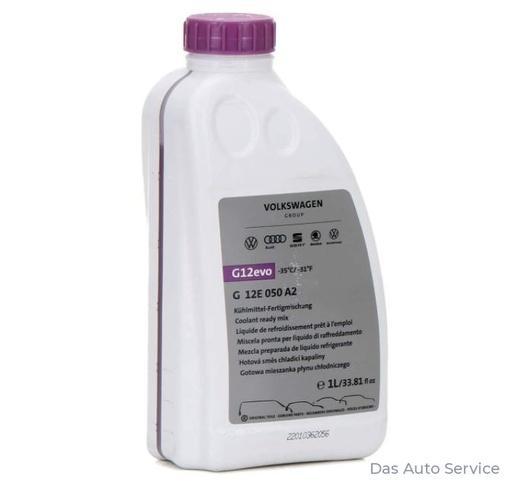
Genuine VAG G12Evo coolant G12E050A2 1.0 l
Genuine G12evo coolant – for routine coolant changes every third heating season and for topping up.
View in shop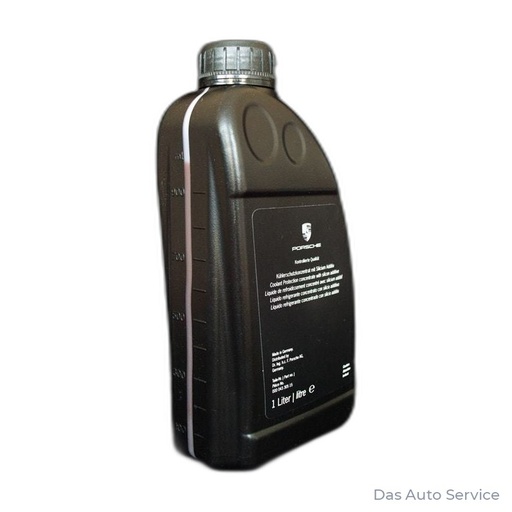
Genuine Porsche coolant with silicone additive 00040330515 1 l
Genuine Porsche coolant – if you drive a Cayenne with the same engine.
View in shop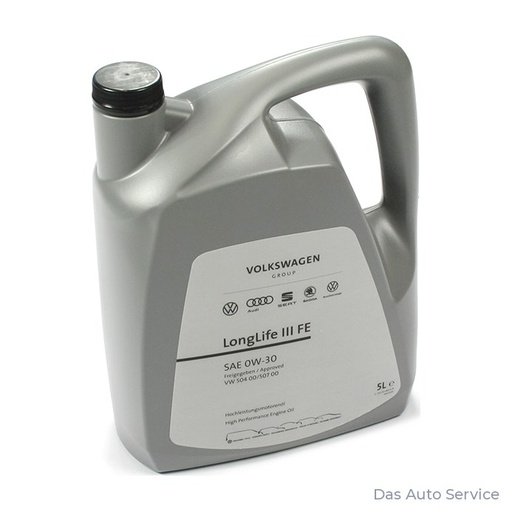
Genuine Longlife III FE 0W30 engine oil 5 l
Genuine Longlife III FE 0W30 engine oil – for engine oil and oil filter changes every 10,000 km or once a year, whichever comes first, for cars driven in Bulgaria, regardless of the oil used.
View in shopFurther reading
- diagnostics
- routine servicing
- 3.0 TFSI – a complete guide to the supercharged engine
- Engine overheating: what you should never do
- When should you change your coolant and why doesn't it last forever?
Frequently asked questions
Why is my Audi 3.0 TFSI overheating?
Very often, the problem lies with the thermostat beneath the supercharger, the water pump or its vacuum control valve. Check these before removing the cylinder heads.
Where is the thermostat located on the 3.0 TFSI?
Beneath the supercharger, between the two cylinder heads. To access it, you'll need to remove the supercharger and undo another 7–10 bolts.
Why does my 3.0 TFSI sometimes reach operating temperature and sometimes not?
If the water pump leaks, coolant can travel along the vacuum hose and reach the electrically operated valve. The valve then stops controlling the pump diaphragm correctly.
Can I fit an aftermarket water pump to my 3.0 TFSI?
I wouldn't recommend it. Differences in diaphragm travel in aftermarket pumps can prevent the engine from reaching operating temperature.