The Audi A4 B8 3.0 TDI is a dream car for plenty of drivers. A six-cylinder diesel with 240 or 245 bhp, quattro, loads of pulling power and a quiet cabin. Put your foot down and you'll soon understand why people love this engine. But do you know what worries me when someone brings a newly bought one into the workshop? They've checked how fast it goes, but not how much it'll cost to look after. So here's my Audi A4 B8 3.0 TDI review, based on what I see in the workshop. I'll tell you what makes it such a good car, where the problems are and what you absolutely need to check before handing over your money.
Who Is the Audi A4 B8 3.0 TDI For?
If you cover a lot of miles, love diesel engines and want a car that pulls hard without having to put your foot down all the time, you'll love this V6. You can feel the difference from the four-cylinder diesel on your very first drive. The engine is smooth, there's plenty of torque and, with quattro, the A4 is a lovely car to drive. But there's something I want you to understand right from the start. You're buying a V6, so you need to be ready to maintain a V6. Don't expect the running costs of a small diesel engine.
The Audi A4 B8, also known as the 8K, was built from 2008 to 2015. These cars have quite a few years behind them now, and their history matters far more than a shiny interior or some lovely photos in an advert. I'd much rather buy a car with a clear service history than one that looks fantastic but nobody can tell me what's been done to the engine. Because a beautiful paint finish won't fix worn timing chains.
Which Engines and Gearboxes Does the Audi A4 B8 3.0 TDI Have?
- 3.0 TDI V6, 240 bhp – the six-cylinder diesel from before the facelift.
- 3.0 TDI V6, 245 bhp – the facelift version.
- 6-speed manual gearbox – for drivers who prefer changing gear themselves.
- 7-speed S tronic 0B5 – a dual-clutch automatic gearbox.
- quattro – four-wheel drive.
Both versions of the engine give you exactly what you're looking for in a 3.0 TDI: strong pulling power and a really enjoyable drive. If you're choosing the S tronic, you also need to pay attention to the gearbox because it has a few things worth knowing about. I'm not saying you should be afraid of the automatic. I'm saying you need to know what you're buying and whether it's been properly serviced.
What Problems Do We See on the A4 B8 3.0 TDI?
Timing Chains at the Back of the Engine
This is the first thing I always discuss when someone asks me about the 3.0 TDI. The timing chains sit at the back of the engine, next to the gearbox. If you hear a metallic rattle on a cold start, or diagnostics show a problem with the camshaft timing, the chain tensioners and guides need checking. They wear out, and that's when the trouble starts. But here's the really important bit: replacing the timing chains on this engine means removing the engine from the car.
Just imagine how much work that involves. It's not like taking off a cover and changing a belt. That's why I always insist on checking the timing chains before you buy, not after the car is already yours. I've explained exactly why the engine has to come out in my article 3.0 TDI: Why the Engine Must Come Out to Replace the Timing Chains.
Intake Swirl Flaps
Another familiar problem is the swirl flaps in the intake system and the little motor that operates them. Put simply, these flaps help direct the air into the engine in the right way. When the mechanism starts playing up, the check engine warning light can come on and the car may lose power. The owner comes in and says, "The engine light's on and it doesn't pull like it used to." This isn't something we guess at. We run diagnostics to find out whether the problem is with the motor or the flaps themselves.
EGR, Oil Cooler and DPF
There are three other areas we pay attention to on this engine. The oil cooler can develop leaks around it, the EGR system builds up carbon deposits, and the DPF can become clogged if the car spends too much time driving around town. The EGR sends some of the exhaust gases back into the engine, while the DPF traps the soot produced by the diesel. If most of your driving is in town, these systems deserve particular attention. That's why, when I run diagnostics, I don't just check whether there's a warning light on the dashboard. I also look at what the systems themselves are telling us.
S tronic 0B5 – Mechatronics and Clutches
The 7-speed S tronic 0B5 is a lovely gearbox when it's working properly. But it has a mechatronic unit – basically the brain that controls the gear changes – and clutches that can also develop problems. If the gearbox kicks, thumps or jerks when changing gear, don't accept someone telling you that's normal for this model. And here's another important detail: this gearbox uses two separate oils. I've written a whole article about S tronic 0B5: Mechatronics, Clutches and Two Oils, and I really recommend reading it.
What Should I Check Before Buying an Audi A4 B8 3.0 TDI?
If you've found one you like, don't rush to leave a deposit just because the engine sounds quiet when it's warm and the seller tells you everything's fine. There are a few specific things I want you to check. They could save you a lot of trouble.
- Start the engine when it's completely cold. Listen carefully for timing chain rattle, because a cold start is exactly when you might hear the problem.
- Run a diagnostic check. Look at the camshaft timing, swirl flaps, EGR and DPF condition.
- Check the engine for oil leaks, both from above and underneath. Pay particular attention to the area around the oil cooler.
- If the car has S tronic, check the gearbox adaptations, take it for a test drive and ask for proof that both gearbox oils have been serviced.
The sensible thing to do is book the car in for a pre-purchase inspection. That way, you'll know exactly what you're buying instead of relying on promises. I'm not trying to put you off a good car. I just want you to buy it with your eyes open.
How Should I Service My Audi A4 B8 3.0 TDI?
My advice here is simple, and I won't compromise on it. If you want this V6 to last, don't cut corners on servicing. Especially when it comes to engine oil. For cars driven in Bulgaria, this is the service schedule I recommend, regardless of what the LongLife intervals say.
- Engine oil and all filters – oil, fuel, air and cabin – every 10,000 km or once a year, whichever comes first.
- S tronic 0B5 – change both gearbox oils every 60,000 km using genuine oil, with a mandatory gearbox adaptation after servicing.
- Brake fluid – every 2 years.
- Antifreeze – every third heating season.
- Workshop inspection – every 6 months.
Extended service intervals are designed around environmental targets. I'm more interested in keeping your engine healthy. There's a big difference. If you want all the maintenance information in one place, have a look at the Audi A4 B8 3.0 TDI service scheduleI wrote a few years ago.
IMPORTANT! On the 3.0 TDI, a timing chain problem can mean removing the entire engine. Don't buy a car just because someone promises you that "everything's been serviced". Insist on diagnostics and a proper inspection. If a problem turns up afterwards, you'll be the one paying for the repair.
What's My Verdict on the Audi A4 B8 3.0 TDI?
I like this car. The V6 diesel, quattro and the way it feels behind the wheel make the A4 B8 3.0 TDI a really enjoyable car to drive. But I'd only recommend buying one if it has a good service history, the engine oil has been changed every 10,000 km and the timing chains have been checked. If you don't know what condition the chains are in, you need to be prepared for a repair that involves taking the engine out. The choice is yours, but I want you to make it knowing exactly what you're getting into.
Tip from Kris Mladenov: On the 3.0 TDI, changing the engine oil every 10,000 km is the cheapest insurance you can give your timing chains. Don't skimp on it, whatever the LongLife interval promises. And before buying, always have the timing chains checked with the engine cold and with proper diagnostics.
I hope you've found this article useful! If you have, I'd love you to share it with a friend who drives an Audi A4 B8 3.0 TDI or is thinking about buying one. My mission is simple: when I know something useful, I want more people to know it too. Because the right information can save you a lot of headaches and a lot of money out of your own pocket.
The solution in our shop
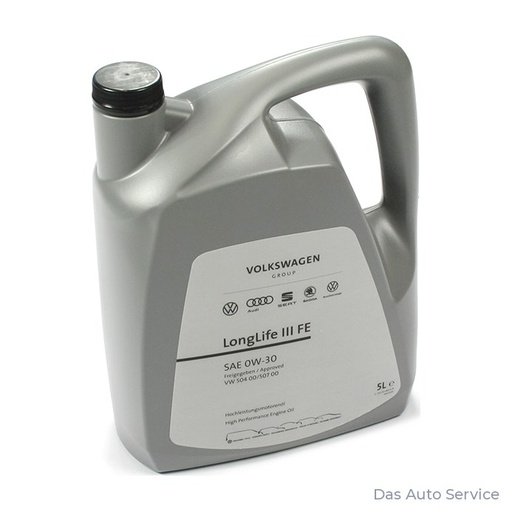
Genuine Longlife III FE 0W30 oil 5L
LongLife III engine oil for servicing your engine. Despite the LongLife name, my recommendation stays the same: change it every 10,000 km or once a year.
View in shop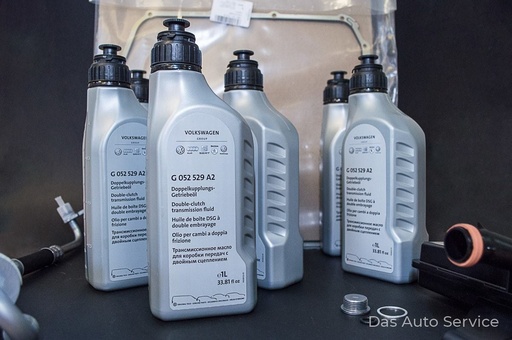
Genuine service set for Audi S-Tronic automatic gearboxes
S tronic service kit. For proper maintenance of the automatic gearbox, which requires both oils to be changed.
View in shop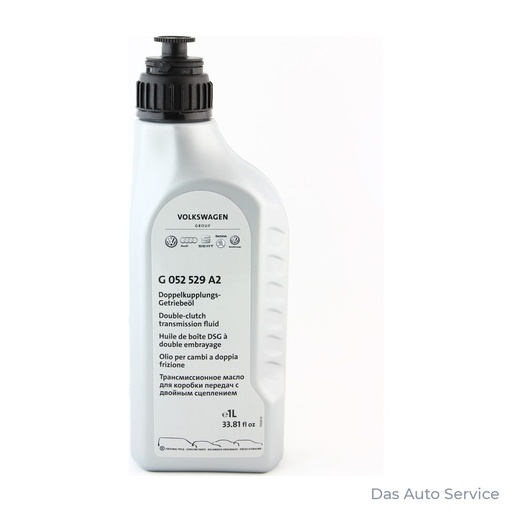
Genuine S-Tronic dual-clutch gearbox oil G052529A2 1l
Genuine S tronic gearbox oil. When servicing this gearbox, I recommend genuine oil and a mandatory gearbox adaptation afterwards.
View in shopRead more
- Pre-purchase inspection
- Engine overhauls
- Audi A4 B8 3.0 TDI Service Schedule
- 3.0 TDI Timing Chain Replacement: Why Remove the Engine?
- S tronic 0B5 Problems: Mechatronic, Clutches and Oil
Frequently asked questions
How long do the timing chains last on the Audi 3.0 TDI?
There's no single mileage at which they must be replaced. What matters is whether they rattle on a cold start and what the diagnostics show about the camshaft timing. Don't judge their condition by mileage alone.
Should I choose the Audi A4 B8 3.0 TDI or 2.0 TDI?
If you want a V6, strong pulling power and you're prepared for the maintenance costs, go for the 3.0 TDI. If you're not ready for the expense of looking after a six-cylinder engine, think carefully before buying one.
When should I change the S tronic gearbox oil in an Audi A4 B8?
Every 60,000 km, using genuine oil. The S tronic 0B5 has two separate oils, and both need servicing. A gearbox adaptation must always be carried out afterwards.
Does the engine have to come out to replace the timing chains?
Yes. On this 3.0 TDI, the timing chains are at the back of the engine, next to the gearbox, so the engine has to be removed to replace them.