If you're looking for an Audi Q3 2.0 TDI review, or specifically want to know what the 177 hp version is like, you've probably noticed how popular this compact Audi SUV is. There are two generations: the 8U, built from 2011 to 2018, and the F3, introduced in 2018. Another common question is whether an ex-lease Q3 is worth buying. And I can understand why. When you're buying a used car, what matters isn't how good it looks in the photos, but what's been happening under the bonnet. I'll explain what we check at Das Auto Service and when I'd recommend buying one.
Who is the Audi Q3 2.0 TDI suitable for?
I think the Q3 2.0 TDI is a very good choice for a family that mainly drives around town but also enjoys getting away at weekends. It's not a huge SUV, and that's exactly what makes it so practical for everyday use. If you head into the mountains in winter, the quattro version definitely makes sense. But! There's one detail a lot of people overlook: having a quattro badge on the boot doesn't automatically mean the rear-wheel drive system is actually working. I'll come back to that shortly.
What engines and gearboxes does the Audi Q3 have?
Both the first-generation 8U and second-generation F3 came with different versions of the 2.0 TDI. It's important to know exactly which one you're looking at because the engine, gearbox and drivetrain determine what needs checking before you buy. I wouldn't choose one based on horsepower alone. Its service history matters far more.
- Audi Q3 8U – 2.0 TDI with 140 and 177 hp, followed by 150 and 184 hp versions from 2015.
- Audi Q3 F3 – the diesel versions are badged 35 TDI and 40 TDI.
- Gearboxes – a 6-speed manual or a 7-speed S tronic with wet clutches, meaning the clutches operate in oil.
- quattro – the four-wheel drive system uses a Haldex coupling to engage the rear wheels when needed. The 8U uses the fourth generation, while the F3 uses the fifth.
Audi Q3 2.0 TDI review: what problems do we see?
Haldex quattro – is the rear-wheel drive actually working?
This is one of the first things we check. The Haldex system controls how power is sent to the rear wheels, and both its pump and oil are essential to keeping it working properly. The rear differential also has its own oil, which needs changing. If nobody has serviced these components, you could end up with a Q3 that says quattro on the back but doesn't actually drive the rear wheels. And the worst part? The owner might not even realise there's a problem. I've explained the differences between the generations in more detail here: Haldex generations 1 to 5.
S tronic – why does the gearbox jerk or hesitate?
The S tronic automatic gearbox in the Q3 uses wet clutches and needs regular oil changes. At our workshop, we change the oil every 60,000 km, always using genuine oil. We also carry out a gearbox adaptation after every service to make sure it operates correctly. If the gearbox jerks or hesitates during a test drive, don't accept someone telling you that they all do that. First we check what's wrong, then we decide what actually needs repairing. You can read more about these gearboxes here: DQ381 and DQ500 wet-clutch gearboxes.
EGR, DPF and AdBlue – what happens with city driving?
A diesel Q3 doesn't like spending its entire life doing short journeys around town. With this kind of driving, the DPF, the filter that traps soot from the exhaust gases, gradually fills up. The EGR system, which sends some of the exhaust gases back into the engine, is another thing we check. Newer versions also have an AdBlue system to reduce harmful emissions. If the engine management warning light comes on or the glow plug warning light starts flashing, don't start replacing parts at random. Get a proper diagnostic check first.
Ex-lease Audi Q3 – what's the catch?
Many of these cars have been used as company vehicles and have often covered serious mileage. That doesn't worry me nearly as much as servicing carried out at extended LongLife intervals. What matters to me is how many times the engine oil has actually been changed, not just whether the car has a service book. A car can look absolutely immaculate, but if the engine has spent too long running on the same oil, a shiny exterior won't save it. That's why I check the service history rather than simply trusting the mileage on the dashboard.
What should I check before buying an Audi Q3 2.0 TDI?
Before buying a Q3, especially an automatic with quattro, I'd make time for a proper technical inspection. I'm not talking about walking around the car and starting the engine while it's parked. You need to see how the systems actually work and what the diagnostic equipment tells you. Here's what we check.
- Haldex – test whether the rear-wheel drive works and check when the oils were last changed.
- Diagnostics – check the EGR, DPF, AdBlue and S tronic systems for stored fault codes and problems.
- Service history – not just when the car was serviced, but how many times the engine oil was actually changed.
- Test drive – particularly pulling away on a hill to see whether the S tronic operates smoothly, without jerking or hesitation.
These checks can save you some very unpleasant surprises. If you've found a particular car you like, you can book a pre-purchase inspection. It's much better to know what you're buying before you hand over the money than to find out afterwards.
How should I service my Audi Q3 2.0 TDI?
At Das Auto Service, we base our servicing on real driving conditions in Bulgaria, not on trying to make the engine oil last as long as possible. The manufacturer's recommendations also take environmental regulations into account, but my priority is keeping the engine healthy. That's why I don't wait until the LongLife service interval runs out. Here's what I recommend.
- Engine oil and all filters – oil, fuel, air and cabin filters – every 10,000 km or once a year, whichever comes first, regardless of which engine oil you use.
- S tronic – change the gearbox oil every 60,000 km using genuine oil, followed by a mandatory gearbox adaptation.
- Haldex and rear differential – every 60,000 km on the Q3 8U with fourth-generation Haldex, and every 30,000 km on the F3 with fifth-generation Haldex.
- Brake fluid – every 2 years.
- Coolant – every third heating season.
- General workshop inspection – every 6 months.
If you'd like a more detailed breakdown, take a look at the Audi Q3 8U 2.0 TDI service schedule. That way, you'll know what's coming up instead of waiting for something to start causing trouble.
IMPORTANT! A quattro badge on the boot doesn't prove that the rear-wheel drive is working. On an Audi Q3, you need to check it with diagnostic equipment, not simply take someone's word for it.
Is the Audi Q3 2.0 TDI worth buying?
Yes, definitely. The Audi Q3 2.0 TDI is a good family car, especially if you want something comfortable for driving around town and taking longer trips. But I'd choose one with a properly tested quattro system, a serviced S tronic gearbox and a clear engine oil service history. A spotless interior doesn't impress me nearly as much as what the diagnostics show. The truth is, a good purchase starts with a proper inspection.
Tip from Kris Mladenov: If you're looking at an ex-lease Audi Q3, ask how many times the engine oil has been changed, not just how many kilometres the car has covered. Mileage alone doesn't tell you how well the engine has been looked after. The number of oil changes will give you a much better idea.
I hope you've found this article useful! If you have, I'd appreciate you sharing it with a friend who's thinking about buying an Audi Q3. I've always believed that if I know something useful, more people should know about it too. That's why I share what we've learned in the workshop.
The solution in our shop

Genuine Longlife III FE 0W30 oil 5L
Genuine LongLife III engine oil. Despite the LongLife name, we change it every 10,000 km or once a year at our workshop.
View in shop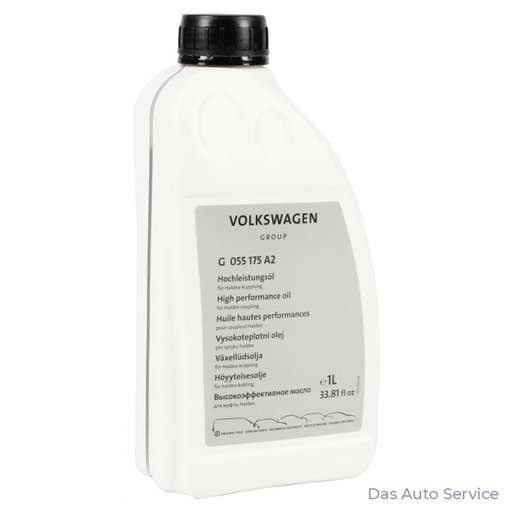
Genuine Haldex oil G055175A2 1L
Genuine Haldex oil for systems up to the fourth generation. Suitable for servicing the Haldex system on the Q3 8U.
View in shopRead more
- Pre-purchase inspection
- DSG and S tronic gearbox repair
- Audi Q3 8U 2.0 TDI Service Schedule
- Haldex Service Intervals: Generations 1 to 5
- DSG DQ381 and DQ500 Oil Change: When Is It Due?
Frequently asked questions
What are the most common problems with the Audi Q3 2.0 TDI?
We check the Haldex, S tronic, EGR, DPF and, on newer versions, the AdBlue system. We also pay particular attention to the car's service history.
How often should Haldex oil be changed on an Audi Q3?
Every 60,000 km on the Q3 8U with fourth-generation Haldex. On the F3 with fifth-generation Haldex, every 30,000 km, together with the rear differential oil.
Is an ex-lease Audi Q3 worth buying?
Yes, provided it's mechanically sound and has a clear service history. The most important things are checking how often the engine oil has been changed and making sure the quattro and S tronic systems work properly.
How often should the S tronic gearbox be serviced on an Audi Q3?
I recommend changing the gearbox oil every 60,000 km using genuine oil. We always carry out a gearbox adaptation after servicing.