You put your foot down, the revs shoot up, the engine roars, but the car barely accelerates. Or worse, the automatic gearbox decides it doesn't want to change gear and stays stuck in one. I hear this all the time at the workshop: "Kris, the gearbox keeps slipping, but then it sorts itself out." No, it doesn't. The problem just hasn't got bad enough to leave you stranded yet. Automatic gearbox slipping is one of those symptoms where putting off a repair can turn a relatively small job into a serious problem. But not every automatic gearbox slips for the same reason. Let me explain how we tell them apart and what we check before deciding what needs repairing.
How do I know which automatic gearbox I have?
The first thing you need to know is what type of automatic gearbox your car has. Because the word "automatic" covers several very different designs. And if someone tells you that all automatic gearboxes are repaired in exactly the same way, I'd get a second opinion. Here are the three main types we're talking about.
- DSG and S tronic – dual-clutch gearboxes. While one clutch is driving the car, the other prepares the next gear. That's why gear changes are so quick, but the clutches and the system controlling them need to work properly.
- Tiptronic – a traditional automatic gearbox with a torque converter. Instead of using a clutch like a manual gearbox, it uses oil to transfer power when you pull away. There are also clutches inside that engage the different gears.
- Multitronic – a continuously variable automatic gearbox (CVT) found in older Audi models. It doesn't have the usual individual gears. Instead, it uses a chain and pulleys to change the gear ratio.
From behind the wheel, all three can feel much the same. You select D and drive. But when they start slipping, the causes are different. That's why we first identify which gearbox we're dealing with, then look for the fault.
Why does a DSG or S tronic gearbox slip and jerk?
With DSG and S tronic, we usually look at two things first: the clutches and the mechatronic unit. The clutches can wear out and stop transferring power properly. The mechatronic unit is the gearbox's brain. It controls gear changes and the pressure used to operate the clutches. If it can't provide enough pressure, the gearbox may start slipping, even if worn clutches aren't the only problem.
What does it feel like? The gearbox bangs into gear, jerks when you pull away, the revs rise without the car accelerating properly, or the PRNDS display starts flashing. Sometimes these symptoms only appear under certain conditions, which makes things even more confusing. But that doesn't mean the problem has gone away. I've covered the other warning signs in my article on six signs your DSG needs attention.
Why does a Tiptronic gearbox slip between gears?
With Tiptronic, things are a little different. The cause could be old gearbox oil, worn internal clutches or a problem with the hydraulic valve body. That's the part that directs pressurised oil to the mechanisms that change gear. When it isn't working properly, the gearbox may start changing gear late, shifting harshly or slipping between gears.
For example, you notice the revs rising during a gear change, but the car takes a moment to accelerate. Or instead of a smooth shift, you get a thump. A lot of people immediately assume the whole gearbox needs replacing. I don't like making that sort of diagnosis without checking first. We need to find out whether the problem is with the oil, the control system or mechanical wear. You can read more about servicing in my article on automatic gearbox servicing.
Why does a Multitronic gearbox jerk and slip?
One of the typical symptoms of a Multitronic problem is jerking when you pull away. You might feel the car hesitating before it starts moving smoothly, or notice the revs rising without a matching increase in speed. One possible cause here is the chain slipping. And that's something you really shouldn't ignore.
The thing about Multitronic is that it works completely differently from DSG and Tiptronic. So we can't diagnose a fault on one type of gearbox and simply assume the same thing is wrong with another. If you drive an Audi with Multitronic, have a look at my article on Multitronic – why it jerks and whether it can be repaired.
What do we check when an automatic gearbox is slipping?
At Das Auto Service, we don't start by taking the gearbox apart and guessing. We start with diagnostics, because the same symptom can have several different causes. And if you replace the wrong part, the problem is still there. Except now you've paid for a repair that hasn't helped.
- We read the fault codes and adaptation values. These tell us what the gearbox control unit has recorded and how it's trying to compensate for the way the internal components are working.
- We check the gearbox oil level and condition. The oil doesn't just lubricate the gearbox. In an automatic, it also plays an important part in changing gears.
- We take the car for a test drive with the gearbox cold and then warm. We need to see exactly when the slipping happens, because the gearbox can behave differently depending on its temperature.
- We check the mechatronic unit or hydraulic valve body, depending on the gearbox type. We're looking for problems with the control system or oil pressure that could be causing incorrect gear changes.
Only after these checks can we talk about a specific repair. I want to know exactly what's faulty, not just keep replacing parts until the problem happens to disappear. Unfortunately, that approach is still quite common in this industry.
WARNING! A slipping automatic gearbox can suffer serious wear in just a few days. Every kilometre you drive with the problem can cause more damage and make the repair more complicated. Don't wait until the gearbox stops changing gear altogether.
How can I prevent automatic gearbox slipping?
The most important thing is regular servicing with the correct oil. For all DSG and S tronic gearboxes, I recommend changing the oil every 60,000 km, always using genuine oil. For Tiptronic gearboxes in standard Audi A models, our interval is 120,000 km. For S/RS models and hybrids, it's 80,000 km. With Multitronic, we change the oil every 60,000 km, again using genuine oil.
For Touareg, Q7, Q8 and Cayenne models with Tiptronic, we service the gearbox every 90,000 km, together with the transfer case and differentials. For the Q5 with Tiptronic, the interval is 120,000 km. We service the front differentials and transfer cases at the same time as the gearbox. And there's one more important thing: after every automatic gearbox service, we carry out an adaptation procedure. This allows the gearbox control system to adjust how the gearbox operates after servicing.
Tip from Kris Mladenov: If you notice your gearbox starting to behave differently, don't wait for it to sort itself out. Get it checked before the slipping causes serious wear. Catching the problem early could save you from having to repair the entire gearbox.
I hope you've found this article useful! If you have, I'd really appreciate you sharing it with a friend who drives an automatic. My mission has always been simple: when I know something useful, I want more people to know it too. Because the more you understand about your car, the better decisions you can make when it comes to looking after it.
The solution in our shop
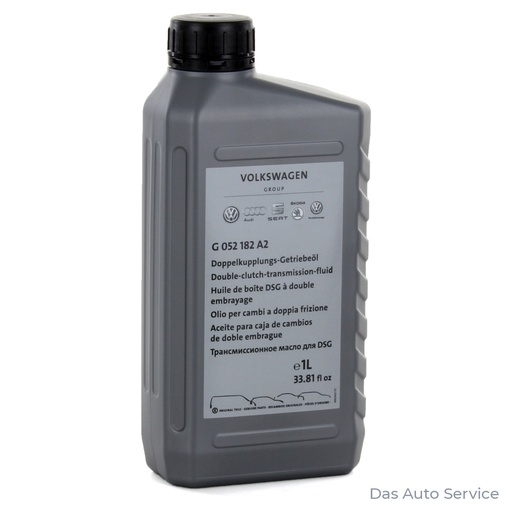
Genuine DSG gearbox oil G052182A2 1l
Genuine DSG gearbox oil. Using the correct oil is important for the clutches and the gearbox control system to work properly.
View in shop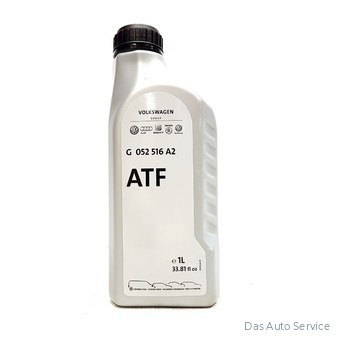
Genuine automatic gearbox oil G052516A2 1l
Genuine automatic gearbox oil. When servicing a gearbox, you need to use oil that meets the exact requirements of that particular gearbox.
View in shop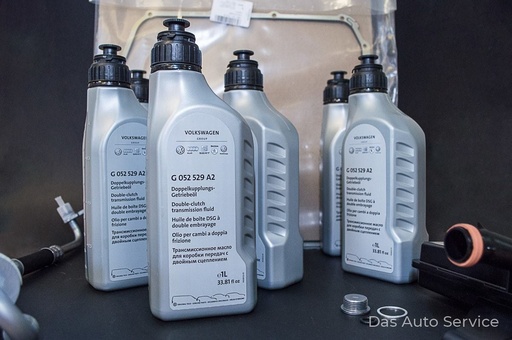
Genuine service set for Audi S-Tronic automatic gearboxes
Genuine S tronic service kit. The correct kit gives you the genuine parts needed to service the gearbox properly.
View in shopRead more
- Gearbox servicing
- DSG and S tronic gearbox repair
- DSG Gearbox Problems: 6 Warning Signs
- Automatic Gearbox Service Kit: What's Included?
- Audi Multitronic Gearbox Problems: Causes and Repairs
Frequently asked questions
Why is my automatic gearbox slipping?
It could be caused by worn clutches, old gearbox oil or a problem with the control system or oil pressure. The cause depends on whether you have a DSG, S tronic, Tiptronic or Multitronic gearbox.
Why is my automatic gearbox not changing gear?
The problem could be with the mechatronic unit, the hydraulic valve body or the internal gearbox components. We need to run diagnostics to find out why the gearbox won't change gear.
Can old gearbox oil cause slipping?
Yes, especially in gearboxes where the oil helps control gear changes. But if there's already mechanical wear inside, changing the oil alone won't fix it.
Can I keep driving if my automatic gearbox is slipping?
I wouldn't recommend it. Continuing to drive with a slipping gearbox can quickly increase the wear and turn the problem into a much more serious repair.