Thinking of buying an automatic but worried you'll end up with a gearbox repair bill that costs a fortune? I hear this all the time at the workshop. One mate tells you DSG is the best, another warns you about the mechatronic unit, and someone else swears a traditional automatic is the only way to go. And you know what? All three could be right, because DSG, Tiptronic and Multitronic are completely different gearboxes. I'll explain how I rank them, which one I'd buy myself and what I'd definitely check before handing over my money.
What types of automatic gearbox are there, and what's the difference?
The first thing I want you to understand is that seeing "automatic" in a car advert tells you next to nothing. There are three very different types of gearbox hiding behind that word, and each feels different to drive, needs different maintenance and comes with its own repair risks. I'm not going to bury you in technical details. I just want you to know what you're buying.
- DSG and S tronic – dual-clutch gearboxes. While you're driving in one gear, the gearbox is already getting the next one ready. That's why the changes are so quick, the car feels good to drive and fuel economy is decent. But! There are several versions, and some are much tougher than others.
- Tiptronic – a traditional automatic gearbox. It's smooth, especially when pulling away and driving gently. Look after it properly and it can last a very long time. That's why it's one of my favourite choices when buying a used car.
- Multitronic – a continuously variable gearbox, or CVT, found in older Audi models. Instead of changing between normal gears, it adjusts the gear ratio smoothly as you drive. It's pleasant behind the wheel, but I'd be very careful about buying one without a clear service history.
What's the best used automatic gearbox for peace of mind?
Why would I start with Tiptronic?
If I want peace of mind and something built to last, Tiptronic is where I'd look first. This gearbox can cover a lot of miles, provided the previous owner looked after it and changed the oil. But I don't want to hear, "They told me it's been serviced." I want paperwork. If you're looking at a car with this gearbox, have a read of my article on ZF 8HP Tiptronictoo.
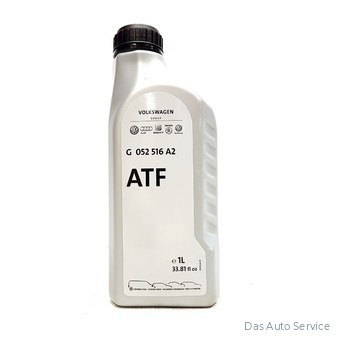
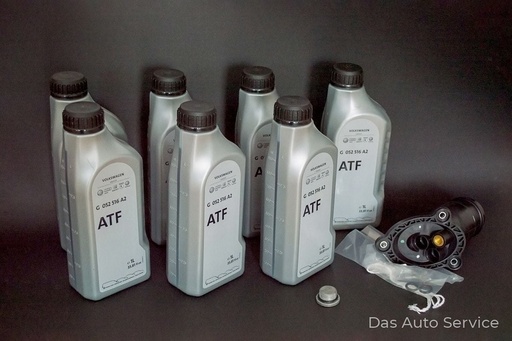
For Audi A models, I recommend changing the gearbox oil every 120,000 km. For S/RS models and hybrids, it's every 80,000 km. On the Touareg, Q7, Q8 and Cayenne, our interval is 90,000 km, together with the transfer case and differential oils. For the Q5 with Tiptronic, it's 120,000 km. I'm telling you this because proper maintenance matters far more than all the lovely promises in a car advert.
Why is a wet-clutch DSG also a good choice?
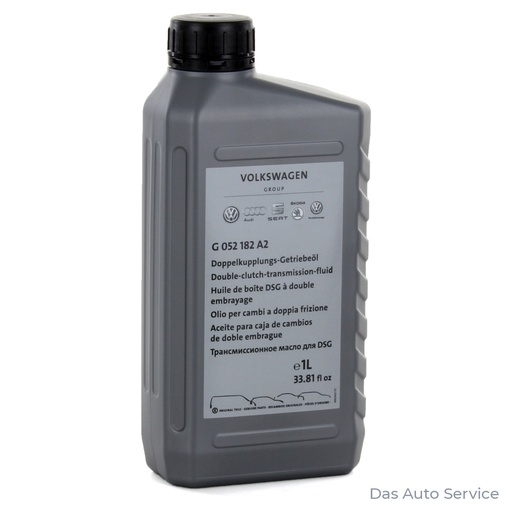
DQ250, DQ381 and DQ500 are gearboxes I like. We call them wet-clutch DSGs because their clutches run in oil. They're quick, lovely to drive and can last well when they're properly maintained. At Das Auto Service, we change the oil in every DSG and S tronic gearbox every 60,000 km, always using genuine oil. After the service, we also carry out an adaptation. That's a procedure that lets the gearbox fine-tune how it operates.
Why does the dry-clutch DSG DQ200 need more attention?
The DQ200 is a dry-clutch DSG, meaning its clutches don't run in oil like those in the wet-clutch versions. I'm not saying you should run away from every car fitted with one. I'm saying you need to check it very carefully, especially how it pulls away and behaves in different driving conditions. If the owner tells you, "It jerks a little, but they all do that," don't take their word for it. Check it first. Then decide.
Why is Multitronic the riskiest choice?
What worries me most about Multitronic is a missing service history. I wouldn't take a chance on one just because the car looks well kept and drives nicely on a short test drive. The oil needs changing every 60,000 km, using genuine oil. If you don't know when it was last serviced or how it behaved before, you're the one taking the risk. I've explained more in my Multitronic articletoo.
What should I check before buying a used automatic?
This is where I really want you to listen to me. Don't choose a car just because it looks beautiful, has loads of extras or shows a nice low mileage on the clock. The automatic gearbox needs checking separately. There are a few things I'd never skip.
- Find out exactly which gearbox is fitted. It's not enough for the seller to say, "It's a DSG." You need to know the actual version because that determines exactly what we need to check.
- Ask for the gearbox oil change and adaptation history. When was the oil changed? What oil was used? Is there any paperwork? If the gearbox has been serviced, I want to know whether an adaptation was carried out afterwards.
- Get a proper diagnostic check. I don't just mean plugging in a diagnostic tool, looking for fault codes and unplugging it again. We also need to look at the adaptation values. These show how the gearbox has adjusted the way it operates.
- Drive the car in different conditions. Pull away gently, try setting off on a hill, and see how the gearbox behaves when it's cold and once it's warmed up. Pay attention to any jerking, harsh jolts or rough gear changes. Don't rush your decision.
If you've found a car with DSG, read my guide on how to check a DSG gearbox before buying. And if you want to know what you're actually getting, book a pre-purchase inspection. That way, you're not relying on the seller's promises alone.
WARNING! An automatic gearbox with no service history is one of the most expensive gambles you can take when buying a used car. Just because it changes gears smoothly today doesn't mean it's been properly maintained. Don't hand over your money until you've had it checked.
Which automatic gearbox would I choose?
If I were buying a car for myself, my first choice would be a Tiptronic with a proven service history. Right behind it, I'd put a wet-clutch DSG, again with paperwork showing the oil changes have been done and a thorough inspection. I'd consider a dry-clutch DQ200, but I'd pay much closer attention to how it behaves. And Multitronic? Only if the service history is clear and the inspection doesn't reveal any problems.
I don't want you walking away thinking one gearbox lasts forever while another is guaranteed to break. The truth is, the condition of the actual car matters more than what people say on internet forums. A well-maintained automatic can be a much smarter buy than a supposedly more reliable gearbox that nobody knows anything about.
Tip from Kris Mladenov: Ask when the gearbox oil was last changed before you even start negotiating the price. Ask for proof, not promises. The answer will often tell you more than the mileage on the dashboard. And remember, a pre-purchase inspection is there to give you peace of mind. Because if something goes wrong afterwards, you're the one paying the bill.
I hope you've found this article helpful! If you have, I'd love you to share it with a mate who's looking for a used automatic. My mission is simple: when I know something useful, I want more people to know it too. That way, they can make better choices and avoid wasting their hard-earned money on unnecessary repairs.
The solution in our shop
Read more
- Pre-purchase inspection
- Gearbox servicing
- DSG Gearbox Check Before Buying a Used Car
- Audi Multitronic Gearbox Problems: Causes and Repairs
- ZF 8HP Tiptronic Oil Change: When Is It Due?
Frequently asked questions
Which is the most reliable used automatic gearbox?
I'd choose a Tiptronic with a documented service history or a wet-clutch DSG in good condition. But the service history and diagnostic results matter more than the name of the gearbox.
Should I buy a car with Multitronic?
Yes, but only if it has a clear service history and has passed a thorough inspection. Without paperwork and a proper diagnostic check, I wouldn't take that risk myself.
Should I choose a dry-clutch or wet-clutch DSG?
I prefer the wet-clutch DSG, especially the DQ250, DQ381 and DQ500, provided the oil has been changed every 60,000 km. The dry-clutch DQ200 is also worth considering, but you need to judge it on its actual condition.
Is smooth gear changing on a test drive enough?
No. I want to see the service history, diagnostic results and adaptation values. I also want to know how the gearbox behaves when it's cold, when it's warm and when pulling away on a hill.