Cupra Formentor 2.0 TSI servicing – what needs doing and when?
Do you know how much a missed service on your Cupra Formentor 2.0 TSI could end up costing you? People often ask me when the DSG gearbox oil needs changing, what maintenance the 4Drive system requires and whether the engine has a timing chain or belt. The problem is that clear information is hard to find, and different workshops give different answers. That’s why I’ve put together this Cupra Formentor 2.0 TSI service schedule, so you know exactly how to look after your car without having to guess.
We’re talking about the following Cupra Formentor versions with the 2.0-litre petrol engine:
- Cupra Formentor 2.0 TSI 190 PS 4Drive (EA888 evo, engine code DNUA)
- Cupra Formentor 2.0 TSI 245 PS (EA888 evo, engine code DNUE)
- Cupra Formentor 2.0 TSI 310 PS 4Drive (EA888 evo, engine code DAZA)
- Cupra Formentor 2.0 TSI 204 PS, 265 PS and 333 PS (2024 facelift onwards)
Cupra Formentor 2.0 TSI service schedule: which oil and when?
The 2.0 TSI engine requires oil meeting either VW 504 00 or VW 508 00, depending on the exact version. VW 508 00 is 0W-20, while VW 504 00 is 0W-30 or 5W-30. What matters is using the correct specification for your engine, not simply whatever oil someone happens to recommend. Not all oils are the same, even when the numbers on the container look identical.
For cars driven in Bulgaria, I recommend changing the engine oil and all filters every 10,000 km or once a year, whichever comes first. Short journeys around town, dust and fuel quality don’t do the engine any favours. And those extended LongLife service intervals take environmental requirements into account too, not just how long the engine will last.
IMPORTANT! Don’t wait until 15,000 or 20,000 km. Change the engine oil every 10,000 km or once a year, regardless of which oil you use.
The EA888 evo engine takes approximately 5.7 litres of oil including the filter. I recommend genuine oil because there’s no point compromising on quality. It’s the oil that protects your engine every time you put your foot down.
Which filters should I replace at each service?
Every time we change the engine oil, we replace all the filters too. I don’t leave the air filter until next time just because it looks reasonably clean. The interval is 10,000 km or one year for all of them.
- Oil filter – always replaced together with the engine oil.
- Air filter – protects the engine from dust and dirt.
- Cabin filter – traps dust that would otherwise enter the car.
- Fuel filter – where the specific version has a replaceable filter.
When should the DQ381 DSG gearbox be serviced?
In the configuration we’re looking at, the DQ381 is a 7-speed DSG gearbox with wet clutches. It changes gear quickly and smoothly, but its oil has a tough job to do. When someone tells me their gearbox is changing gear harshly or jerking, the first thing I want to know is how it’s been serviced.
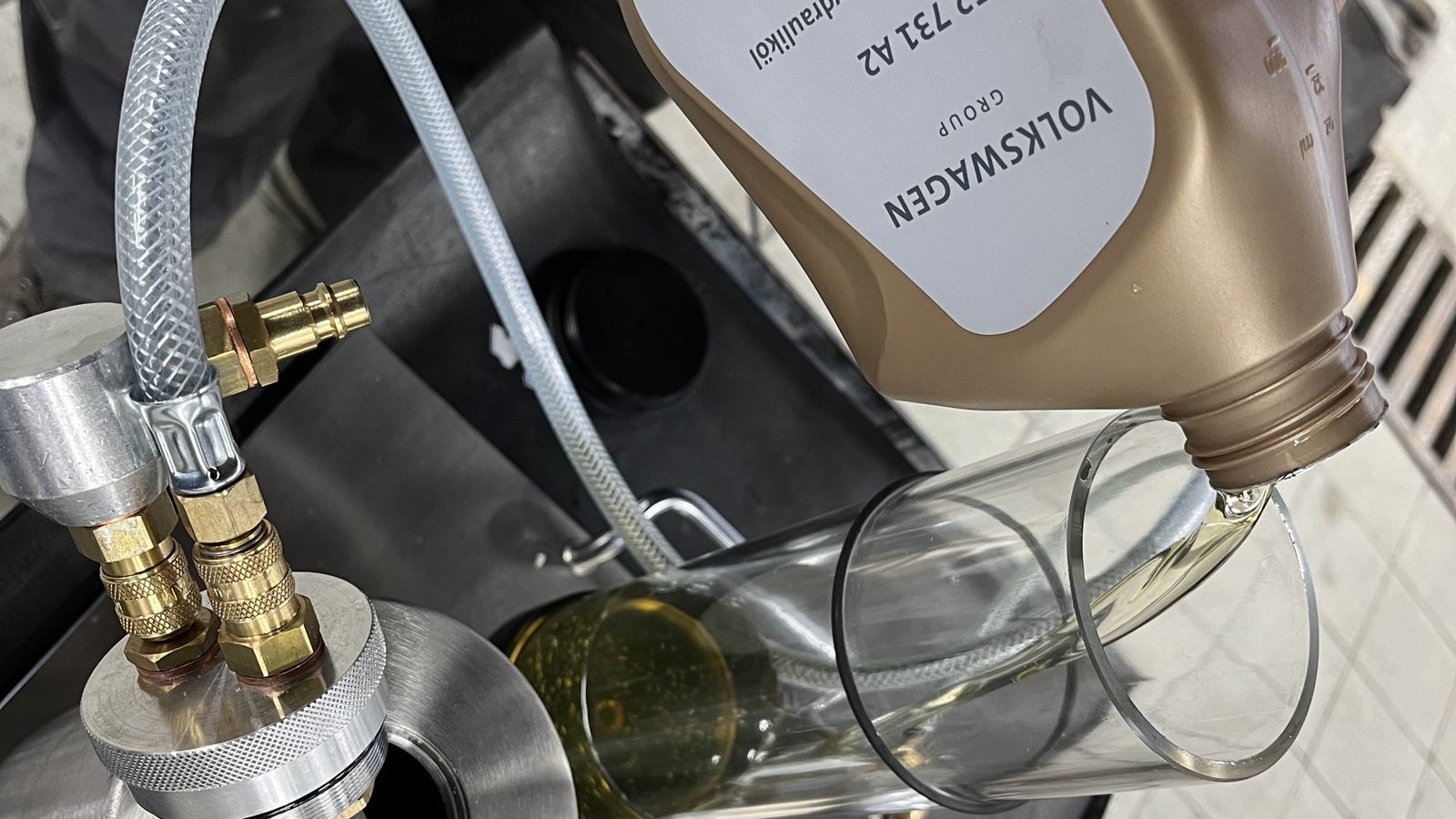
The oil and filter are replaced every 60,000 km using genuine G 052 182 A2 oil, where that specification is prescribed for the particular gearbox. After servicing, we always carry out a clutch adaptation. This procedure allows the gearbox control unit to adjust how the clutches operate. It’s not something we leave for another day.
What maintenance does the Formentor 4Drive system need?
The 190 and 310 PS versions have 4Drive, as do the facelift models with 204 and 333 PS. Here, Haldex Gen5 controls the engagement of the rear-wheel drive. When everything is working properly, you barely notice the system doing its job. But its oil ages just like any other.
- Haldex coupling oil – every 30,000 km.
- Rear differential oil – every 30,000 km.
- Pump strainer cleaning – at every oil change.
Old oil and a clogged strainer make the pump work harder. It can overheat and damage the control module. So don’t wait until your 4Drive stops working before you think about servicing it.
Does the engine have a timing chain, and does it need replacing?
The EA888 evo has a timing chain rather than a timing belt. Unlike a timing belt, it doesn’t have a fixed replacement interval. With proper maintenance, it’s designed to last a long time, but that doesn’t mean it lasts forever. If the engine starts making an unusual rattling noise, we investigate the cause rather than assuming everything is normal.
The water pump doesn’t have a fixed replacement interval either. We check its condition during inspections, especially if the car is losing coolant or running hotter than it should.
When should I change the brake fluid?
Every two years, regardless of how many kilometres you’ve covered. Brake fluid absorbs moisture and gradually becomes less resistant to high temperatures. Under heavy braking, the pedal can start to feel soft and braking performance can suffer. That’s not something worth taking chances with.
How often should I replace the spark plugs?
The spark plugs on the 2.0 TSI should be replaced every 60,000 km. I use genuine spark plugs selected for the specific engine. If the engine starts vibrating or misfiring, the spark plugs are among the things we check. But we don’t replace parts blindly.
Why should I replace the crankcase ventilation filter?
Because it’s one of those service items that’s easily overlooked. On the petrol 2.0 TSI, we service it every 60,000 km. The crankcase ventilation system routes gases from the engine back into the intake system. When it isn’t working properly, crankcase pressure can rise and oil leaks can develop.
What does a proper air conditioning service include?
Every spring, we check the air conditioning system. And I’m not just talking about topping up the refrigerant, which is what many people think an air conditioning service involves. The oil and filter-drier matter too, because they protect the compressor from premature wear.
- Check the system for leaks.
- Replace the filter-drier.
- Change the oil in the air conditioning system.
The cabin filter isn’t part of this service. We’ve already replaced it along with the engine oil and the other filters.
When should I change the coolant?
Every third heating season. Coolant doesn’t just stop the engine from freezing in winter. It also protects the internal surfaces of the cooling system against corrosion. Every autumn, we check its frost protection with a refractometer.
What should I check in the tyre repair kit?
Most Formentors come with a tyre repair kit instead of a spare wheel. The sealant has an expiry date, usually after 4–5 years. Check the date on the container and replace it if it’s expired. Otherwise, you might discover it doesn’t work at the very moment you need it.
Why do I recommend an inspection every six months?
Because not every problem starts with a warning light on the dashboard. Every six months, we take the time to check the car’s essential components. That way, we can spot wear before it turns into a more serious problem.
- Brake pads and discs.
- Tyre condition and pressures.
- All fluid levels.
- Suspension and steering – track rod ends, bushes and anti-roll bar links.
- Lights.
What can I find in the shop for servicing my Formentor?
If you want to have your Formentor serviced, you can get in touch with us or read more about automatic gearbox servicing.
I’ve also put together service schedules for the VW T-Roc 1.5 TSI, Škoda Karoq 1.5 TSI and VW Golf 8 1.5 eTSI.
Advice from Kris Mladenov: The Cupra Formentor has a powerful engine, a quick-shifting gearbox and, on 4Drive models, another system that needs attention. Choose your workshop carefully and don’t compromise on oils or parts. The best repair is the one you’ve avoided through timely maintenance.
I hope you’ve found this article useful! If you have, I’d appreciate you sharing it with friends who drive a Cupra or another Volkswagen Group car. My mission is simple: when I know something, I want more people to know it too. That way, everyone can make better decisions about their car.
The solution in our shop
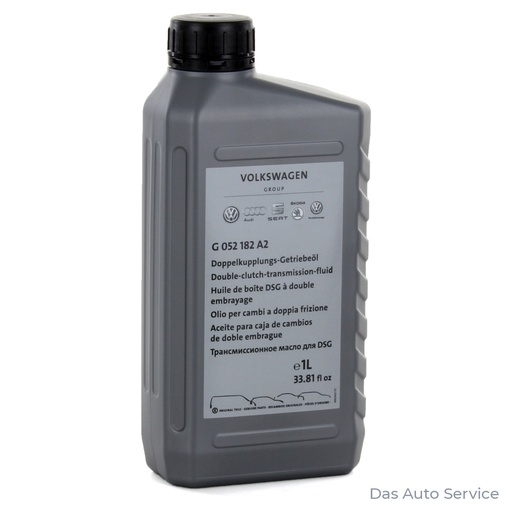
Genuine DSG oil G 052 182 A2. Used when servicing the DQ381 where this specification is prescribed for the gearbox.
View in shop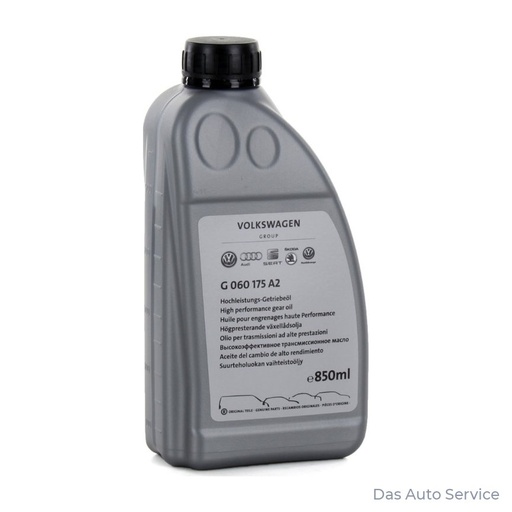
Genuine Haldex oil G060175A2 850ml
Genuine Haldex oil G 060 175 A2. For servicing the coupling in the 4Drive system.
View in shopRead more
- Routine servicing
- Gearbox servicing
- Air conditioning servicing
- VW T-Roc 1.5 TSI Service Schedule
- Škoda Karoq 1.5 TSI Service Schedule
- VW Golf 8 1.5 eTSI Service Schedule
Frequently asked questions
How much engine oil does the Cupra Formentor 2.0 TSI take?
Approximately 5.7 litres including the filter. Use oil meeting the VW 504 00 or VW 508 00 specification prescribed for your engine and change it every 10,000 km or once a year.
When should I change the DSG gearbox oil?
For the DQ381, the interval is 60,000 km, using genuine oil that meets the prescribed specification. We always carry out an adaptation after the oil change.
Does the Cupra Formentor 2.0 TSI have a timing chain?
Yes, the EA888 evo has a timing chain. There is no fixed replacement interval, but it should be checked if you hear any unusual rattling.
How often should Haldex Gen5 be serviced?
Every 30,000 km, we change the oil in the Haldex coupling and rear differential. We also clean the pump strainer.